
Cork Oak
Quercus suber
- Native to:
- Algeria, Corse, France, Italy, Morocco, Portugal, Sardegna, Sicilia, Spain, Tunisia
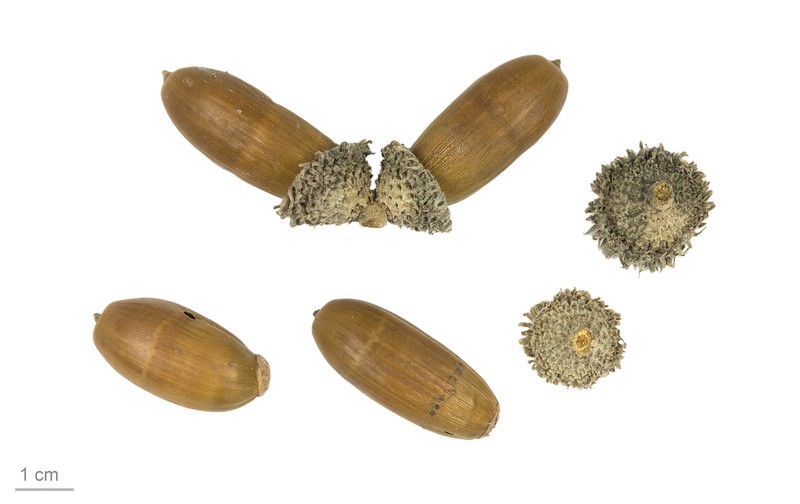
Roger Culos
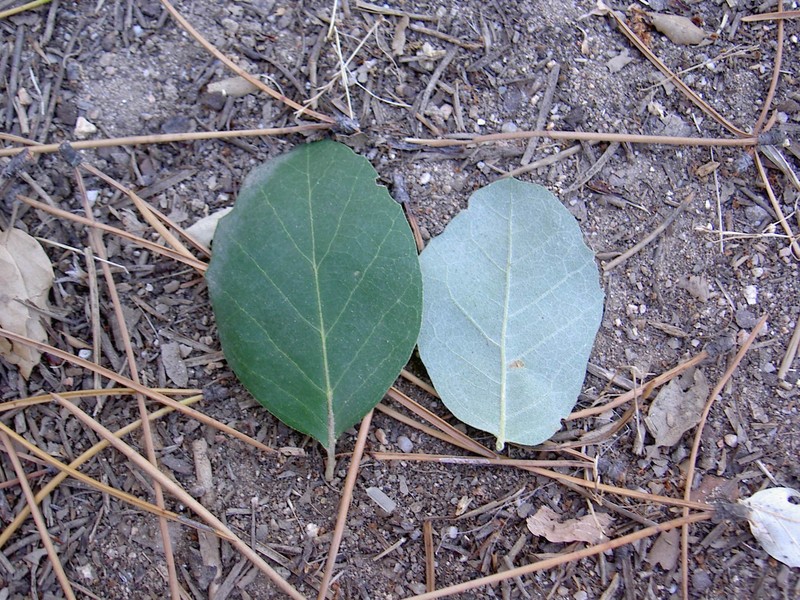
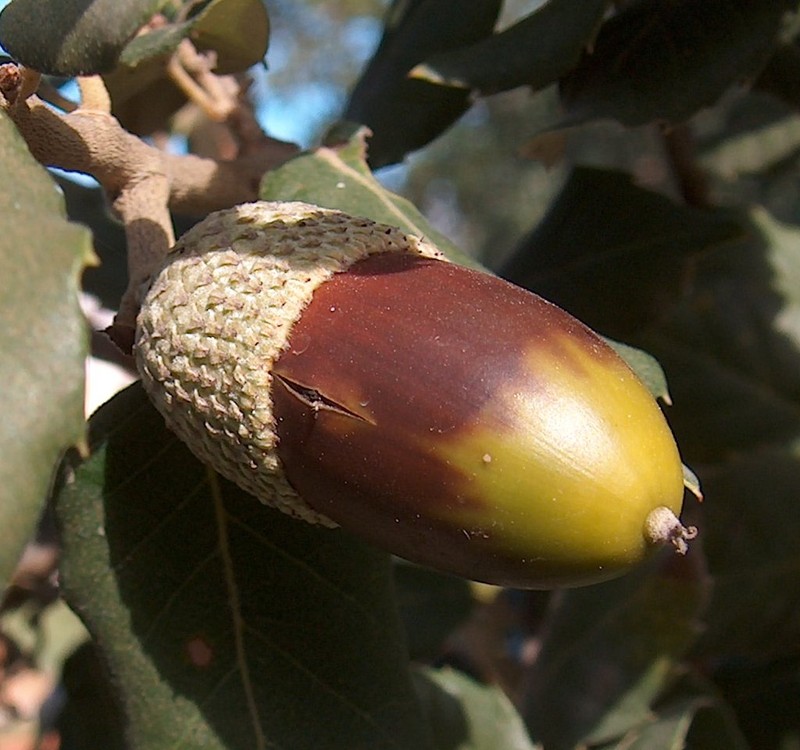
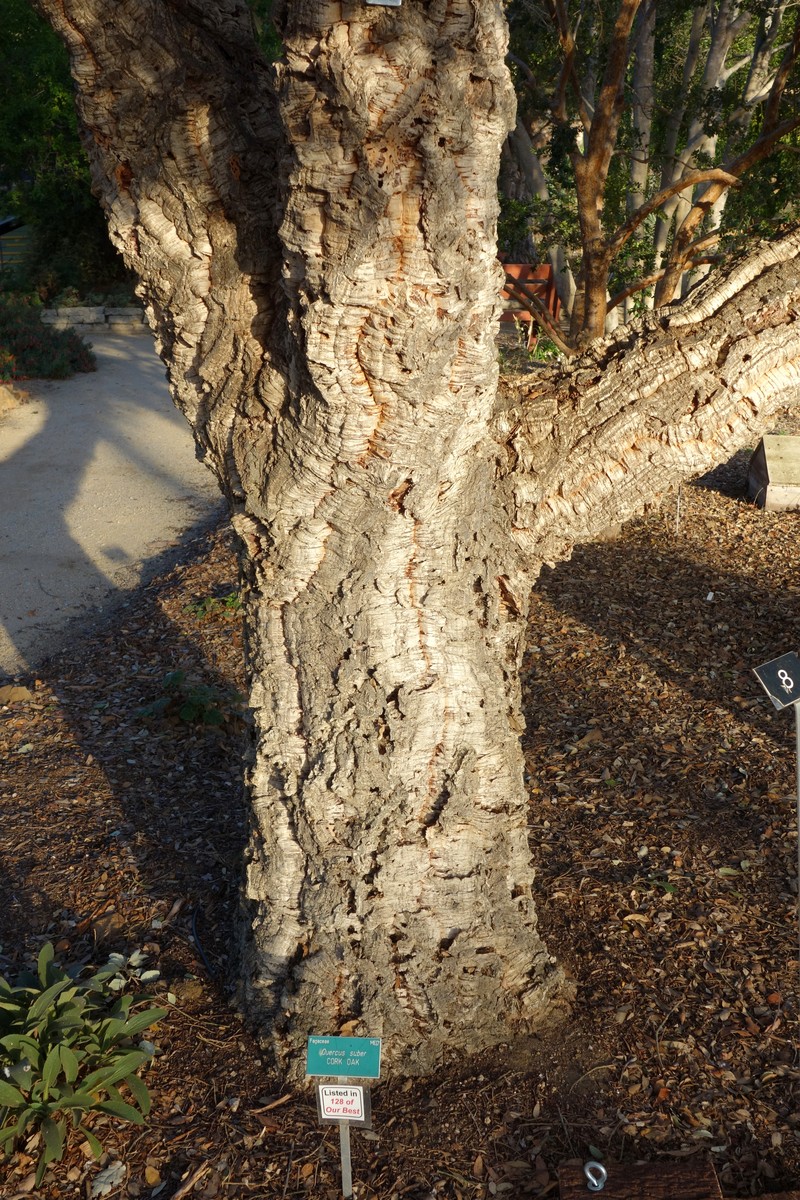
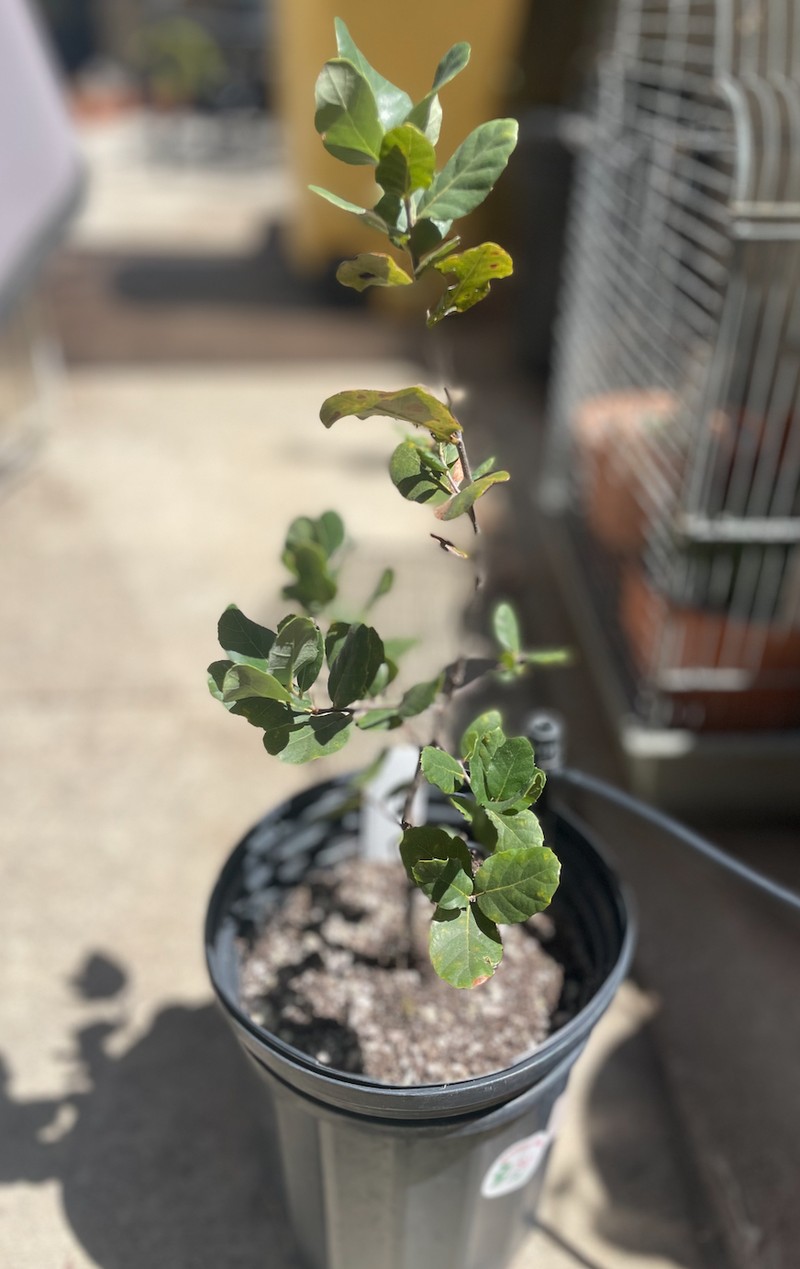
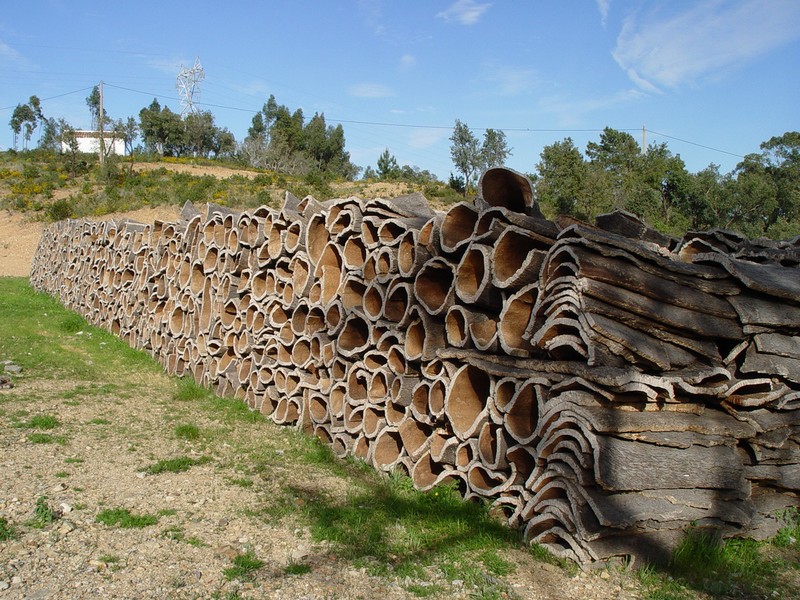
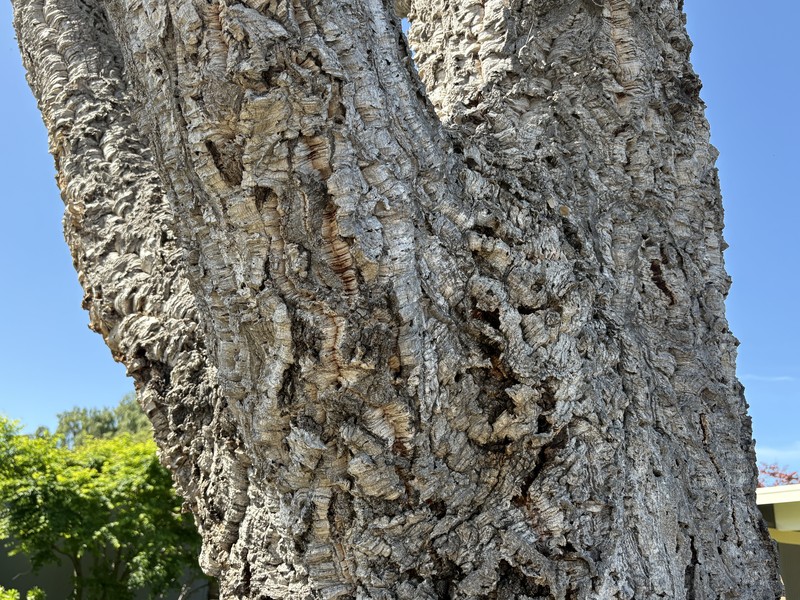
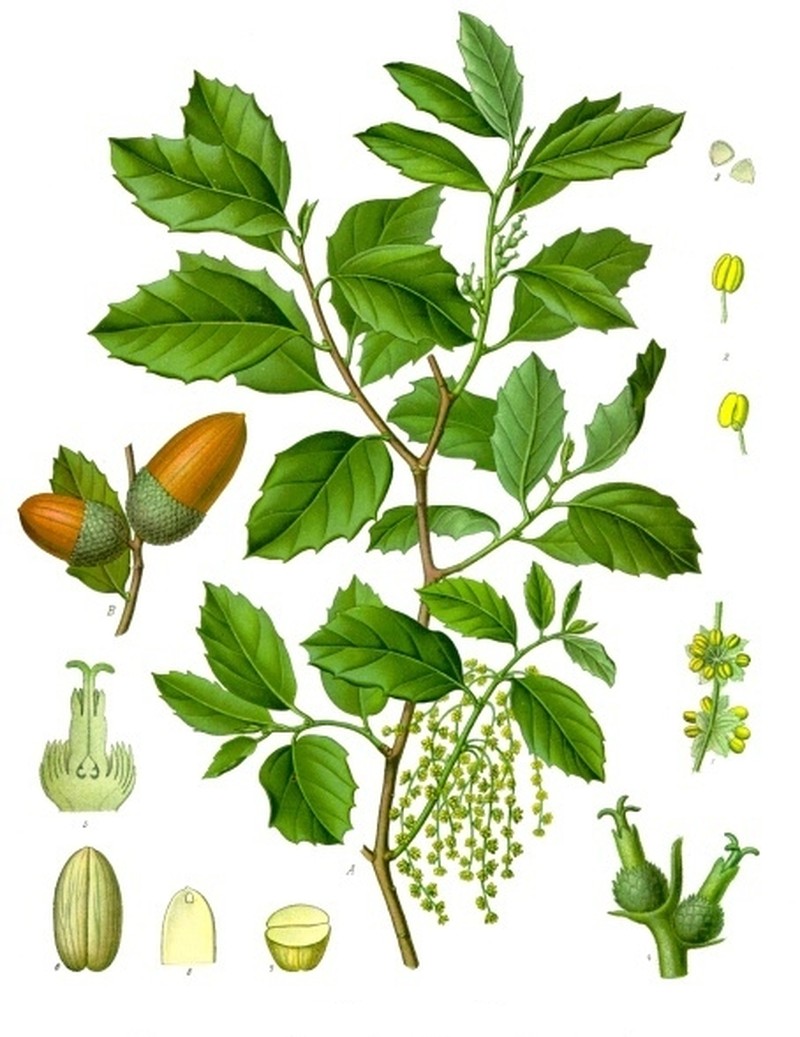
Taxonomy
- Division:
- Magnoliophyta | - Flowering plants
- Family:
- Fagaceae
- Genus:
- Quercus
- Species:
- Quercus suber
- USDA Symbol:
- QUSU5
Growth Characteristics
- Life Cycle:
- Perennial
- Growth Habit:
- Tree
- Height:
- 2000 cm
- Light Requirements:
- Full Sun
- Drought Tolerance:
- High
- Bloom Months:
- apr,may
- Bloom Colors:
- yellow-green
Wildlife Benefits
- Butterflies & Moths:
- ★★★★★ Documented Lepidoptera association (GBIF)
- Caterpillars:
- ★★☆☆☆ Recorded caterpillar host plant (HOSTS Database)
Keystone Species Ranking
- Caterpillar Keystone:
- ★★★★★ Butterfly & moth species supported by this genus (NWF)
Host Plant for Caterpillars
Bucculatrix albertiella, California oakworm (Phryganidia californica), Cecropis moth (Automeris cecrops), Coptodisca powellella, Nemoria glaucomarginaria, oak leaf skeletonizer (Bucculatrix ainsliella), Rectiostoma fernaldella, Tischeria discreta, Mournful Duskywing (Erynnis tristis)
Garden & Ecology Notes
- Wildlife Value:
- birds, mammals
- Fire Ecology:
- Fire adapted — tolerates or benefits from fire
- Fire Notes:
- Thick bark provides fire resistance; can resprout after fire.
Soil Requirements
- Soil Type:
- sandy, acidic, nutrient-poor soil
- pH:
- 4.5 - 7.0 (acidic to neutral)
- Drainage:
- excellent drainage required
- Moisture:
- dry to moderate
- Notes:
- native to Mediterranean regions, often found in poor soils
Propagation & Germination
- Stratification:
- Cold/moist stratification required — 30–60 days
- Germination Time:
- 30–90 days
- Notes:
- Seeds require cold stratification for 30-60 days to break dormancy; sow in fall or after stratification.
Where to Buy
Nationwide Seller
- Sheffield's Seed (seeds)