
Huckleberry Oak
Quercus vacciniifolia
- Native to:
- United States
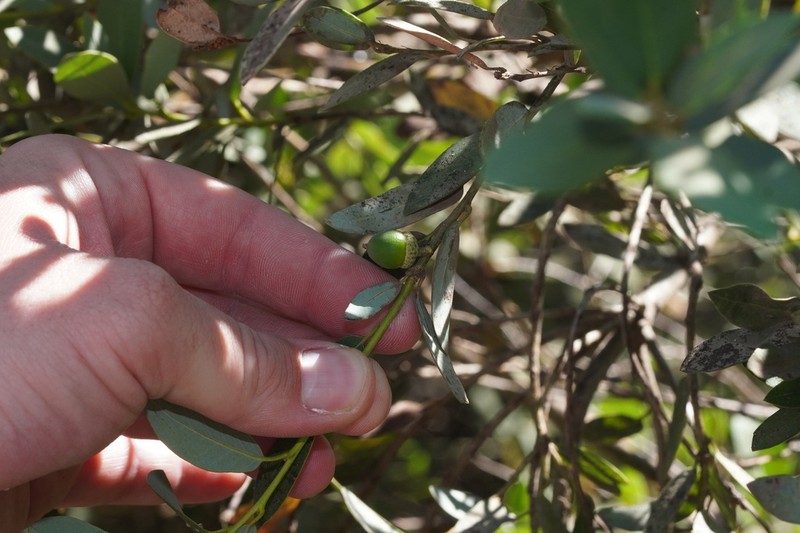
iNaturalist: © ehjalmarson (iNaturalist #276841280)
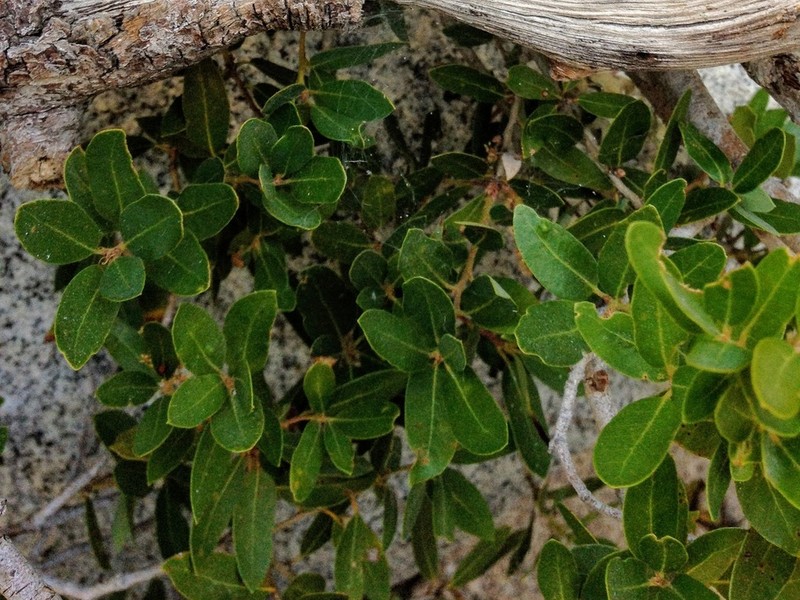
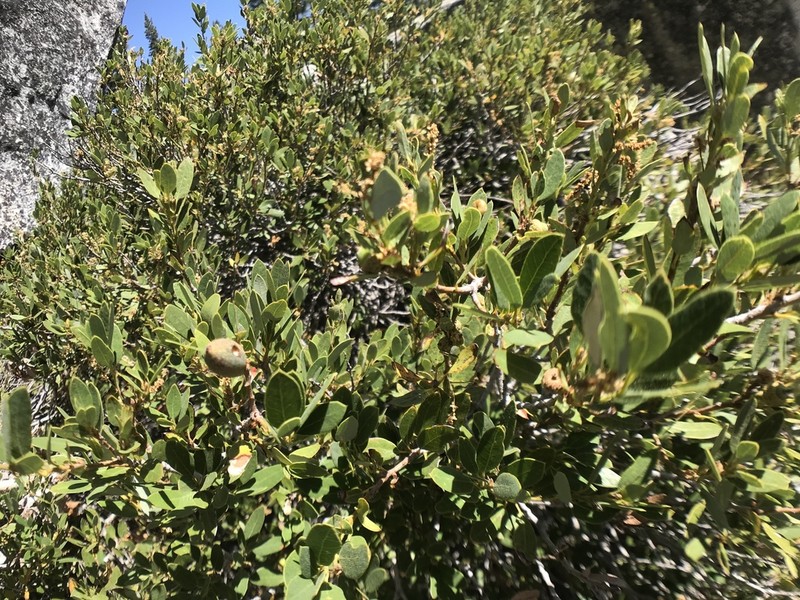
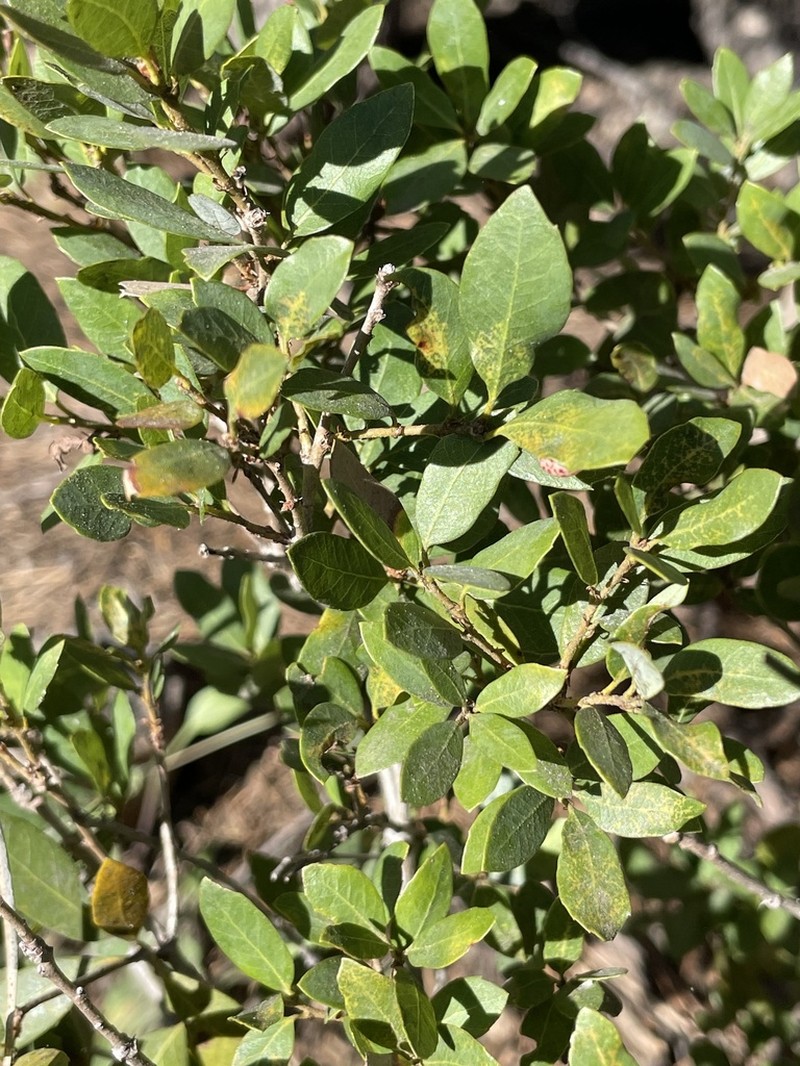
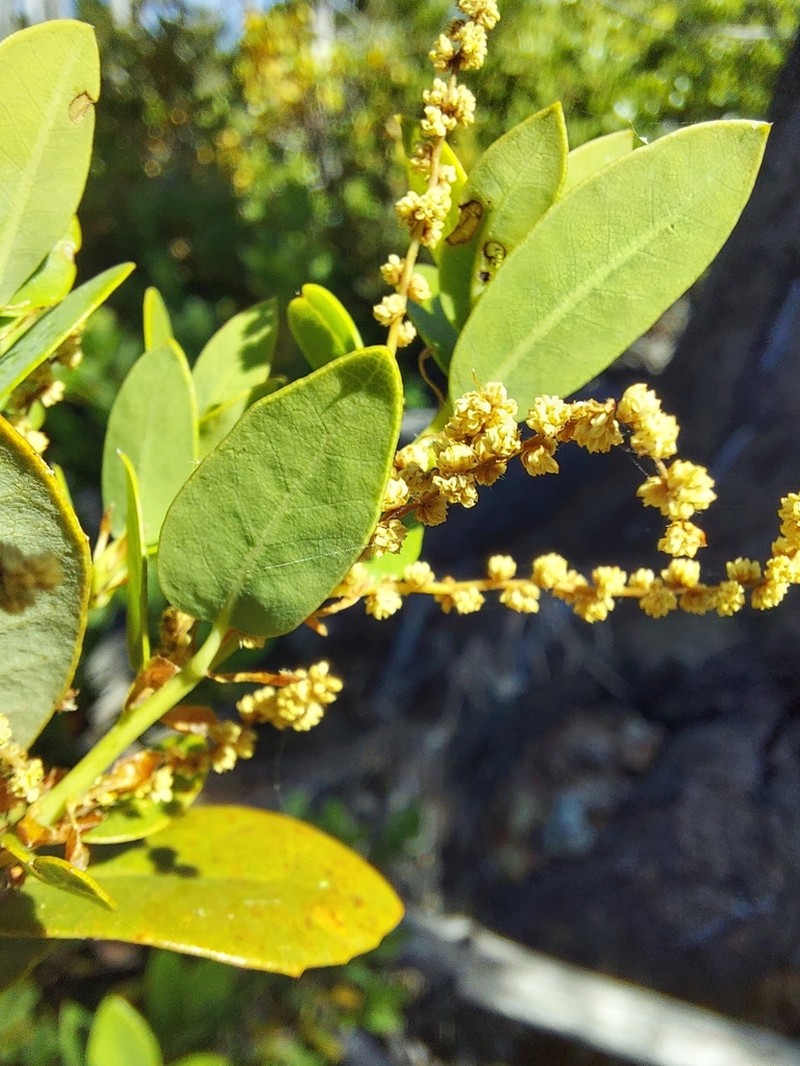
Taxonomy
- Division:
- Magnoliophyta | - Flowering plants
- Family:
- Fagaceae
- Genus:
- Quercus
- Species:
- Quercus vacciniifolia
- USDA Symbol:
- QUVA
Growth Characteristics
- Life Cycle:
- Perennial
- Growth Habit:
- Shrub
- Height:
- 300 cm
- Light Requirements:
- Full Sun
- Drought Tolerance:
- High
- Ground Cover:
- Yes
- Evergreen Shrub:
- Yes
- Landscaping Shrub:
- Yes
Wildlife Benefits
- Butterflies & Moths:
- ★☆☆☆☆ Documented Lepidoptera association (GBIF)
- Caterpillars:
- ★★☆☆☆ Recorded caterpillar host plant (HOSTS Database)
Keystone Species Ranking
- Caterpillar Keystone:
- ★★★★★ Butterfly & moth species supported by this genus (NWF)
Host Plant for Caterpillars
Acrocercops sp., Chionodes sp., Decodes montanus, Recurvaria sp., Rhodophaea yuba, Trachycera caliginella, Bredow's sister (Adelpha bredowii), Golden Hairstreak (Habrodais grunus), Propertius Duskywing (Erynnis propertius)
Garden & Ecology Notes
- Wildlife Value:
- birds, small mammals
- Fire Ecology:
- Fire adapted — tolerates or benefits from fire
- Fire Notes:
- Resprouts from root crown after fire; adapted to frequent low-severity fires in its chaparral habitat.
Soil Requirements
- Soil Type:
- rocky, well-drained, nutrient-poor soil
- pH:
- 5.0 - 6.5 (acidic to slightly acidic)
- Drainage:
- excellent drainage required
- Moisture:
- dry to moderate
- Notes:
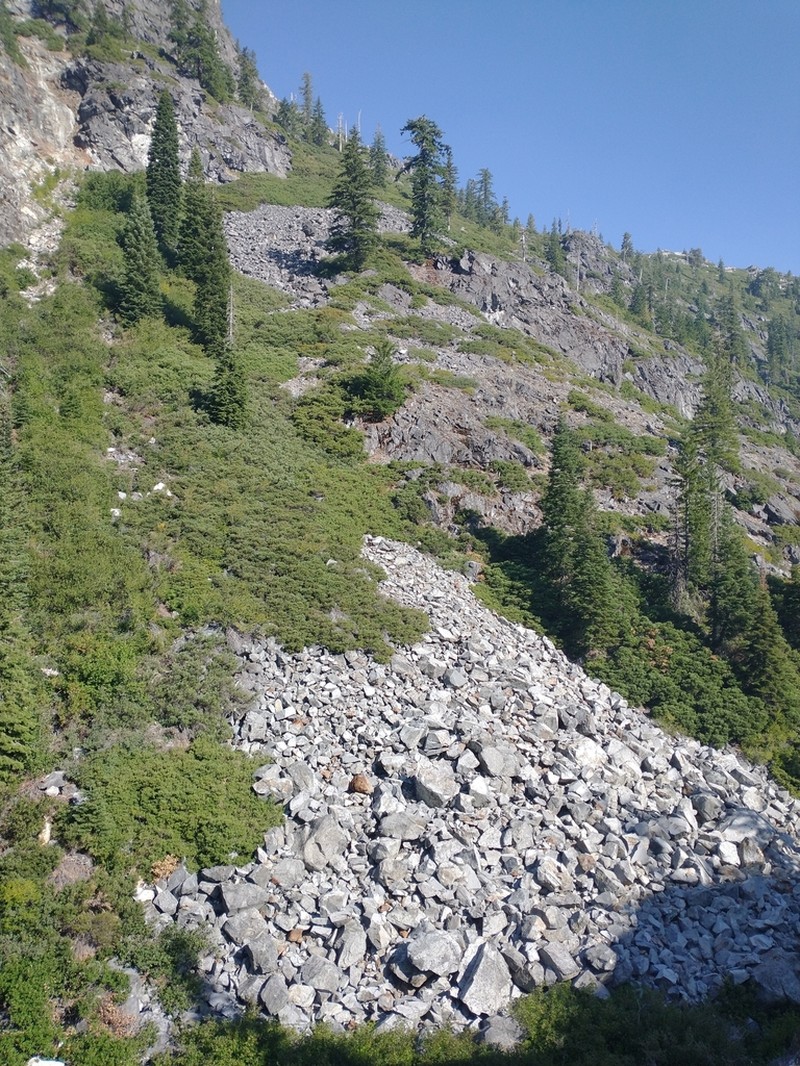
- native to mountainous regions, often in granite or serpentine soils
Propagation & Germination
- Stratification:
- Cold/moist stratification required — 30–60 days
- Germination Time:
- 30–90 days
- Notes:
- Seeds require cold stratification for 30-60 days to break dormancy; germination occurs in spring.
Pre-treatment: Cold-moist stratification for 30 days at 1–5°C (34–41°F).; then Cold-moist stratification for 90 days.
Source: Claude AI
Where to Buy
Nationwide Seller
- Sheffield's Seed (seeds)