
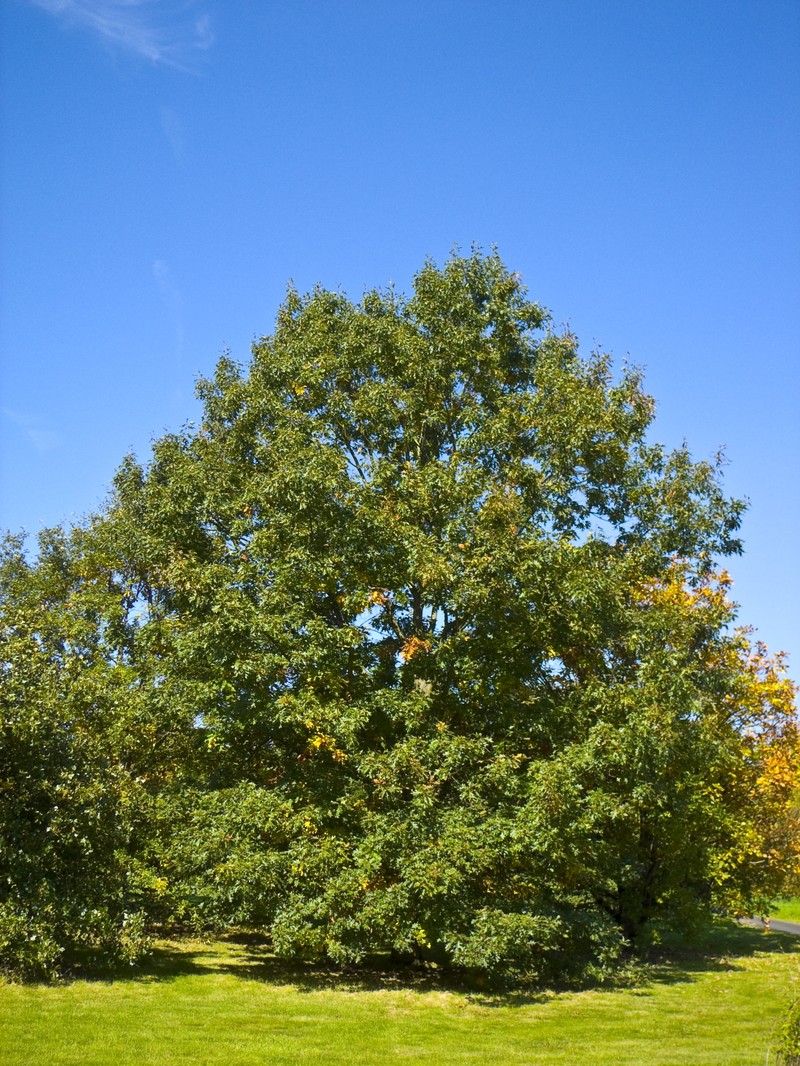
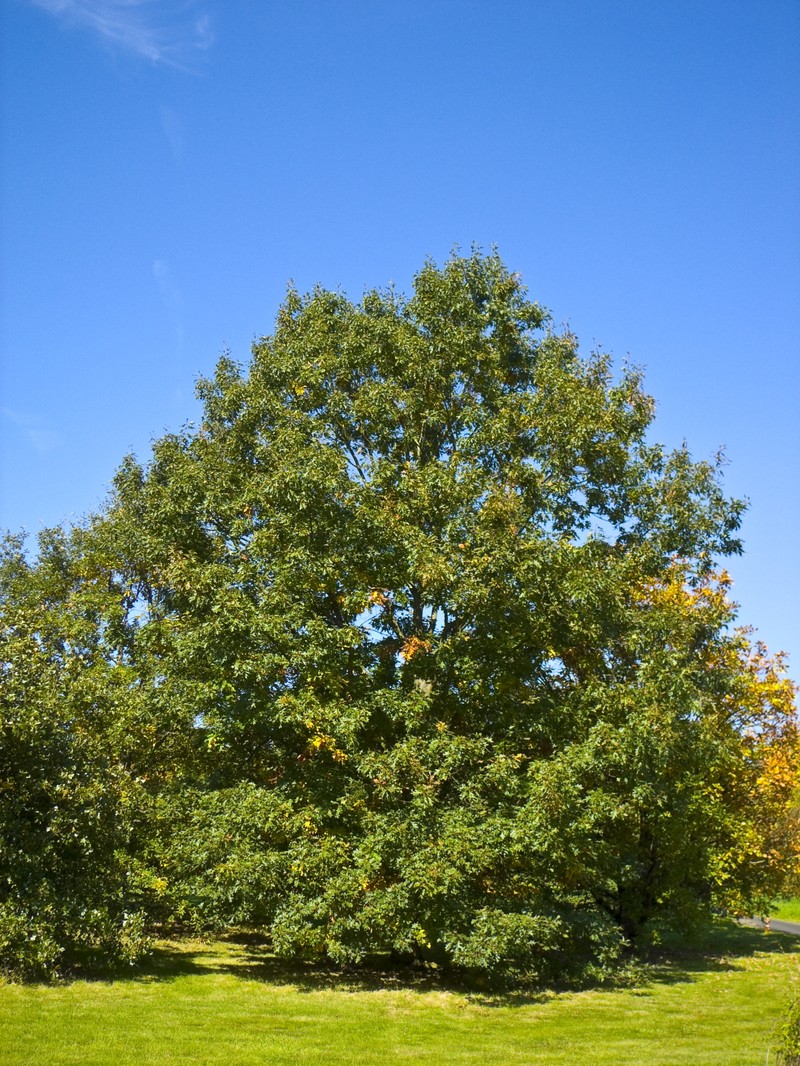
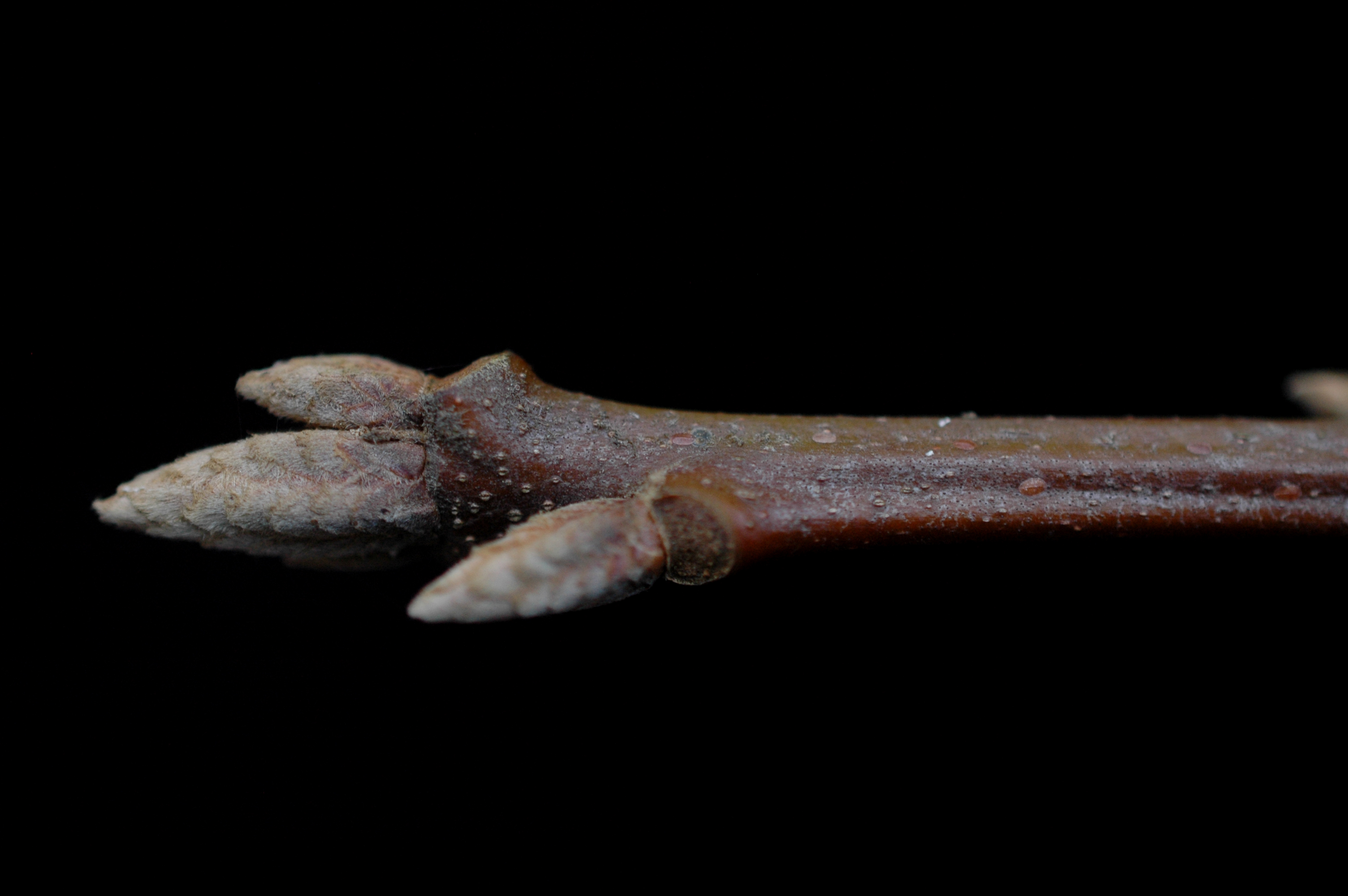
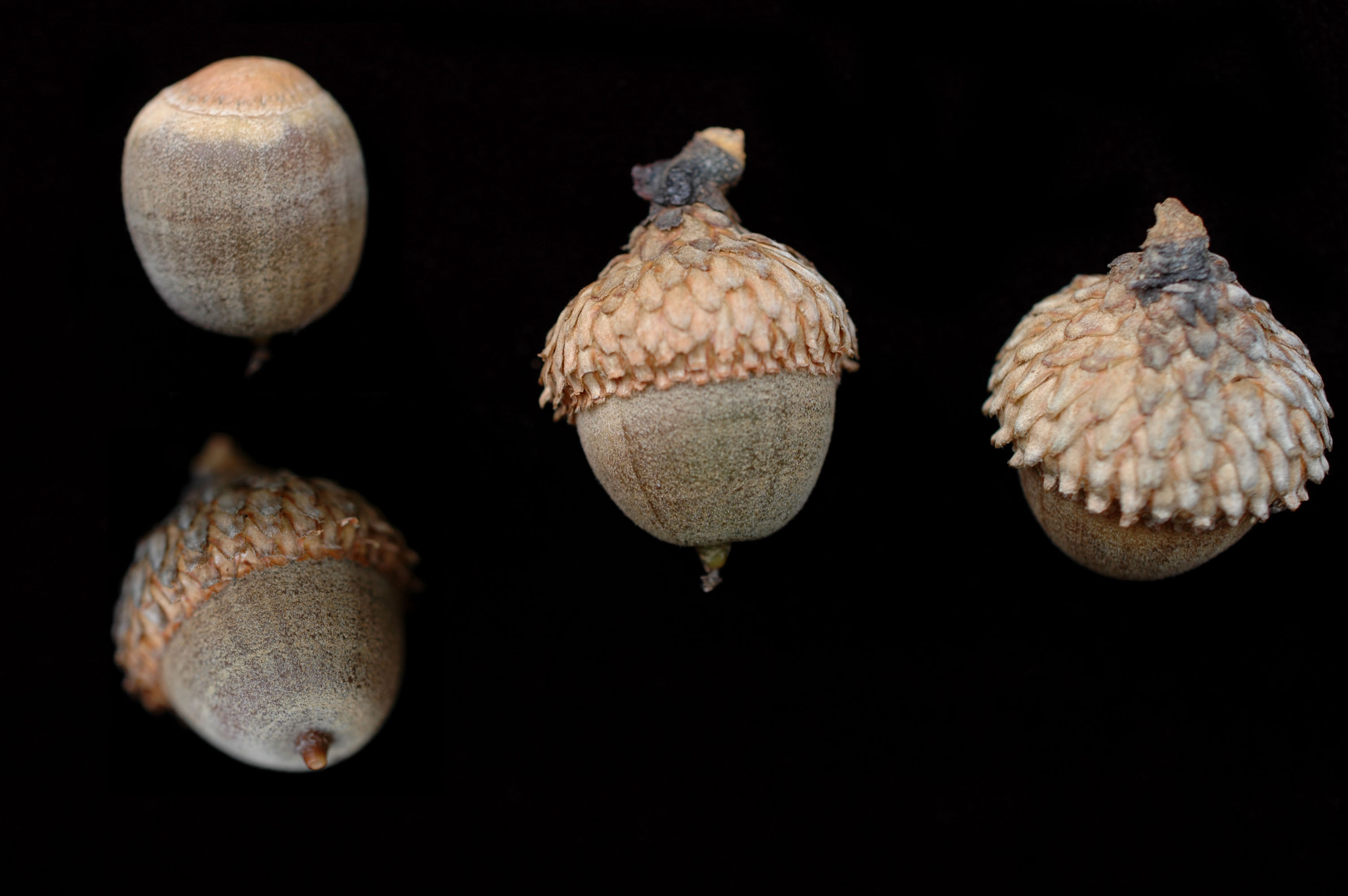
Black Oak
Quercus velutina
- Native to:
- Canada, United States, Virgin Islands
Willow
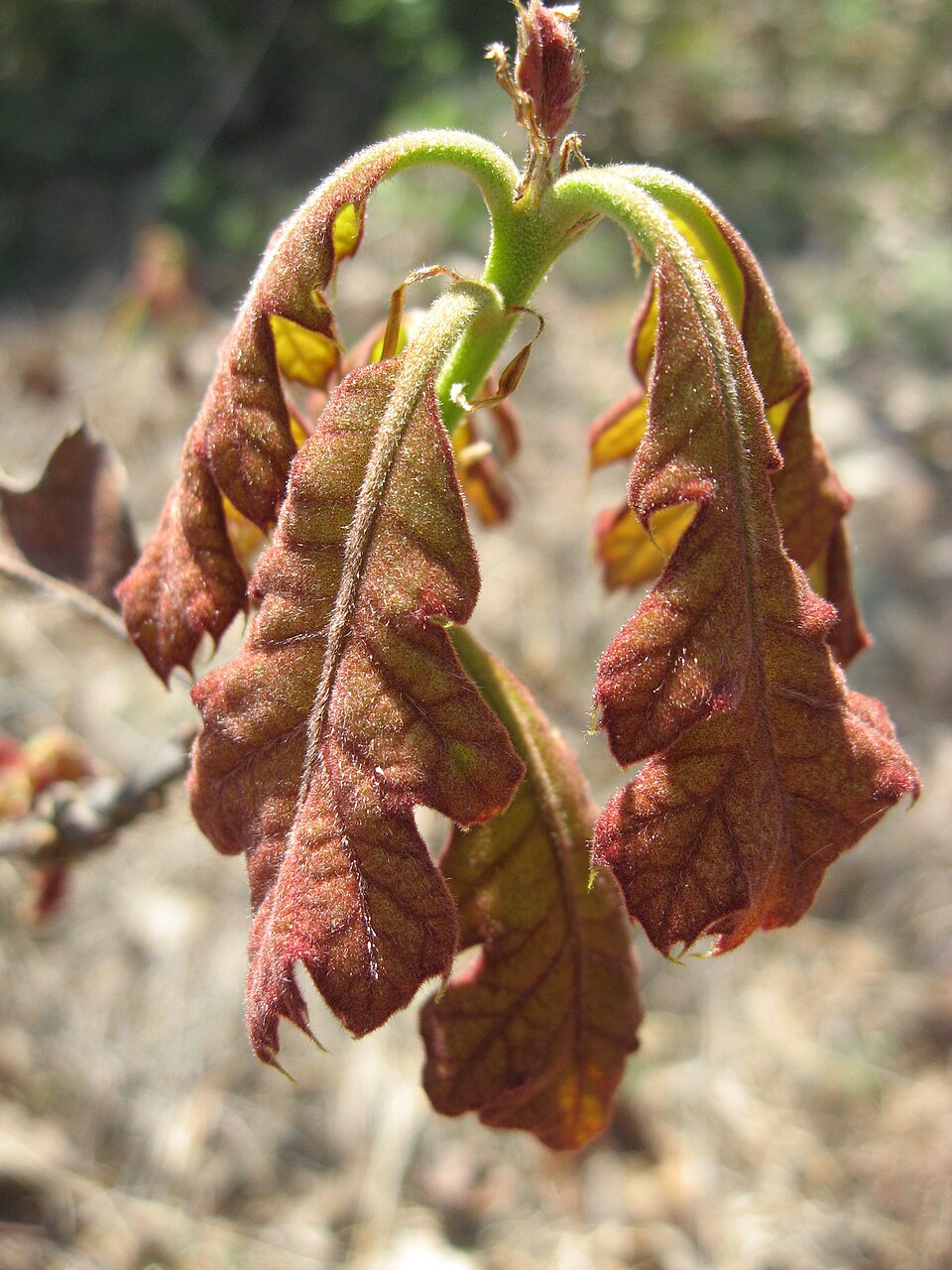
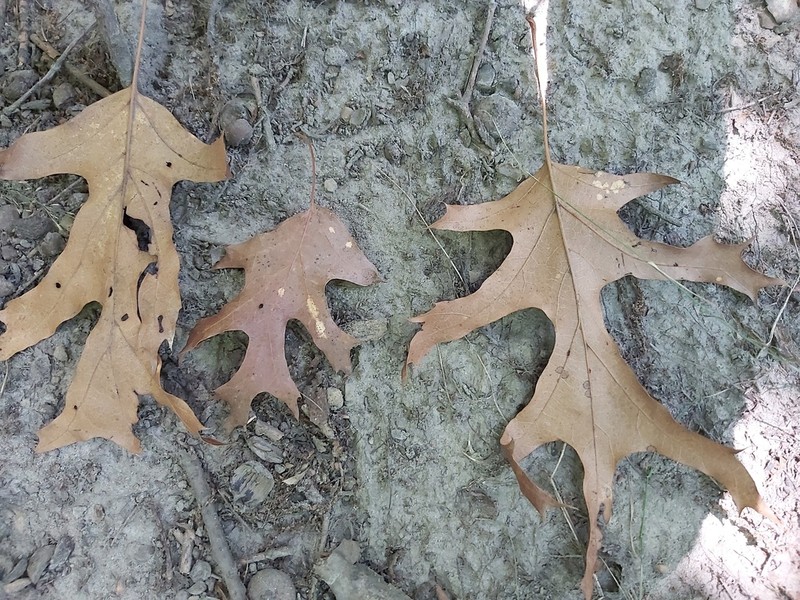
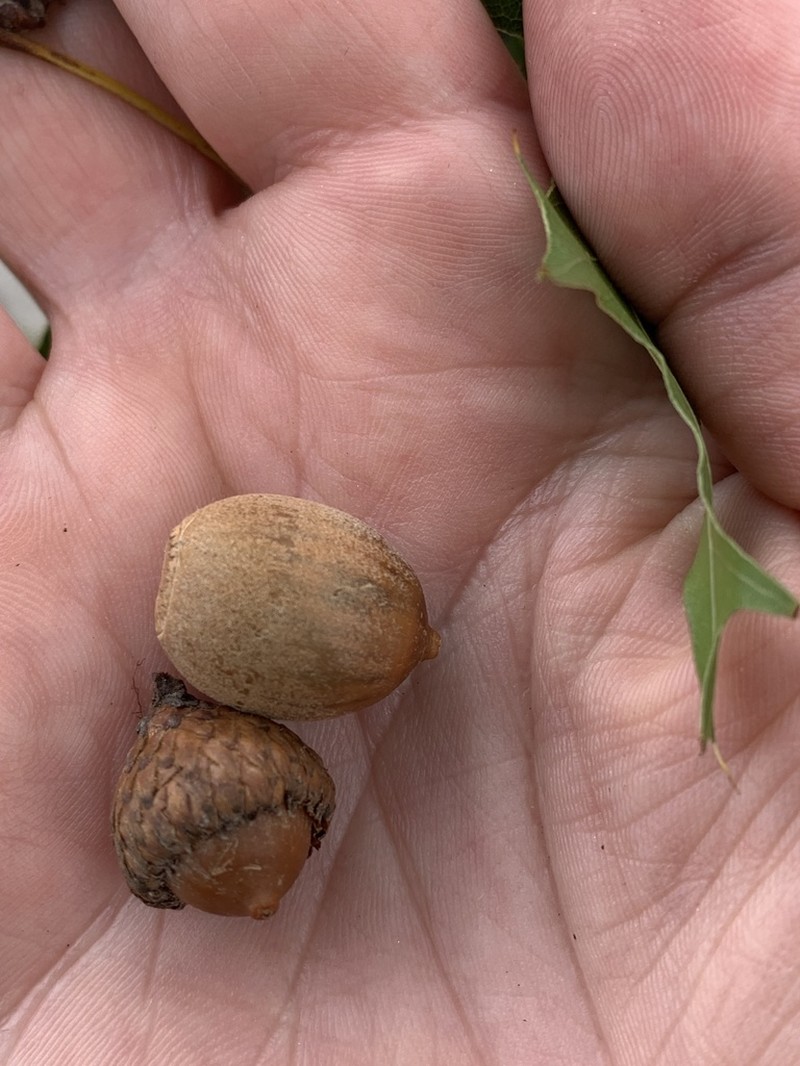
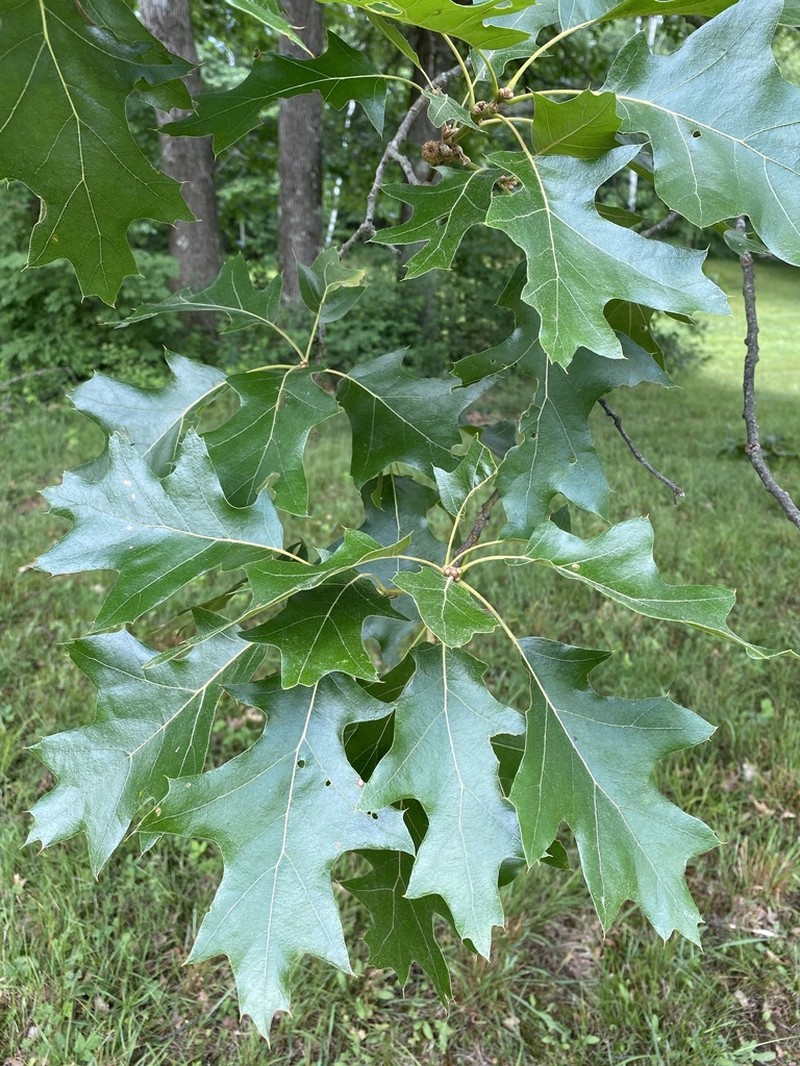
Taxonomy
- Division:
- Magnoliophyta | - Flowering plants
- Family:
- Fagaceae
- Genus:
- Quercus
- Species:
- Quercus velutina
- USDA Symbol:
- QUVE
Growth Characteristics
- Life Cycle:
- Perennial
- Growth Habit:
- Tree
- Height:
- 3000 cm
- Light Requirements:
- Full Sun,Part Shade
- Drought Tolerance:
- Medium
- Bloom Months:
- apr,may
- Bloom Colors:
- yellow-green
Wildlife Benefits
- Bees:
- ★☆☆☆☆ Documented bee visitation (GBIF)
- Butterflies & Moths:
- ★★★★★ Documented Lepidoptera association (GBIF)
- Caterpillars:
- ★★★★☆ Recorded caterpillar host plant (HOSTS Database)
- Hummingbirds:
- ★☆☆☆☆ Documented hummingbird visits (GBIF)
Keystone Species Ranking
- Caterpillar Keystone:
- ★★★★★ Butterfly & moth species supported by this genus (NWF)
Host Plant for Caterpillars
American Dagger Moth (Acronicta americana), Automeris zephyria, Banded Tussock Moth (Halysidota tessellaris), Buck Moth (Hemileuca maia), California oakworm (Phryganidia californica), Cameraria bethunella, Cameraria fasciella, Cameraria obstrictella, Cameraria ulmella, Confused Morrisonia (Morrisonia confusa), Copper Underwing (Amphipyra pyramidoides), Curve-toothed geometer (Eutrapela clemataria), Eastern Tent Caterpillar (Malacosoma americana), elm spanworm moth (Ennomos subsignaria), Filbertworm (Cydia latiferreana), Forest Tent Caterpillar (Malacosoma disstria), Girlfriend Underwing (Catocala amica), Greater Red Dart (Abagrotis alternata), Gypsy moth (Lymantria dispar), Hethemia pistasciaria, Ilia Underwing (Catocala ilia), Io moth (Automeris io), Lithophane laticinerea, maple trumpet skeletonizer (Catastega aceriella), maple webworm moth (Pococera asperatella), Meganola spodia, Morrisonia latex, Nason's slug moth (Natada nasoni), oak blotch miner moth (Tischeria quercitella), Orange-tipped oakworm moth (Anisota senatoria), Oslar's oakworm moth (Anisota oslari), Perimede erransella, Phyllonorycter aeriferella, Phyllonorycter basistrigella, Phyllonorycter quercialbella, Pink-striped oakworm moth (Anisota virginiensis), Polyphemus moth (Antheraea polyphemus), prudent trypanisma moth (Trypanisma prudens), Rosy Maple Moth (Dryocampa rubicunda), Scalloped sack-bearer (Lacosoma chiridota), spotted oakworm moth (Anisota stigma), Spotted Tussock Moth (Lophocampa maculata), Spring cankerworm (Paleacrita vernata), White-blotched Heterocampa (Heterocampa umbrata), Yellownecked caterpillar (Datana ministra), Yellowstriped oakworm moth (Anisota peigleri), Eastern Tiger Swallowtail (Papilio glaucus), Edwards' hairstreak (Satyrium edwardsii), Horace's Duskywing (Erynnis horatius), Juvenal's Duskywing (Erynnis juvenalis), Red-spotted Purple (Basilarchia arthemis)
Reported Fauna Sightings
Hummingbirds: Ruby-throated Hummingbird (Archilochus colubris) Moths:Agonopterix robiniella, Apoda biguttata, Bent-winged Owlet Moth (Bleptina caradrinalis), Cenopis niveana, Cenopis pettitana, Coptotriche castaneaeella, Cosmia calami, Dead-wood Borer Moth (Scolecocampa liburna), Diathrausta Lederer, Eudrepanulatrix rectifascia, Eugonobapta nivosaria, Eulithis Hübner, Filbertworm (Cydia latiferreana), Gluphisia septentrionis, Gypsy moth (Lymantria dispar), hickory leafroller moth (Argyrotaenia juglandana), Idia diminuendis, Iridopsis ephyraria, Judith's Underwing (Catocala judith), Large Lace-border (Scopula limboundata), Macaria pustularia, Macaria subcessaria, marbled dagger moth (Acronicta marmorata), Merry Melipotis (Melipotis jucunda), oak blotch miner moth (Tischeria quercitella), oak leafroller (Archips semiferanus), oak leafroller (Acleris semipurpurana), oak leafroller moth (Argyrotaenia quercifoliana), Orange-tipped oakworm moth (Anisota senatoria), Pacific tent caterpillar (Malacosoma constricta), Painted Lichen Moth (Hypoprepia fucosa), Pink Prominent (Hyparpax aurora), Polyphemus moth (Antheraea polyphemus), Pubitelphusa latifasciella, Sabulodes edwardsata, Schizura ipomaeae, White-dotted Prominent (Nadata gibbosa), Yellow-shouldered Slug Moth (Lithacodes fasciola), Yellow-spotted Renia (Renia flavipunctalis)
Garden & Ecology Notes
- Wildlife Value:
- birds, mammals, butterflies
- Fall Color:
- red, orange, brown
- Fire Ecology:
- Fire adapted — tolerates or benefits from fire
- Fire Notes:
- Thick bark provides some fire resistance; can resprout after low-severity fire.
Soil Requirements
- Soil Type:
- sandy, acidic, nutrient-poor soil
- pH:
- 4.5 - 6.5 (acidic to slightly acidic)
- Drainage:
- excellent drainage required
- Moisture:
- dry to moderate
- Notes:
- Prefers upland areas with well-drained soils
Propagation & Germination
- Stratification:
- Cold/moist stratification required — 30–60 days
- Germination Time:
- 30–90 days
- Notes:
- Seeds require cold stratification for 30-60 days; sow in fall or after stratification in spring.
Pre-treatment: Seeds are placed in cold moist stratification for 90 days or sown within a day or two after processing. Fall sown acorns need to be protected from birds and rodents.
Establishment: Seeds are purchased from local people who collect within a 50 mile radius of the nursery. Seeds are wild collected during fall months and are kept separated according to site, elevation and source. Germination can occur under greenhouse temperatures.
Source: npn.rngr.net
Where to Buy
Nationwide Seller
- Sheffield's Seed (seeds)
- Native Plants Nursery (nursery)