
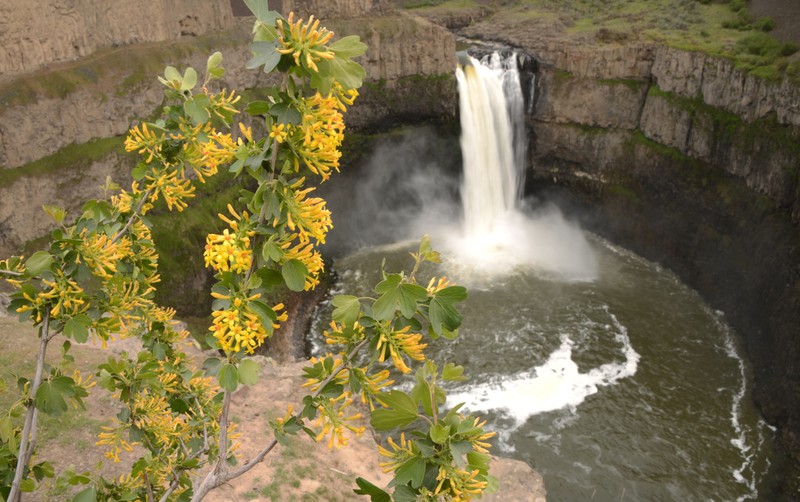
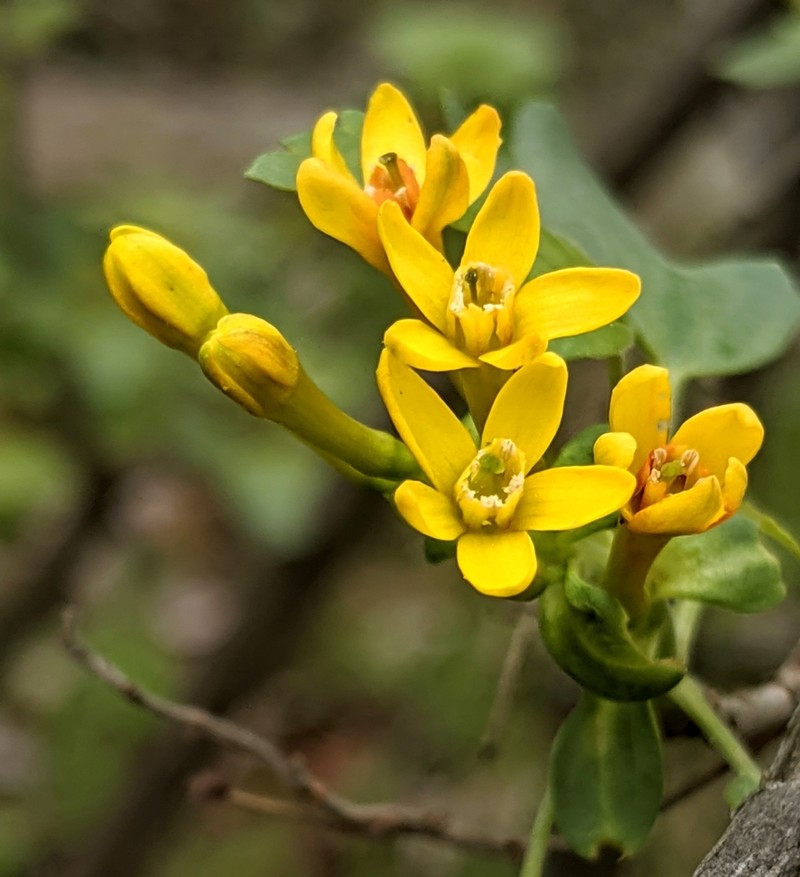
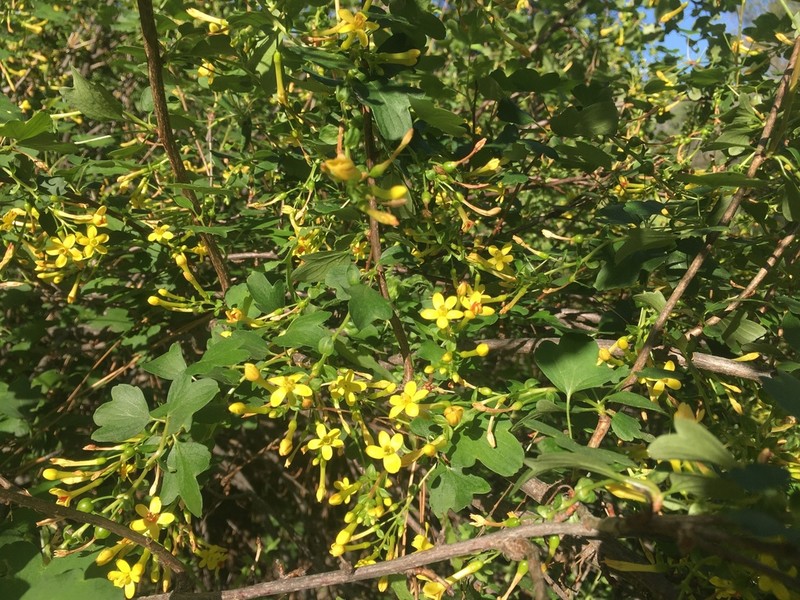
Golden Currant
Ribes aureum
- Native to:
- United States
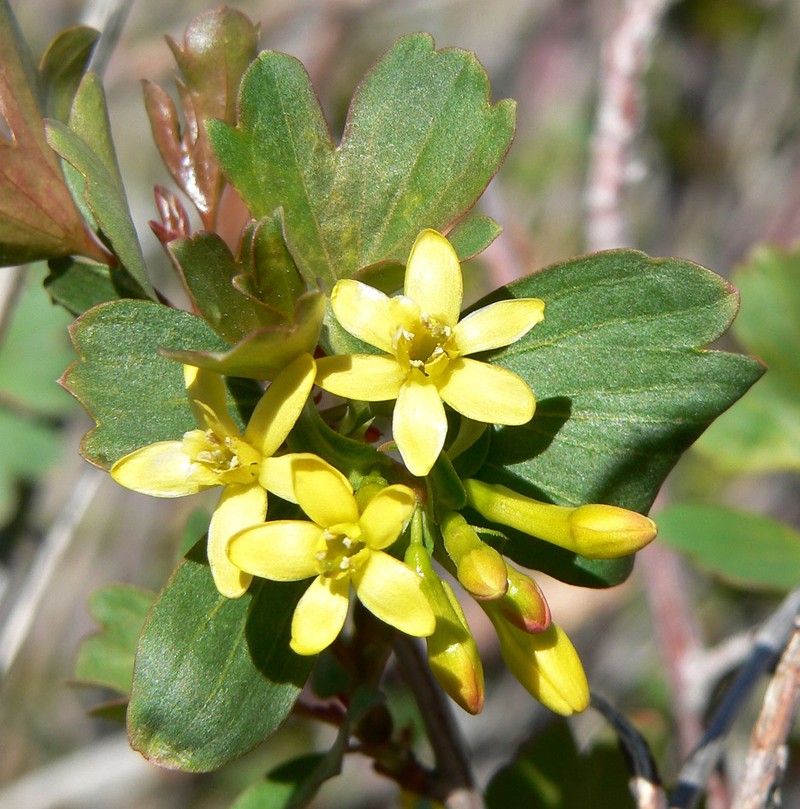
Stan Shebs
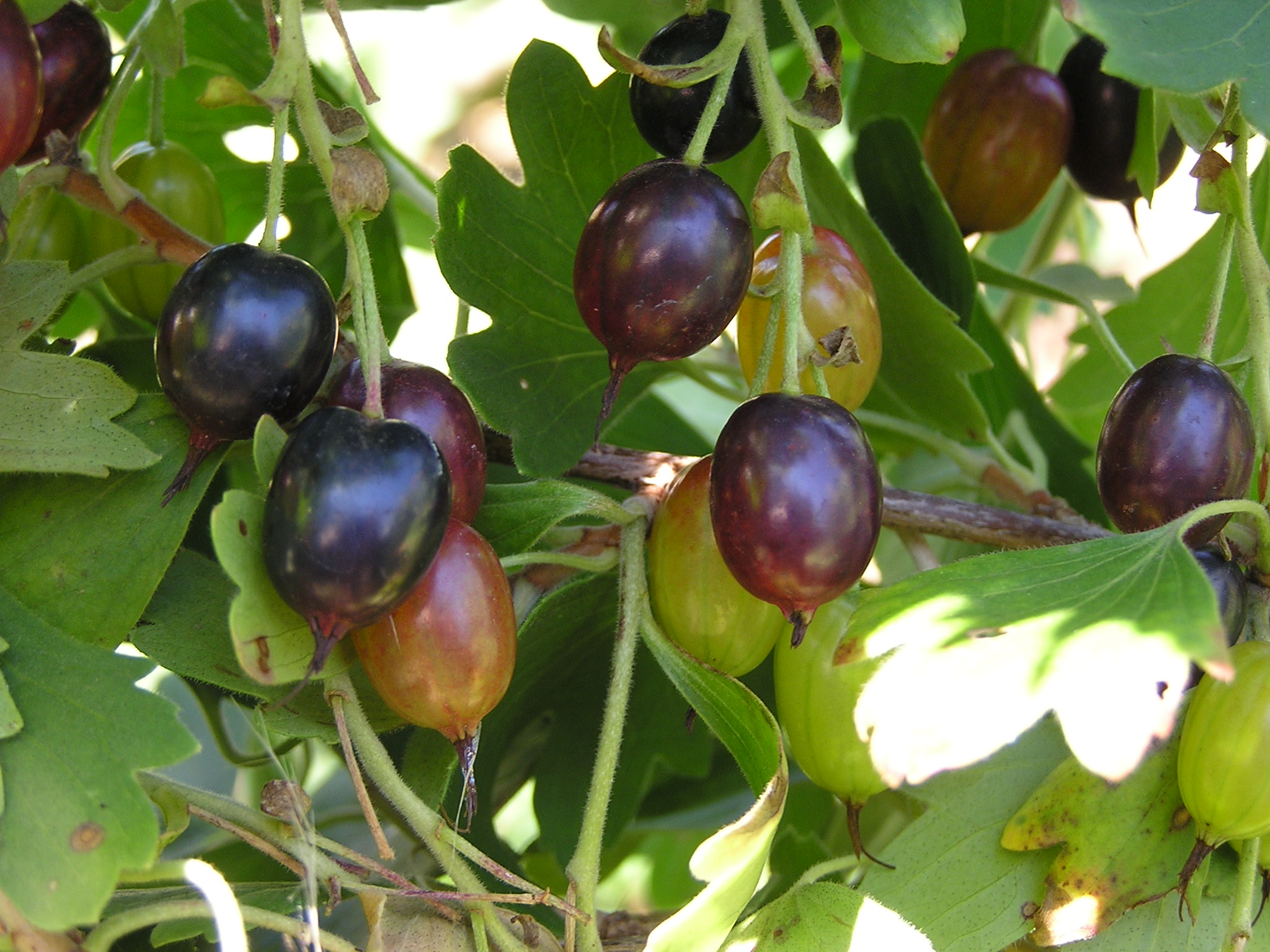
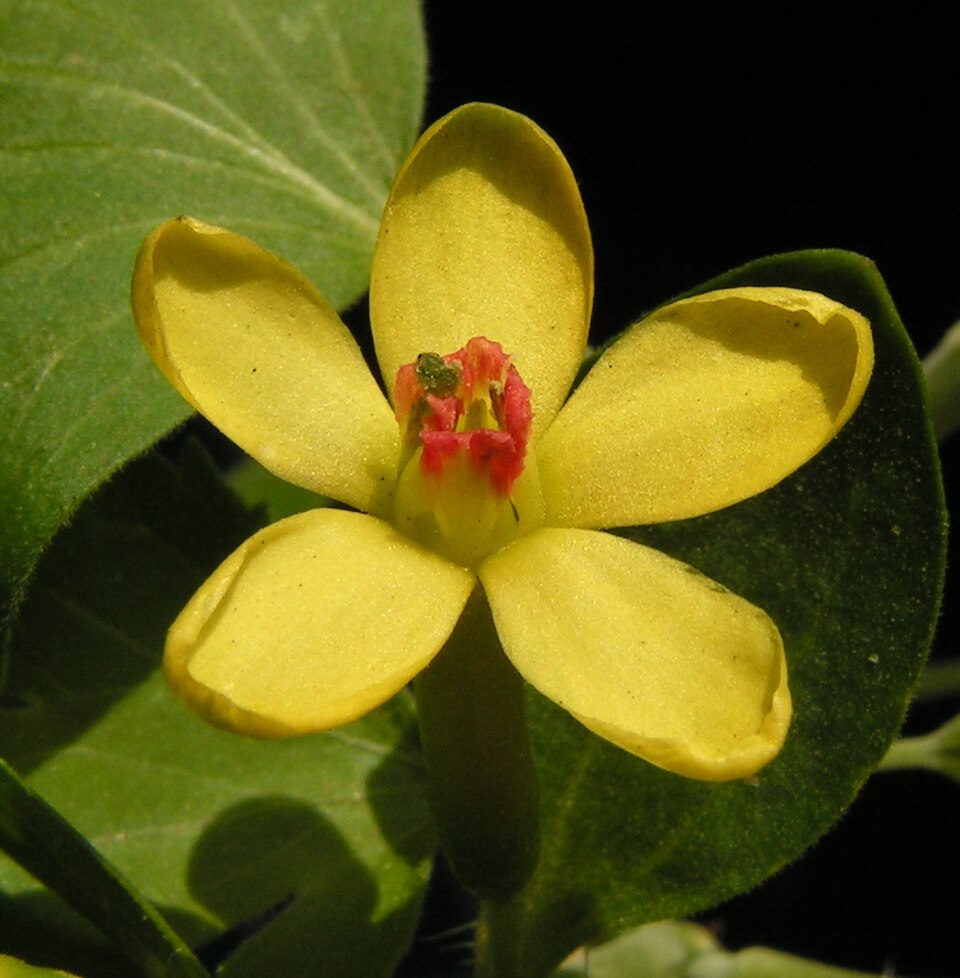
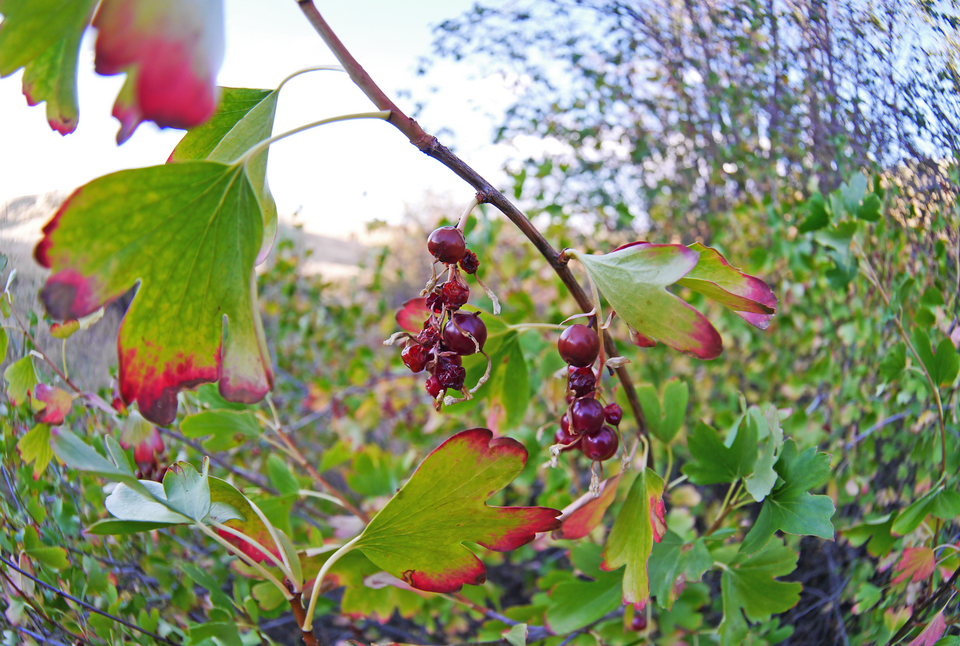
Taxonomy
- Division:
- Magnoliophyta | - Flowering plants
- Family:
- Grossulariaceae
- Genus:
- Ribes
- Species:
- Ribes aureum
- USDA Symbol:
- RIAU
Growth Characteristics
- Life Cycle:
- Perennial
- Growth Habit:
- Shrub
- Height:
- 300 cm
- Light Requirements:
- Full Sun,Part Shade
- Drought Tolerance:
- Medium
- Bloom Months:
- mar,apr,may
- Bloom Colors:
- yellow
- Landscaping Shrub:
- Yes
Wildlife Benefits
- Bees:
- ★★★☆☆ Documented bee visitation (GBIF)
- Butterflies & Moths:
- ★★★★☆ Documented Lepidoptera association (GBIF)
- Caterpillars:
- ★★☆☆☆ Recorded caterpillar host plant (HOSTS Database)
- Hummingbirds:
- ★☆☆☆☆ Documented hummingbird visits (GBIF)
Host Plant for Caterpillars
Abagrotis nefascia, California Tussock Moth (Leptarctia californiae), Crocus Geometer (Xanthotype sospeta), Decodes asapheus, Filatima prognosticata, Isabella tiger moth (Pyrrharctia isabella), Itame occiduaria, Itame ribearia, Neoterpes trianguliferata, Peppered Moth (Biston betularia), Western tent caterpillar (Malacosoma californica), Tharsalea arota
Reported Fauna Sightings
Bees: Anthophora pacifica, Brown-belted bumble bee (Bombus griseocollis), Melecta separata, ⚠️Western honey bee (Apis mellifera), Yellow bumble (Bombus fervidus), Yellow-faced bumble (Bombus vosnesenskii) Hummingbirds: Allen's Hummingbird (Selasphorus sasin), Anna's Hummingbird (Calypte anna), Broad-tailed Hummingbird (Selasphorus platycercus), Rufous Hummingbird (Selasphorus rufus) Moths:Western tent caterpillar (Malacosoma californica), White-lined sphinx moth (Hyles lineata) Butterflies:Eastern Tiger Swallowtail (Papilio glaucus), Small White (Pieris rapae)
Garden & Ecology Notes
- Wildlife Value:
- birds, butterflies, small mammals
- Fragrant:
- Yes
- Fall Color:
- red, orange
Soil Requirements
- Soil Type:
- rich, well-drained loamy soil
- pH:
- 6.0 - 8.0 (slightly acidic to neutral)
- Drainage:
- good drainage required
- Moisture:
- dry to moderate
- Notes:
- prefers areas with seasonal moisture availability
Propagation & Germination
- Stratification:
- Cold/moist stratification required — 60–90 days
- Germination Time:
- 30–60 days
- Notes:
- Seeds benefit from cold stratification for 60-90 days to break dormancy.
Pre-treatment: Seeds are either placed in cold moist stratification for 60 days or stratified naturally by planting them in the fall in a thin layer of sand on mulched field beds.
Establishment: Seeds are wild collected during fall months and are kept separated according to site, elevation and source. R. aureum is found in various habitats from British Columbia to California east to Saskatchewan and South Dakota and through the Rocky mountains to New Mexico.
Source: npn.rngr.net
Where to Buy
Nationwide Seller
- Native Seed Group (seeds)
- Butterfield Seeds (seeds)
- Bamert Seed (seeds)
- Sheffield's Seed (seeds)