
Wax Currant
Ribes cereum
- Native to:
- Canada, Mexico, United States
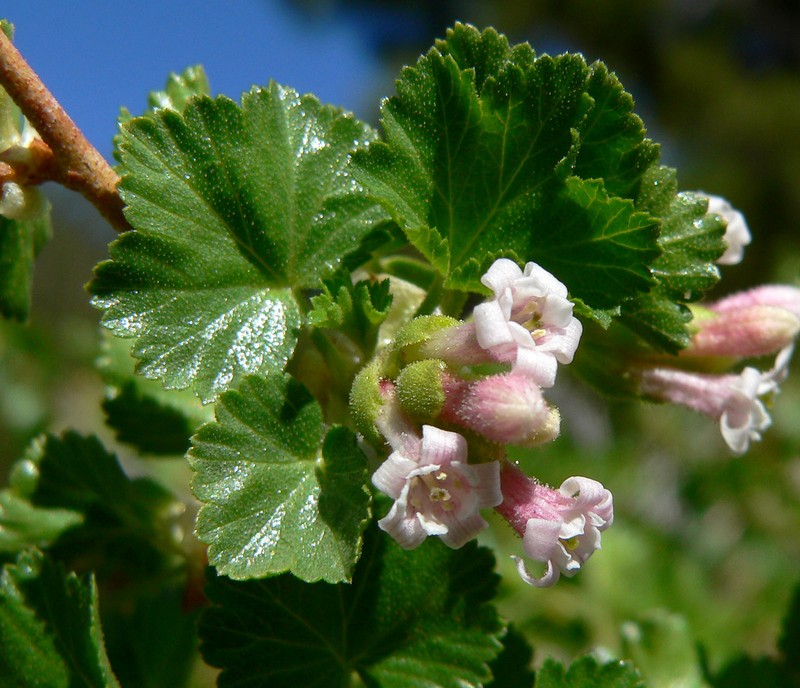
Stan Shebs
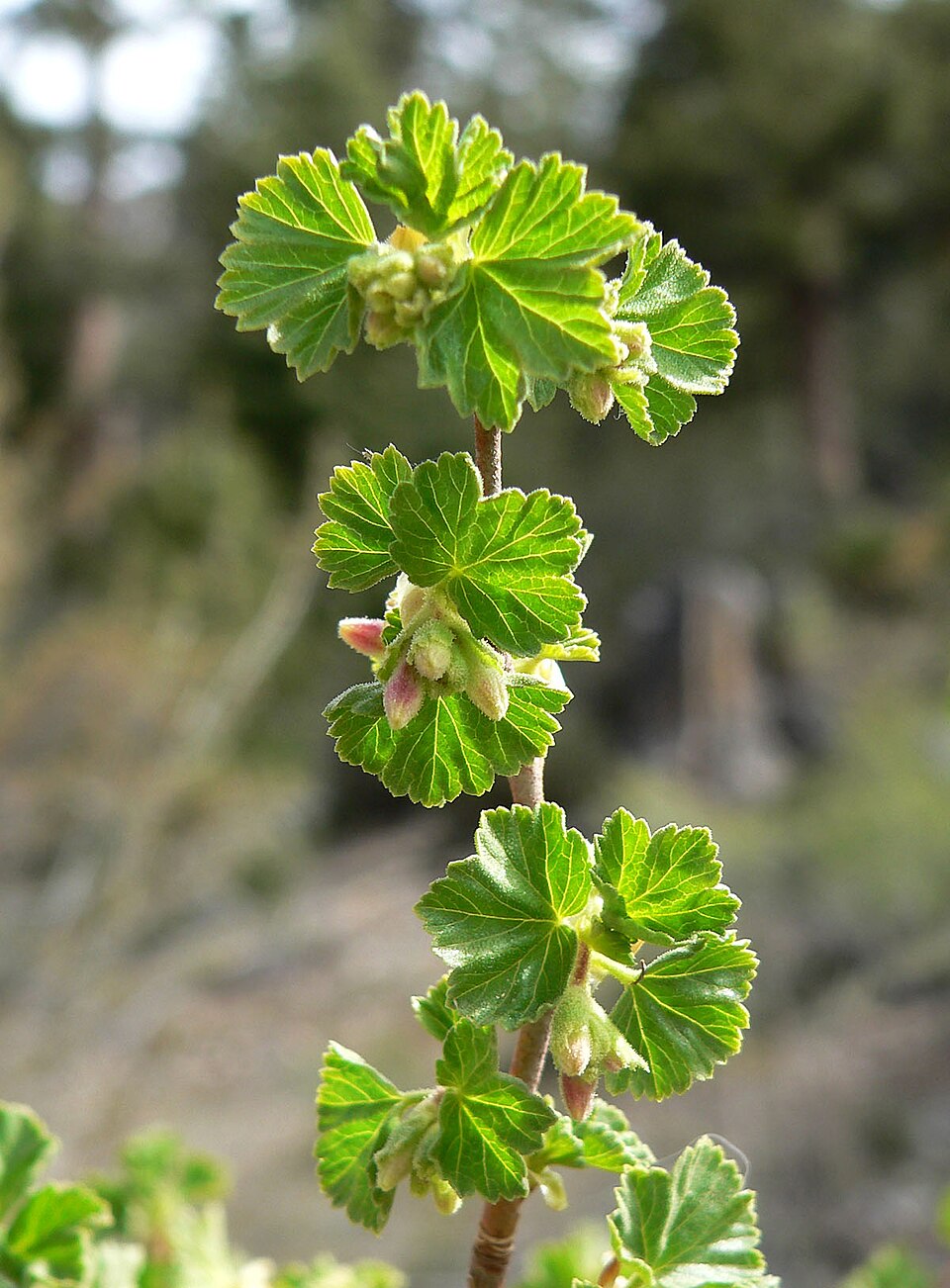
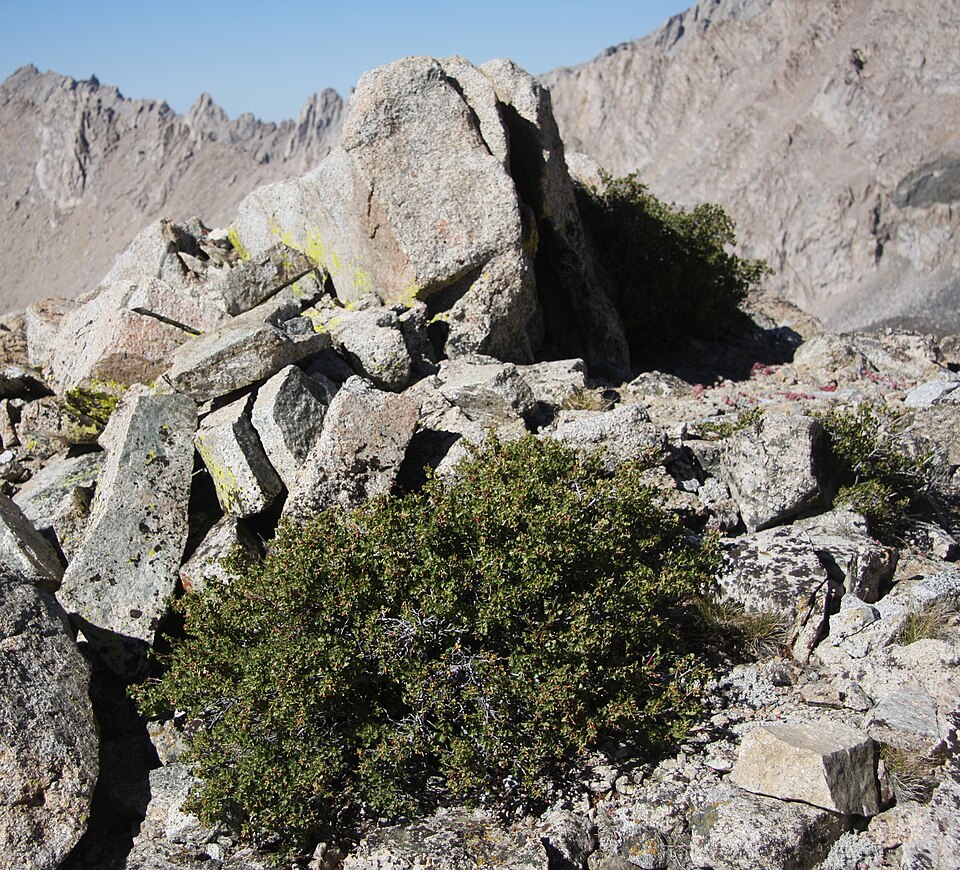
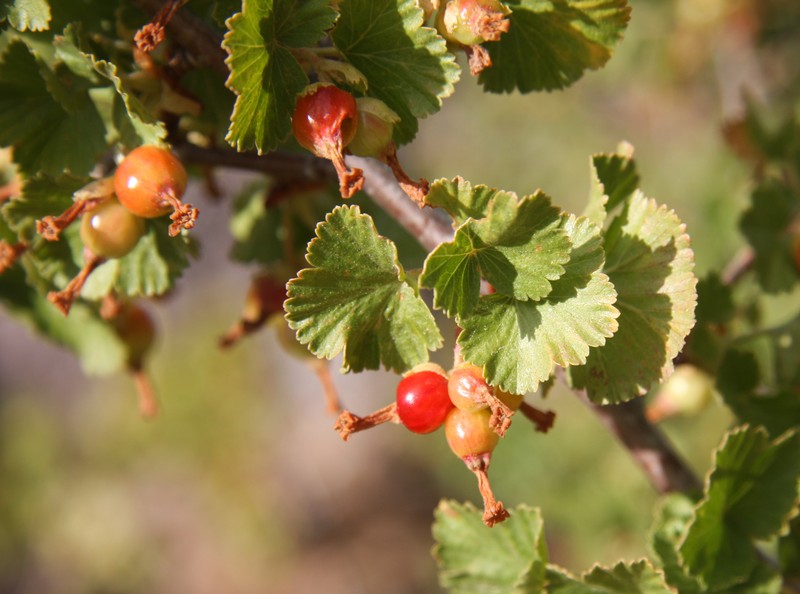
Taxonomy
- Division:
- Magnoliophyta | - Flowering plants
- Family:
- Grossulariaceae
- Genus:
- Ribes
- Species:
- Ribes cereum
- USDA Symbol:
- RICE
Growth Characteristics
- Life Cycle:
- Perennial
- Growth Habit:
- Shrub
- Height:
- 200 cm
- Light Requirements:
- Full Sun,Part Shade
- Drought Tolerance:
- High
- Bloom Months:
- apr,may,jun
- Bloom Colors:
- white, pink
- Landscaping Shrub:
- Yes
Wildlife Benefits
- Bees:
- ★★★☆☆ Documented bee visitation (GBIF)
- Butterflies & Moths:
- ★★★★★ Documented Lepidoptera association (GBIF)
- Caterpillars:
- ★★☆☆☆ Recorded caterpillar host plant (HOSTS Database)
Host Plant for Caterpillars
Reported Fauna Sightings
Garden & Ecology Notes
- Wildlife Value:
- birds, small mammals
- Fall Color:
- red, orange
- Fire Ecology:
- Fire adapted — tolerates or benefits from fire
- Fire Notes:
- Resprouts from root crown after fire; adapted to frequent low-severity fires.
Soil Requirements
- Soil Type:
- sandy, well-drained, nutrient-poor soil
- pH:
- 6.0 - 8.0 (slightly acidic to neutral)
- Drainage:
- excellent drainage required
- Moisture:
- dry to moderate
- Notes:
- Common in rocky, arid regions; tolerates drought
Propagation & Germination
- Stratification:
- Cold/moist stratification required — 60–90 days
- Germination Time:
- 30–60 days
- Notes:
- Seeds benefit from cold stratification for 60-90 days to break dormancy.
Pre-treatment: Seeds are soaked for 4 hours in 3% hydrogen peroxide and then stratified for 120 days at 3 to 5 C. Alternatively, fresh seeds can be stratified for 12 weeks or older seeds for 25 weeks. Some seeds may benefit from wet tumbling and/or leaching of germination inhibitors.
Establishment: Germination occurs during the stratification period, especially in the later stages. After 60 days of stratification, seeds are checked every other week, and germinants are removed and transplanted. Removing germinants frequently helps to reduce fungal build up in the seed lot during the remainder of stratification, and increases the survival odds for those seeds germinating during stratification. Some protocols suggest the use of rooting hormone for pre-treatment.
Source: npn.rngr.net
ORGHPS Germination Guide: Expose to fluctuation outdoor winter temperatures including freezing for 3 months. Gradually increase light and temperature in the spring. Germination is improved by using GA3. Pulpy coat inhibits germination. Remove by soaking and rinsing in clean water for approximately 7 days. Discard water. * poor germination
Where to Buy
Nationwide Seller
- Butterfield Seeds (seeds)
- Native Seed Group (seeds)
- Sheffield's Seed (seeds)