
Prickly Currant
Ribes lacustre
- Native to:
- Canada, Labrador, Prince Edward I., United States, Virgin Islands
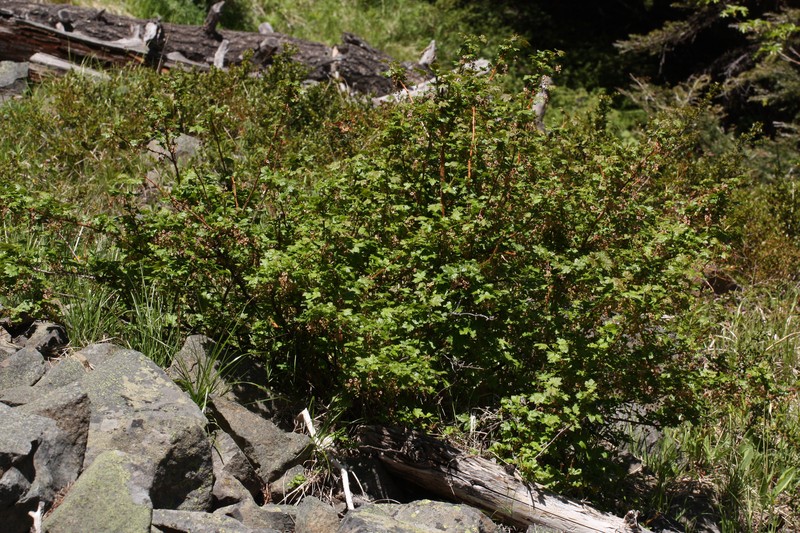
Walter Siegmund (talk)
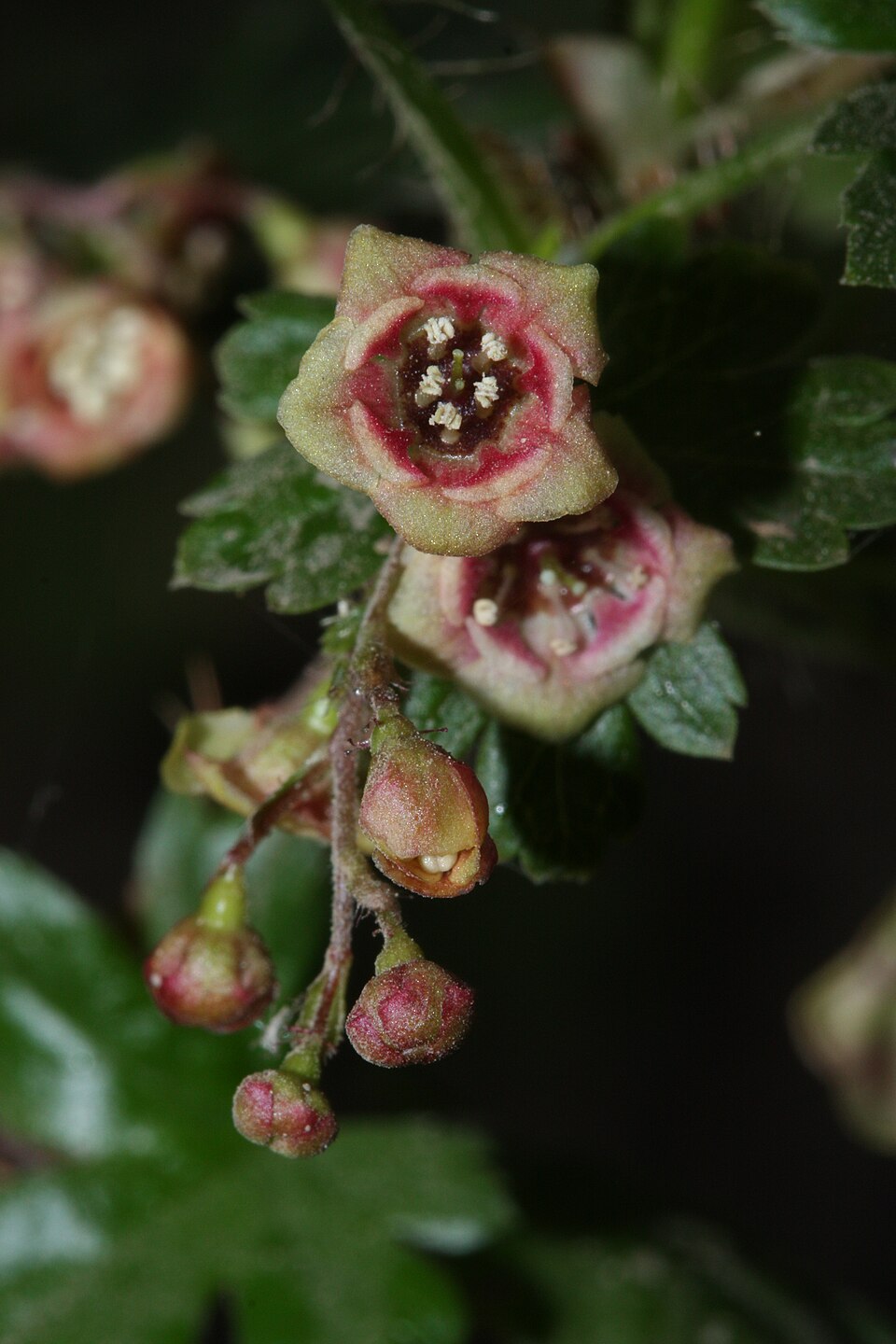
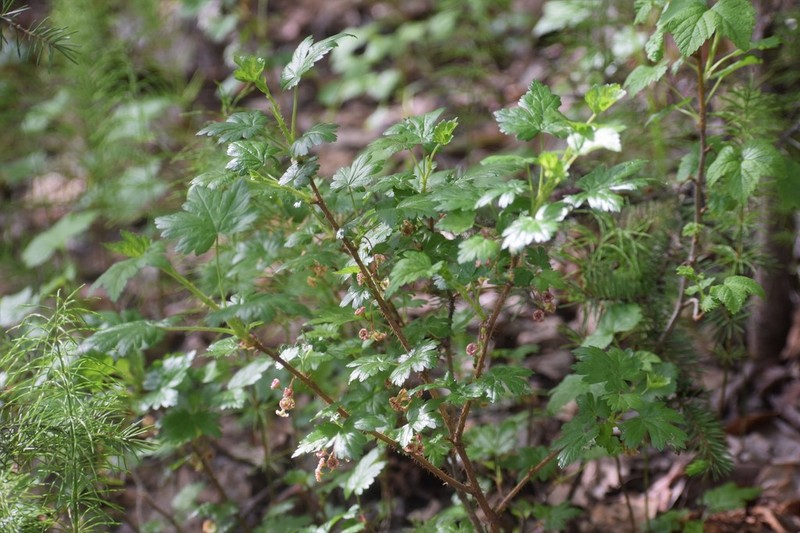
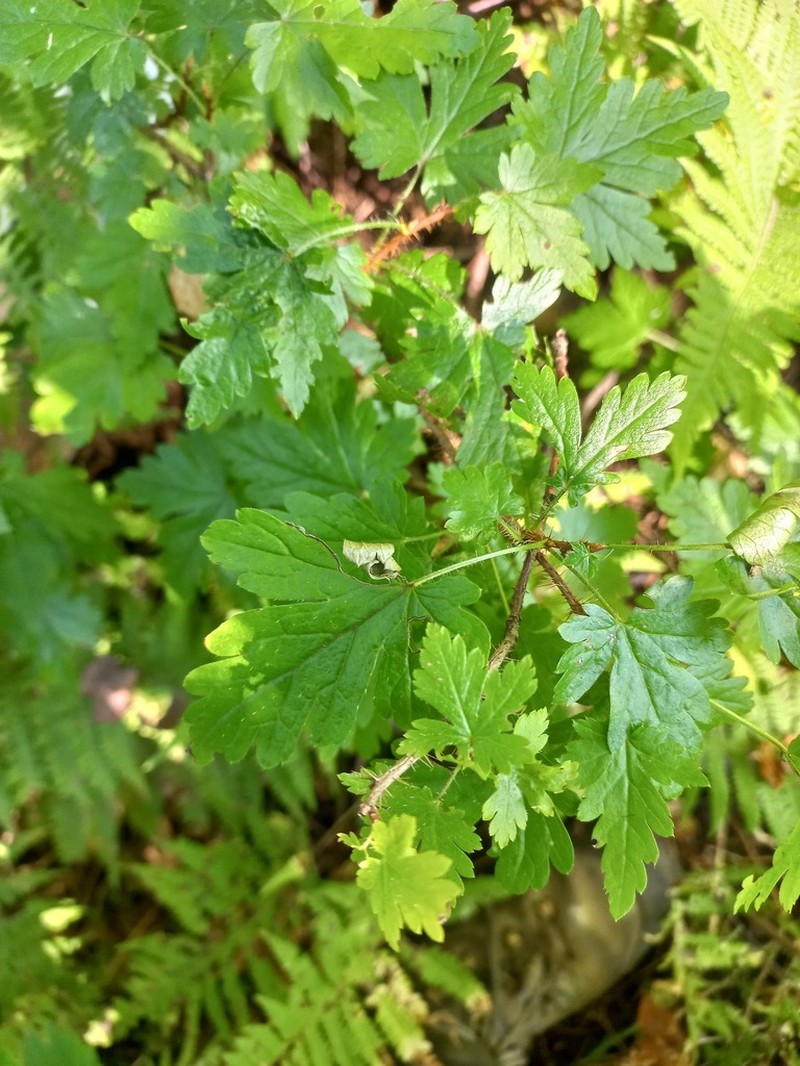
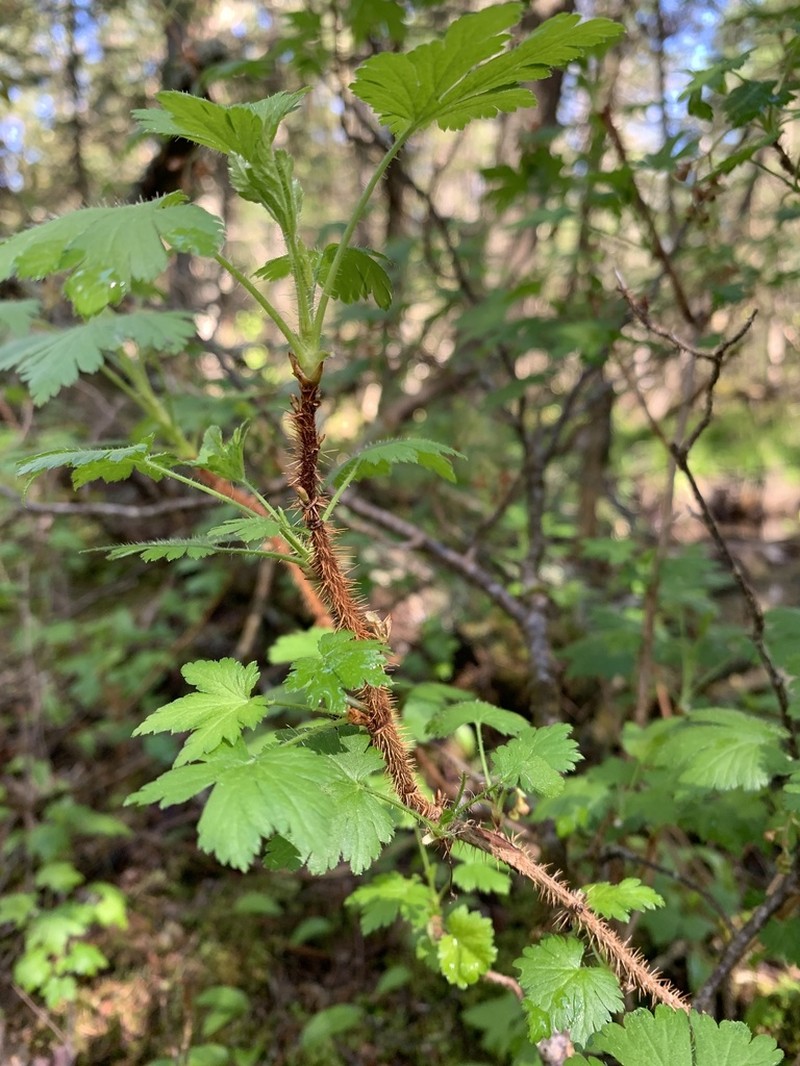
Taxonomy
- Division:
- Magnoliophyta | - Flowering plants
- Family:
- Grossulariaceae
- Genus:
- Ribes
- Species:
- Ribes lacustre
- USDA Symbol:
- RILA
Growth Characteristics
- Life Cycle:
- Perennial
- Growth Habit:
- Shrub
- Height:
- 150 cm
- Light Requirements:
- Full Sun,Part Shade,Shade
- Drought Tolerance:
- Low
- Bloom Months:
- apr,may,jun
- Bloom Colors:
- greenish, purple
Wildlife Benefits
- Butterflies & Moths:
- ★☆☆☆☆ Documented Lepidoptera association (GBIF)
- Caterpillars:
- ★★★☆☆ Recorded caterpillar host plant (HOSTS Database)
Host Plant for Caterpillars
Alfalfa Looper (Autographa californica), Army cutworm (Euxoa auxiliaris), Burdock Borer (Papaipema cataphracta), clandestine dart (Spaelotis clandestina), Columbia silk moth (Hyalophora columbia), Crocus Geometer (Xanthotype sospeta), Fall webworm (Hyphantria cunea), Horned Spanworm (Nematocampa resistaria), Itame flavicaria, Itame quadrilinearia, Limbata angle moth (Nematocampa limbata), Mesothea incertata, Peppered Moth (Biston betularia), Scallop moth (Cepphis armataria), Setaceous Hebrew Character (Xestia c-nigrum), Spotted Tussock Moth (Lophocampa maculata), stalk borer moth (Papaipema nebris), Stretchia plusiiformis, Variegated cutworm (Peridroma saucia), Virginia Tiger Moth (Spilosoma virginica), Western tent caterpillar (Malacosoma californica), White-lined sphinx moth (Hyles lineata), Zelleria gracilariella, Red-spotted Purple (Basilarchia arthemis), Zephyr anglewing (Polygonia zephyrus)
Garden & Ecology Notes
- Wildlife Value:
- birds, small mammals
- Fall Color:
- red
Soil Requirements
- Soil Type:
- rich, well-drained loamy soil
- pH:
- 5.0 - 7.0 (acidic to neutral)
- Drainage:
- good drainage preferred
- Moisture:
- consistently moist
- Notes:
- thrives in forested, shaded areas
Propagation & Germination
- Stratification:
- Cold/moist stratification required — 60–90 days
- Germination Time:
- 30–60 days
- Notes:
- Seeds require cold stratification for 60-90 days to break dormancy.
Pre-treatment: Seeds are placed in cold moist stratification for 120 to 200 days or fall sown in containers to undergo a 5 month outdoor cold, moist stratification.
Establishment: R. lacustre is found from Alaska east to Newfoundland and south to California, Colorado, the Dakotas, Michigan and Pennsylvania. There is no conflicting information in the provided protocols.
Source: npn.rngr.net