
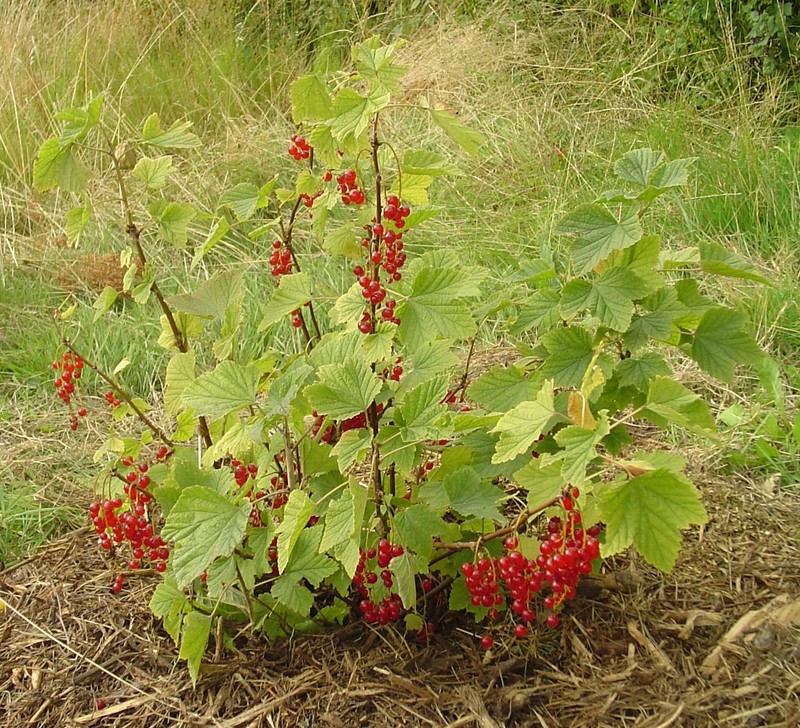
Cultivated Currant
Ribes rubrum
Taxonomy
- Division:
- Magnoliophyta | - Flowering plants
- Family:
- Grossulariaceae
- Genus:
- Ribes
- Species:
- Ribes rubrum
Growth Characteristics
- Life Cycle:
- Perennial
- Growth Habit:
- Shrub
- Height:
- 4-6 ft
- Light Requirements:
- Full Sun
- Drought Tolerance:
- High
- Bloom Months:
- mar, apr, may, jun, jul, aug
- Bloom Colors:
- pink, red, white
- Food Forest:
- Plant contains edible parts
- Landscaping Shrub:
- Yes
Native Range
United States: Connecticut, Iowa, Illinois, Massachusetts, Maryland, Maine, Michigan, Minnesota, Montana, North Carolina, New Hampshire, New Jersey, New York, Ohio, Oregon, Pennsylvania, Rhode Island, Tennessee, Virginia, Vermont, Washington, Wisconsin, West Virginia, Wyoming, Canada: British Columbia, Manitoba, New Brunswick, Nova Scotia, Ontario, Prince Edward Island, Quebec
Host Plant for Caterpillars
Alfalfa Looper (Autographa californica), Army cutworm (Euxoa auxiliaris), Brown-tail moth (Euproctis chrysorrhoea), Cecropia moth (Hyalophora cecropia), clandestine dart (Spaelotis clandestina), Columbia silk moth (Hyalophora columbia), common eupithecia (Eupithecia miserulata), Currant Clearwing (Synanthedon tipuliformis), Currant pug (Eupithecia assimilata), dark eulithis (Eulithis destinata), darksided cutworm (Euxoa messoria), Dysstroma ethela, Eastern Tent Caterpillar (Malacosoma americana), Eucosma canariana, Eupithecia anticaria, Euxoa scandens, Fall webworm (Hyphantria cunea), fruit-tree leafroller (Archips argyrospila), Gypsy moth (Lymantria dispar), Horned Spanworm (Nematocampa resistaria), Hydria undulata, impressed dagger moth (Acronicta impressa), Io moth (Automeris io), Itame bitactata, Itame flavicaria, Itame occiduaria, Itame quadrilinearia, Itame ribearia, Itame subcessaria, juniper pug (Eupithecia pusillata), Limbata angle moth (Nematocampa limbata), Linden looper (Erannis tiliaria), Olethreutes appendiceum, Olethreutes exoletum, Opostegoides scioterma, Peppered Moth (Biston betularia), Polyphemus moth (Antheraea polyphemus), Prochoerodes transversata, Scallop moth (Cepphis armataria), Setaceous Hebrew Character (Xestia c-nigrum), Spotted Tussock Moth (Lophocampa maculata), stalk borer moth (Papaipema nebris), Variegated cutworm (Peridroma saucia), Virginia Tiger Moth (Spilosoma virginica), Western tent caterpillar (Malacosoma californica), White-lined sphinx moth (Hyles lineata), Yellow-headed Cutworm (Apamea amputatrix), zebra caterpillar moth (Melanchra picta), Red-spotted Purple (Basilarchia arthemis)
Soil Requirements
- Soil Type:
- rich, well-drained loamy soil
- pH:
- 5.5 - 7.0 (slightly acidic to neutral)
- Drainage:
- good drainage required
- Moisture:
- consistently moist
- Notes:
- prefers fertile soils with organic matter