
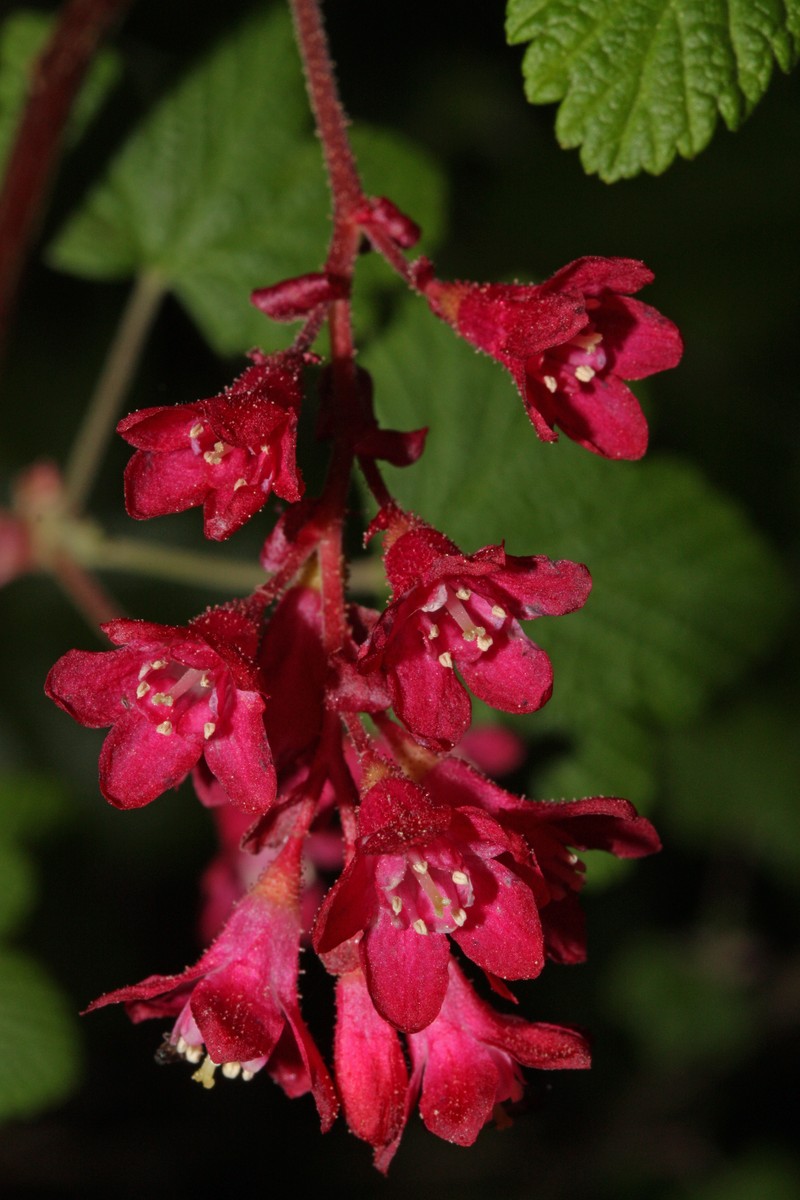
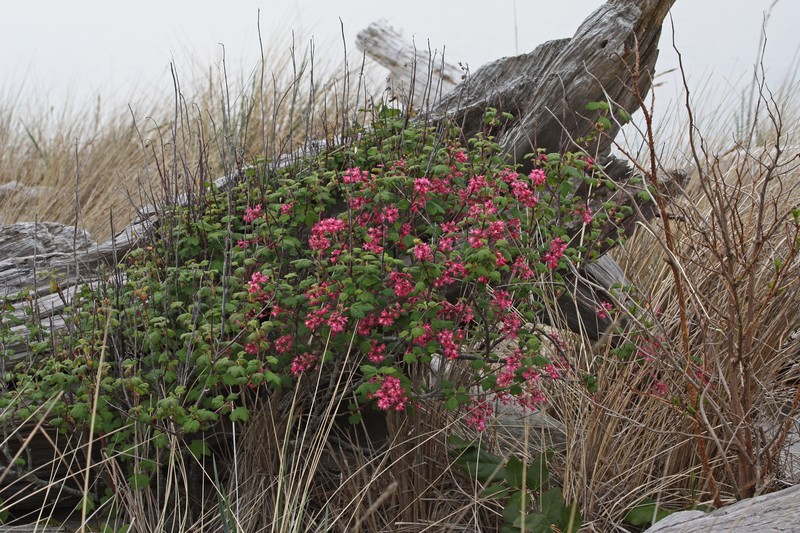
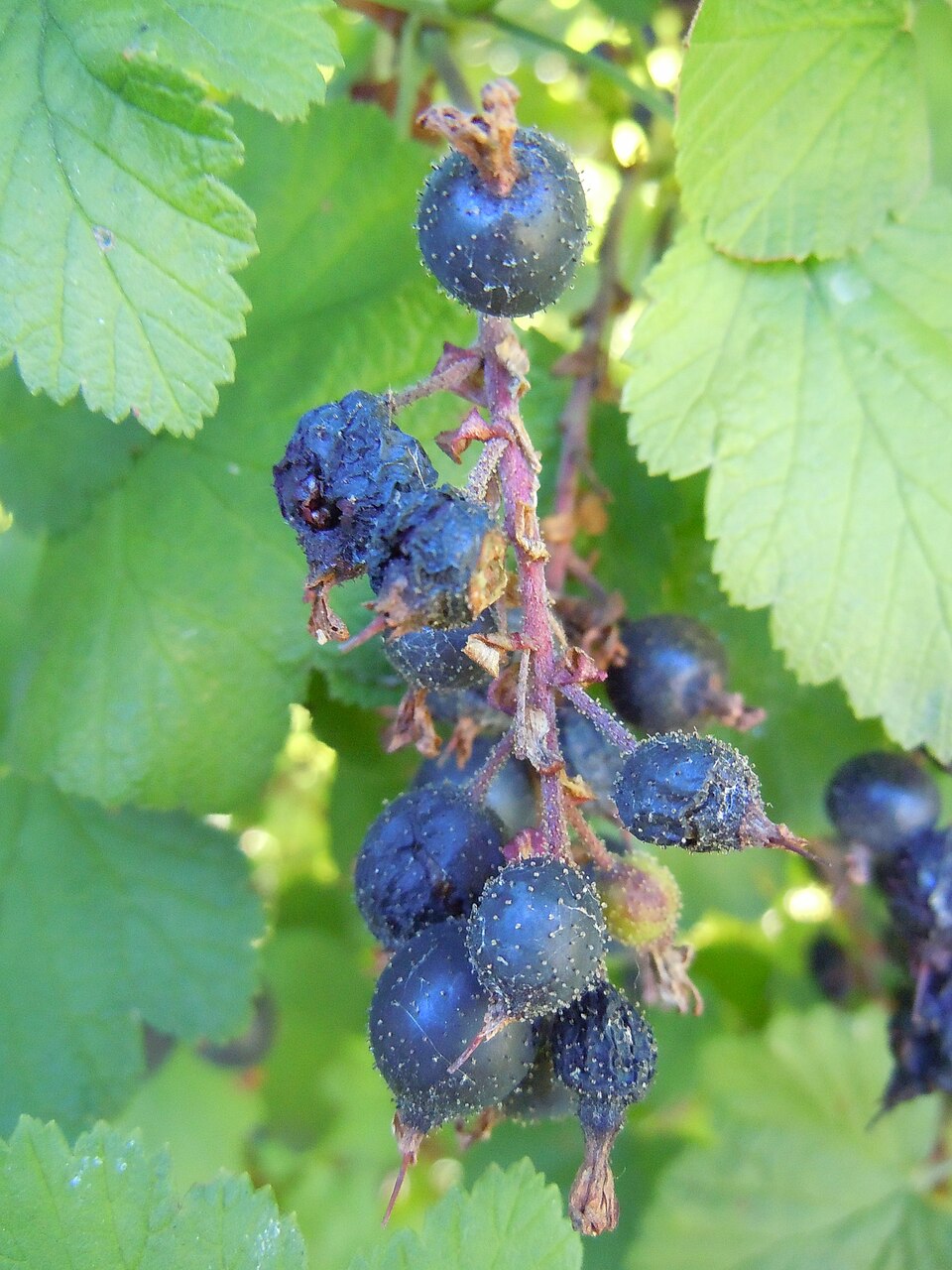
Redflower Currant
Ribes sanguineum
- Native to:
- Canada, Mexican Pacific Is., United States
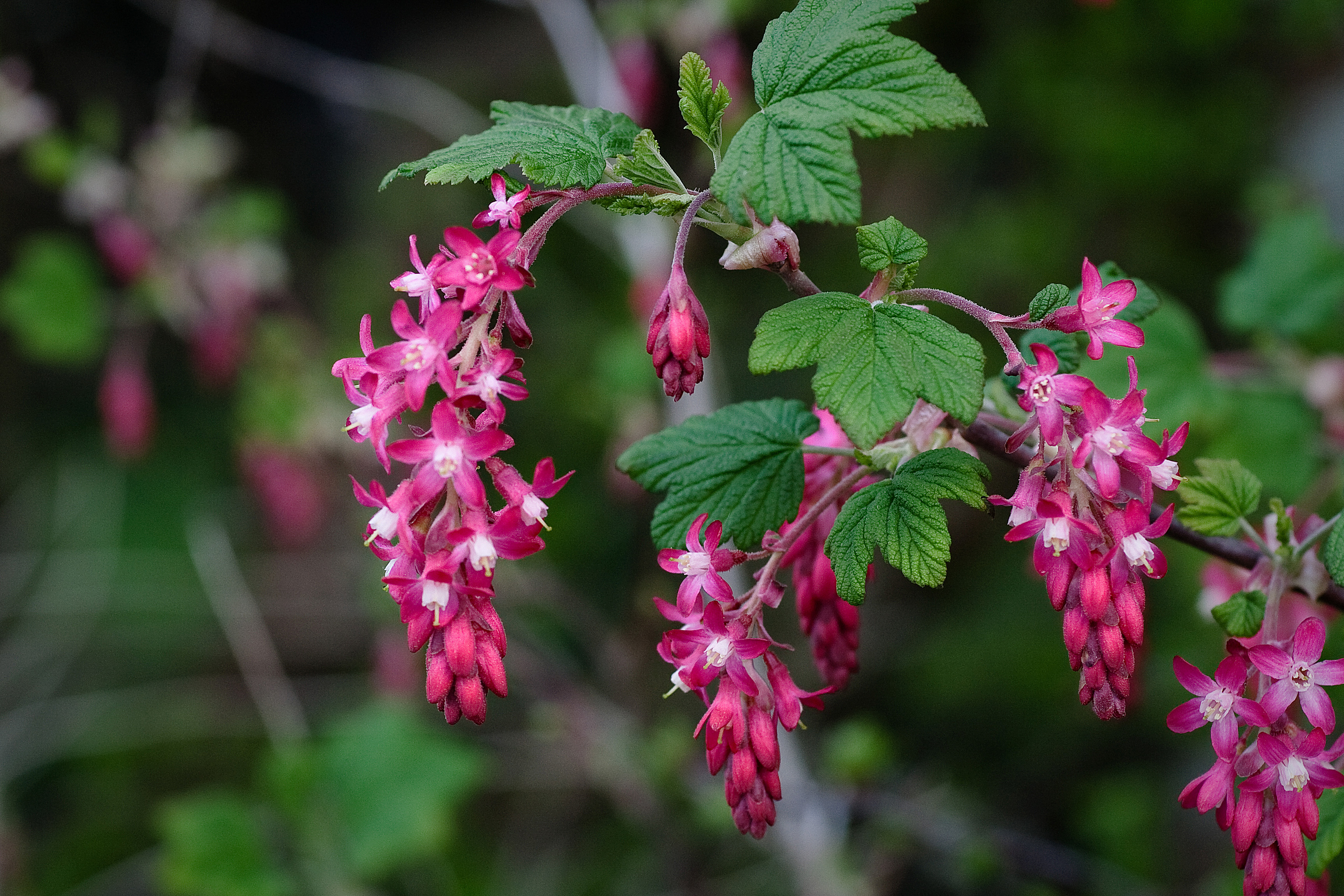
Walter Siegmund (talk)
Taxonomy
- Division:
- Magnoliophyta | - Flowering plants
- Family:
- Grossulariaceae
- Genus:
- Ribes
- Species:
- Ribes sanguineum
- USDA Symbol:
- RISA
Growth Characteristics
- Life Cycle:
- Perennial
- Growth Habit:
- Shrub
- Height:
- 300 cm
- Light Requirements:
- Full Sun,Part Shade,Shade
- Drought Tolerance:
- Medium
- Bloom Months:
- mar,apr,may
- Bloom Colors:
- pink, red
- Food Forest:
- Contains edible parts
- Landscaping Shrub:
- Yes
Wildlife Benefits
- Bees:
- ★★☆☆☆ Documented bee visitation (GBIF)
- Butterflies & Moths:
- ★☆☆☆☆ Documented Lepidoptera association (GBIF)
- Caterpillars:
- ★★★★☆ Recorded caterpillar host plant (HOSTS Database)
- Hummingbirds:
- ★☆☆☆☆ Documented hummingbird visits (GBIF)
Host Plant for Caterpillars
Acerra normalis, Agrochola pulchella, American Swordgrass Moth (Xylena nupera), Apamea castanea, Aseptis binotata, Ceanothus Silkmoth (Hyalophora euryalus), Decodes asapheus, Dimorphic Euchlaena Moth (Euchlaena mollisaria), Douglas-fir tussock moth (Orgyia pseudotsugata), Dysstroma ethela, Egira hiemalis, Eversmann's rustic (Actebia fennica), Fishia evelina, hibiscus Quaker (Orthosia hibisci), Hyppa xylinoides, Lacinipolia cuneata, Neoterpes trianguliferata, orange-barred carpet moth (Dysstroma hersiliata), Peppered Moth (Biston betularia), Pero gigantea, Polyphemus moth (Antheraea polyphemus), Pseudorthodes irrorata, Purple Arches (Agrochola purpurea), Rusty Tussock Moth (Orgyia antiqua), Silver-spotted Tiger Moth (Lophocampa argentata), Spotted Tussock Moth (Lophocampa maculata), Synaxis jubararia, Thallophaga taylorata, Three-spotted sallow (Eupsilia tristigmata), Variegated cutworm (Peridroma saucia), Xanthorhoe defensaria
Reported Fauna Sightings
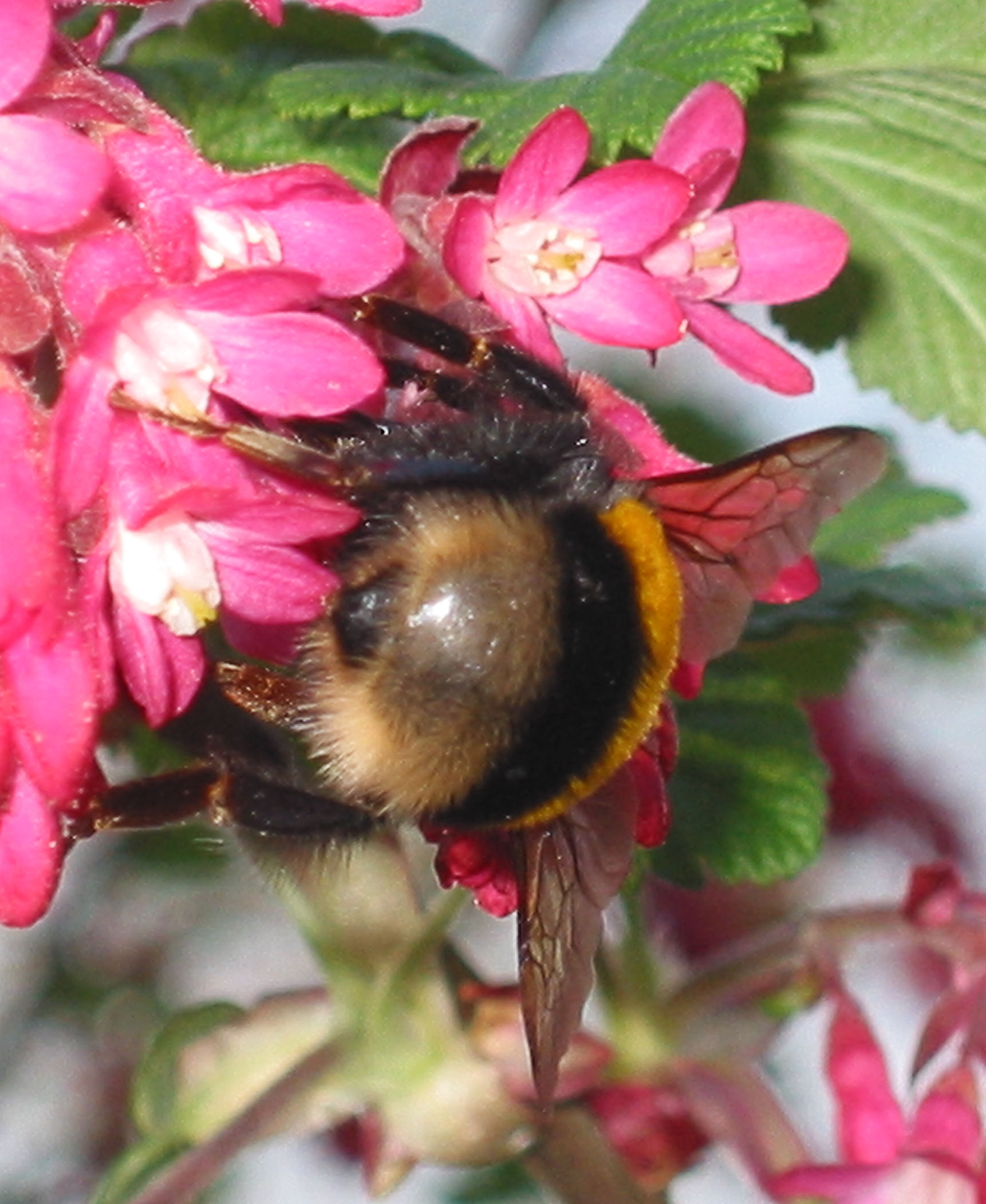
Bees: Black-tailed bumble (Bombus melanopygus), Yellow-faced bumble bee (Bombus vosnesenskii) Hummingbirds: Anna's Hummingbird (Calypte anna)
Garden & Ecology Notes
- Wildlife Value:
- birds, butterflies, hummingbirds
- Fall Color:
- red, orange
Soil Requirements
- Soil Type:
- rich, well-drained loamy soil
- pH:
- 5.5 - 7.5 (slightly acidic to neutral)
- Drainage:
- excellent drainage required
- Moisture:
- dry to moderate
- Notes:
- Prefers organic matter-rich soils in native habitats
Propagation & Germination
- Stratification:
- Cold/moist stratification required — 60–90 days
- Germination Time:
- 30–60 days
- Notes:
- Seeds benefit from cold stratification for 2-3 months to break dormancy.
Pre-treatment: For seeds, no pre-treatment is required. For cuttings, dip in a mild bleach solution for 30 seconds and treat with Hormex (1000 ppm IBA) rooting powder.
Establishment: R. sanguineum is found in moist shaded places from 2,000 to 6,000 feet elevation; from British Columbia to Santa Barbara County, California. R. sanguineum var. glutinosum is found in the Coast Ranges from Del Norte and Humboldt counties south to Santa Barbara and San Luis Obsipo counties, California.
Source: npn.rngr.net
Where to Buy
Nationwide Seller
- Sheffield's Seed (seeds)