
Cedarglade St. Johnswort
Hypericum frondosum
- Native to:
- United States
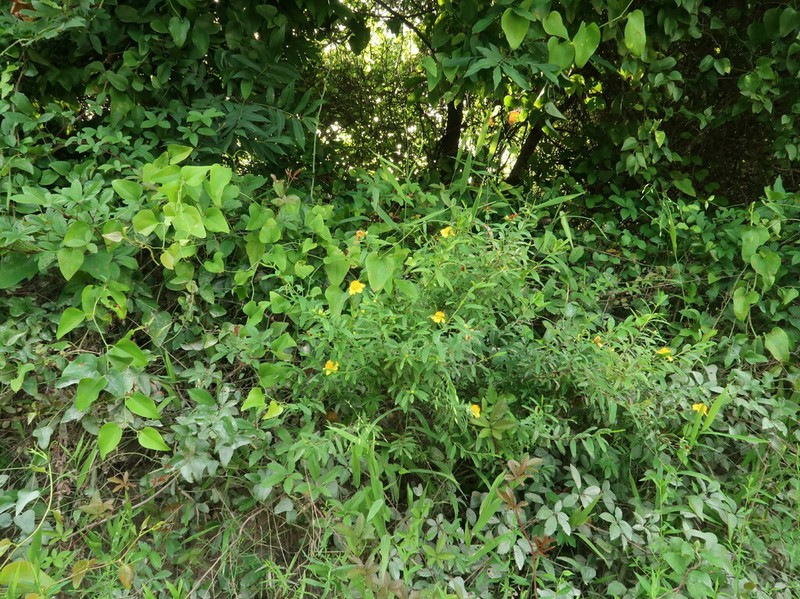
iNaturalist: © jim_keesling (iNaturalist #124374843)
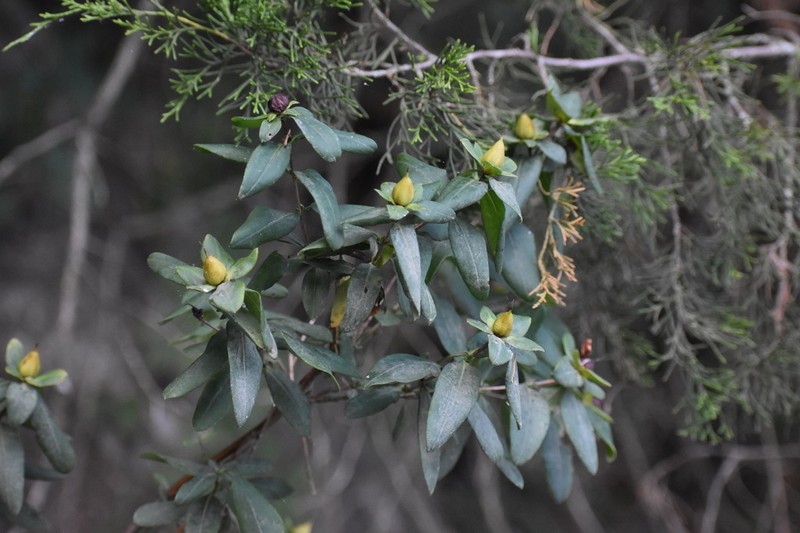
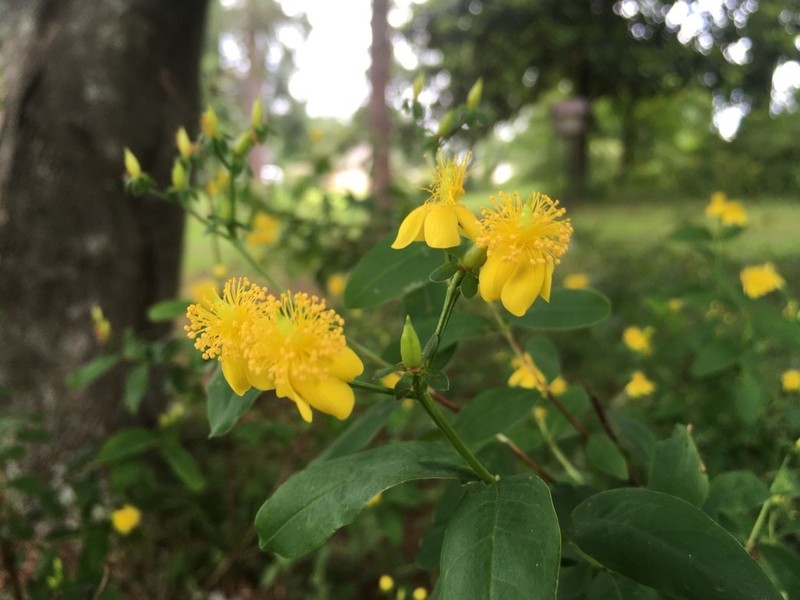
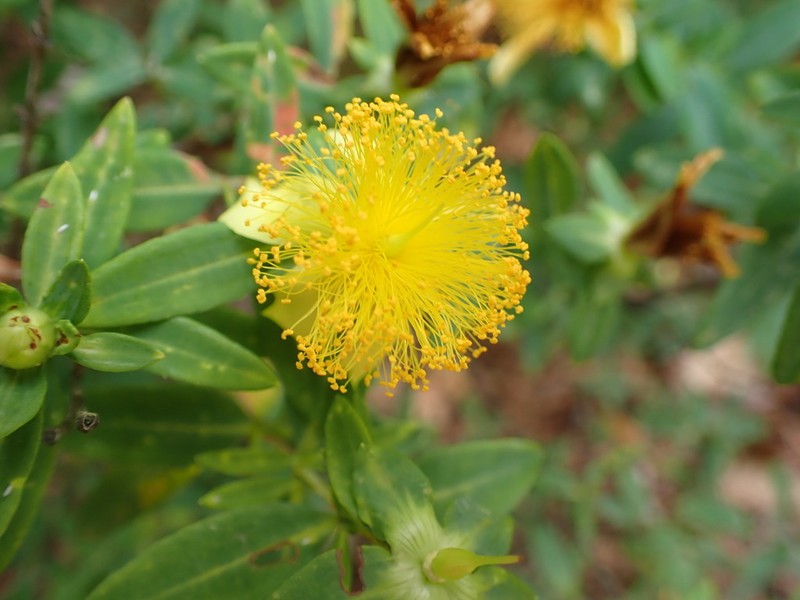
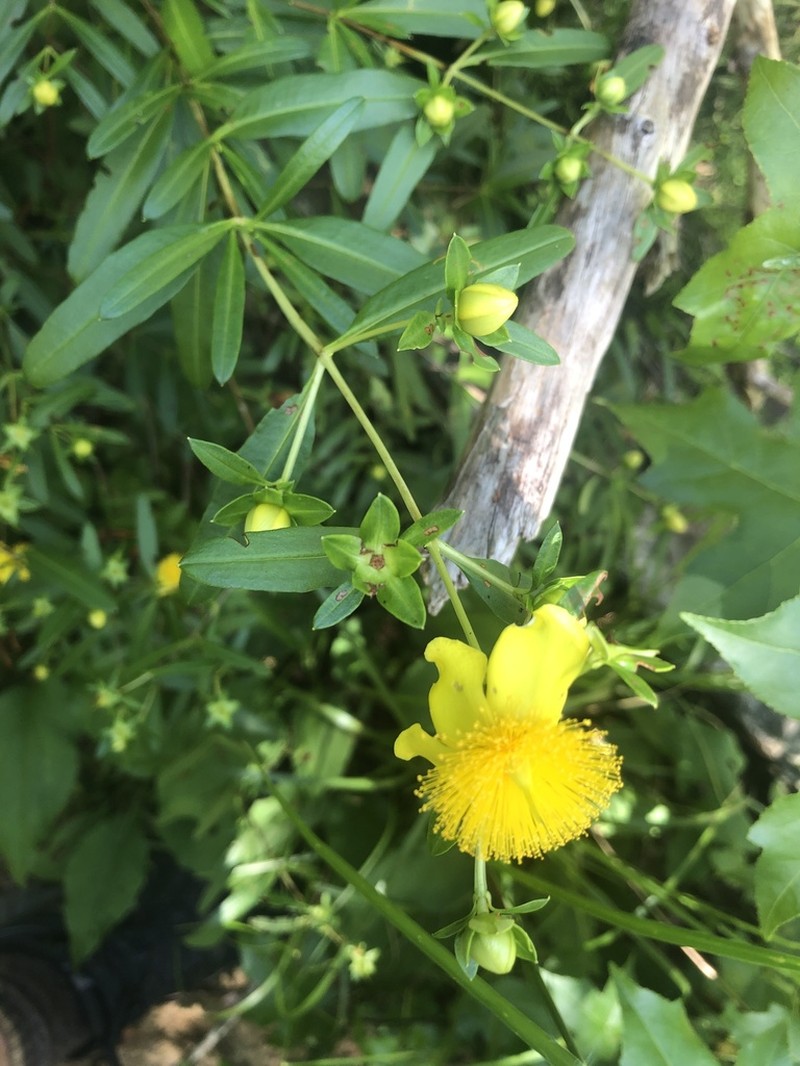
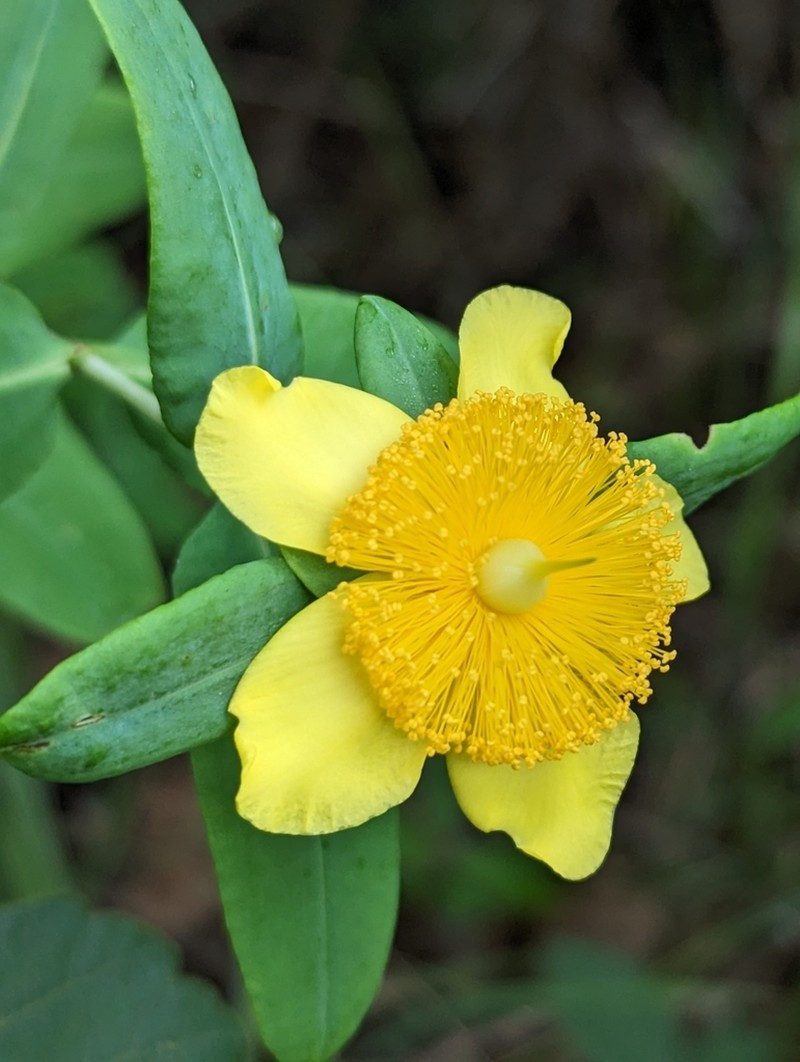
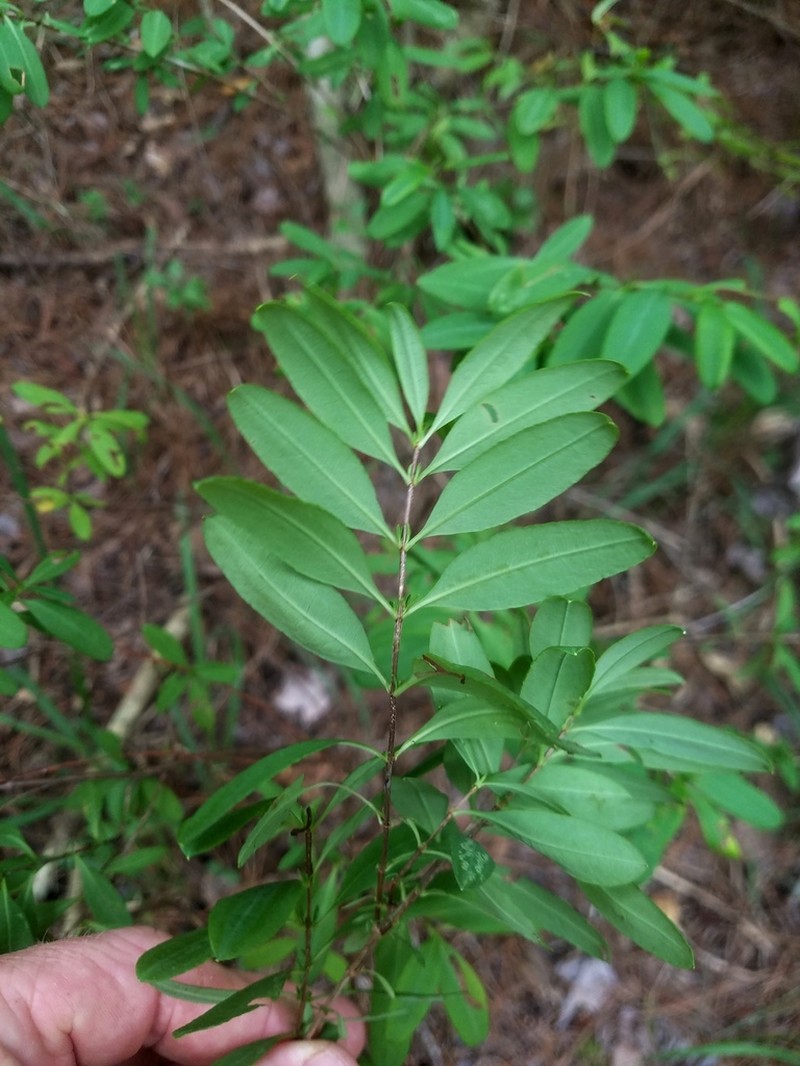
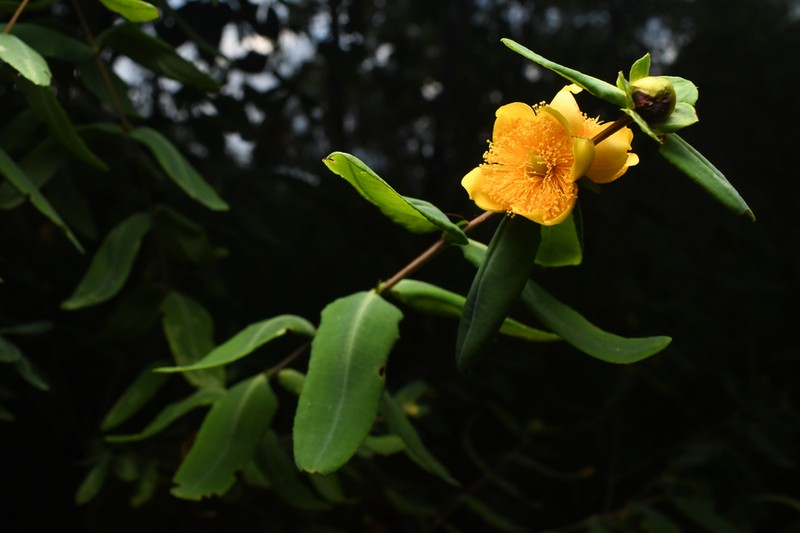
Taxonomy
- Division:
- Magnoliophyta | - Flowering plants
- Family:
- Hypericaceae
- Genus:
- Hypericum
- Species:
- Hypericum frondosum
- USDA Symbol:
- HYFR
Growth Characteristics
- Life Cycle:
- Perennial
- Growth Habit:
- Shrub , Subshrub
- Height:
- 120 cm
- Light Requirements:
- Full Sun
- Drought Tolerance:
- Medium
- Bloom Months:
- jun,jul,aug
- Bloom Colors:
- yellow
- Landscaping Shrub:
- Yes
Wildlife Benefits
- Bees:
- ★☆☆☆☆ Documented bee visitation (GBIF)
- Butterflies & Moths:
- ★☆☆☆☆ Documented Lepidoptera association (GBIF)
Keystone Species Ranking
- Caterpillar Keystone:
- ★★★☆☆ Butterfly & moth species supported by this genus (NWF)
Reported Fauna Sightings
Bees: Brown-belted bumble (Bombus griseocollis), Common eastern (Bombus impatiens)
Garden & Ecology Notes
- Wildlife Value:
- bees, butterflies
- Deer Resistant:
- Yes
- Fall Color:
- red, orange
Soil Requirements
- Soil Type:
- rocky, well-drained, sandy loam
- pH:
- 5.5 - 7.5 (slightly acidic to neutral)
- Drainage:
- excellent drainage required
- Moisture:
- dry to moderate
- Notes:
- native to rocky, open woodlands and hillsides
Propagation & Germination
- Stratification:
- Cold/moist stratification required — 30–60 days
- Germination Time:
- 14–30 days
- Notes:
- Seeds germinate readily after cold stratification; surface sow on moist medium.
Pre-treatment: None required
Establishment: Mature fruit was hand harvested from populations of Hypericum frondosum growing within the confines of USDI-NPS controlled properties. Cedarglade St. Johnswort is common in the southeastern states of Tennessee, North and South Carolina, Georgia, Florida, Alabama Mississippi, Louisiana, and Texas. It has also been reported in Kentucky, Virginia, Indiana, New York, Connecticut, and Massachusetts.
Source: npn.rngr.net