
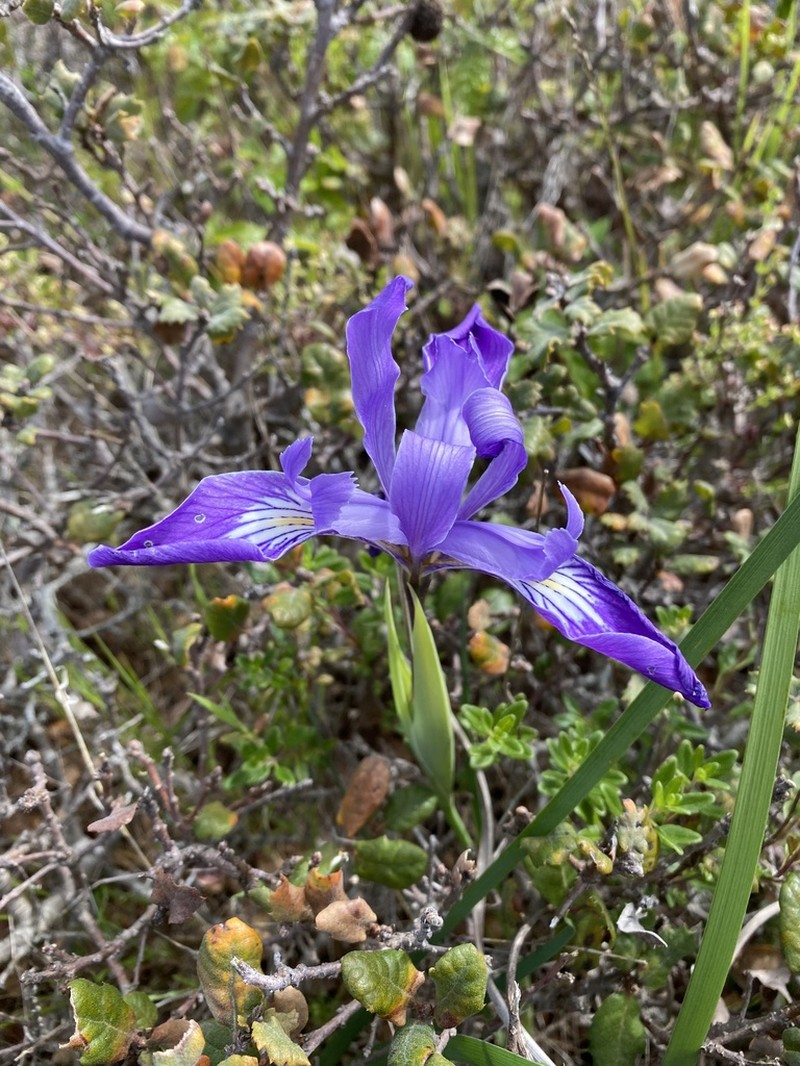
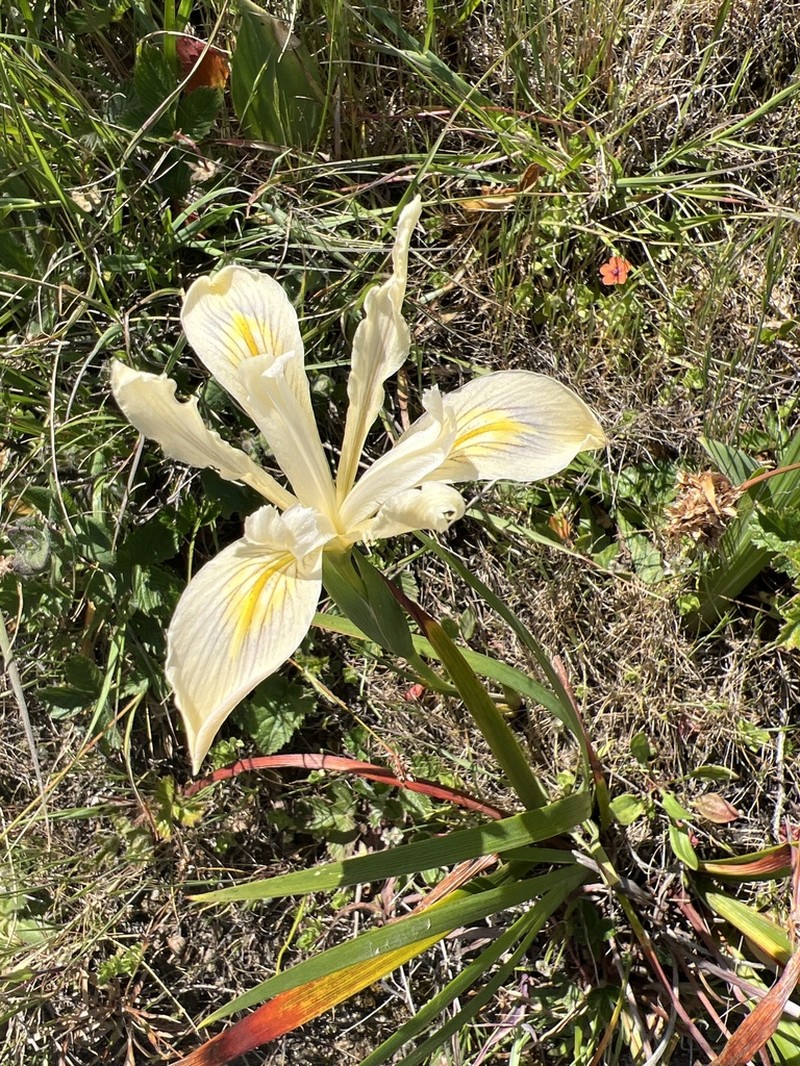
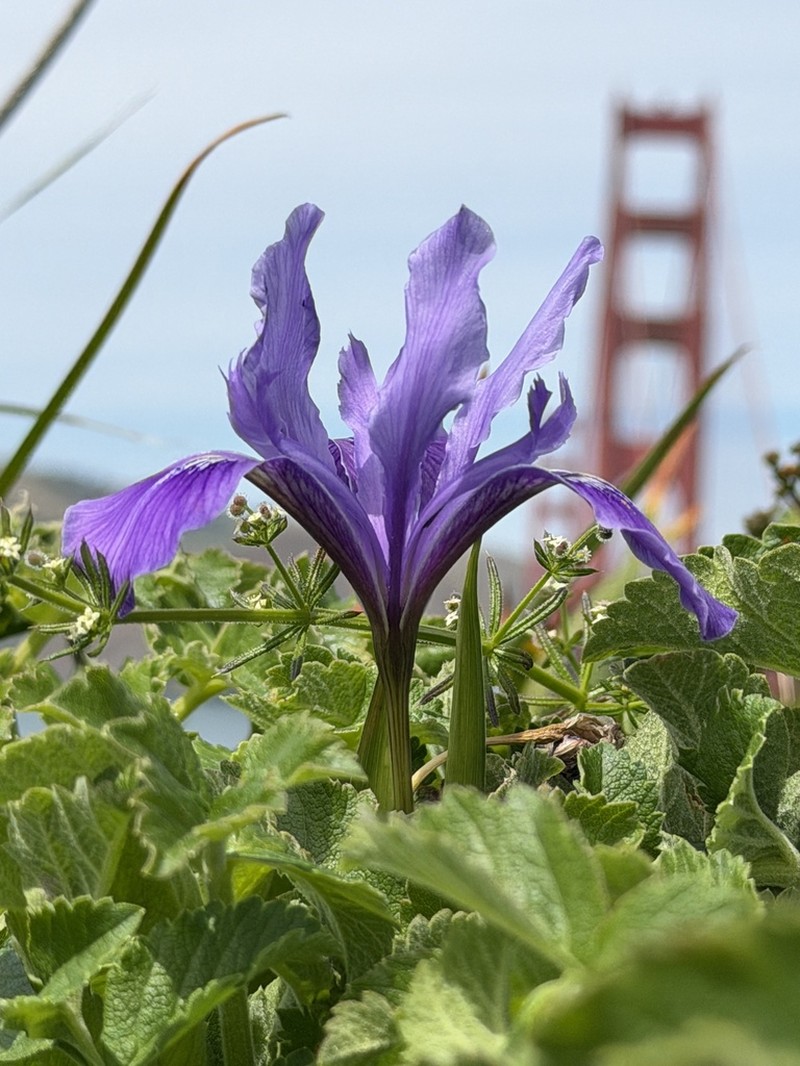
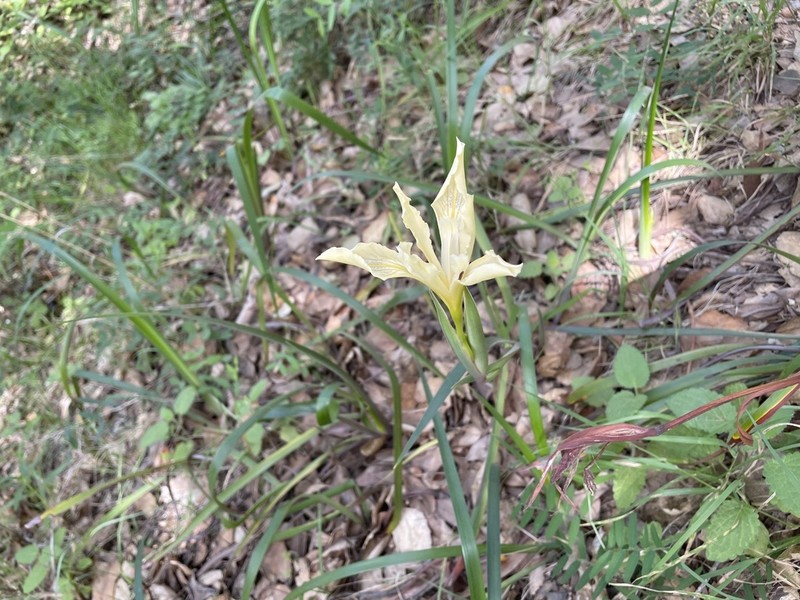
Douglas Iris
Iris douglasiana
- Native to:
- United States
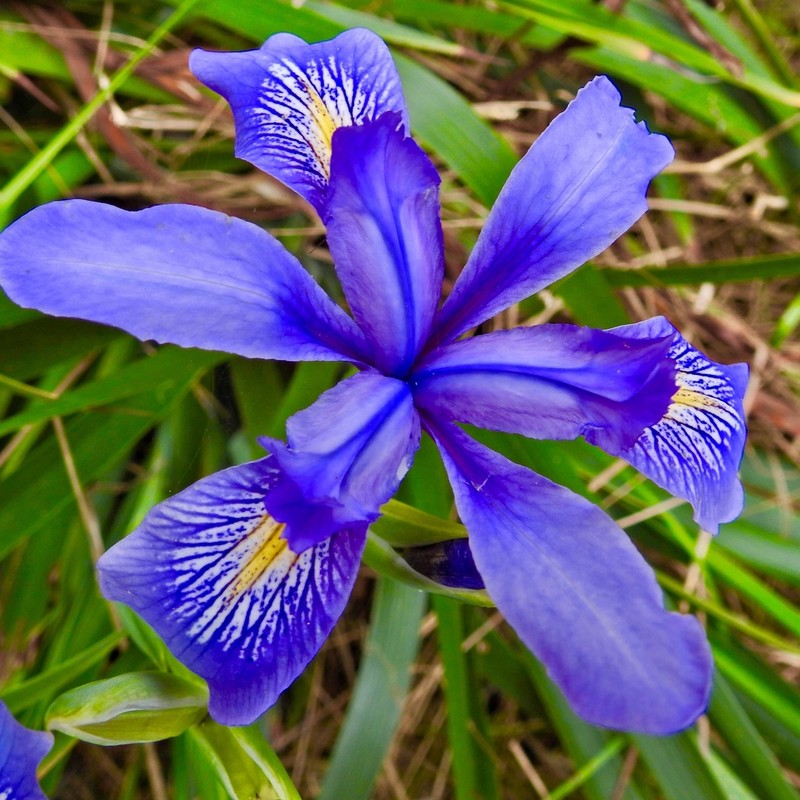
iNaturalist: © nonawill (iNaturalist #10304743)
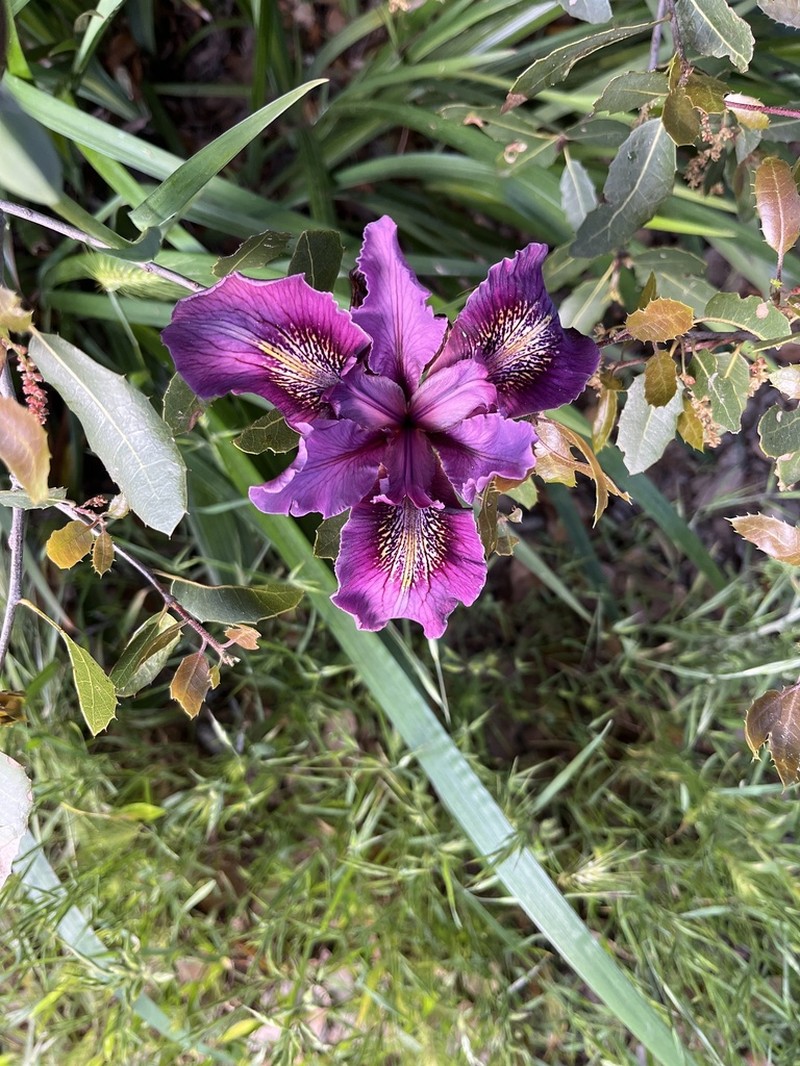
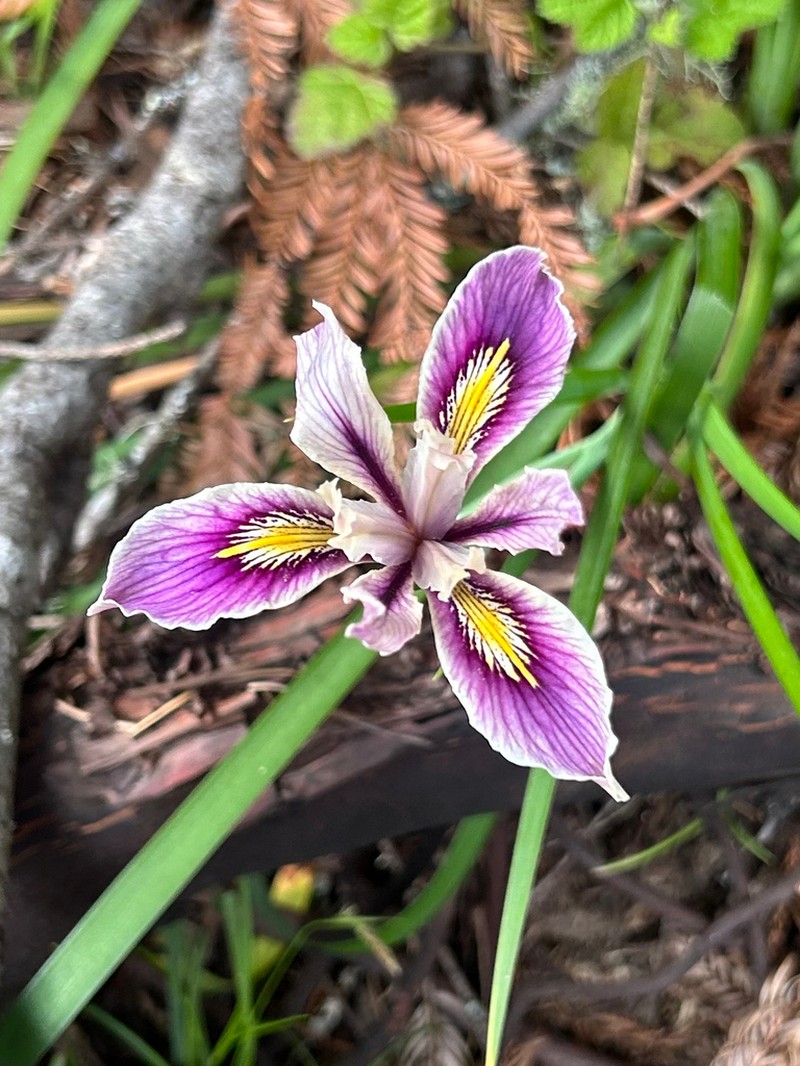
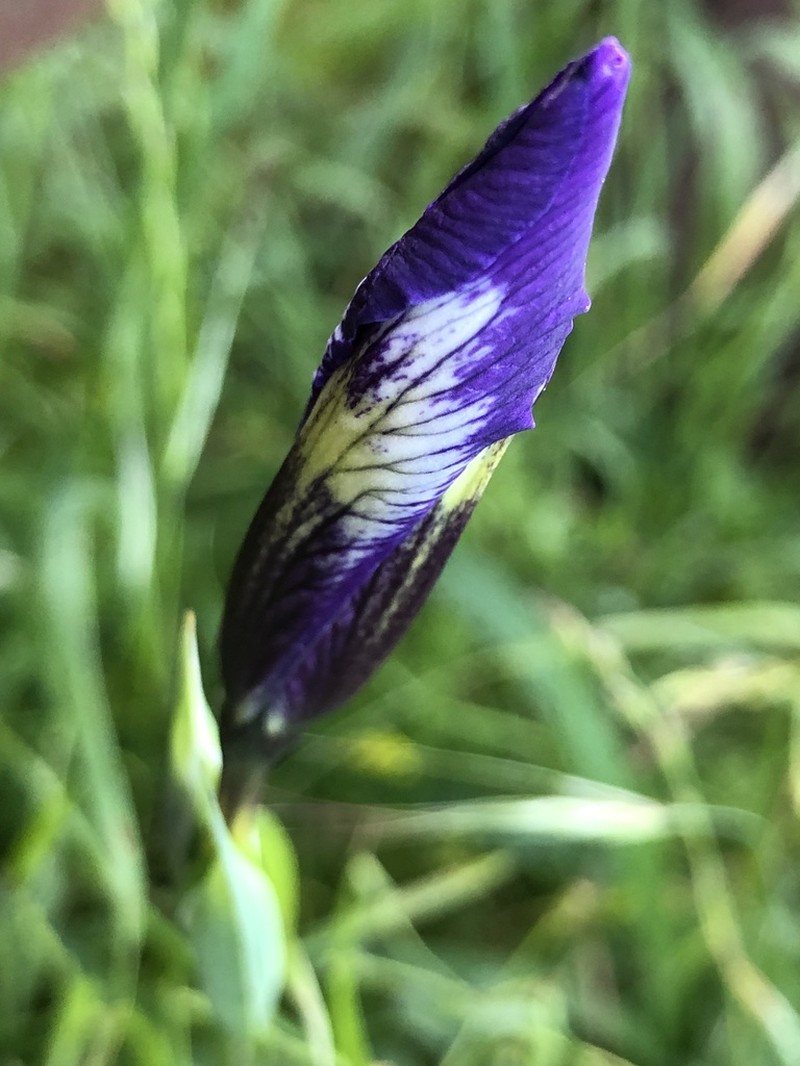
Taxonomy
- Division:
- Magnoliophyta | - Flowering plants
- Family:
- Iridaceae
- Genus:
- Iris
- Species:
- Iris douglasiana
- USDA Symbol:
- IRDO
Growth Characteristics
- Life Cycle:
- Perennial
- Growth Habit:
- Geophyte
- Height:
- 60 cm
- Light Requirements:
- Part Shade
- Drought Tolerance:
- Medium
- Bloom Months:
- mar,apr,may
- Bloom Colors:
- blue, purple, white
Wildlife Benefits
- Bees:
- ★☆☆☆☆ Documented bee visitation (GBIF)
- Butterflies & Moths:
- ★☆☆☆☆ Documented Lepidoptera association (GBIF)
Keystone Species Ranking
- Caterpillar Keystone:
- ★★☆☆☆ Butterfly & moth species supported by this genus (NWF)
Reported Fauna Sightings
Bees: Sitka bumble bee (Bombus sitkensis)
Garden & Ecology Notes
- Wildlife Value:
- hummingbirds, butterflies
- Deer Resistant:
- Yes
Soil Requirements
- Soil Type:
- rich, well-drained loamy soil
- pH:
- 5.5 - 7.5 (slightly acidic to neutral)
- Drainage:
- excellent drainage required
- Moisture:
- dry to moderate
- Notes:
- native to coastal regions, prefers sandy loam
Propagation & Germination
- Stratification:
- Cold/moist stratification required — 30–60 days
- Germination Time:
- 30–90 days
- Notes:
- Seeds benefit from cold moist stratification for 30-60 days to break dormancy.
Pre-treatment: Seeds: Stratification for 1 month or 80 days of cool/moist stratification at 38°F. Rhizomes: Cut into pieces and directly potted.
Establishment: Seeds are collected between June 1st and August 31st. Rhizome divisions are collected in the fall. Seedlings will not grow large enough the first year and are held over another year. There are regional variations in the distribution of I. douglasiana.
Source: npn.rngr.net
ORGHPS Germination Guide: Use repeated cycles of 4°C, then 20°C for 3 months each. Germination is very prolonged. * soak and rinse in clean water daily x 4 weeks, resent disturbance, pot up individually and plant out ASAP
Where to Buy
Nationwide Seller
- Sheffield's Seed (seeds)