
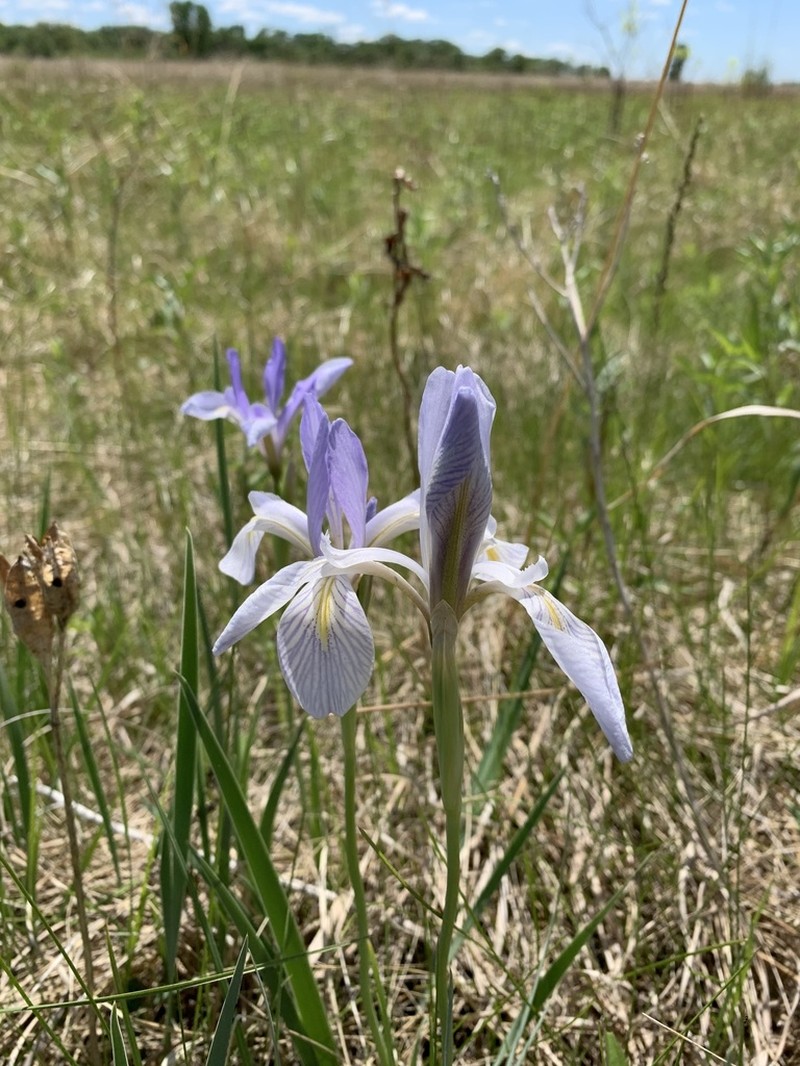
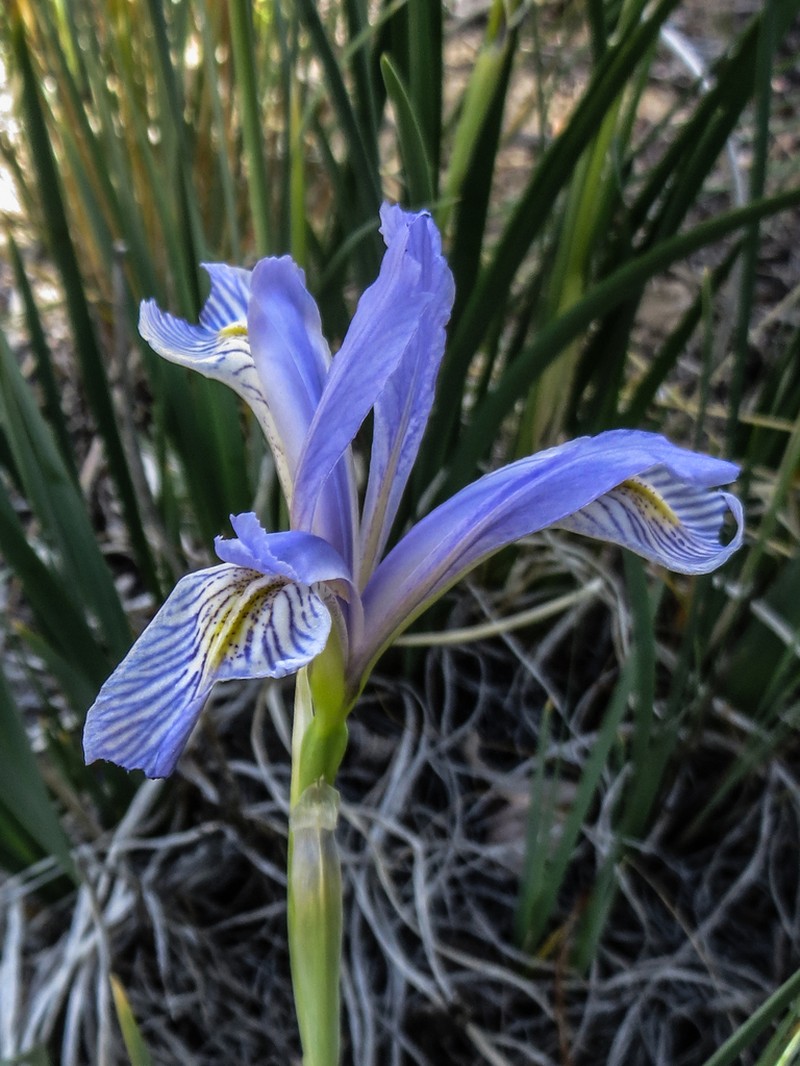
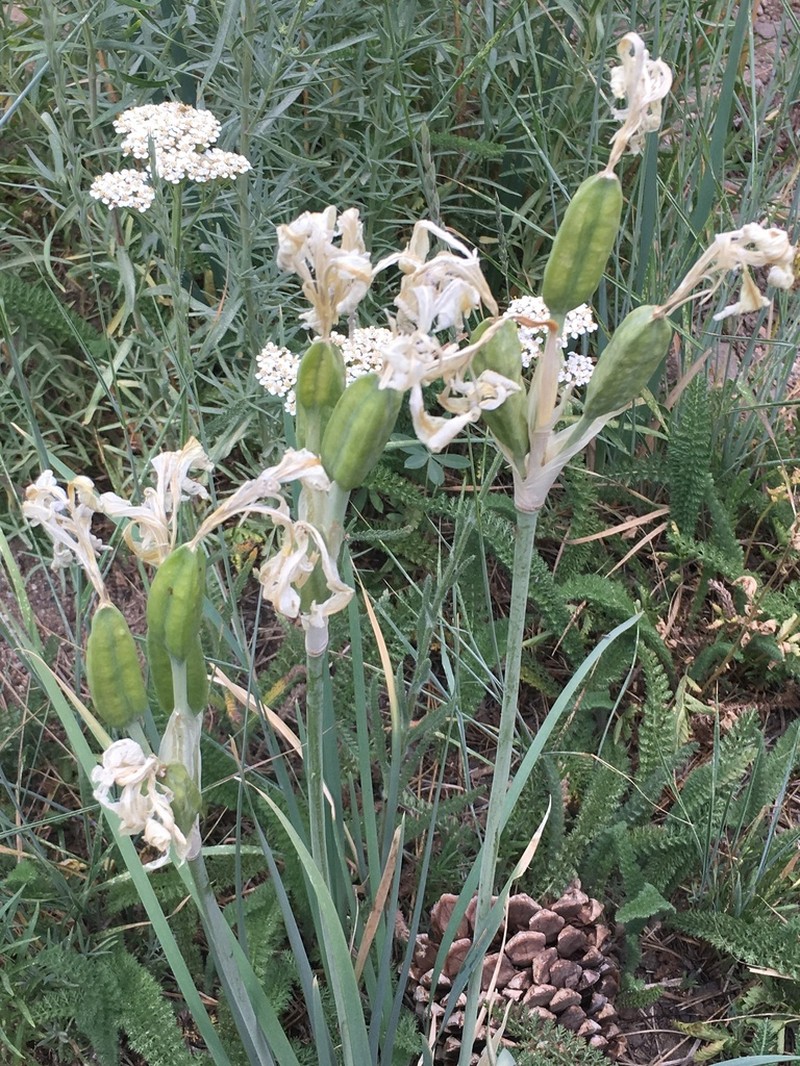
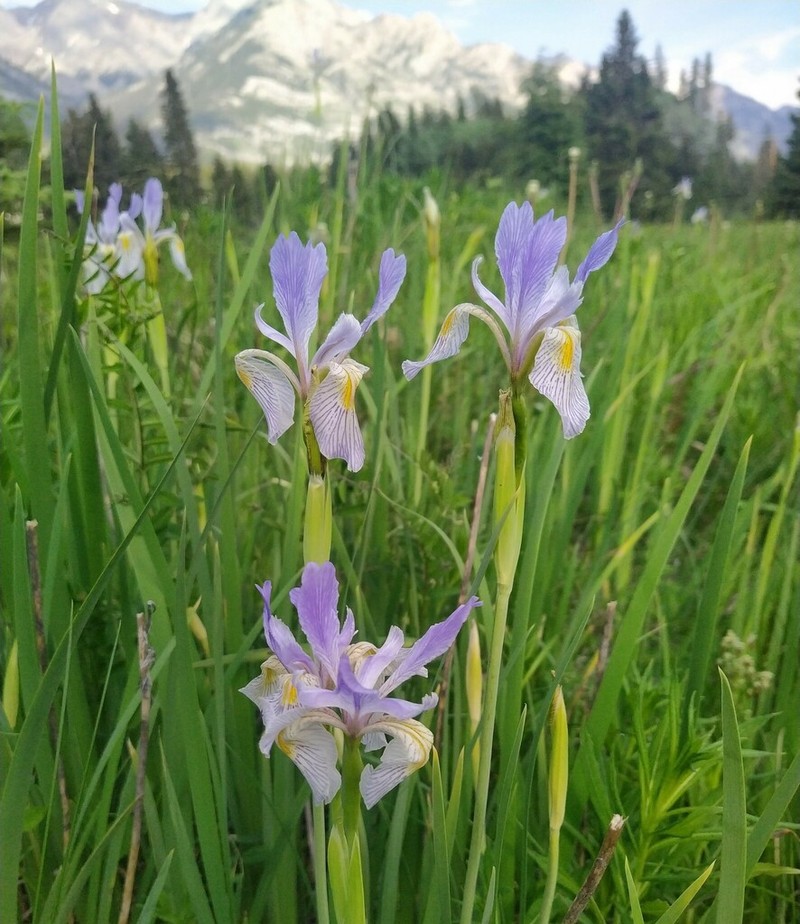
Rocky Mountain Iris
Iris missouriensis
- Native to:
- Canada, Mexico, United States
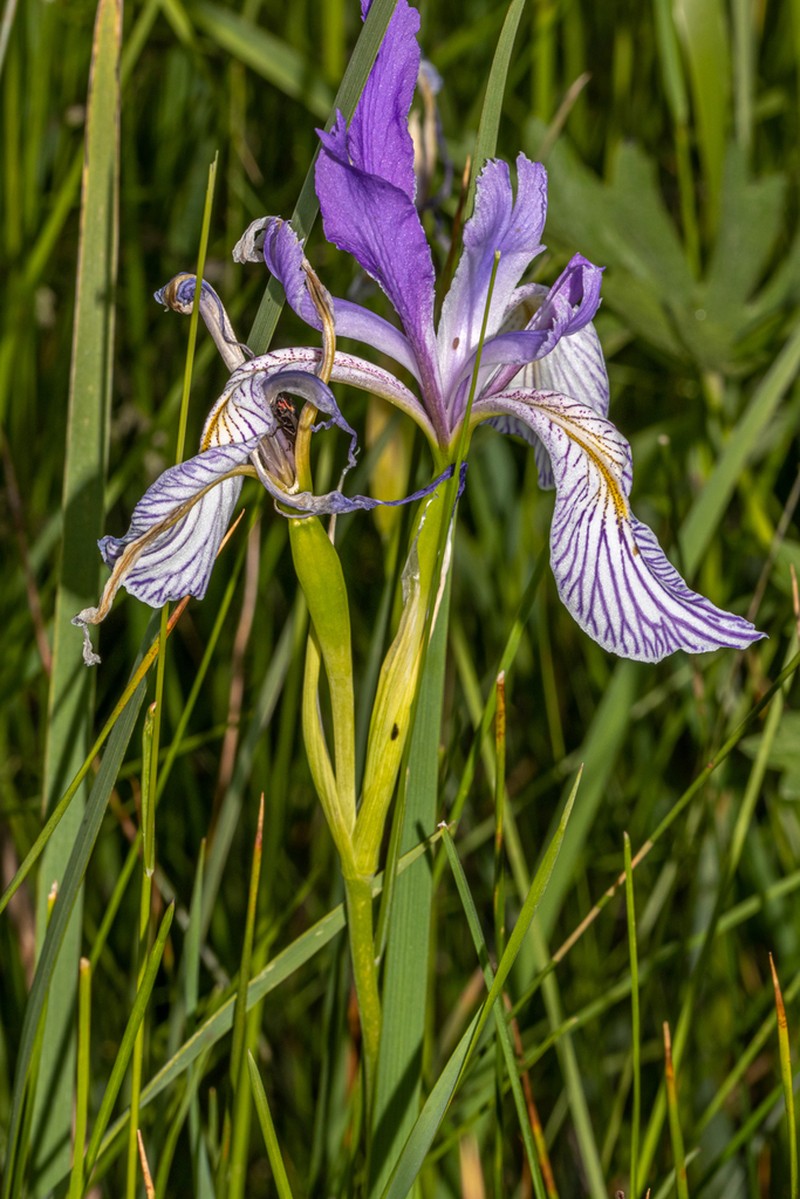
iNaturalist: © sentraevant (iNaturalist #50211680)
Taxonomy
- Division:
- Magnoliophyta | - Flowering plants
- Family:
- Iridaceae
- Genus:
- Iris
- Species:
- Iris missouriensis
- USDA Symbol:
- IRMI
Growth Characteristics
- Life Cycle:
- Perennial
- Growth Habit:
- Geophyte
- Height:
- 90 cm
- Light Requirements:
- Full Sun
- Drought Tolerance:
- Medium
- Bloom Months:
- apr,may,jun
- Bloom Colors:
- blue, purple, white
Wildlife Benefits
- Bees:
- ★☆☆☆☆ Documented bee visitation (GBIF)
- Butterflies & Moths:
- ★☆☆☆☆ Documented Lepidoptera association (GBIF)
- Caterpillars:
- ★☆☆☆☆ Recorded caterpillar host plant (HOSTS Database)
Keystone Species Ranking
- Caterpillar Keystone:
- ★★☆☆☆ Butterfly & moth species supported by this genus (NWF)
Host Plant for Caterpillars
Reported Fauna Sightings
Garden & Ecology Notes
- Wildlife Value:
- bees, butterflies
- Deer Resistant:
- Yes
Soil Requirements
- Soil Type:
- well-drained, sandy or loamy soil
- pH:
- 6.0 - 7.5 (slightly acidic to neutral)
- Drainage:
- excellent drainage required
- Moisture:
- dry to moderate
- Notes:
- prefers open meadows and grasslands
Propagation & Germination
- Stratification:
- Cold/moist stratification required — 30–60 days
- Germination Time:
- 30–90 days
- Notes:
- Seeds benefit from cold stratification for 30-60 days to break dormancy.
Pre-treatment: Fresh seeds should be planted immediately after harvest. If not possible, seeds require extended cold, moist stratification. Some seeds may also benefit from a 5 month outdoor cold, moist stratification or an artificial cold, moist stratification for 120 days at 2C.
Establishment: Germination rates and times can vary greatly depending on storage and stratification methods. Germination may also be affected by climatic conditions in the year of seed collection. Germination ceases when temperatures are higher than 21C during the day.
Source: npn.rngr.net
ORGHPS Germination Guide: Expose to fluctuation outdoor winter temperatures including freezing for 3 months. Gradually increase light and temperature in the spring. Requires soaking. Place in warm water until seeds swell, usually 24-48 hours. Discard water and any seeds that remain floating. * sow fresh or soak old seed, leave full 6 months at 4°C to get 90% germination or 4 months to get 60% germination; bring indoors once germinated to avoid temperature shock, transplant at 4 leaves
Where to Buy
Nationwide Seller
- Native Seed Group (seeds)
- Sheffield's Seed (seeds)