
Savannah Iris
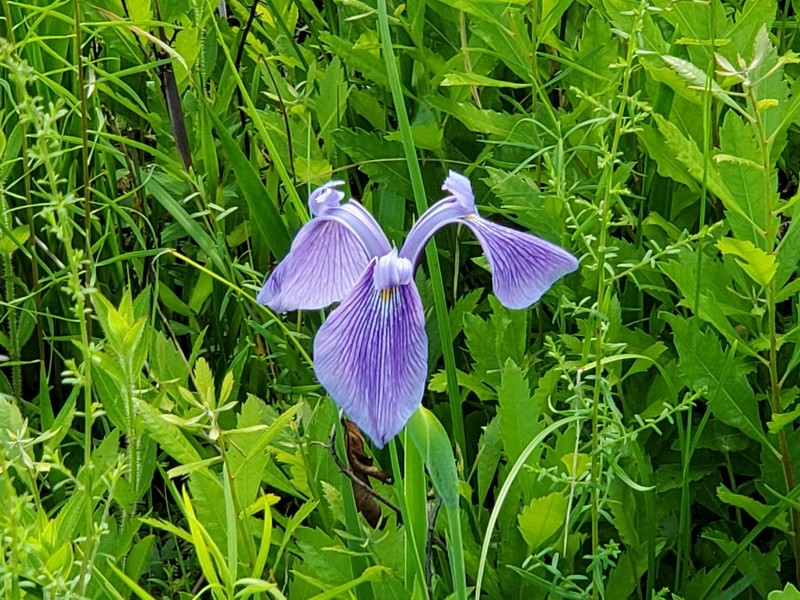
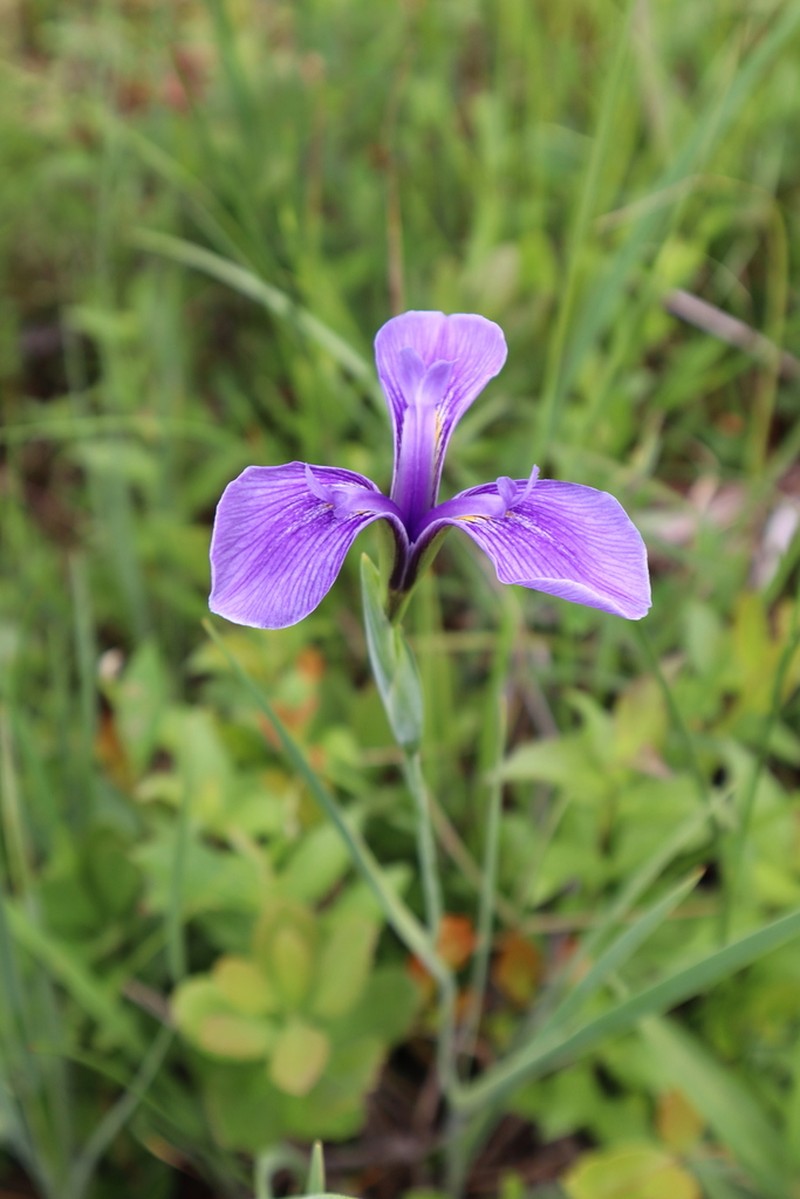
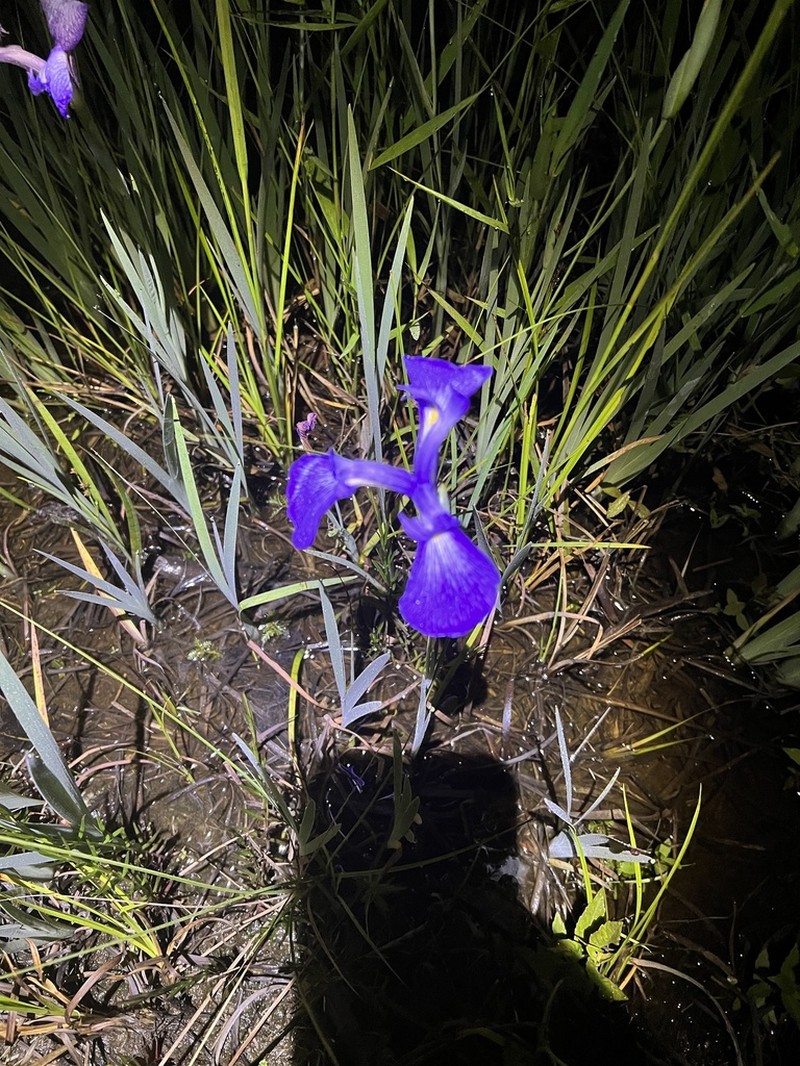
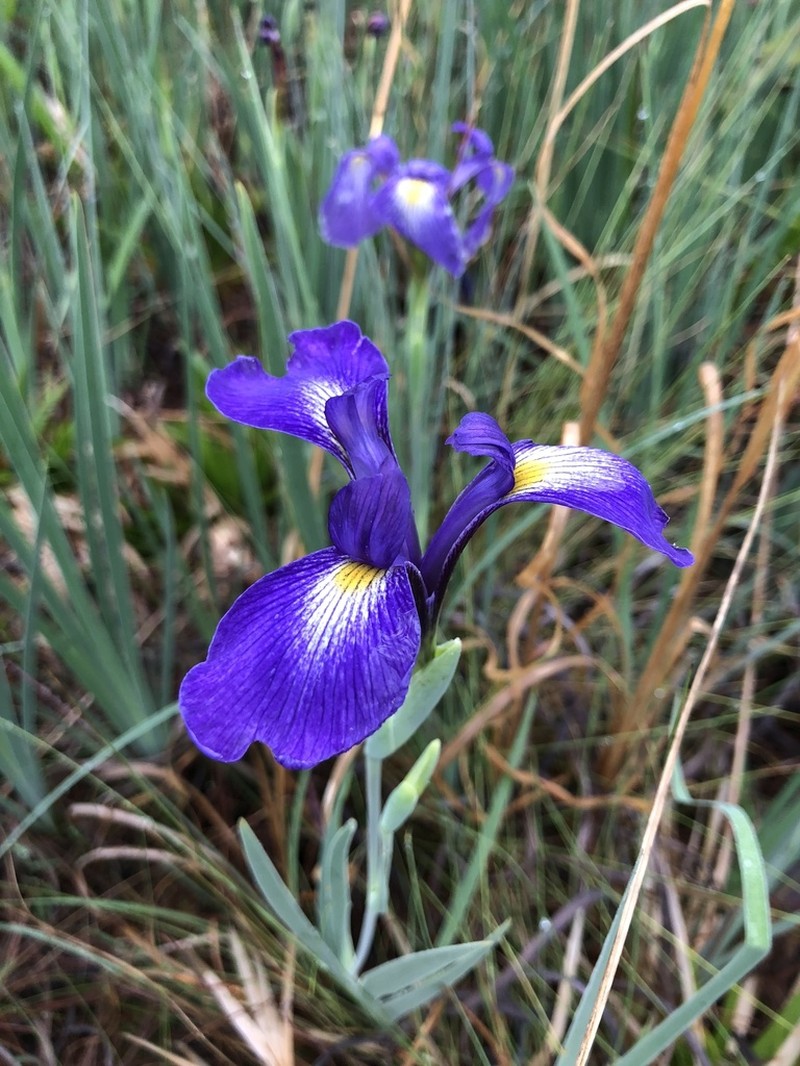
Iris tridentata
- Native to:
- United States
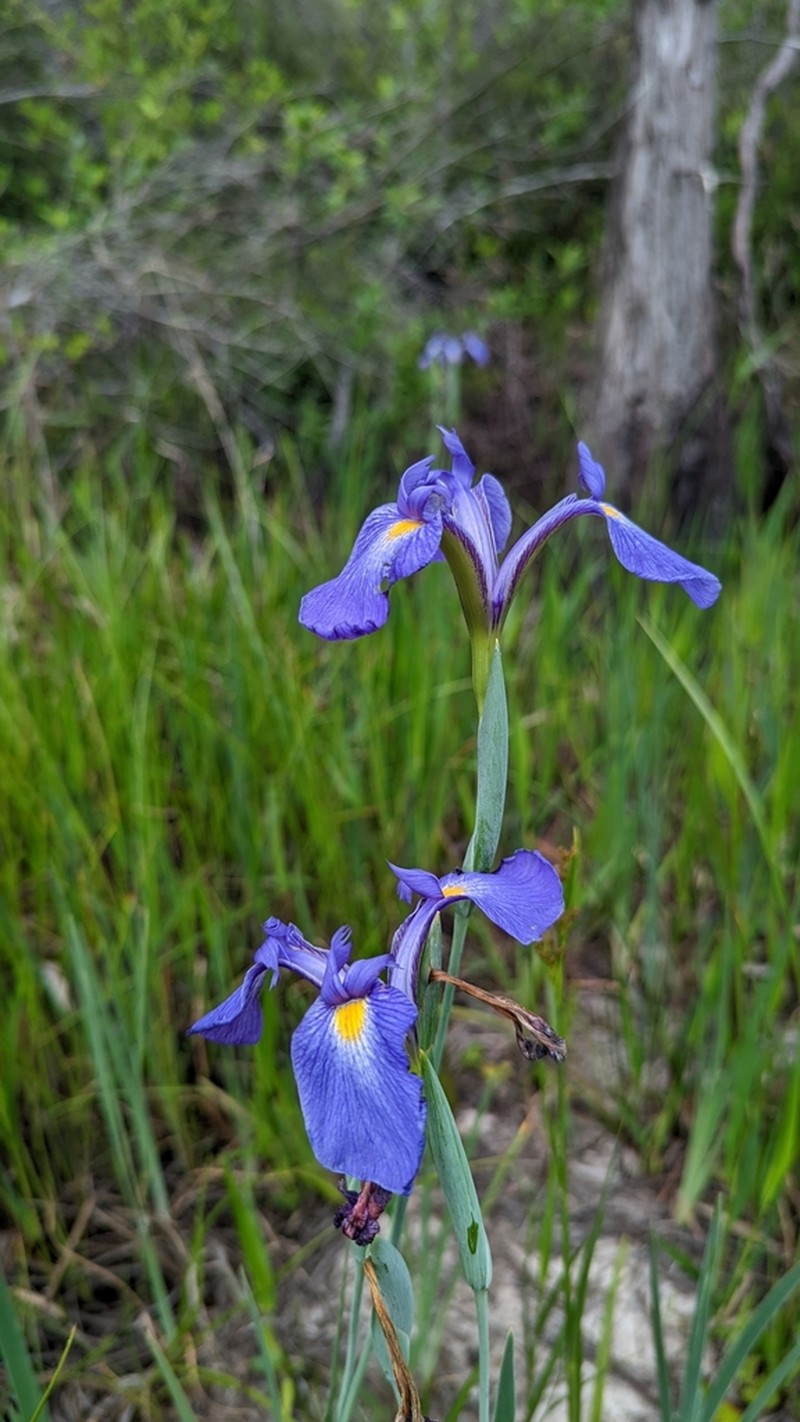
iNaturalist: © que_bola (iNaturalist #117193010)
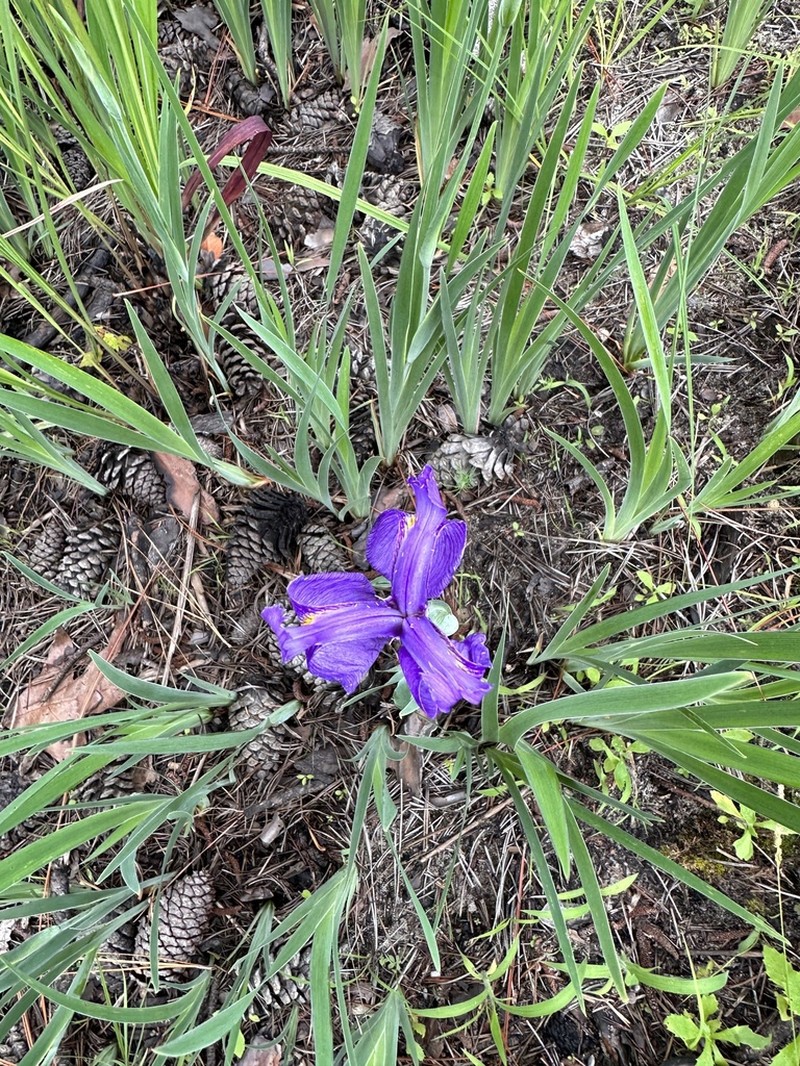
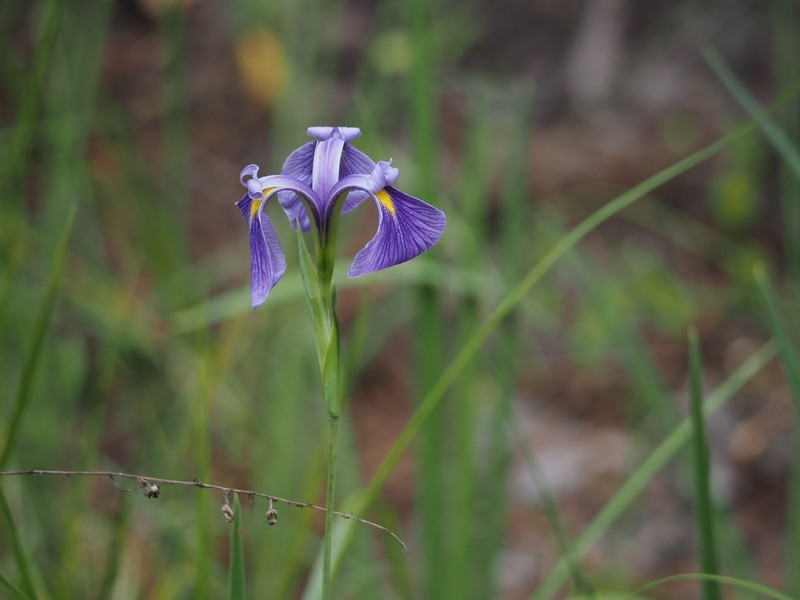
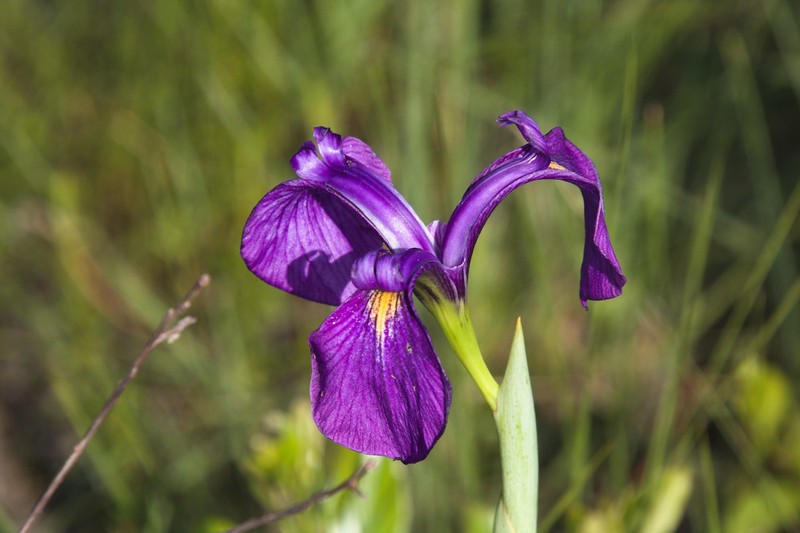
Taxonomy
- Division:
- Magnoliophyta | - Flowering plants
- Family:
- Iridaceae
- Genus:
- Iris
- Species:
- Iris tridentata
- USDA Symbol:
- IRTR
Growth Characteristics
- Life Cycle:
- Perennial
- Growth Habit:
- Geophyte
- Height:
- 90 cm
- Light Requirements:
- Full Sun
- Drought Tolerance:
- Low
- Bloom Months:
- may,jun
- Bloom Colors:
- blue, violet
Wildlife Benefits
- Bees:
- ★☆☆☆☆ Documented bee visitation (GBIF)
- Butterflies & Moths:
- ★☆☆☆☆ Documented Lepidoptera association (GBIF)
Keystone Species Ranking
- Caterpillar Keystone:
- ★★☆☆☆ Butterfly & moth species supported by this genus (NWF)
Garden & Ecology Notes
- Wildlife Value:
- bees, butterflies
- Fire Ecology:
- Fire adapted — tolerates or benefits from fire
- Fire Notes:
- Occurs in fire-maintained wet pine savannas; benefits from periodic fire to reduce competition.
Soil Requirements
- Soil Type:
- moist, rich, well-drained loamy soil
- pH:
- 5.5 - 7.0 (slightly acidic to neutral)
- Drainage:
- tolerates poor drainage
- Moisture:
- consistently moist
- Notes:
- Prefers wetland areas like marshes and swamps
Propagation & Germination
- Stratification:
- Cold/moist stratification required — 60–90 days
- Germination Time:
- 30–60 days
- Notes:
- Seeds require cold stratification for 60-90 days; sow in fall or after stratification in spring.
Pre-treatment: Cold-moist stratification for 30 days at 1–5°C (34–41°F).
Source: Claude AI
ORGHPS Germination Guide: Expose to fluctuation outdoor winter temperatures including freezing for 3 months. Gradually increase light and temperature in the spring. * sow fresh or soak old seed; prechill 4 weeks or place outdoors over winter and bring indoors once germinated to avoid temperature shock; transplant at 4 leaves