
Water Hickory
Carya aquatica
- Native to:
- United States, Virgin Islands
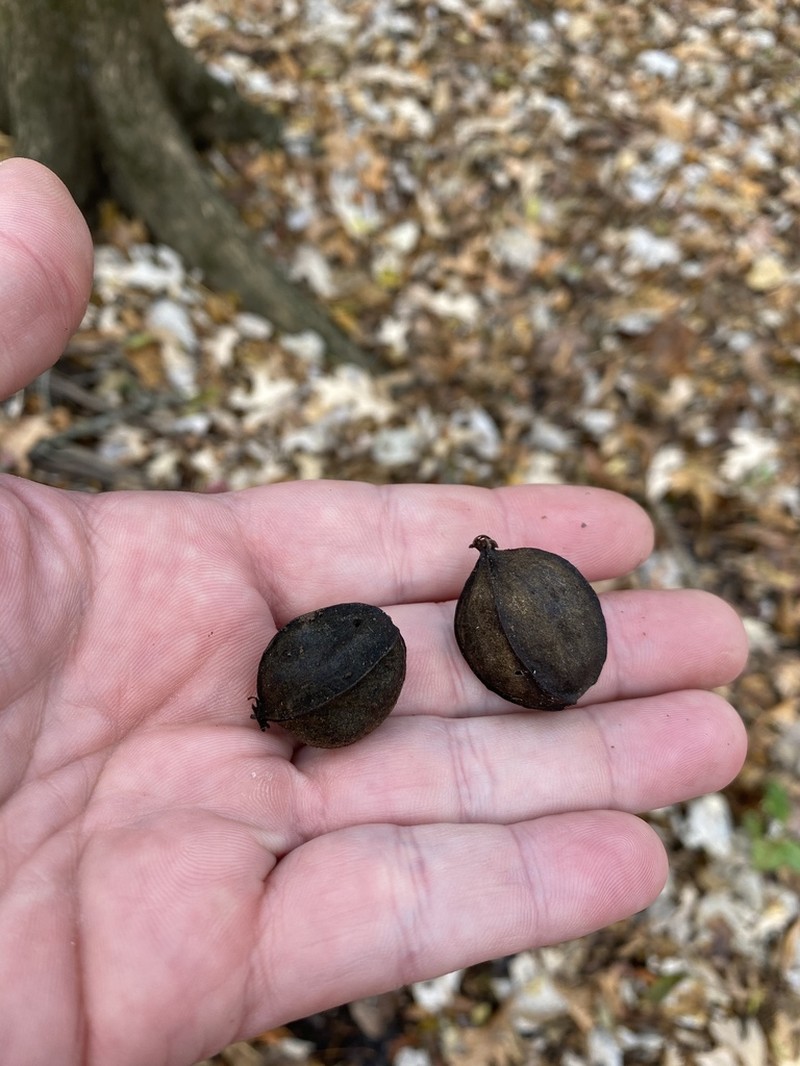
iNaturalist: © abelkinser (iNaturalist #101560393)
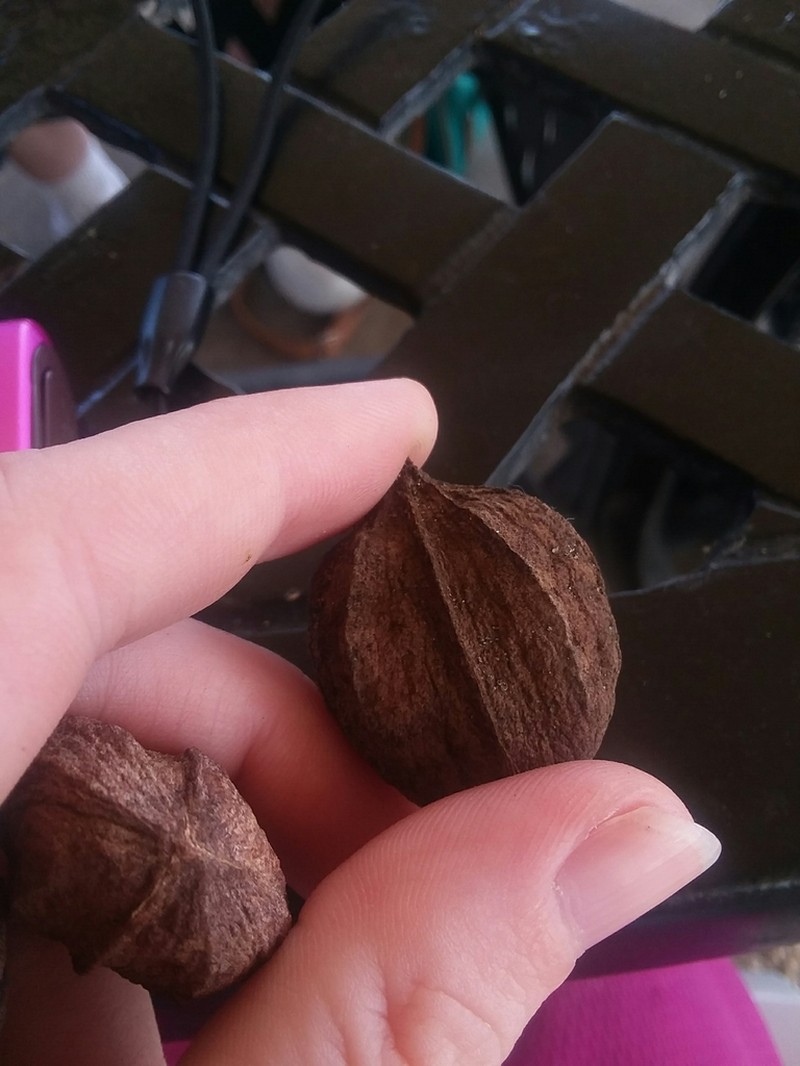
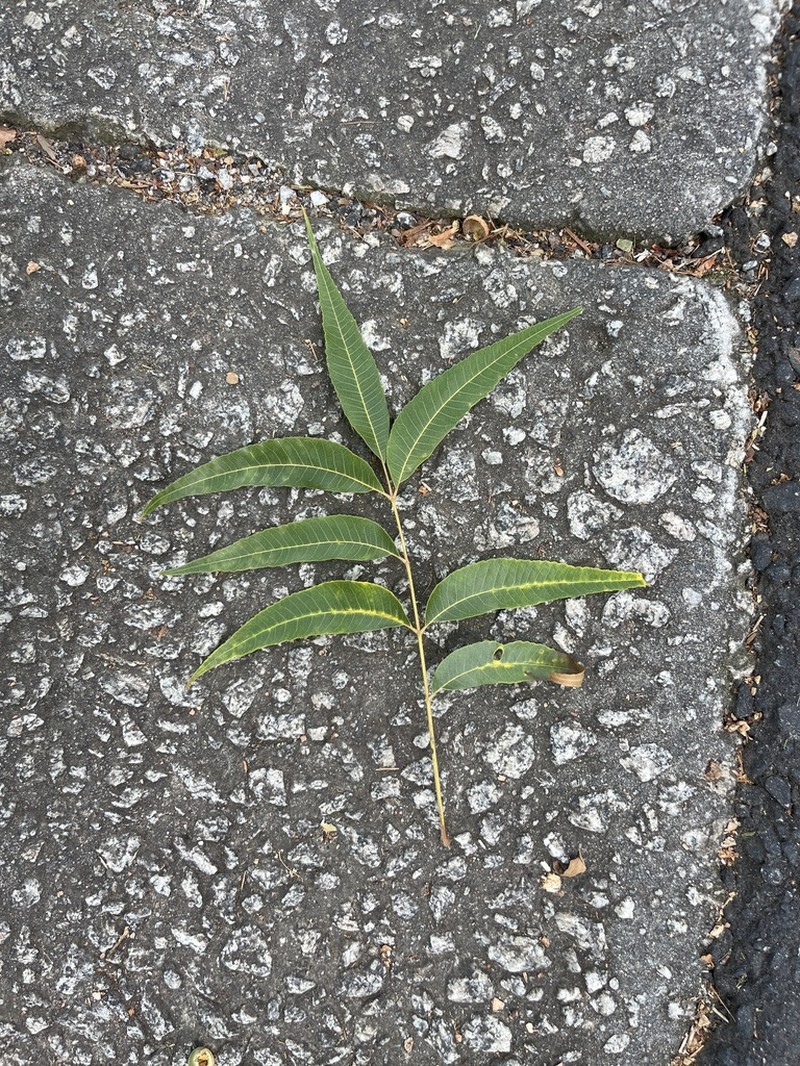
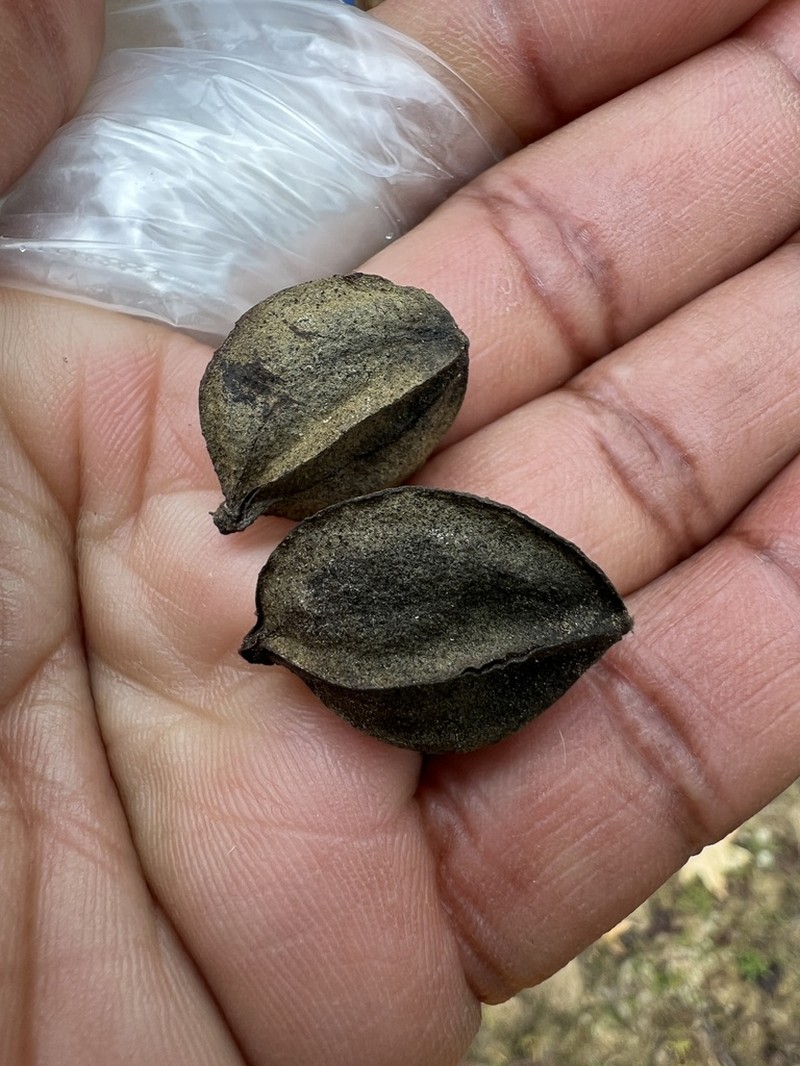
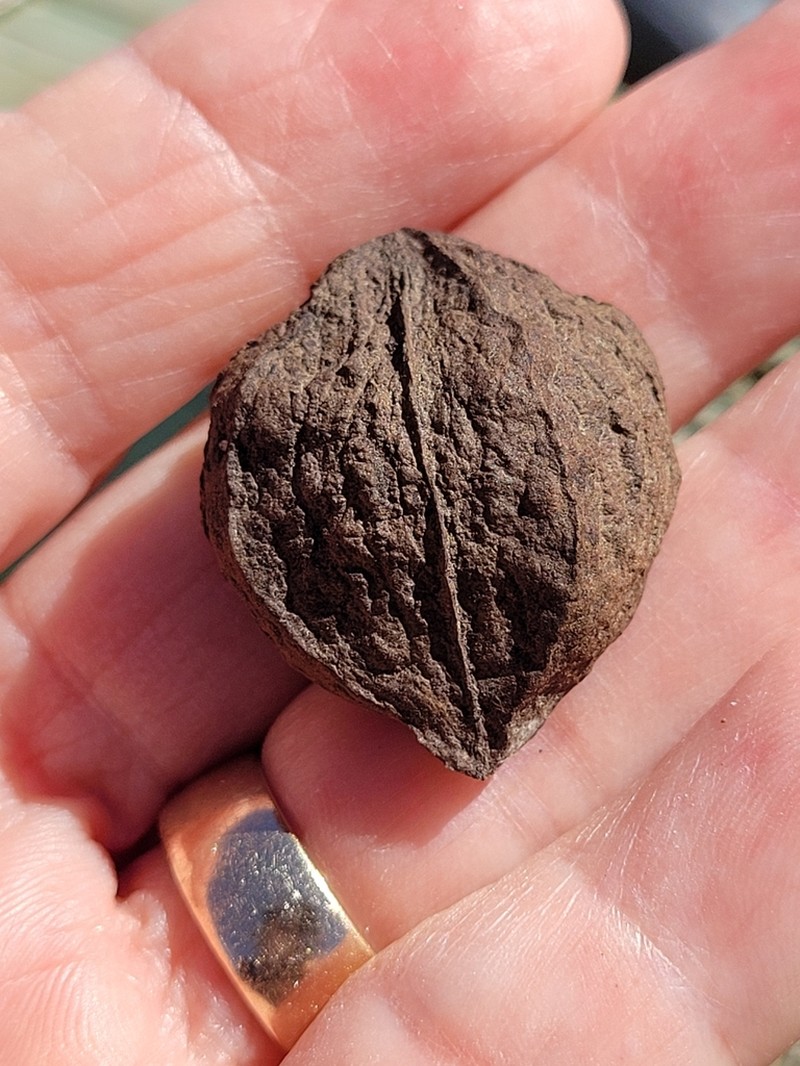
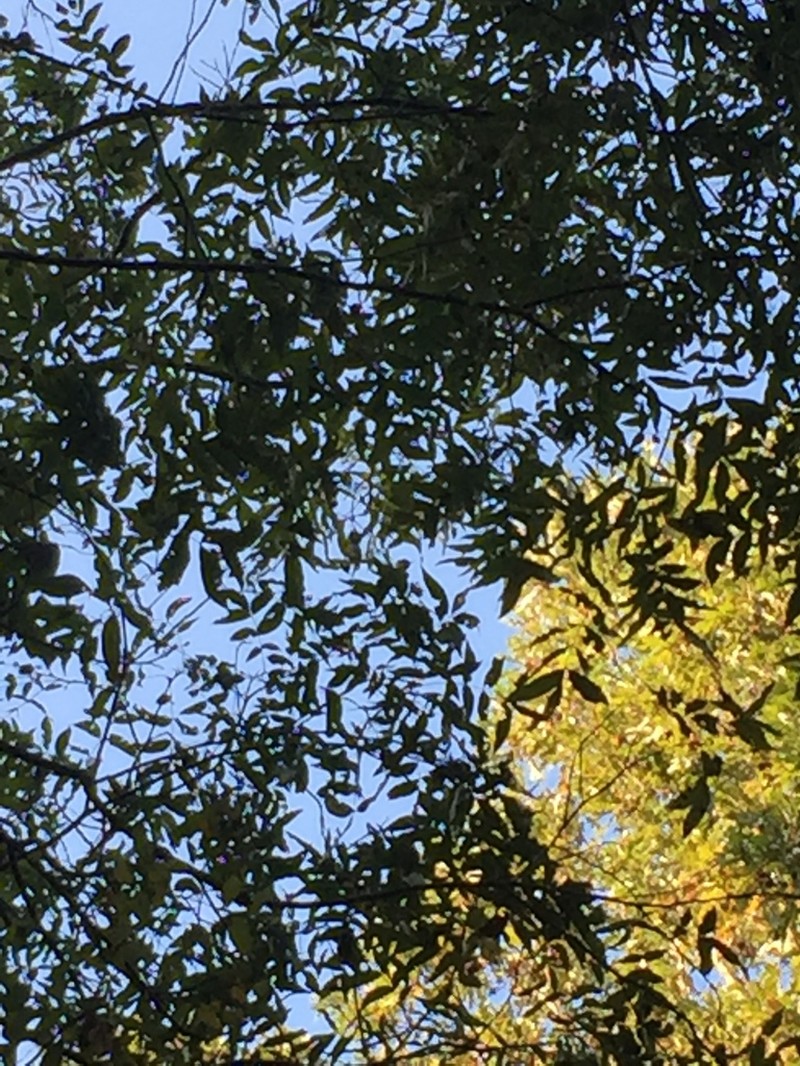
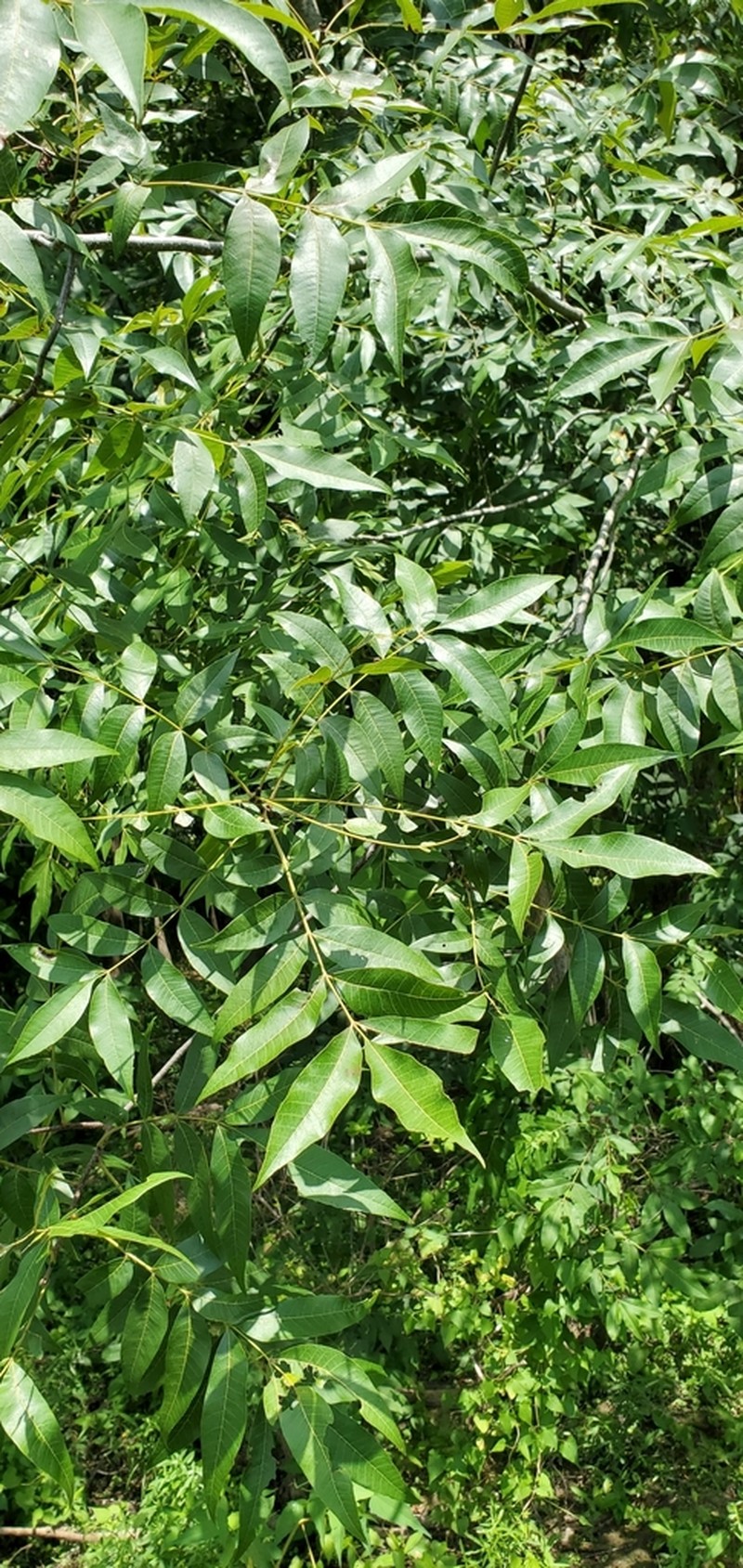
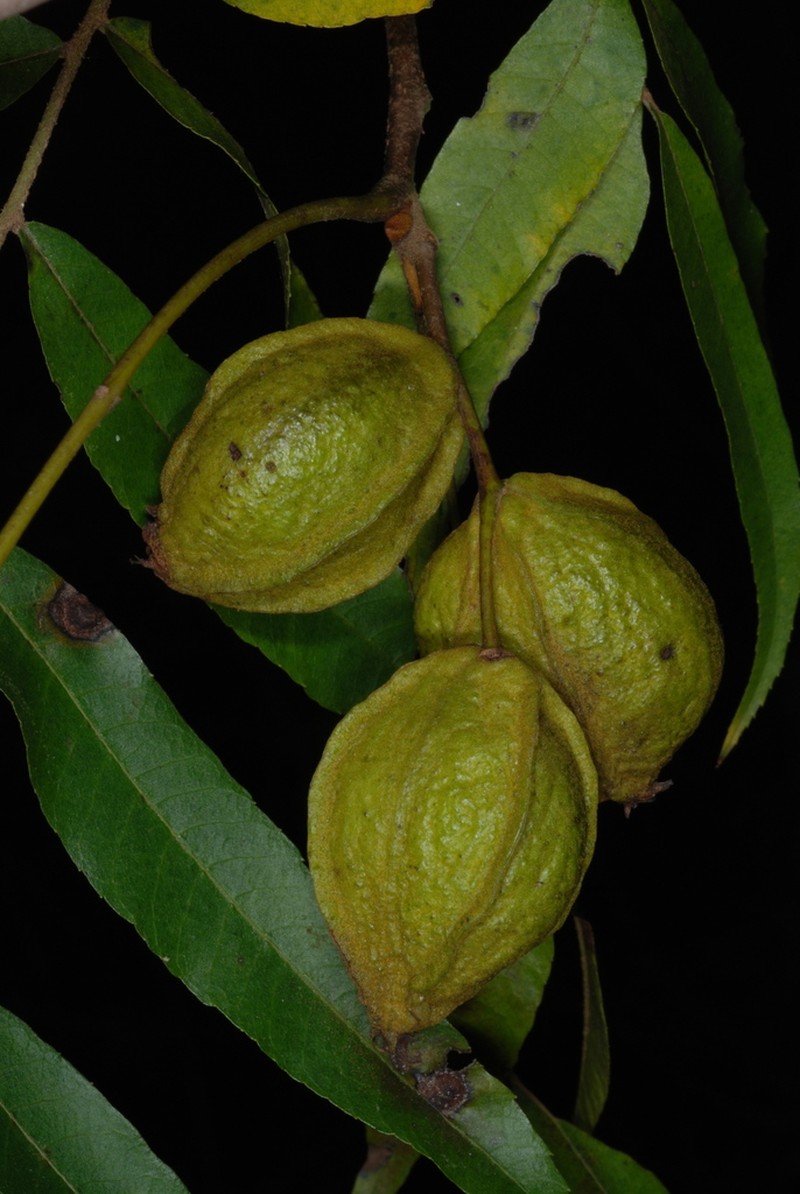
Taxonomy
- Division:
- Magnoliophyta | - Flowering plants
- Family:
- Juglandaceae
- Genus:
- Carya
- Species:
- Carya aquatica
- USDA Symbol:
- CAAQ2
Growth Characteristics
- Life Cycle:
- Perennial
- Growth Habit:
- Tree
- Height:
- 3000 cm
- Light Requirements:
- Part Shade
- Drought Tolerance:
- Low
- Bloom Months:
- apr,may
- Bloom Colors:
- greenish
Wildlife Benefits
- Butterflies & Moths:
- ★☆☆☆☆ Documented Lepidoptera association (GBIF)
- Caterpillars:
- ★☆☆☆☆ Recorded caterpillar host plant (HOSTS Database)
Keystone Species Ranking
- Caterpillar Keystone:
- ★★★★★ Butterfly & moth species supported by this genus (NWF)
Host Plant for Caterpillars
Garden & Ecology Notes
- Wildlife Value:
- birds, small mammals
- Fall Color:
- yellow
Soil Requirements
- Soil Type:
- rich, moisture-retentive clay or loam
- pH:
- 4.5 - 6.5 (acidic to slightly acidic)
- Drainage:
- tolerates poor drainage
- Moisture:
- consistently moist
- Notes:
- Commonly found in floodplains and wetland areas
Propagation & Germination
- Stratification:
- Cold/moist stratification required — 60–90 days
- Germination Time:
- 30–60 days
- Notes:
- Seeds require cold stratification for 60-90 days to break dormancy.
Pre-treatment: Stratification in moist medium at 33-40°F for 30 to 150 days. Seeds stored for more than a year may require only 30 to 60 days stratification. If cold storage facilities are not available, pit stratification with about 2 ft. of compost, leaf, or soil cover to prevent freezing. Prior to cold treatment, nuts should be soaked in water at room temperature for 2 to 4 days with 1 to 2 water changes per day.
Establishment: The plant is found mostly in poorly drained, heavy clay flats; largest specimens are found in the lower Mississippi Valley. Also, natural levees and banks of rivers and streams, and flood plain forests where the duration of flooding is relatively brief.
Source: npn.rngr.net
Where to Buy
Nationwide Seller
- Sheffield's Seed (seeds)