
Pecan
Carya illinoinensis
- Native to:
- Mexico, United States
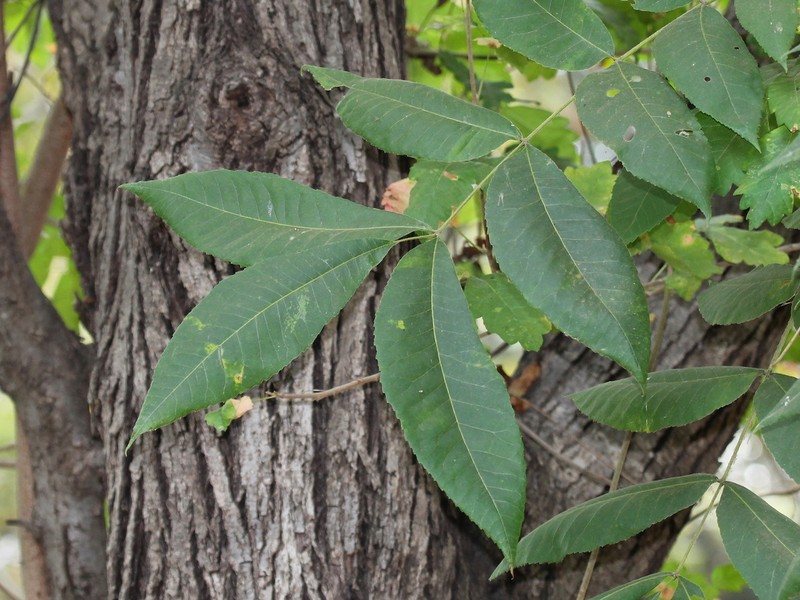
iNaturalist: © jaykeller (iNaturalist #1950950)
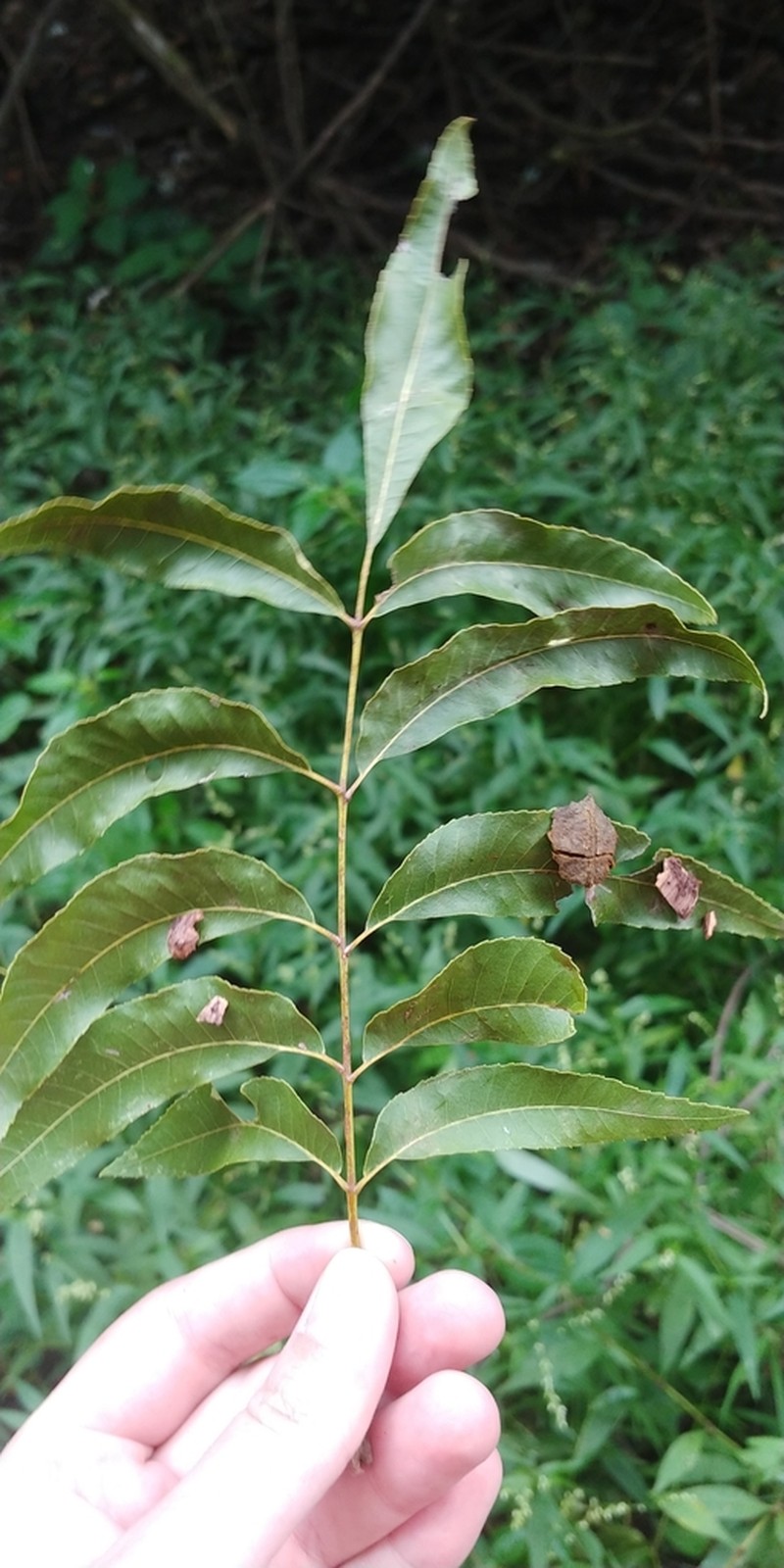
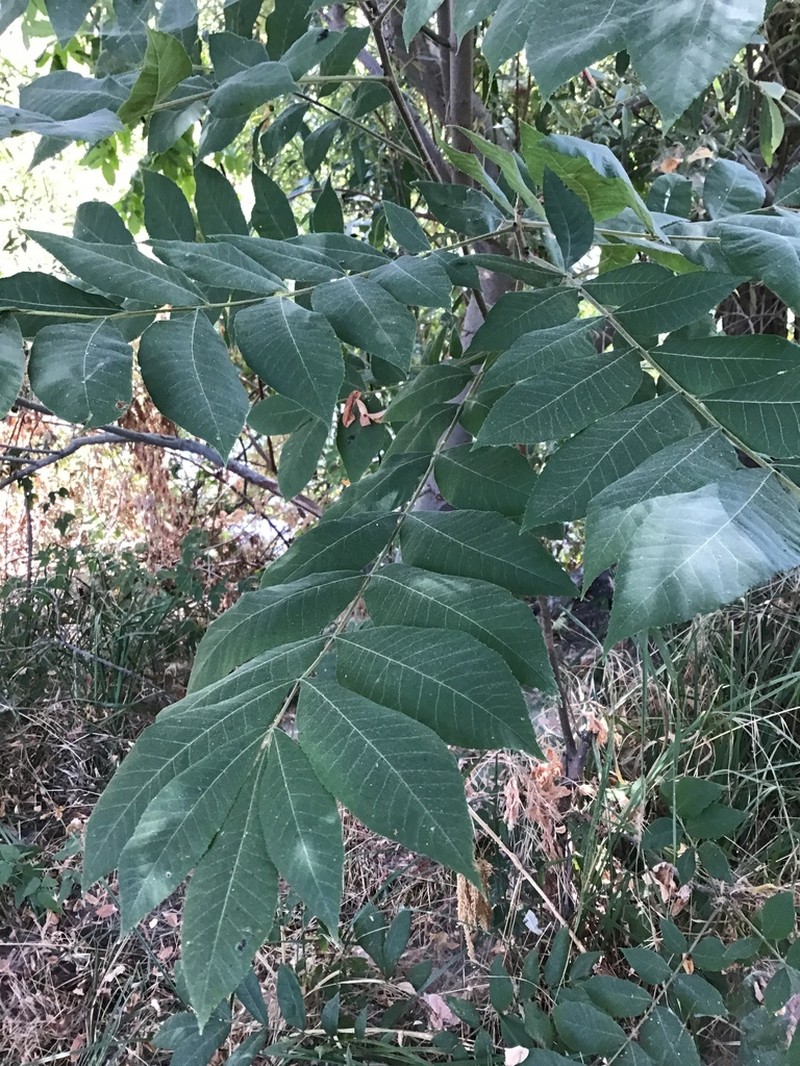
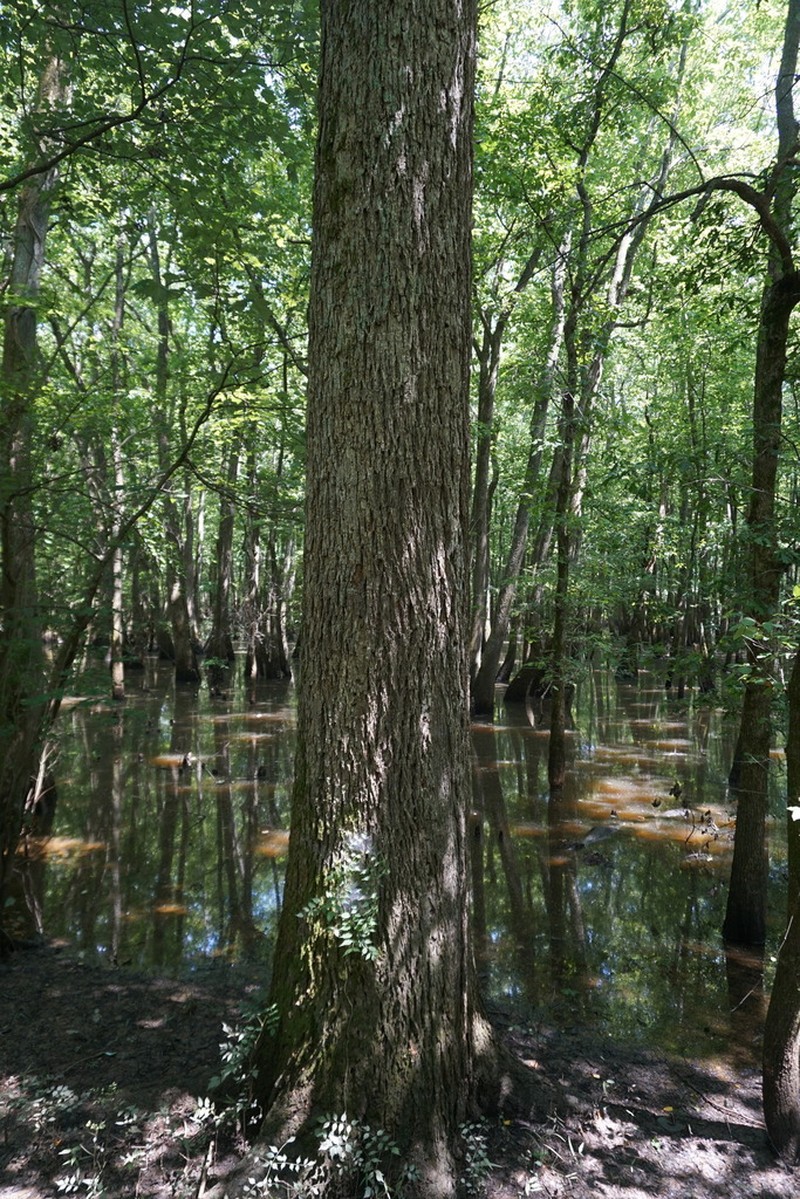
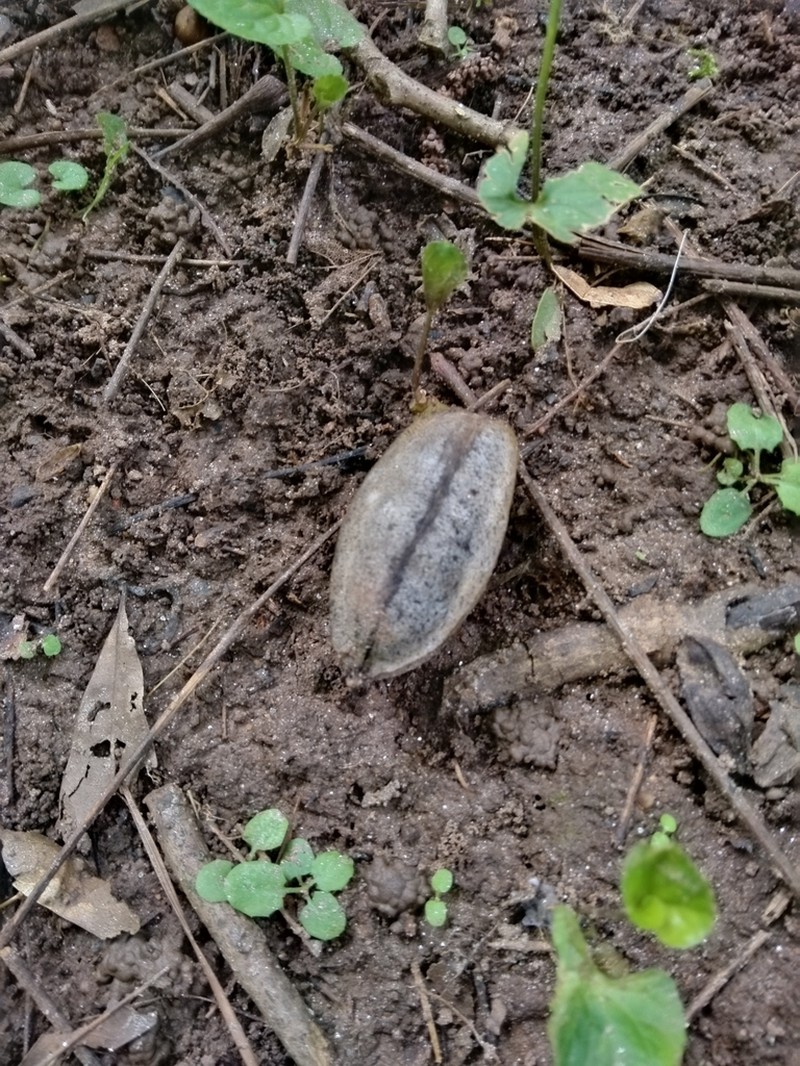
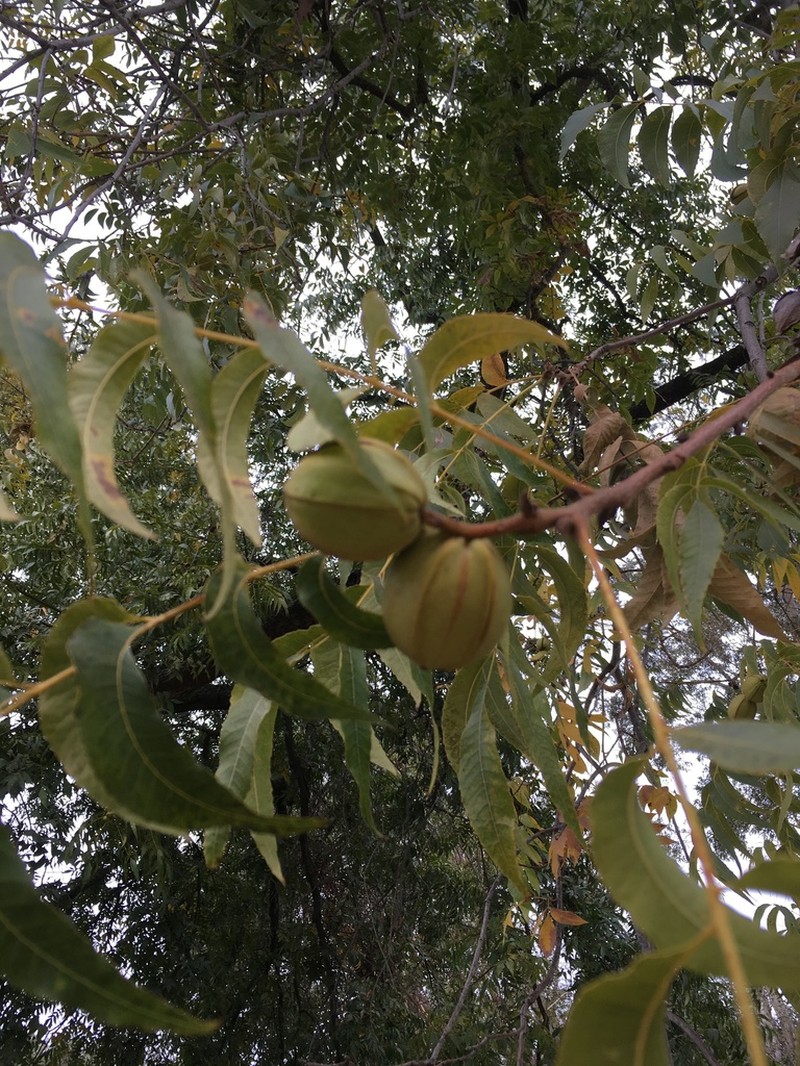
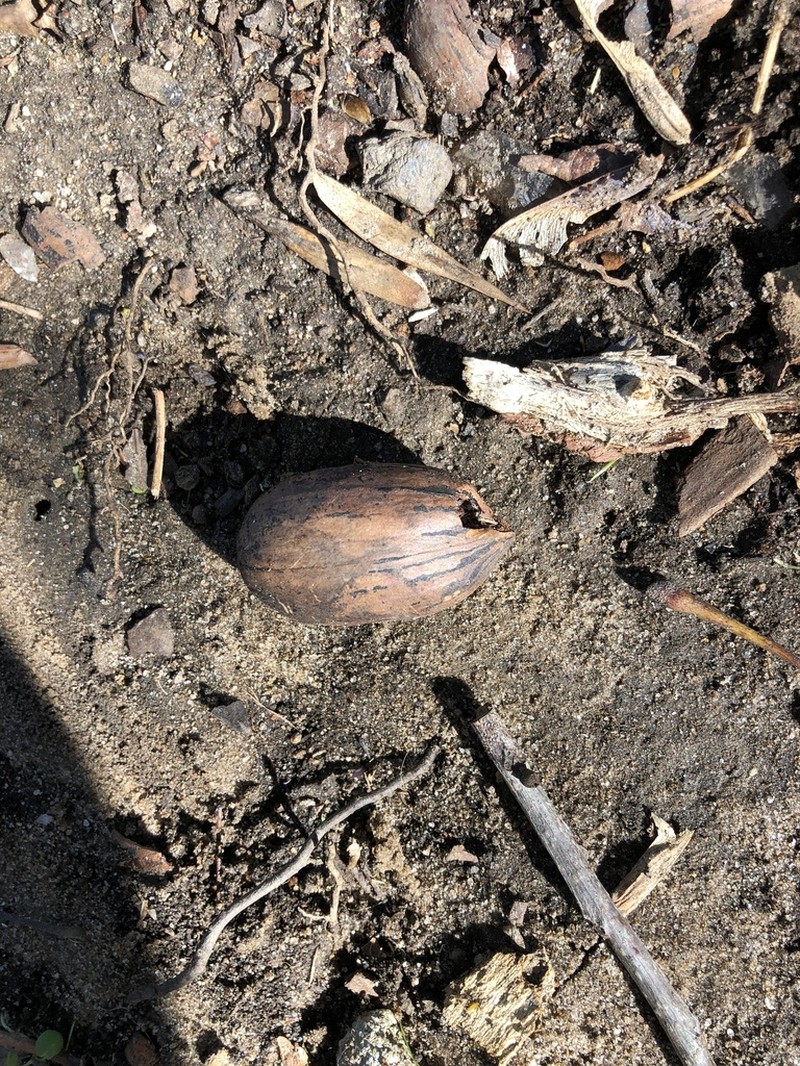
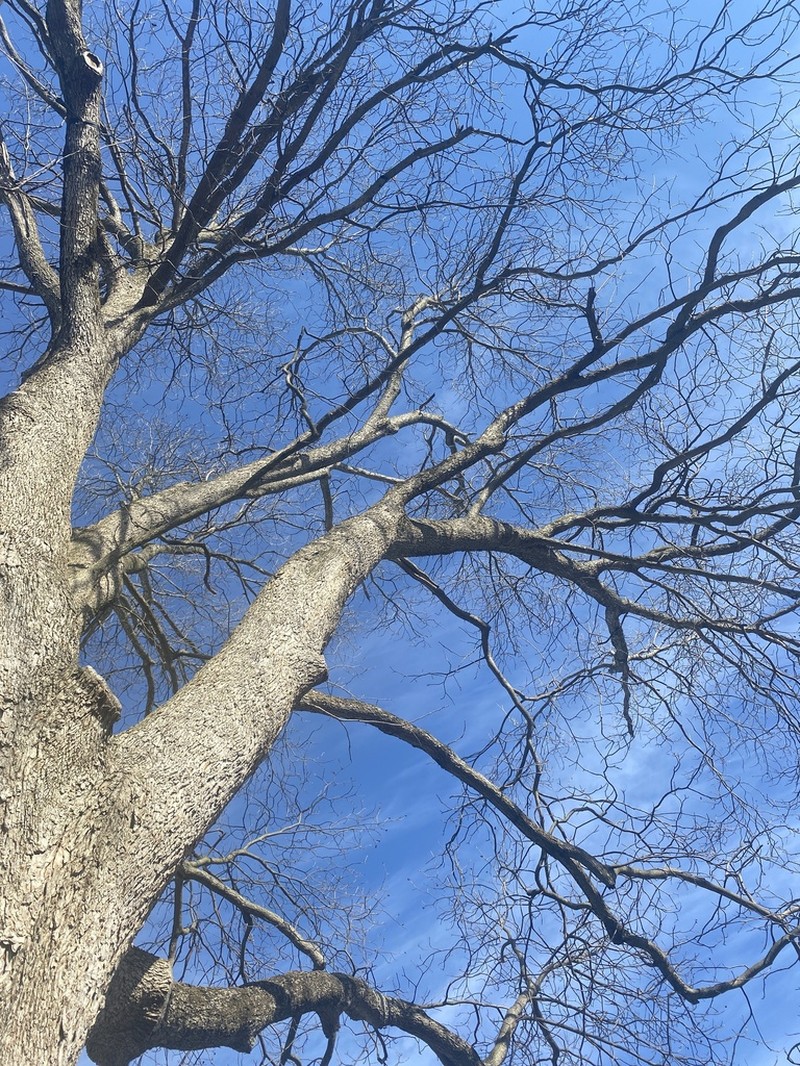
Taxonomy
- Division:
- Magnoliophyta | - Flowering plants
- Family:
- Juglandaceae
- Genus:
- Carya
- Species:
- Carya illinoinensis
- USDA Symbol:
- CAIL2
Growth Characteristics
- Life Cycle:
- Perennial
- Growth Habit:
- Tree
- Height:
- 3000 cm
- Light Requirements:
- Full Sun
- Drought Tolerance:
- Medium
- Bloom Months:
- apr,may
- Bloom Colors:
- greenish-yellow
- Food Forest:
- Contains edible parts
Wildlife Benefits
- Butterflies & Moths:
- ★★★★★ Documented Lepidoptera association (GBIF)
- Caterpillars:
- ★★★★★ Recorded caterpillar host plant (HOSTS Database)
Keystone Species Ranking
- Caterpillar Keystone:
- ★★★★★ Butterfly & moth species supported by this genus (NWF)
Host Plant for Caterpillars
Garden & Ecology Notes
- Wildlife Value:
- birds, mammals
- Fall Color:
- yellow
Soil Requirements
- Soil Type:
- rich, well-drained loamy soil
- pH:
- 6.0 - 7.0 (slightly acidic to neutral)
- Drainage:
- good drainage required
- Moisture:
- consistently moist
- Notes:
- prefers deep, fertile soils along riverbanks
Propagation & Germination
- Stratification:
- Cold/moist stratification required — 60–90 days
- Germination Time:
- 30–60 days
- Notes:
- Seeds require cold stratification for 60-90 days to break dormancy; germination occurs in spring after soil warms.
Pre-treatment: Seeds are cold stratified for 60 to 90 days and germinate under greenhouse temperatures. In another study, seeds germinate at 30 to 35 C.
Establishment: Seeds are purchased from local people who collect within a 50 mile radius of the nursery. Seeds are wild collected during late fall and early winter months and are kept separated according to site, elevation and source. Pecan grows principally in the bottomlands of the Mississippi River valley and its range extends westward from southern Indiana through Illinois, southeastern Iowa, and eastern Kansas, south to central Texas, and eastward to western Mississippi and western Tennessee. Its best commercial development is on river-front lands of the Mississippi Delta and along major rivers west of the Delta to Texas. Seed sources are from south central Missouri.
Source: npn.rngr.net
Where to Buy
Nationwide Seller
- Sheffield's Seed (seeds)