
Shellbark Hickory
Carya laciniosa
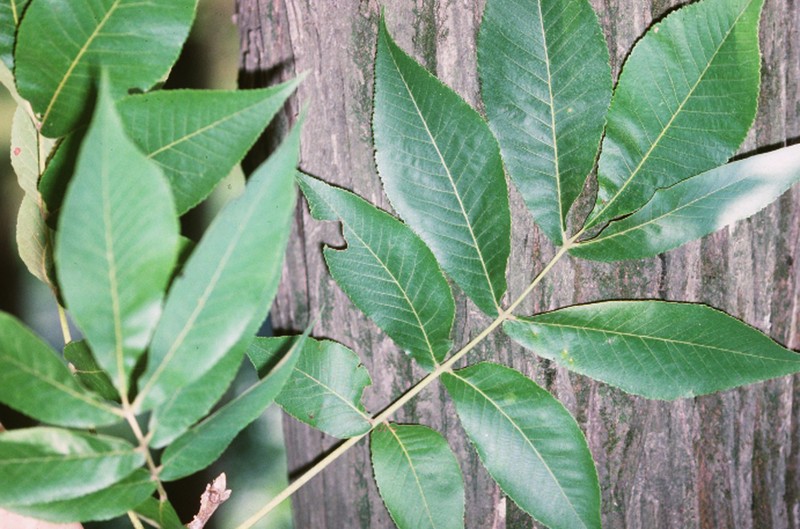
Taxonomy
- Division:
- Magnoliophyta | - Flowering plants
- Family:
- Juglandaceae
- Genus:
- Carya
- Species:
- Carya laciniosa
Growth Characteristics
- Life Cycle:
- Perennial
- Growth Habit:
- Tree
- Height:
- More than 40 ft
- Light Requirements:
- Full Sun
- Drought Tolerance:
- Medium
- Bloom Months:
- mar, apr, may, sep, oct, nov
- Bloom Colors:
- greenish-yellow, yellow
Keystone Species Ranking
- Caterpillar Keystone:
- ★☆☆☆☆ Based on number of butterfly and moth species using this genus as host plant (Source: National Wildlife Federation)
Host Plant for Caterpillars
chosen sallow (Psaphida electilis), Copper Underwing (Amphipyra pyramidoides), Fall webworm (Hyphantria cunea), Old Wife Underwing (Catocala palaeogama), residual underwing (Catocala residua), Yellownecked caterpillar (Datana ministra)
Soil Requirements
- Soil Type:
- rich, well-drained loamy soil
- pH:
- 6.0 - 7.5 (slightly acidic to neutral)
- Drainage:
- tolerates poor drainage
- Moisture:
- consistently moist
- Notes:
- Prefers bottomland and floodplain areas
Germination Information
Pre-treatment: Nuts are sown in late October and early November using a spreader into prepared field beds. Seed may be floated in water to help determine viability. Seed that floats is normally poorly filled and has low or no viability. Floaters are discarded, while the seed that sinks is retained for planting.
Establishment: Shellbark hickory is a slow growing species. Seedlings are usually 4 inches tall at the end of the first growing season. Seeds are collected from established natural stands and are kept separated according to site, elevation and source.
Source: npn.rngr.net