
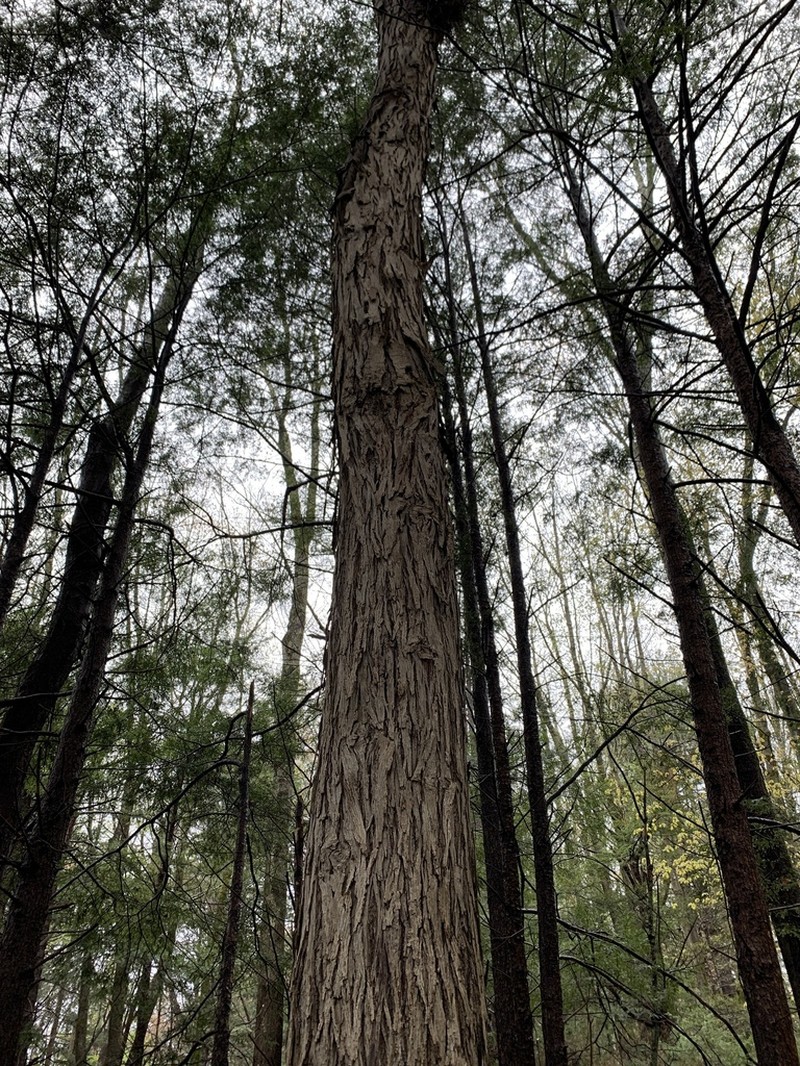
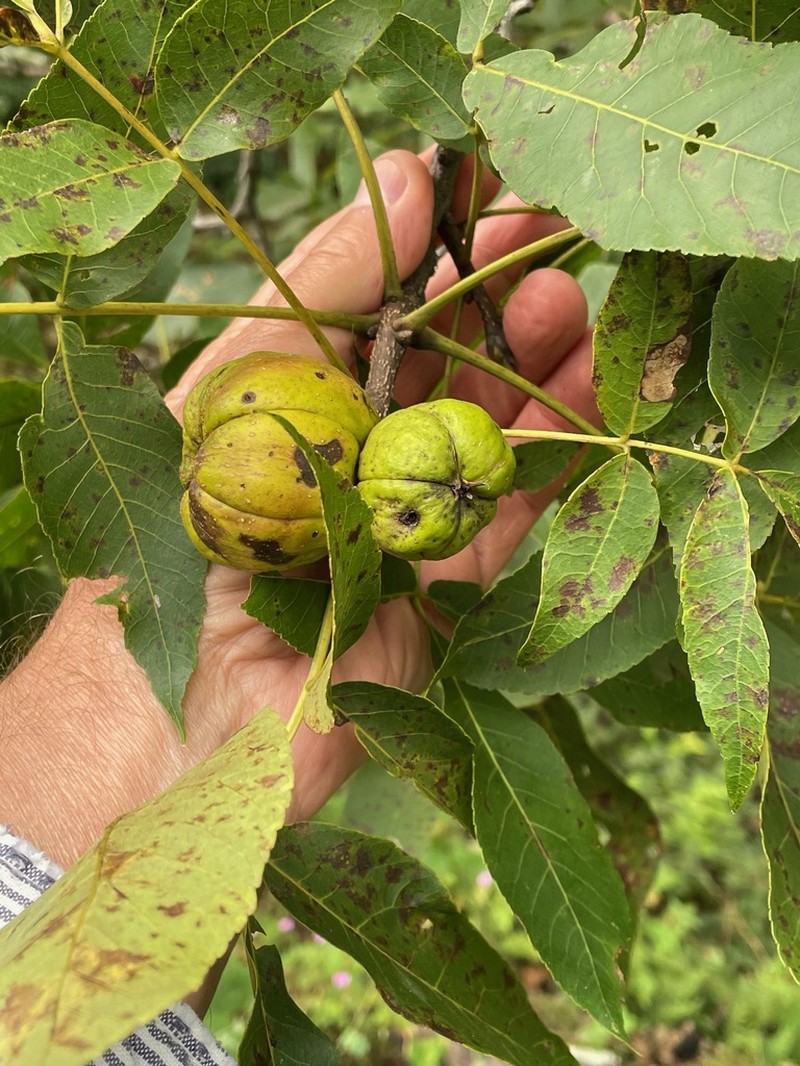
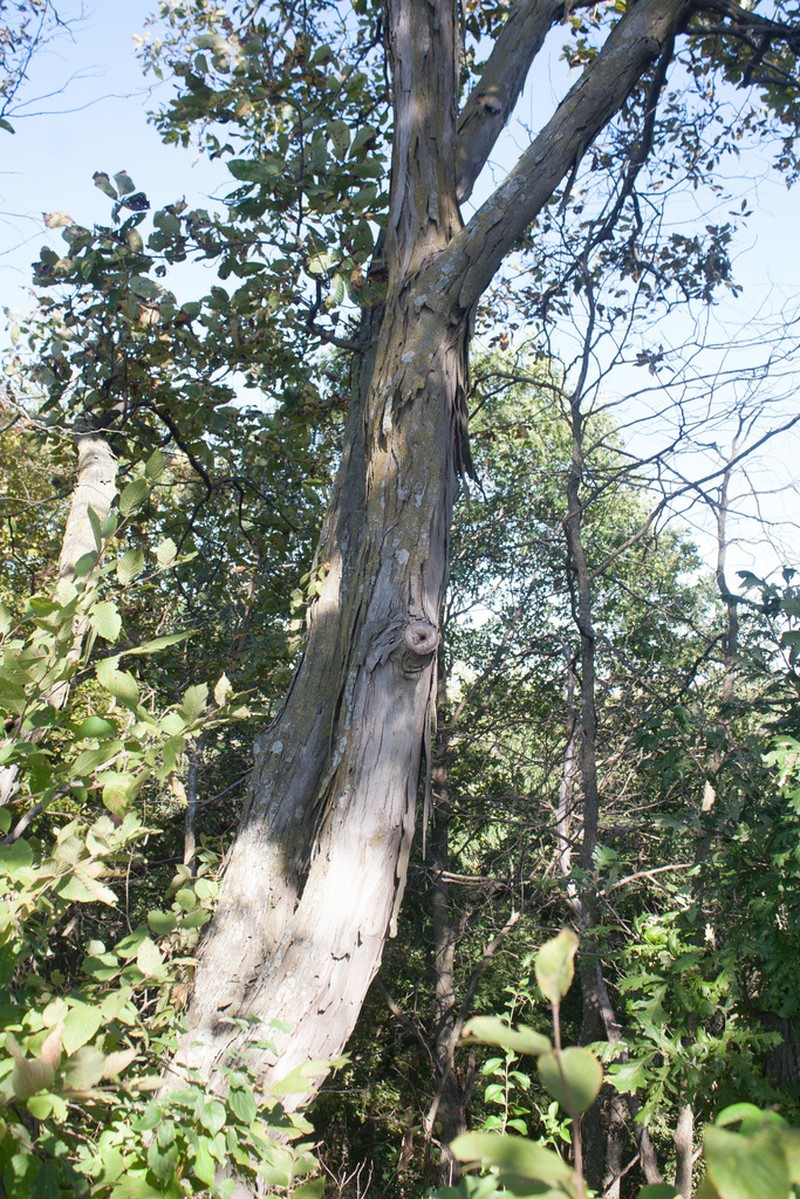
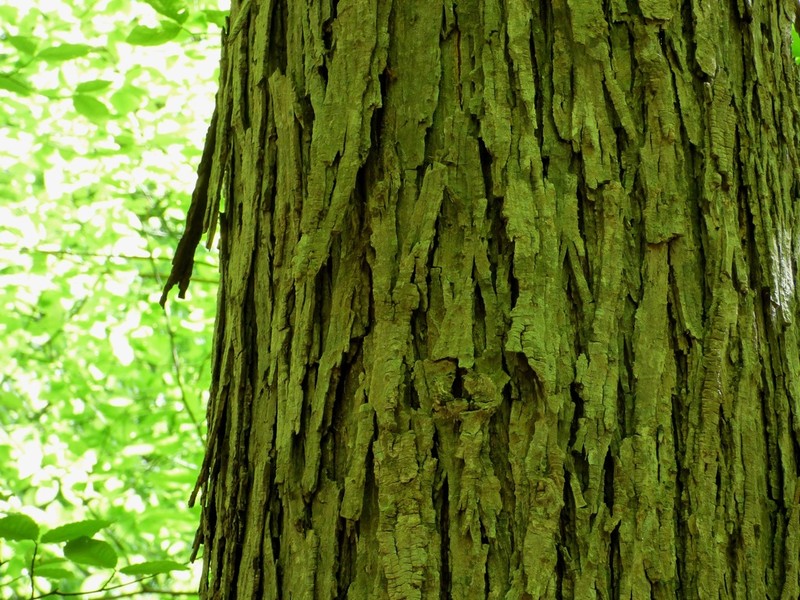
Shagbark Hickory
Carya ovata
- Native to:
- Canada, Mexico, United States, Virgin Islands
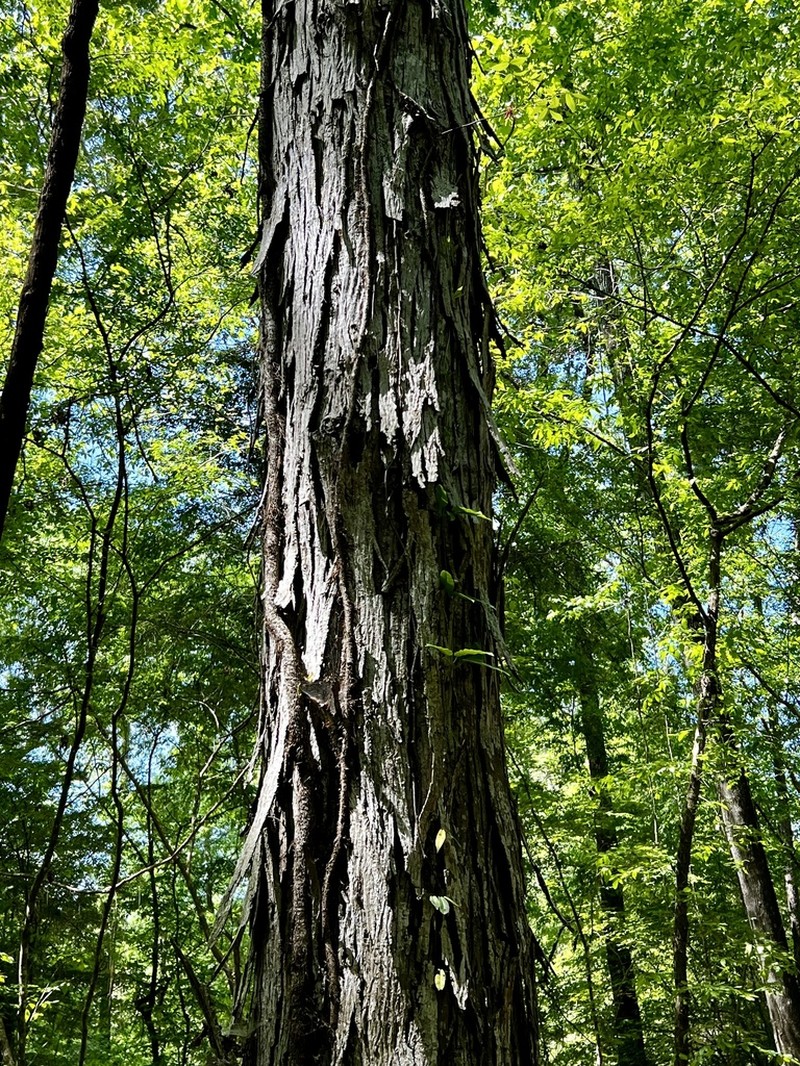
iNaturalist: © lauramorganclark (iNaturalist #205593255)
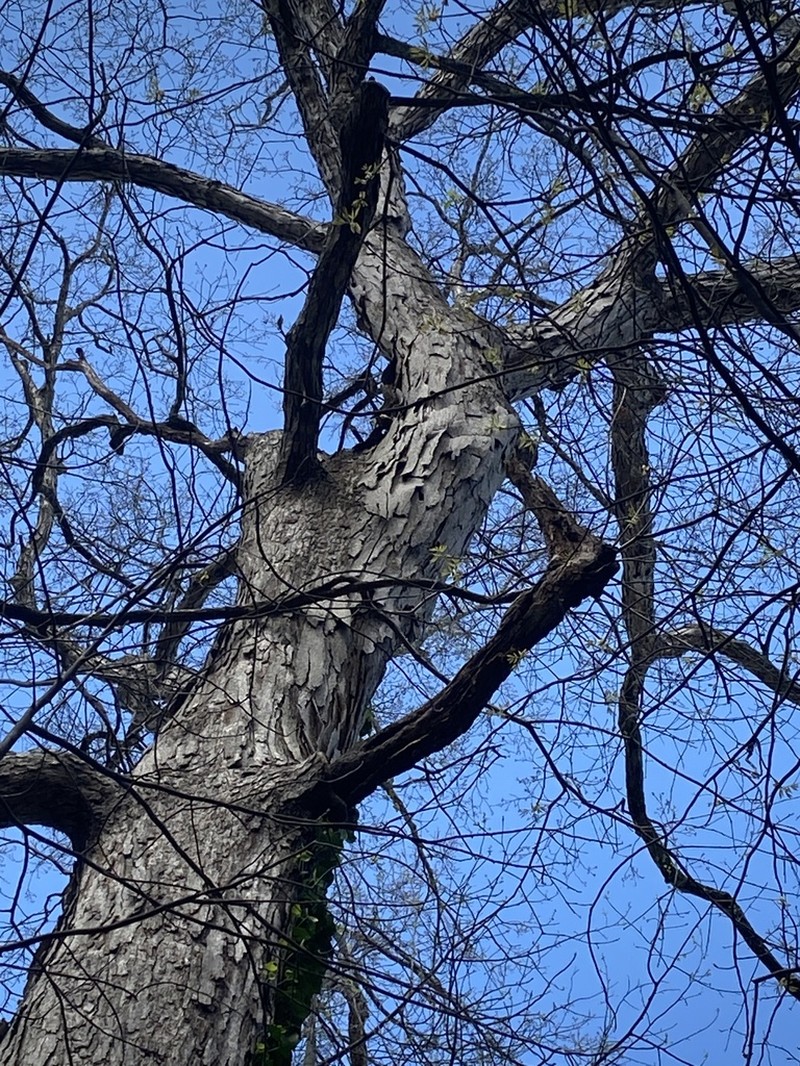
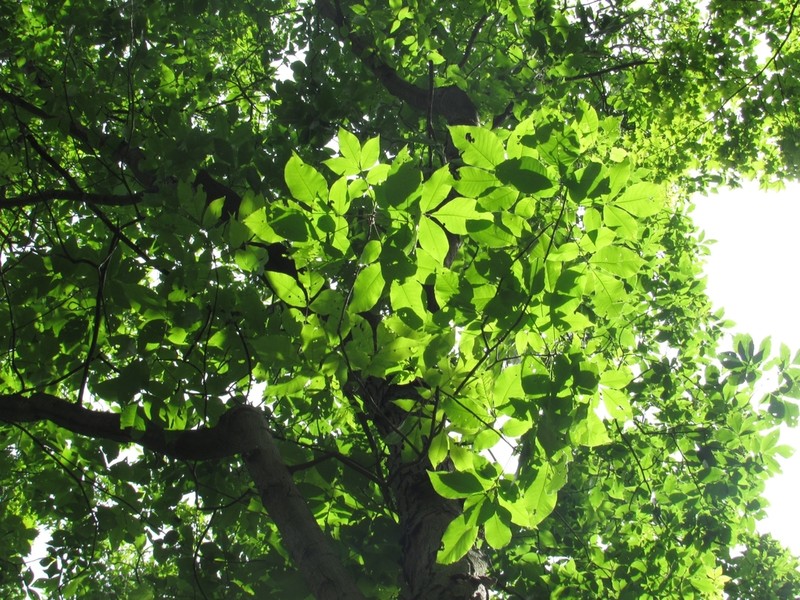
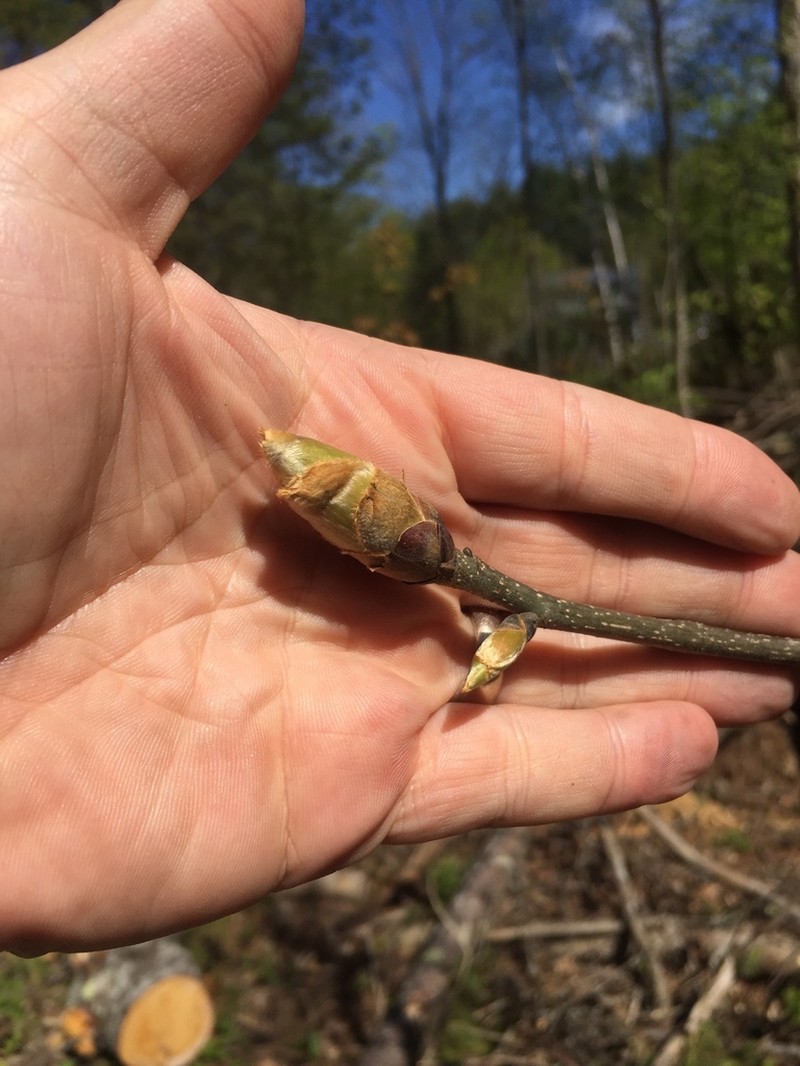
Taxonomy
- Division:
- Magnoliophyta | - Flowering plants
- Family:
- Juglandaceae
- Genus:
- Carya
- Species:
- Carya ovata
- USDA Symbol:
- CAOV2
Growth Characteristics
- Life Cycle:
- Perennial
- Growth Habit:
- Tree
- Height:
- 3000 cm
- Light Requirements:
- Full Sun,Part Shade,Shade
- Drought Tolerance:
- Medium
- Bloom Months:
- apr,may
- Bloom Colors:
- greenish-yellow
- Food Forest:
- Contains edible parts
Wildlife Benefits
- Bees:
- ★☆☆☆☆ Documented bee visitation (GBIF)
- Butterflies & Moths:
- ★★★★★ Documented Lepidoptera association (GBIF)
- Caterpillars:
- ★★★★☆ Recorded caterpillar host plant (HOSTS Database)
Keystone Species Ranking
- Caterpillar Keystone:
- ★★★★★ Butterfly & moth species supported by this genus (NWF)
Host Plant for Caterpillars
Reported Fauna Sightings
Garden & Ecology Notes
- Wildlife Value:
- birds, mammals
- Fall Color:
- yellow, orange, brown
Soil Requirements
- Soil Type:
- rich, well-drained loamy soil
- pH:
- 5.5 - 7.0 (slightly acidic to neutral)
- Drainage:
- tolerates poor drainage
- Moisture:
- consistently moist
- Notes:
- prefers deep, fertile soils in floodplains
Propagation & Germination
- Stratification:
- Cold/moist stratification required — 60–120 days
- Germination Time:
- 30–90 days
- Notes:
- Seeds require cold stratification for 60-120 days; germination occurs in spring after soil warms.
Pre-treatment: Seeds are cold stratified for 30 to 150 days. Fresh seeds are sown by hand into prepared field beds during October. Seed may be floated in water to help determine viability. Seed that floats is discarded, while the seed that sinks is retained for planting.
Establishment: Seeds are collected from various sources, including local people who collect within a 50 mile radius of the nursery, and established natural stands within the confines of Stones River National Battlefield. The general distribution of C. ovata is within temperate deciduous forests of central and eastern North America.
Source: npn.rngr.net
ORGHPS Germination Guide: Expose to fluctuation outdoor winter temperatures including freezing for 3 months. Gradually increase light and temperature in the spring. * plant in deep pot
Where to Buy
Nationwide Seller
- Sheffield's Seed (seeds)
- Native Plants Nursery (nursery)