
Black Hickory
Carya texana
- Native to:
- United States
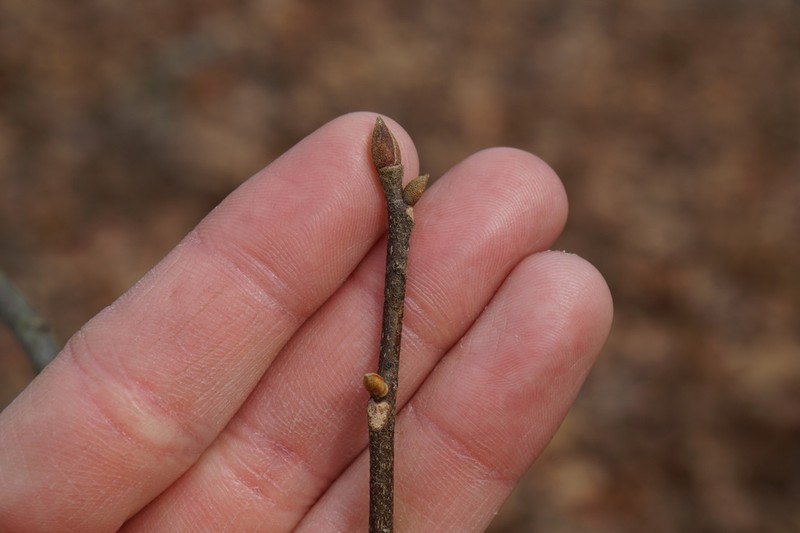
iNaturalist: © rarecatsnake (iNaturalist #67198328)
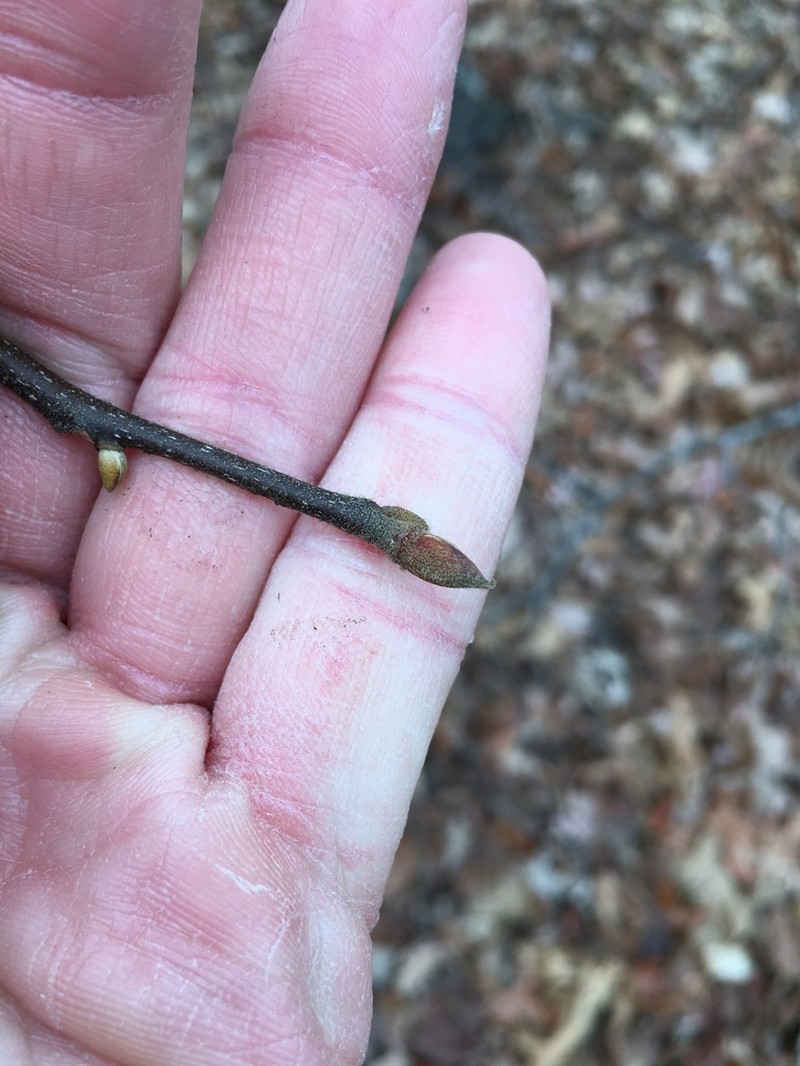
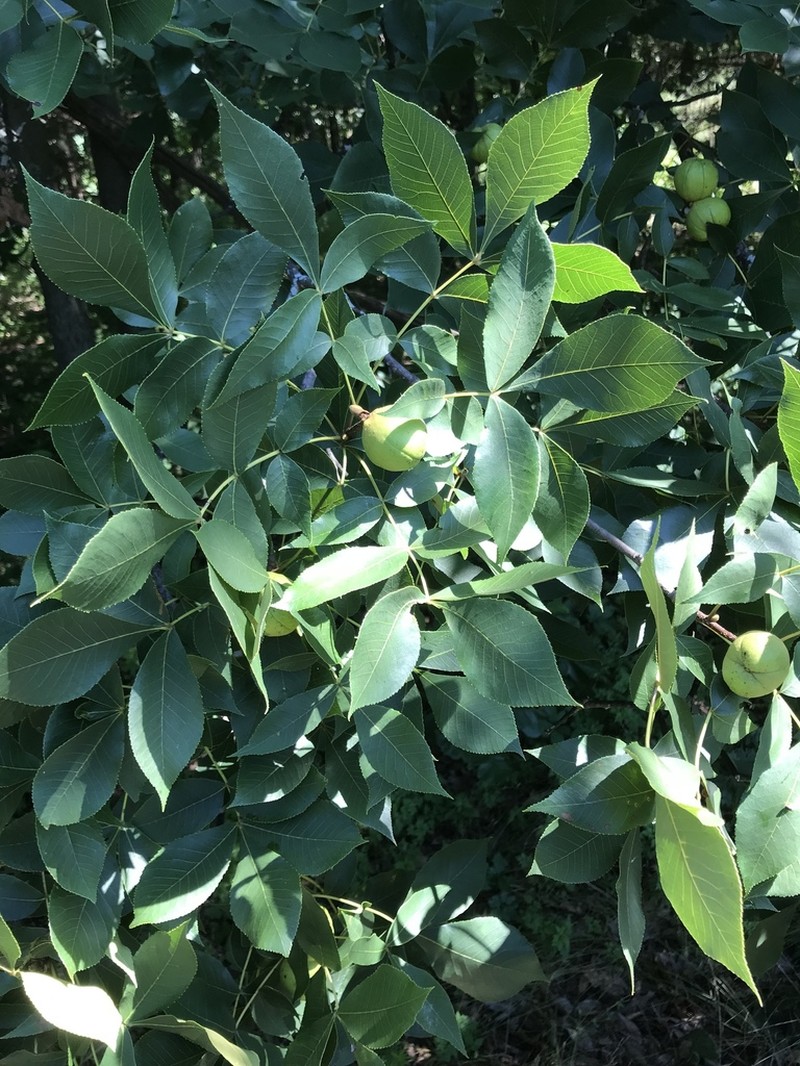
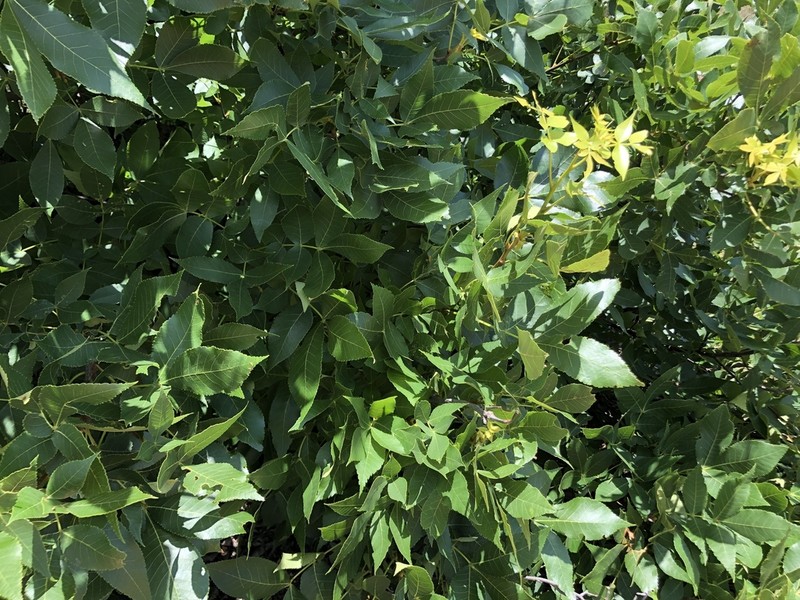
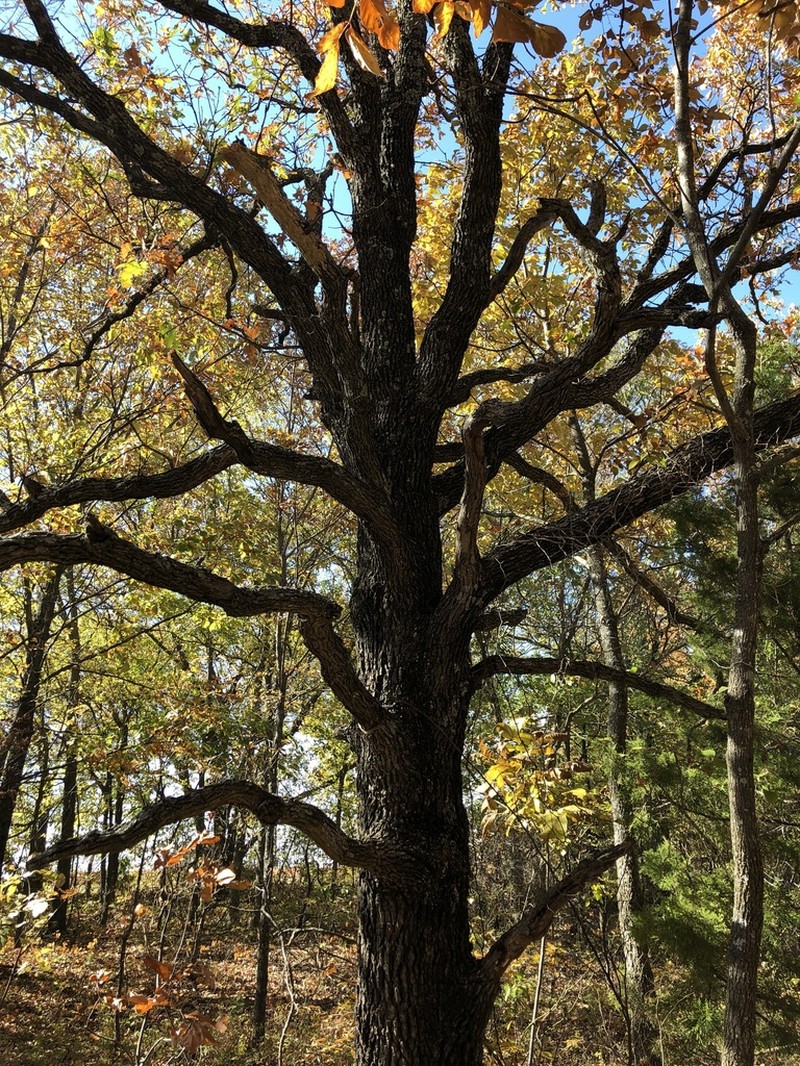
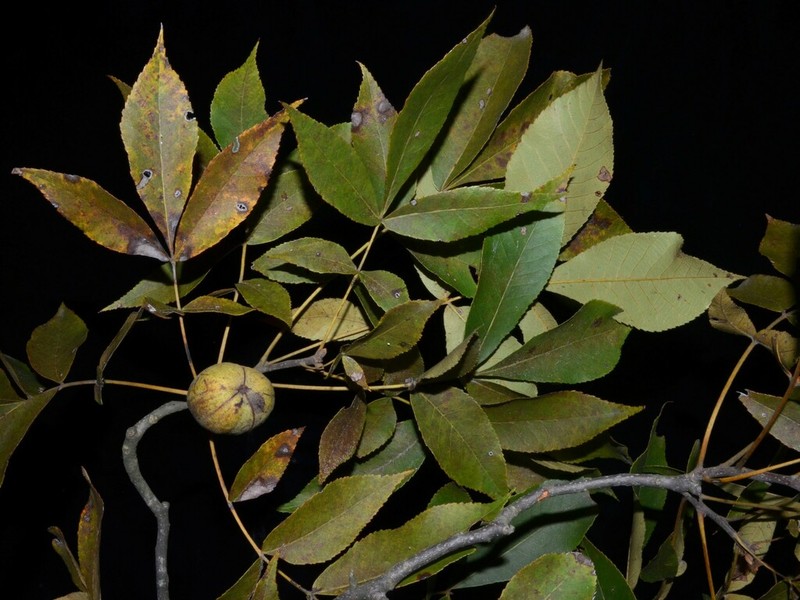
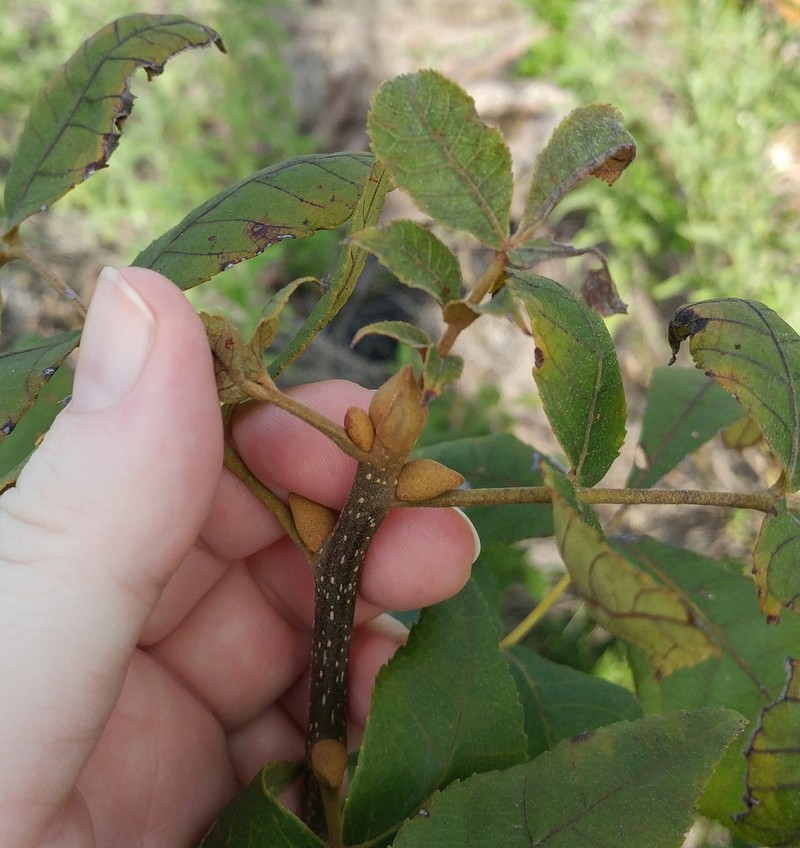
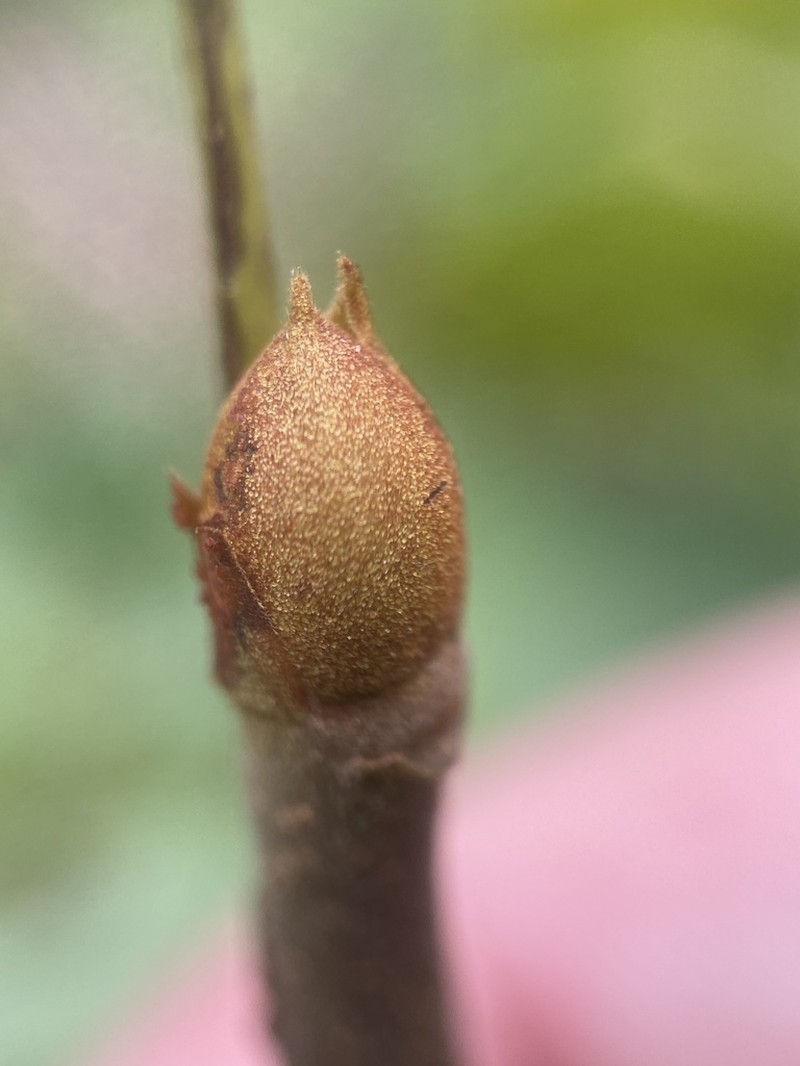
Taxonomy
- Division:
- Magnoliophyta | - Flowering plants
- Family:
- Juglandaceae
- Genus:
- Carya
- Species:
- Carya texana
- USDA Symbol:
- CATE9
Growth Characteristics
- Life Cycle:
- Perennial
- Growth Habit:
- Tree
- Height:
- 3000 cm
- Light Requirements:
- Part Shade
- Drought Tolerance:
- High
- Bloom Months:
- apr,may
Wildlife Benefits
- Butterflies & Moths:
- ★★☆☆☆ Documented Lepidoptera association (GBIF)
Keystone Species Ranking
- Caterpillar Keystone:
- ★★★★★ Butterfly & moth species supported by this genus (NWF)
Host Plant for Caterpillars
Acrobasis caryalbella, Acrobasis kearfottella, Acrobasis stigmella, American Dagger Moth (Acronicta americana), Cecropia moth (Hyalophora cecropia), Coleophora ostryae, dejected underwing (Catocala dejecta), elm spanworm moth (Ennomos subsignaria), Epione underwing (Catocala epione), Fall webworm (Hyphantria cunea), Gypsy moth (Lymantria dispar), hickory shoot borer (Acrobasis caryae), Hickory Tussock Moth (Lophocampa caryae), Inconsolable Underwing (Catocala insolabilis), Luna moth (Actias luna), mourning underwing (Catocala flebilis), oak leafroller (Acrobasis angusella), Old Wife Underwing (Catocala palaeogama), pecan leafminer (Cameraria caryaefoliella), Penitent Underwing (Catocala piatrix), Polyphemus moth (Antheraea polyphemus), Red-humped caterpillar moth (Schizura concinna), Regal Moth (Citheronia regalis), residual underwing (Catocala residua), Splendid Royal Moth (Citheronia splendens), Spring cankerworm (Paleacrita vernata), Yellow-Banded Underwing (Catocala retecta), Yellownecked caterpillar (Datana ministra), Banded Hairstreak (Satyrium calanus), hickory hairstreak (Satyrium caryaevorum)
Garden & Ecology Notes
- Wildlife Value:
- birds, small mammals
- Fall Color:
- yellow, orange, red
- Fire Ecology:
- Fire adapted — tolerates or benefits from fire
- Fire Notes:
- Thick bark provides some fire resistance; often persists in fire-maintained woodlands and savannas.
Soil Requirements
- Soil Type:
- well-drained, sandy or loamy soil
- pH:
- 5.5 - 7.0 (slightly acidic to neutral)
- Drainage:
- excellent drainage required
- Moisture:
- dry to moderate
- Notes:
- prefers upland areas with good drainage
Propagation & Germination
- Stratification:
- Cold/moist stratification required — 60–90 days
- Germination Time:
- 30–90 days
- Notes:
- Seeds require cold stratification for 60-90 days to break dormancy; germination occurs in spring after soil warms.
Pre-treatment: Cold-moist stratification for 30 days at 1–5°C (34–41°F).; then Cold-moist stratification for 90 days.
Source: Claude AI
Where to Buy
Nationwide Seller
- Sheffield's Seed (seeds)