
Butternut
Juglans cinerea
- Native to:
- Canada, United States, Virgin Islands
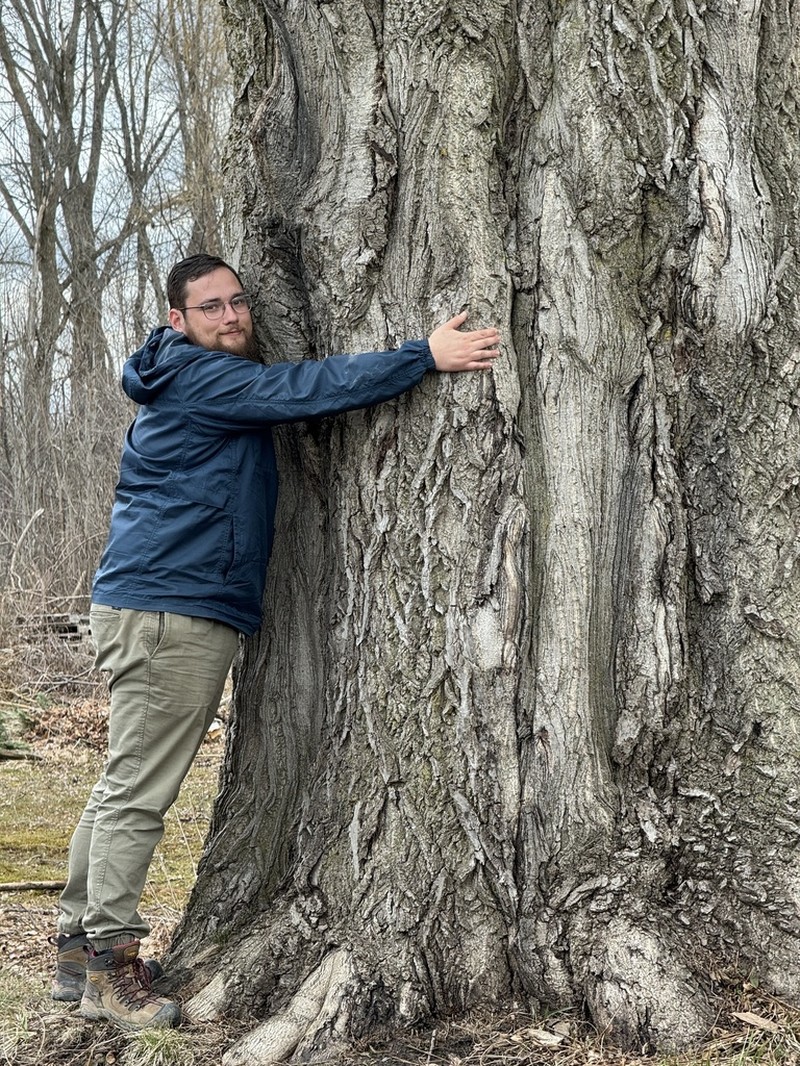
iNaturalist: © micholoko (iNaturalist #204980695)
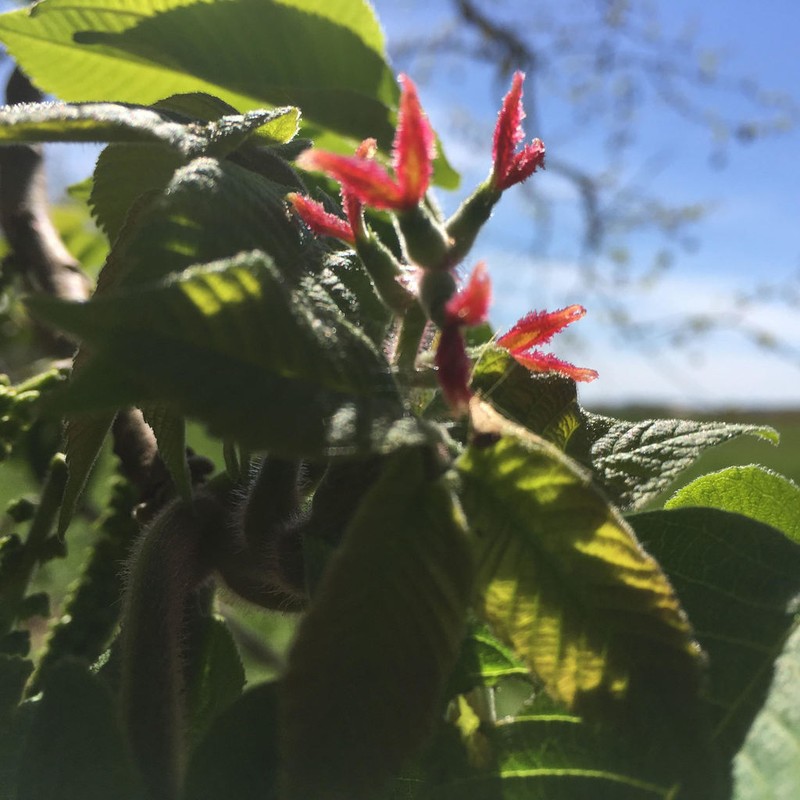
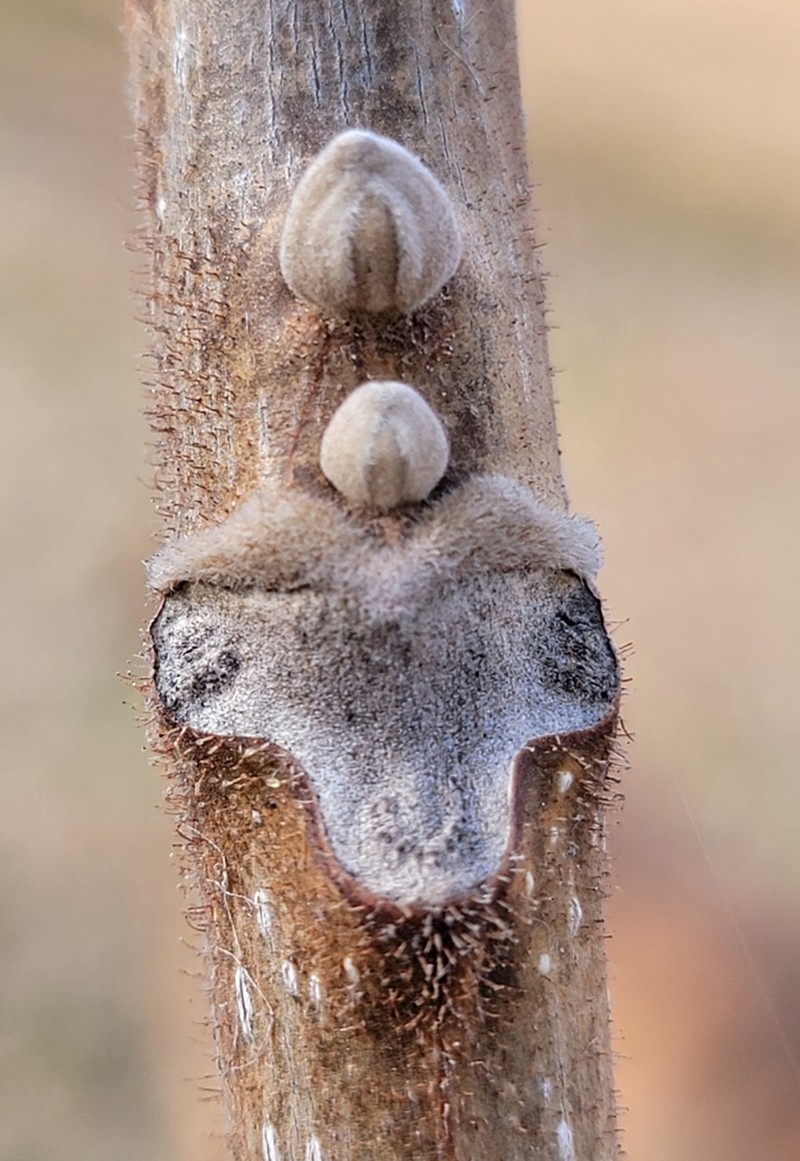
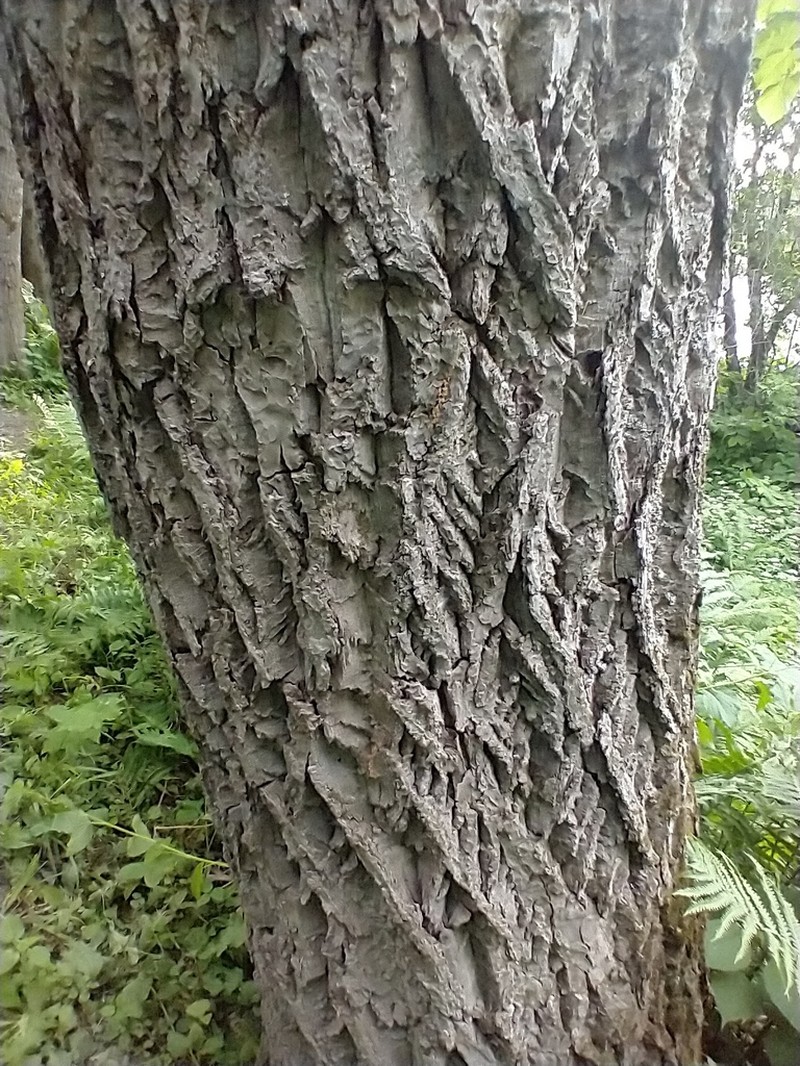
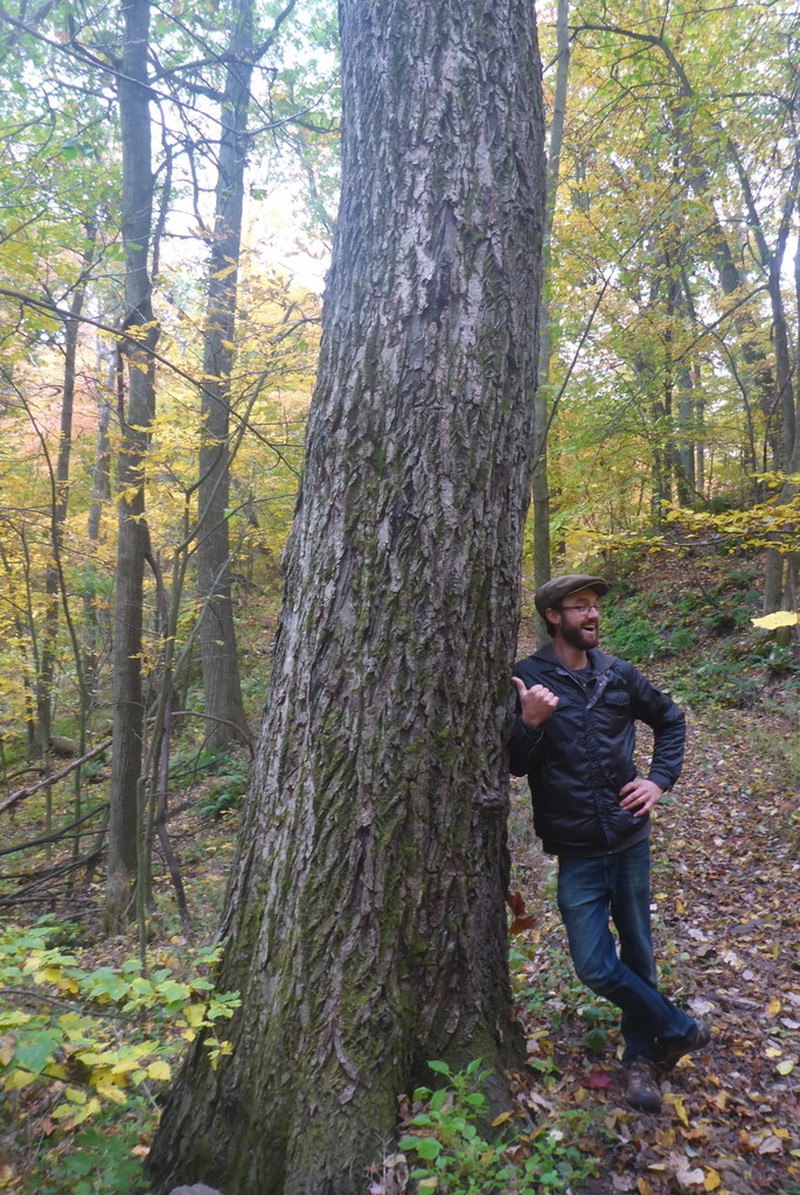
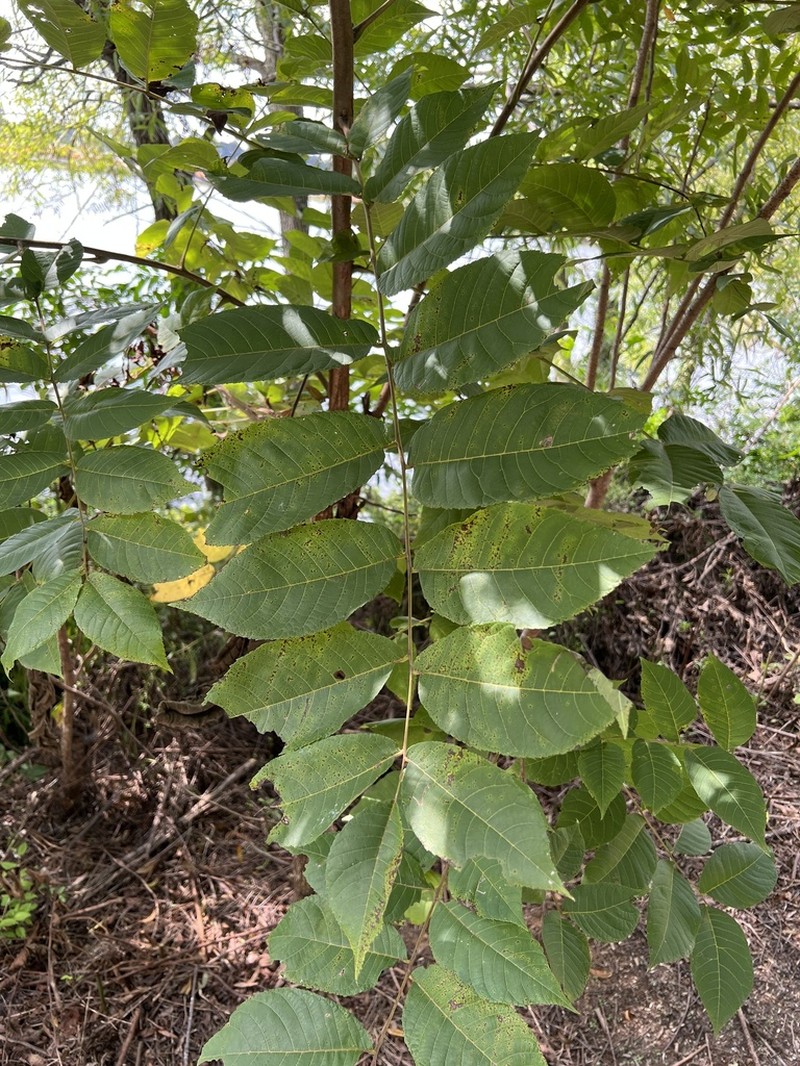
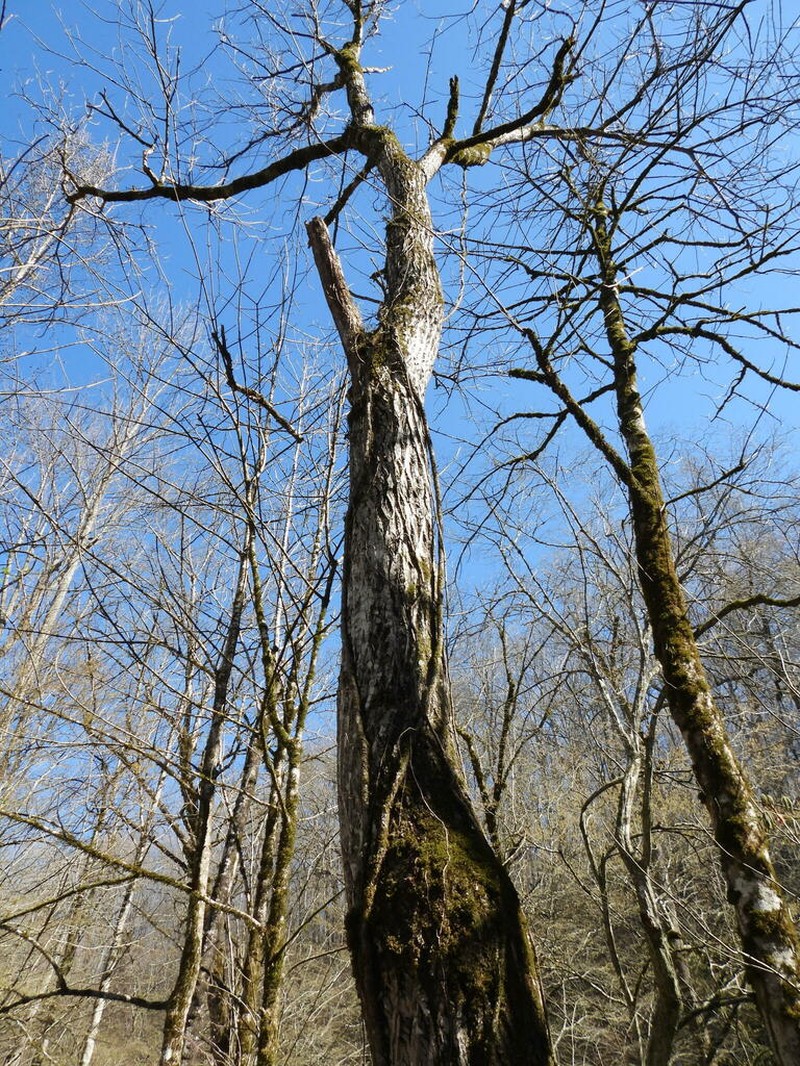
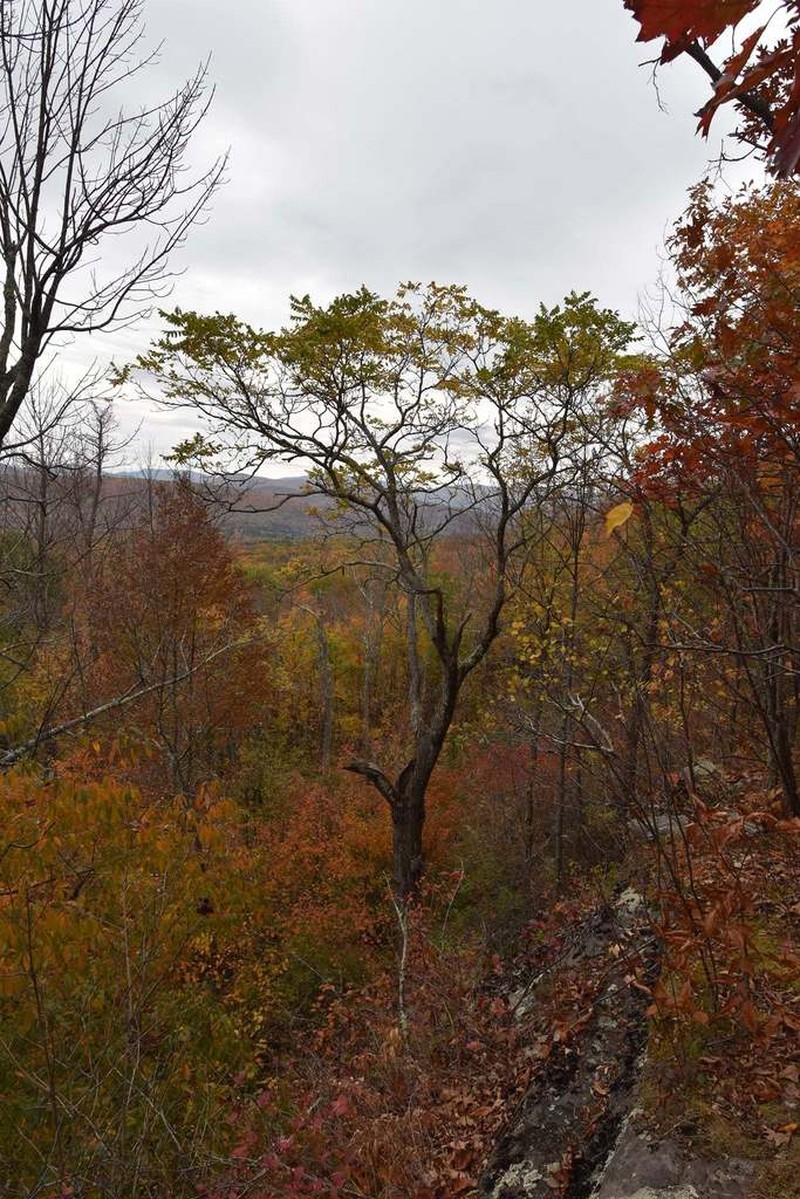
Taxonomy
- Division:
- Magnoliophyta | - Flowering plants
- Family:
- Juglandaceae
- Genus:
- Juglans
- Species:
- Juglans cinerea
- USDA Symbol:
- JUCI
Growth Characteristics
- Life Cycle:
- Perennial
- Growth Habit:
- Tree
- Height:
- 3000 cm
- Light Requirements:
- Full Sun
- Drought Tolerance:
- Low
- Bloom Months:
- apr,may
- Bloom Colors:
- greenish-yellow
- Food Forest:
- Contains edible parts
Wildlife Benefits
- Butterflies & Moths:
- ★★☆☆☆ Documented Lepidoptera association (GBIF)
- Caterpillars:
- ★★★★☆ Recorded caterpillar host plant (HOSTS Database)
Keystone Species Ranking
- Caterpillar Keystone:
- ★★★★★ Butterfly & moth species supported by this genus (NWF)
Host Plant for Caterpillars
Ailanthus silkmoth (Samia cynthia), Angus's datana (Datana angusii), Banded Tussock Moth (Halysidota tessellaris), Copper Underwing (Amphipyra pyramidoides), Distinct Lichen Moth (Achatia distincta), elm spanworm moth (Ennomos subsignaria), Epione underwing (Catocala epione), eyed baileya moth (Baileya ophthalmica), fall cankerworm (Alsophila pometaria), false prominent (Schizura leptinoides), Gluphisia septentrionis, Gypsy moth (Lymantria dispar), Hickory Tussock Moth (Lophocampa caryae), Imperial Moth (Eacles imperialis), Luna moth (Actias luna), Newlywed Underwing (Catocala neogama), Norman's Quaker (Crocigrapha normani), pecan leaf casebearer (Acrobasis juglandis), pecan leafminer (Cameraria caryaefoliella), Penitent Underwing (Catocala piatrix), Polyphemus moth (Antheraea polyphemus), Red-humped caterpillar moth (Schizura concinna), Regal Moth (Citheronia regalis), Rosy Maple Moth (Dryocampa rubicunda), Sleeping Baileya (Baileya dormitans), Smeared Dagger Moth (Acronicta oblinita), sordid hypena (Hypena sordidula), Splendid Royal Moth (Citheronia splendens), Stigmella juglandifoliella, tentoriferella (Machimia tentoriferella), Three-spotted sallow (Eupsilia tristigmata), Virginia Tiger Moth (Spilosoma virginica), Walnut Sphinx (Amorpha juglandis), White-marked Tussock Moth (Orgyia leucostigma), Widow Underwing (Catocala vidua), Yellownecked caterpillar (Datana integerrima), Yellownecked caterpillar (Datana ministra), Banded Hairstreak (Satyrium calanus), hickory hairstreak (Satyrium caryaevorum)
Reported Fauna Sightings
Moths:bland caloptilia moth (Caloptilia blandella), Stigmella juglandifoliella
Garden & Ecology Notes
- Wildlife Value:
- birds, small mammals
- Fall Color:
- yellow
Soil Requirements
- Soil Type:
- rich, well-drained loamy soil
- pH:
- 6.0 - 7.5 (slightly acidic to neutral)
- Drainage:
- excellent drainage required
- Moisture:
- consistently moist
- Notes:
- Prefers fertile soils in riparian zones
Propagation & Germination
- Stratification:
- Cold/moist stratification required — 90–120 days
- Germination Time:
- 30–60 days
- Notes:
- Seeds require cold stratification for 90-120 days; germination occurs in spring after stratification.
Pre-treatment: Seeds are cold stratified for 60 to 120 days or allowed to undergo natural stratification outdoors. Seeds have a hard seed coat and an embryo dormancy that can be broken by cold stratification.
Establishment: Seeds are either collected from mature nuts in the wild or purchased from local collectors. The general distribution of J. cinerea is within temperate deciduous forests of eastern North America, from Maine to Minnesota and south to Arkansas and Mississippi.
Source: npn.rngr.net
ORGHPS Germination Guide: Expose to fluctuating outdoor winter temps incl. freezing for 3 months. Increase light/temp in spring.
Where to Buy
Nationwide Seller
- Sheffield's Seed (seeds)