
Black Walnut
Juglans nigra
- Native to:
- Canada, United States, Virgin Islands
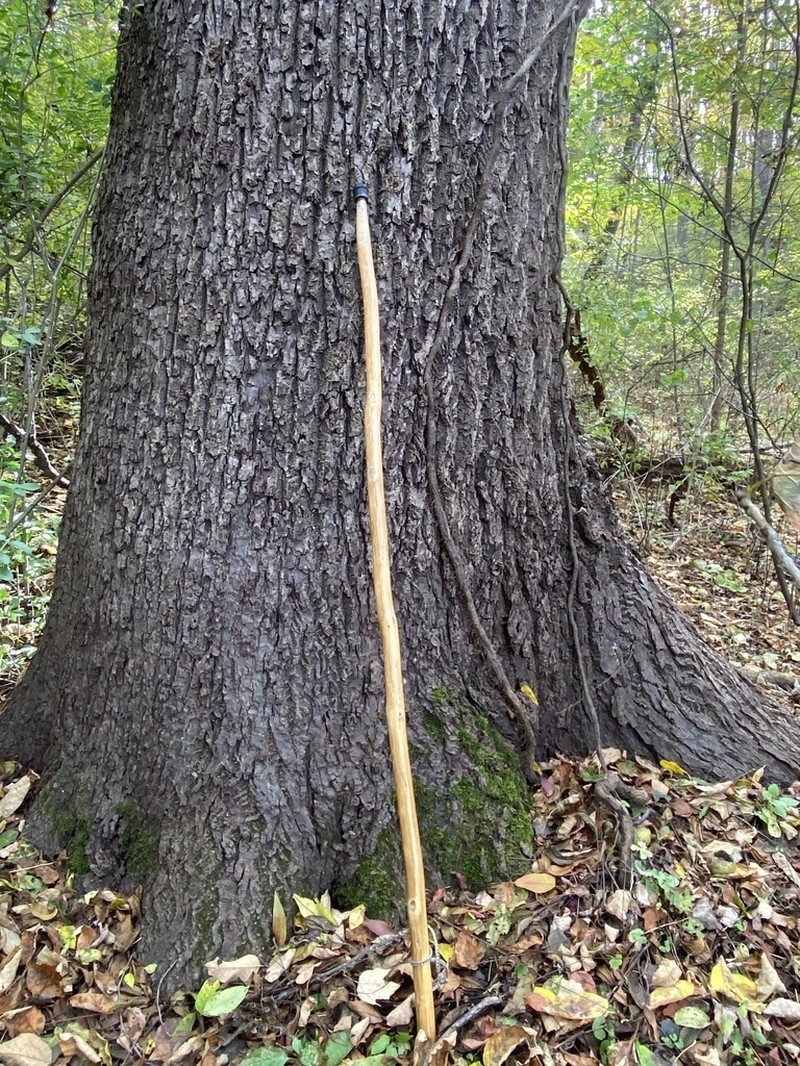
iNaturalist: © sadawolk (iNaturalist #188188310)
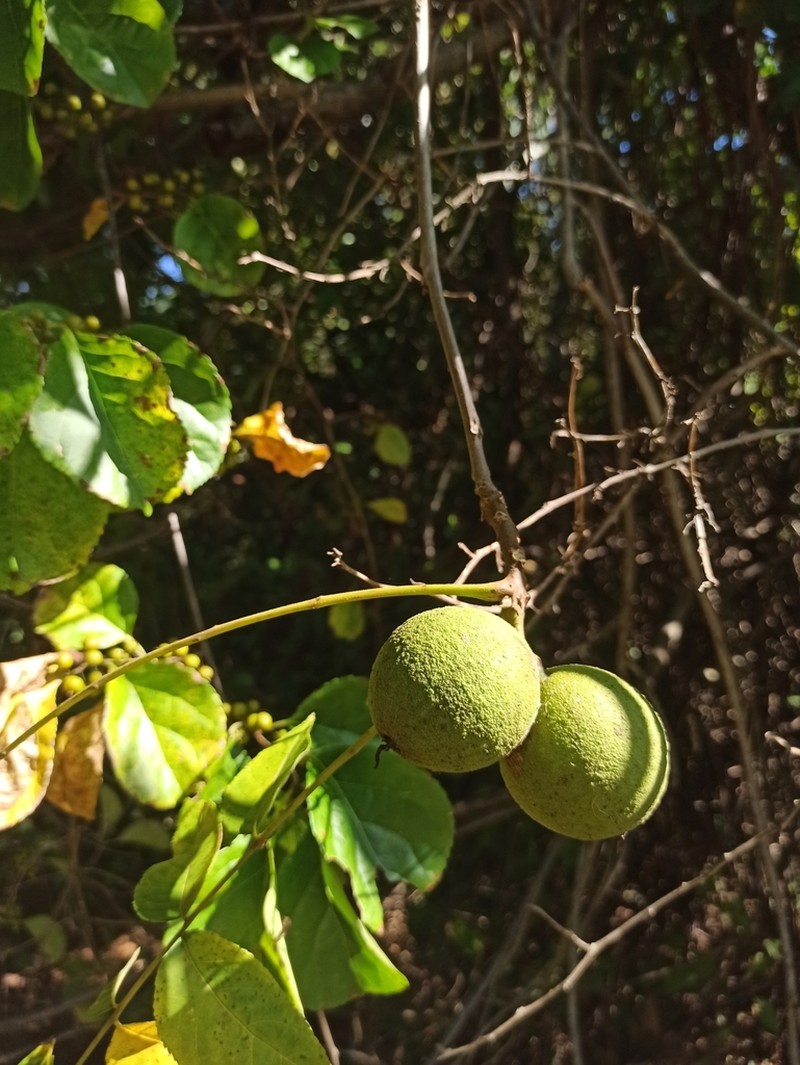
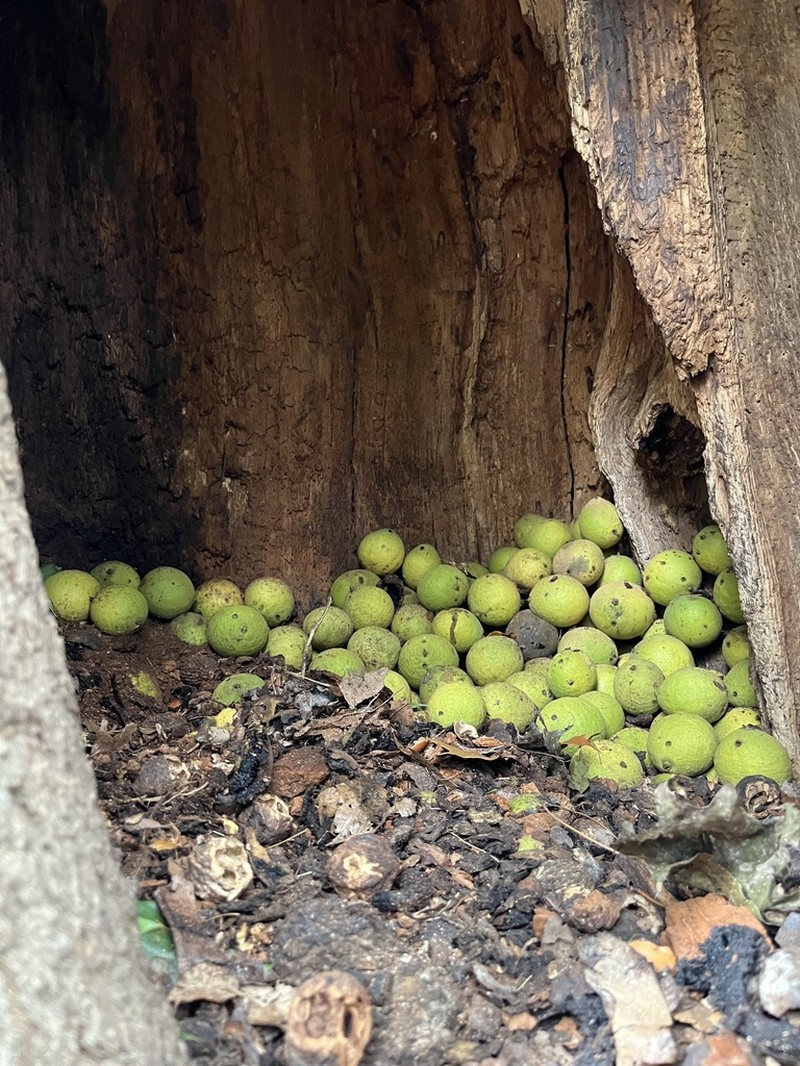
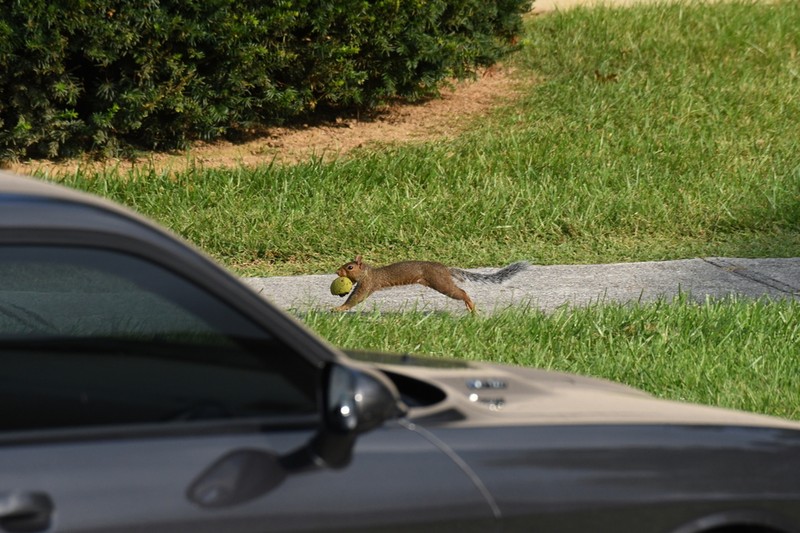
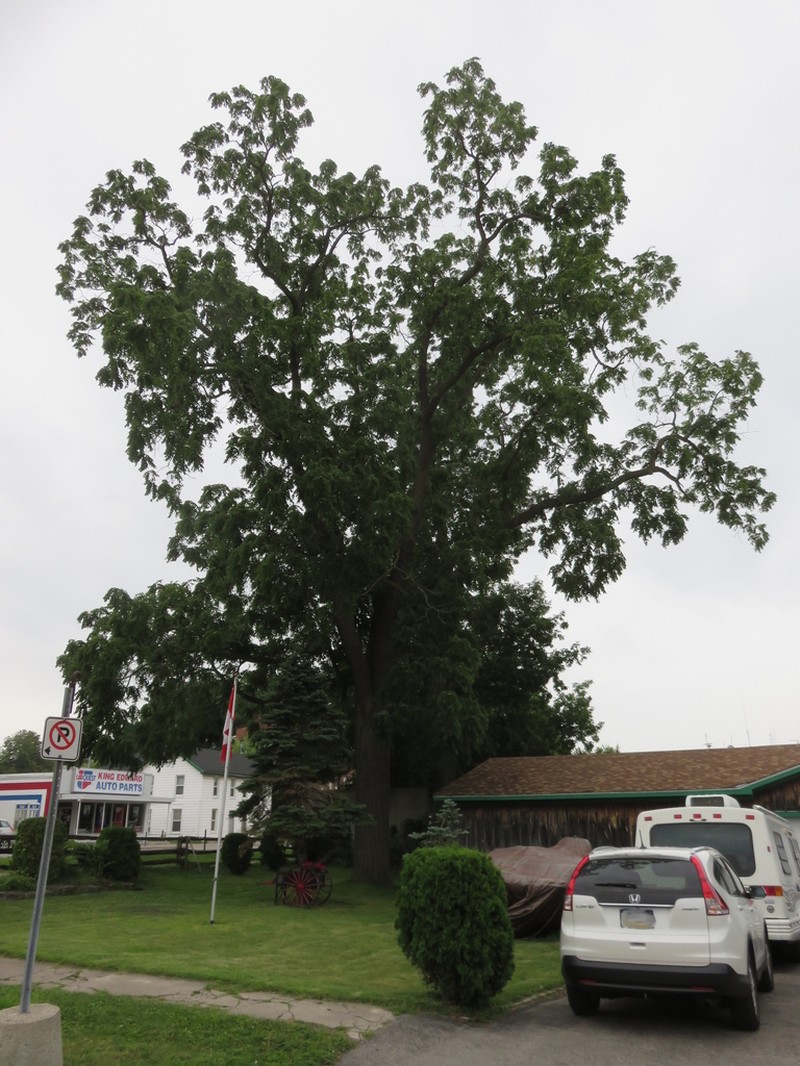
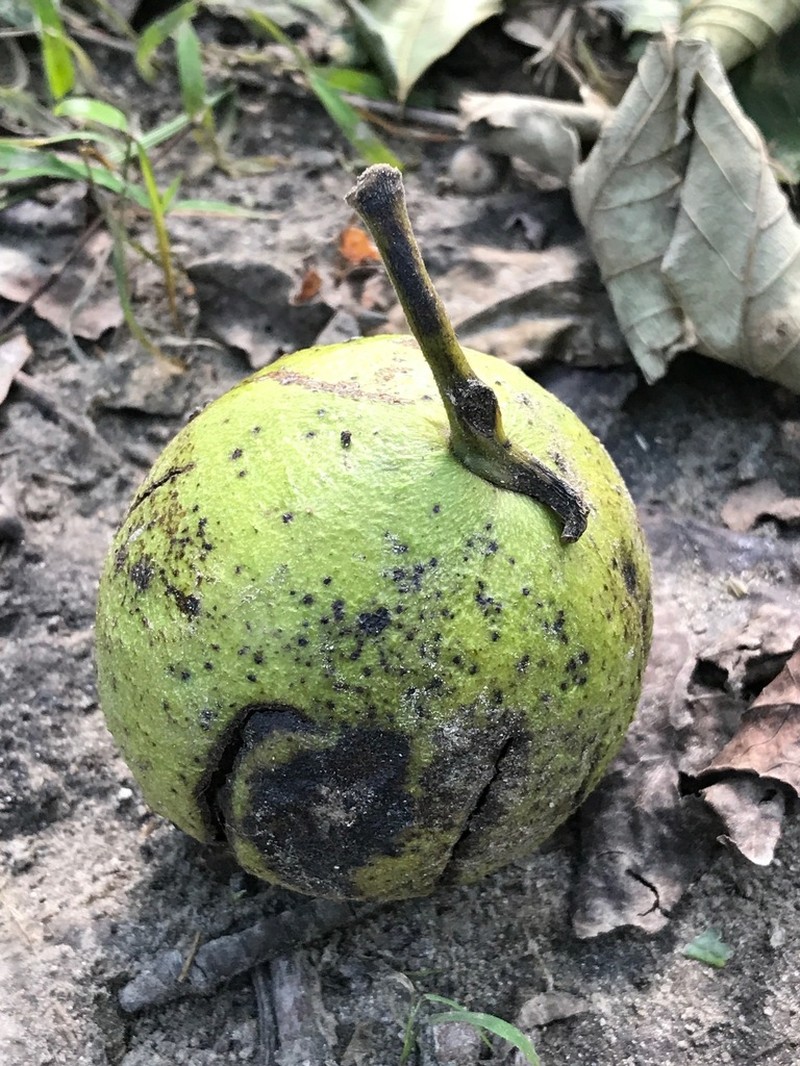
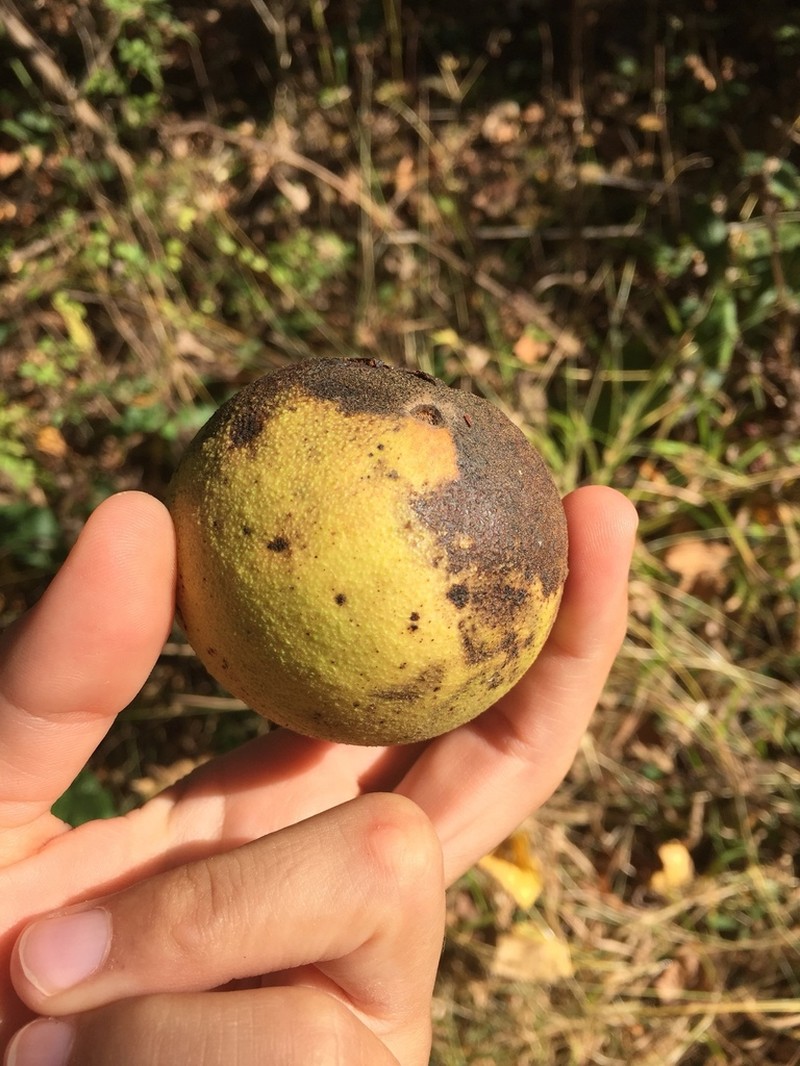
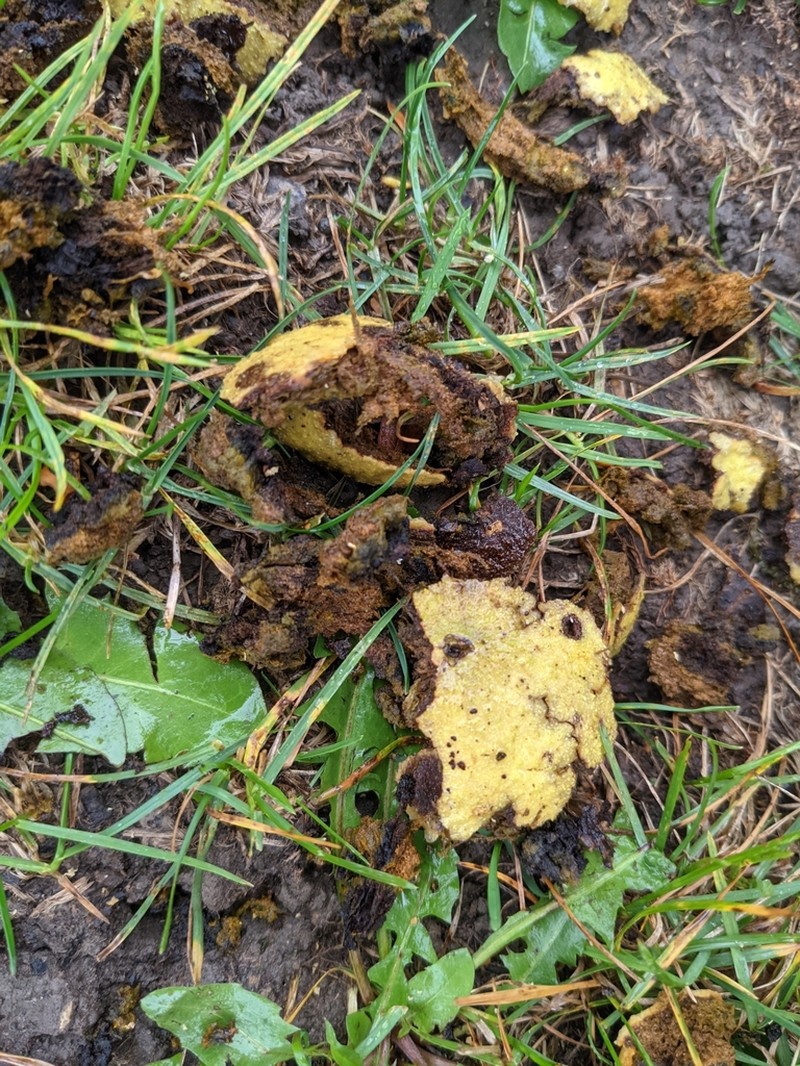
Taxonomy
- Division:
- Magnoliophyta | - Flowering plants
- Family:
- Juglandaceae
- Genus:
- Juglans
- Species:
- Juglans nigra
- USDA Symbol:
- JUNI
Growth Characteristics
- Life Cycle:
- Perennial
- Growth Habit:
- Tree
- Height:
- 3050 cm
- Light Requirements:
- Full Sun,Part Shade
- Drought Tolerance:
- Medium
- Bloom Months:
- apr,may
- Bloom Colors:
- greenish-yellow
- Food Forest:
- Contains edible parts
Wildlife Benefits
- Bees:
- ★☆☆☆☆ Documented bee visitation (GBIF)
- Butterflies & Moths:
- ★★★★★ Documented Lepidoptera association (GBIF)
- Caterpillars:
- ★★★★★ Recorded caterpillar host plant (HOSTS Database)
- Hummingbirds:
- ★☆☆☆☆ Documented hummingbird visits (GBIF)
Keystone Species Ranking
- Caterpillar Keystone:
- ★★★★★ Butterfly & moth species supported by this genus (NWF)
Host Plant for Caterpillars
Acrobasis caryivorella, Acrobasis juglanivorella, Acrobasis latifasciella, Acronicta impleta, Afflicted Dagger Moth (Acronicta afflicta), American plum borer (Euzophera semifuneralis), Angus's datana (Datana angusii), Banded Tussock Moth (Halysidota tessellaris), Betrothed Underwing (Catocala innubens), bland caloptilia moth (Caloptilia blandella), Bordered Sallow (Pyrrhia umbra), Brown-tail moth (Euproctis chrysorrhoea), Cacao moth (Ephestia elutella), California underwing (Catocala californica), Caloptilia juglandiella, Carob moth (Ectomyelois ceratoniae), Cecropia moth (Hyalophora cecropia), Cherry Casebearer Moth (Coleophora pruniella), Cinnamon Tussock Moth (Dasychira cinnamomea), Clouded Underwing (Catocala nebulosa), Codling moth (Cydia pomonella), Colocasia propinquilinea, contracted datana (Datana contracta), Cosmet moth (Pyroderces rileyi), Curve-toothed geometer (Eutrapela clemataria), Dichomeris ligulella, Eastern Tent Caterpillar (Malacosoma americana), Eversmann's rustic (Actebia fennica), fall cankerworm (Alsophila pometaria), Fall webworm (Hyphantria cunea), false prominent (Schizura leptinoides), False Underwing Moth (Allotria elonympha), Forest Tent Caterpillar (Malacosoma disstria), Garman Quaker (Orthosia garmani), gray-edged hypena (Hypena madefactalis), Greater Red Dart (Abagrotis alternata), Gypsy moth (Lymantria dispar), habilis underwing (Catocala habilis), hag moth (Phobetron pithecium), Hickory shuckworm (Cydia caryana), Hickory Tussock Moth (Lophocampa caryae), Homohadena infixa, juvenile underwing (Catocala subnata), leaf crumpler moth (Acrobasis indigenella), Luna moth (Actias luna), maple looper moth (Parallelia bistriaris), Newlywed Underwing (Catocala neogama), Nites betulella, Norman's Quaker (Crocigrapha normani), Old Wife Underwing (Catocala palaeogama), One-spotted variant moth (Hypagyrtis unipunctata), Orthosia revicta, pecan bud moth (Gretchena bolliana), pecan cigar casebearer (Coleophora laticornella), pecan leaf casebearer (Acrobasis juglandis), pecan leafminer (Cameraria caryaefoliella), Penitent Underwing (Catocala piatrix), Polyphemus moth (Antheraea polyphemus), Pyrrhia sp., Red-bordered Emerald (Nemoria bistriaria), Red-humped caterpillar moth (Schizura concinna), Regal Moth (Citheronia regalis), Sabulodes caberata, Sad Underwing (Catocala maestosa), Serene Underwing (Catocala serena), skiff moth (Prolimacodes badia), Sleeping Baileya (Baileya dormitans), spiny looper moth (Phigalia titea), Splendid Royal Moth (Citheronia splendens), Spring cankerworm (Paleacrita vernata), Stigmella juglandifoliella, Variable Oakleaf Caterpillar Moth (Lochmaeus manteo), variegated midget (Elaphria versicolor), Virginia Tiger Moth (Spilosoma virginica), Walnut Leafroller Moth (Acrobasis demotella), walnut spanworm moth (Phigalia plumogeraria), Walnut Sphinx (Amorpha juglandis), Western tussock moth (Orgyia vetusta), White-blotched Heterocampa (Heterocampa umbrata), White-marked Tussock Moth (Orgyia leucostigma), Widow Underwing (Catocala vidua), Yellow-Banded Underwing (Catocala retecta), Yellownecked caterpillar (Datana ministra), Yellownecked caterpillar (Datana integerrima), Banded Hairstreak (Satyrium calanus)
Reported Fauna Sightings
Bees: ⚠️Western honey bee (Apis mellifera) Hummingbirds: Anna's Hummingbird (Calypte anna), Ruby-throated Hummingbird (Archilochus colubris) Moths:Acronicta impleta, Banded Tussock Moth (Halysidota tessellaris), bland caloptilia moth (Caloptilia blandella), Caloptilia juglandiella, Coptodisca lucifluella, Curve-toothed geometer (Eutrapela clemataria), Fall webworm (Hyphantria cunea), gray-edged hypena (Hypena madefactalis), Gypsy moth (Lymantria dispar), Hickory Tussock Moth (Lophocampa caryae), Luna moth (Actias luna), Newlywed Underwing (Catocala neogama), Oedemasia Packard, pecan leaf casebearer (Acrobasis juglandis), Penitent Underwing (Catocala piatrix), Regal Moth (Citheronia regalis), skiff moth (Prolimacodes badia), Stigmella juglandifoliella, Stigmella longisacca, walnut leafminer moth (Coptodisca juglandiella), Walnut Sphinx (Amorpha juglandis), White-marked Tussock Moth (Orgyia leucostigma), Yellownecked caterpillar (Datana integerrima) Butterflies:Banded Hairstreak (Satyrium calanus), Eastern Comma (Polygonia comma), Question Mark (Polygonia interrogationis)
Garden & Ecology Notes
- Wildlife Value:
- birds, small mammals
- Fall Color:
- yellow
Soil Requirements
- Soil Type:
- rich, well-drained loamy soil
- pH:
- 6.0 - 7.5 (slightly acidic to neutral)
- Drainage:
- excellent drainage required
- Moisture:
- consistently moist
- Notes:
- prefers deep, fertile soils in river valleys
Propagation & Germination
- Stratification:
- Cold/moist stratification required — 90–120 days
- Germination Time:
- 30–60 days
- Notes:
- Seeds require cold stratification; germination occurs in spring after soil warms.
Pre-treatment: Seeds are sown outdoors in the fall for natural stratification or cold stratified for 210 to 570 days. Some protocols suggest using a fungicide and endomycorrhizae before sowing.
Establishment: Seeds are collected from various locations, including national parks and local collectors. The plant is found throughout the eastern United States and in temperate deciduous forests of North America. There are variations in the protocols regarding seed treatment and sowing techniques.
Source: npn.rngr.net
Where to Buy
Nationwide Seller
- Sheffield's Seed (seeds)
- Native Plants Nursery (nursery)
- Prairie Moon Nursery (nursery and seeds)