
Arctic Rush
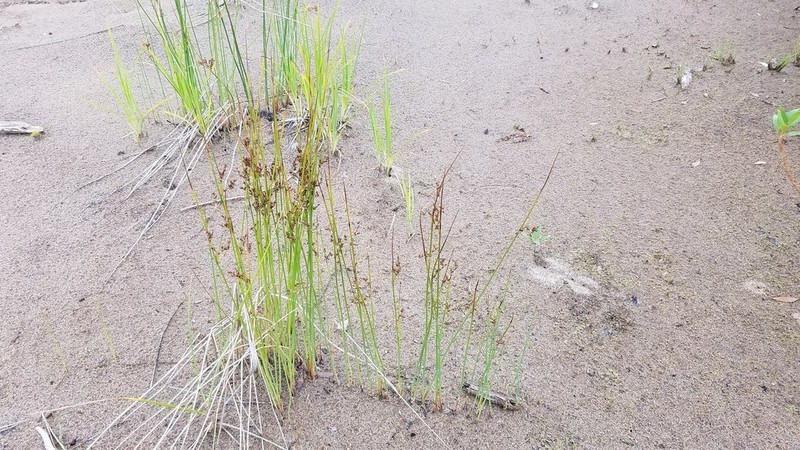
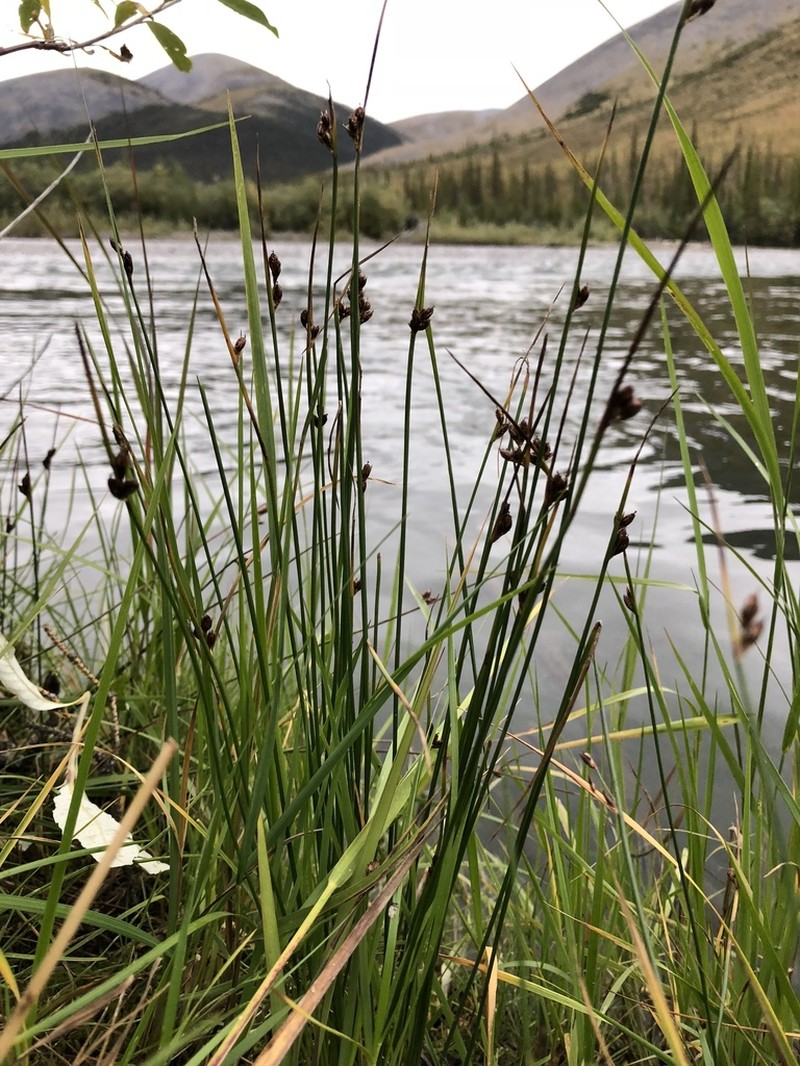
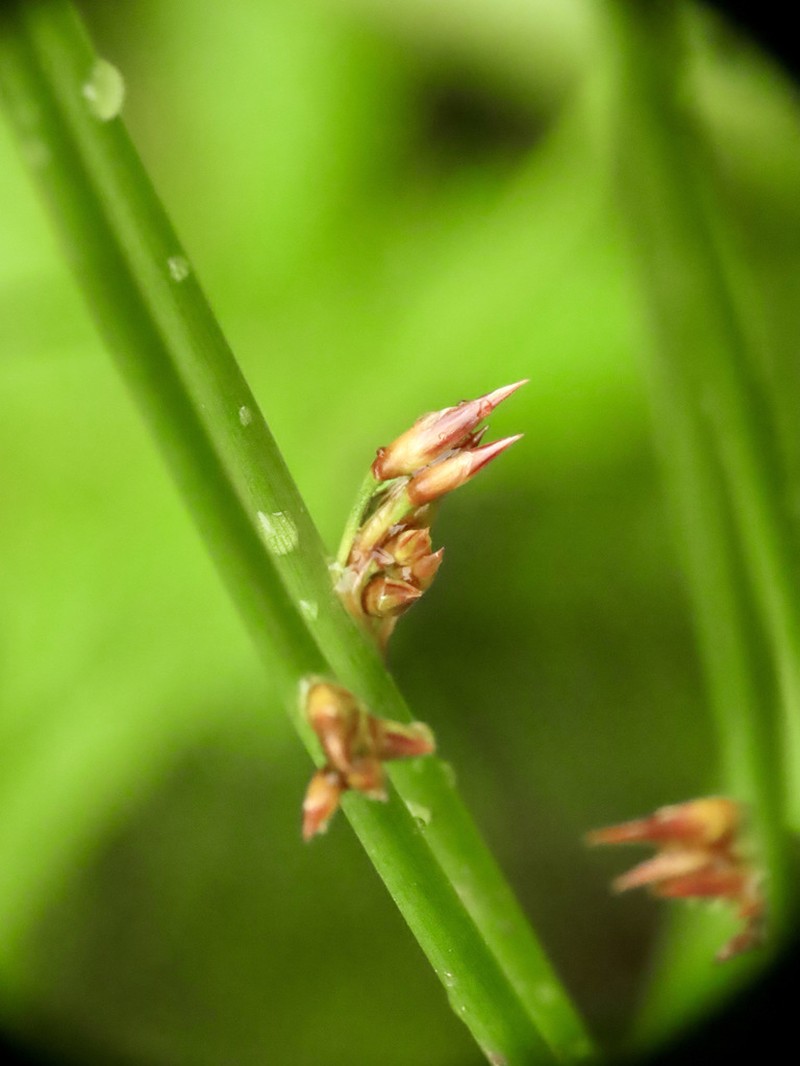
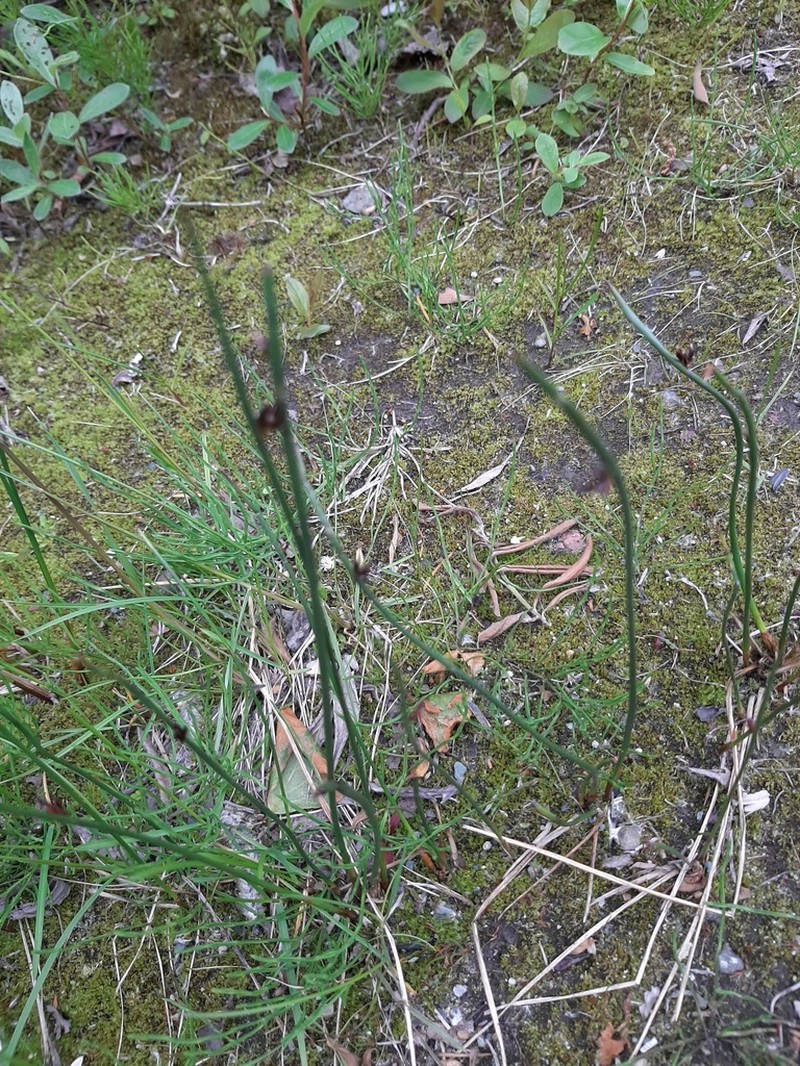
Juncus arcticus
- Native to:
- Austria, Canada, Finland, France, Greenland, Iceland, Italy, Kuril Is., Labrador, Norway, Russia, Spain, Svalbard, Sweden, Switzerland, United States
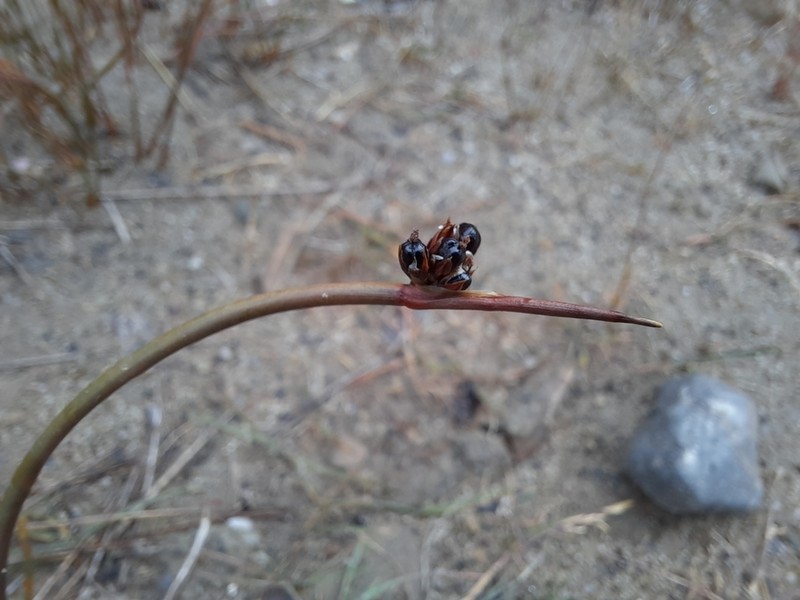
iNaturalist: © christianrixen (iNaturalist #179107695)
Taxonomy
- Division:
- Magnoliophyta | - Flowering plants
- Family:
- Juncaceae
- Genus:
- Juncus
- Species:
- Juncus arcticus
- USDA Symbol:
- JUAR2
Growth Characteristics
- Life Cycle:
- Perennial
- Growth Habit:
- Graminoid
- Height:
- 90 cm
- Light Requirements:
- Full Sun
- Drought Tolerance:
- Low
- Bloom Months:
- jun,jul,aug
- Bloom Colors:
- greenish-brown
Keystone Species Ranking
- Caterpillar Keystone:
- ★★☆☆☆ Butterfly & moth species supported by this genus (NWF)
Garden & Ecology Notes
- Wildlife Value:
- birds, small mammals
- Deer Resistant:
- Yes
Soil Requirements
- Soil Type:
- moist, nutrient-rich, organic soil
- pH:
- 5.5 - 7.5 (slightly acidic to neutral)
- Drainage:
- tolerates poor drainage
- Moisture:
- consistently moist
- Notes:
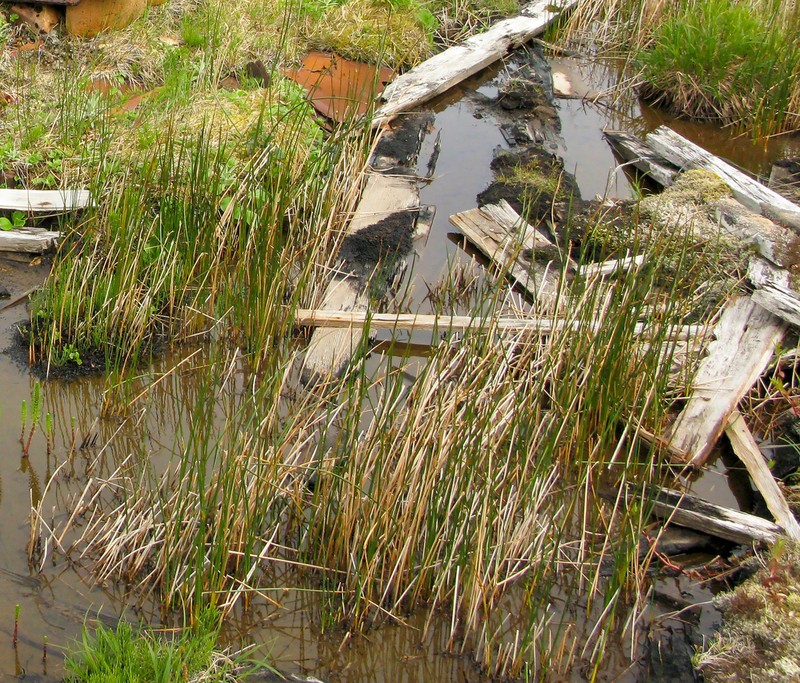
- commonly found in wetlands and marshes
Propagation & Germination
Pre-treatment: Seeds are mixed with sand and sown directly into target containers with a growing medium of 40:20:20:20 peat:composted fir bark:perlite:pumice and Nutricote controlled release fertilizer. Racks are sealed in plastic bags and refrigerated at 1 to 3 °C for 90 days. Cells are checked weekly and kept moist throughout the stratification period.
Establishment: Seeds may be collected by hand or with a handheld seed harvester. Care should be taken to keep capsules upright before putting in collection bag. Use paper sacks when collecting seeds for this species. The plant is widespread in temperate regions in the northern hemisphere, including wetland habitats, standing water, and seasonally dry places.
Source: npn.rngr.net