
Canadian Rush
Juncus canadensis
- Native to:
- Canada, Labrador, Prince Edward I., United States, Virgin Islands
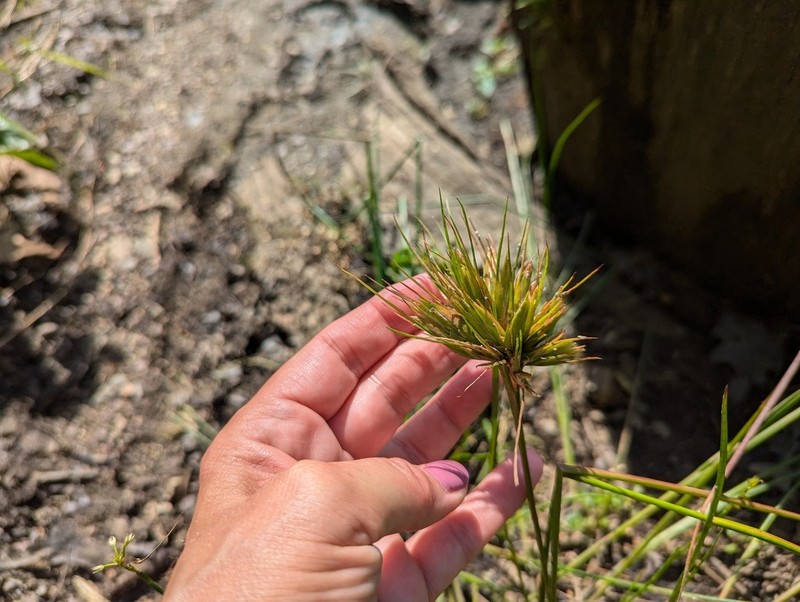
iNaturalist: © akilee (iNaturalist #251554259)
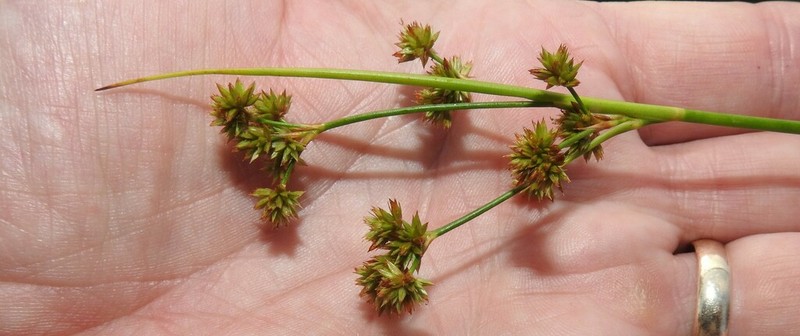
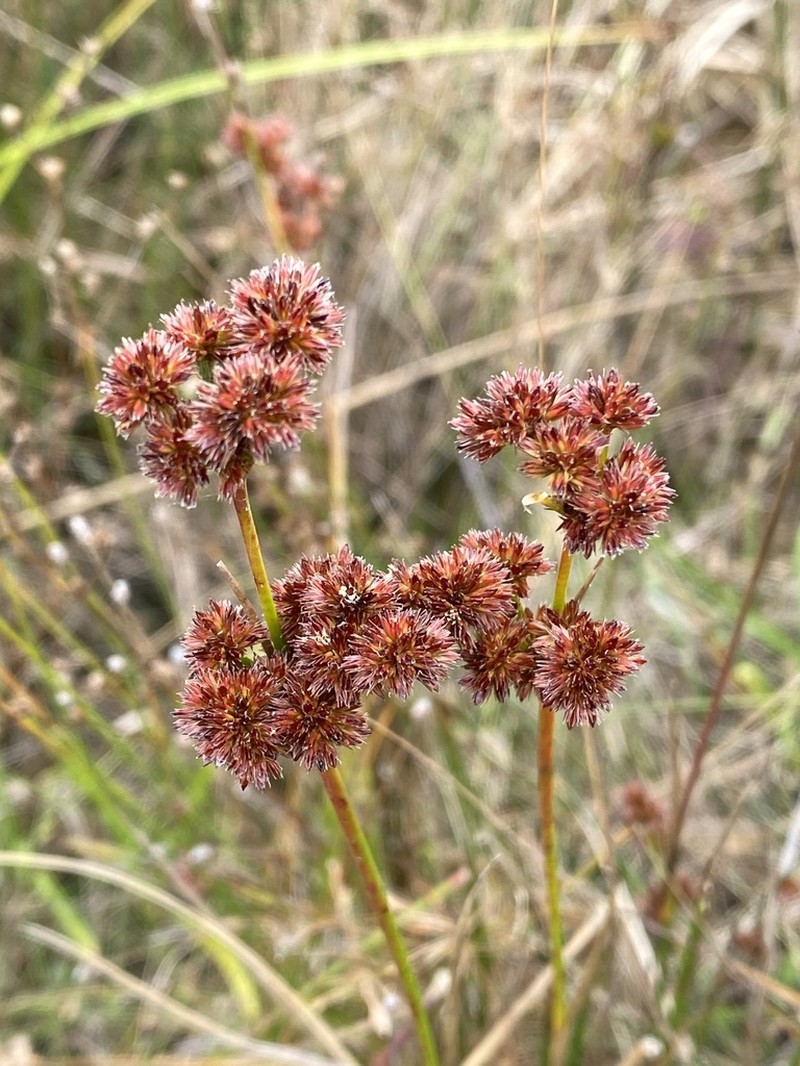
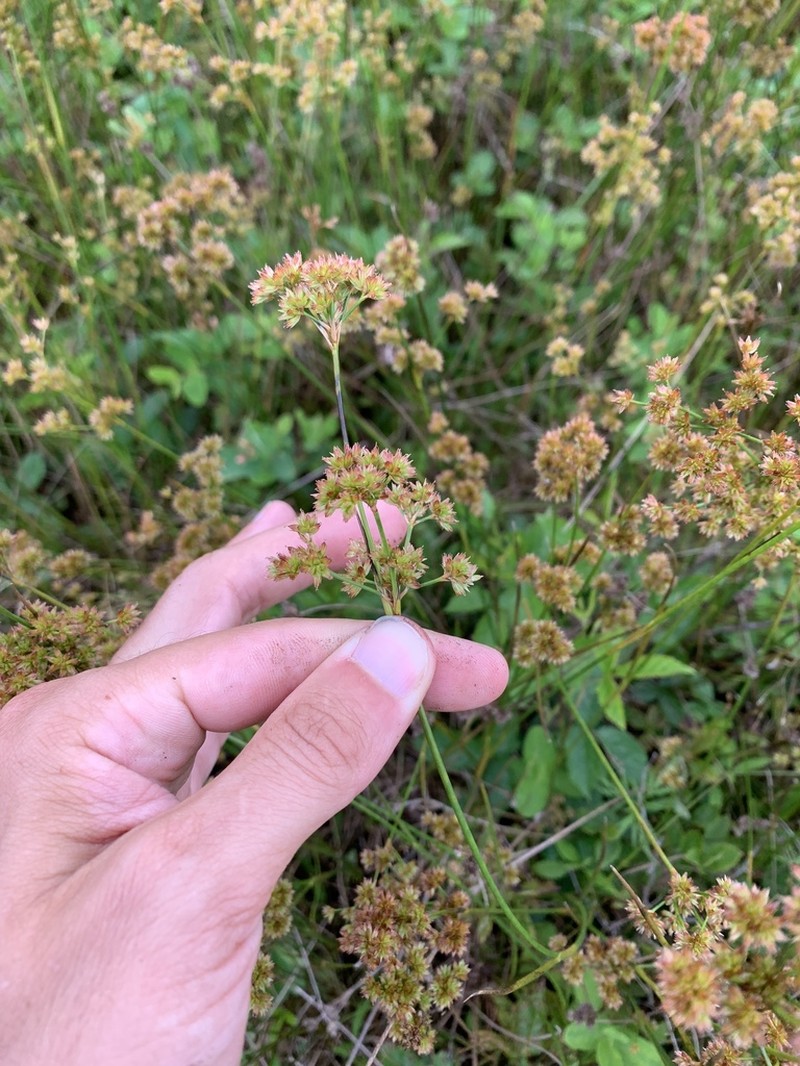
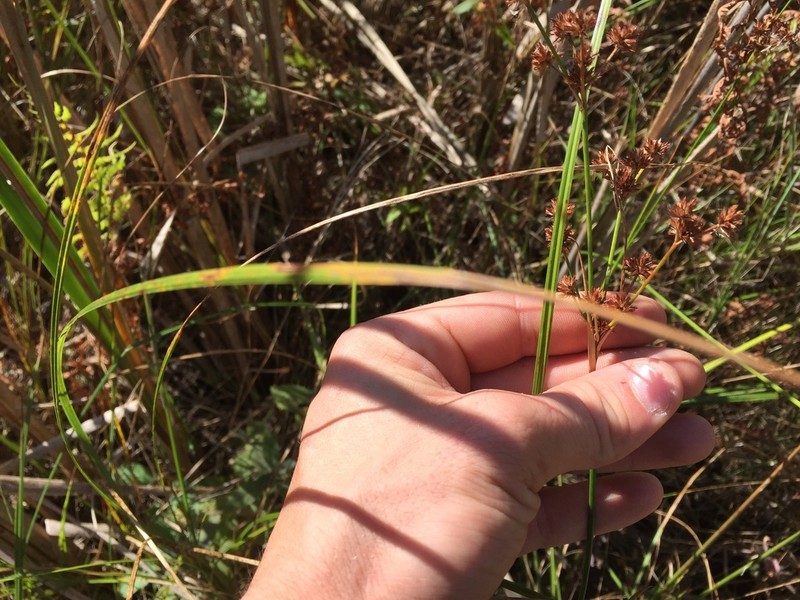
Taxonomy
- Division:
- Magnoliophyta | - Flowering plants
- Family:
- Juncaceae
- Genus:
- Juncus
- Species:
- Juncus canadensis
- USDA Symbol:
- JUCA3
Growth Characteristics
- Life Cycle:
- Perennial
- Growth Habit:
- Graminoid
- Height:
- 100 cm
- Light Requirements:
- Part Shade
- Drought Tolerance:
- Low
- Bloom Months:
- jun,jul,aug
- Bloom Colors:
- greenish, brown
Wildlife Benefits
- Butterflies & Moths:
- ★☆☆☆☆ Documented Lepidoptera association (GBIF)
- Caterpillars:
- ★☆☆☆☆ Recorded caterpillar host plant (HOSTS Database)
Keystone Species Ranking
- Caterpillar Keystone:
- ★★☆☆☆ Butterfly & moth species supported by this genus (NWF)
Host Plant for Caterpillars
Coleophora bispinatella, Coleophora sexdentatella
Garden & Ecology Notes
- Wildlife Value:
- birds, waterfowl
- Deer Resistant:
- Yes
Soil Requirements
- Soil Type:
- wet, nutrient-rich, organic soil
- pH:
- 4.5 - 6.5 (acidic to slightly acidic)
- Drainage:
- tolerates poor drainage
- Moisture:
- consistently moist
- Notes:
- commonly found in wetlands and marshes
Propagation & Germination
- Stratification:
- None required
Pre-treatment: Seeds were cold stratified for 270 days
Source: npn.rngr.net
Where to Buy
Nationwide Seller
- Prairie Moon Nursery (nursery and seeds)