
Common Rush
Juncus effusus
- Native to:
- Afghanistan, Albania, Algeria, Austria, Azores, Baleares, Baltic States, Belarus, Belgium, Bolivia, Bulgaria, Burundi, Cambodia, Canada, Canary Is., China, Colombia, Corse, Costa Rica, Cyprus, Czechia-Slovakia, Denmark, DR Congo, East Aegean Is., Ecuador, El Salvador, Ethiopia, Finland, Føroyar, France, Germany, Great Britain, Greece, Guam, Guatemala, Haiti, Honduras, Hungary, Iceland, India, Iran, Iraq, Ireland, Italy, Kenya, Kriti, Krym, Leeward Is., Madagascar, Madeira, Mauritius, Mexican Pacific Is., Mexico, Morocco, Netherlands, North Caucasus, Norway, NW. Balkan Pen., Palestine, Peru, Poland, Portugal, Prince Edward I., Romania, Russia, Rwanda, Sardegna, Sicilia, Spain, Svalbard, Sweden, Switzerland, Taiwan, Tanzania, Transcaucasus, Tunisia, Türkiye, Türkiye-in-Europe, Uganda, Ukraine, United States, Venezuela, Virgin Islands, Zimbabwe
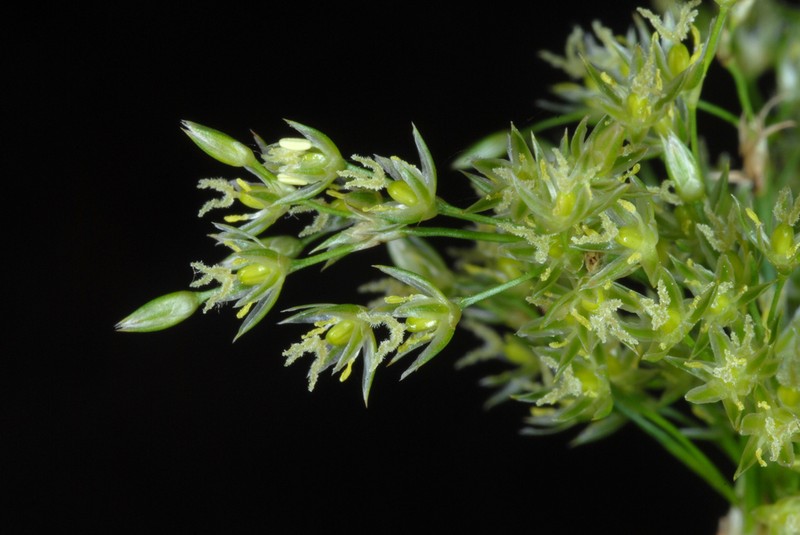
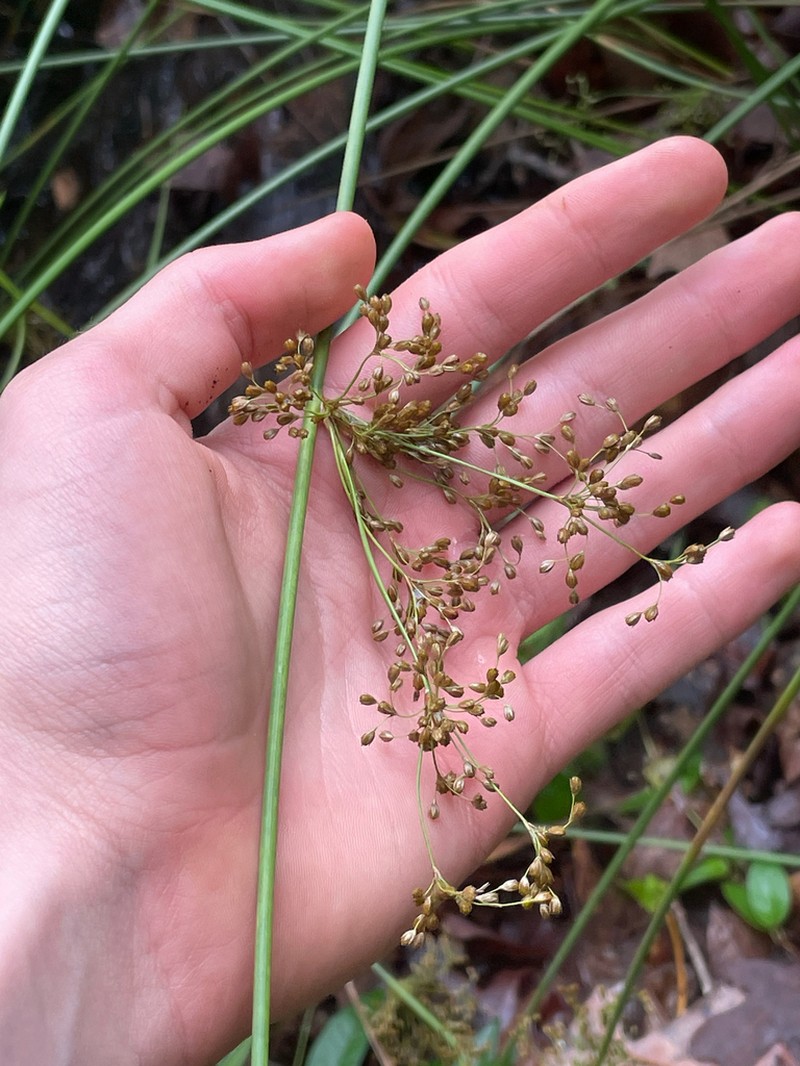
iNaturalist: © douggoldman (iNaturalist #122973477)
Taxonomy
- Division:
- Magnoliophyta | - Flowering plants
- Family:
- Juncaceae
- Genus:
- Juncus
- Species:
- Juncus effusus
- USDA Symbol:
- JUEF
Growth Characteristics
- Life Cycle:
- Perennial
- Growth Habit:
- Graminoid
- Height:
- 150 cm
- Light Requirements:
- Full Sun
- Drought Tolerance:
- Low
- Bloom Months:
- jun,jul,aug
- Bloom Colors:
- greenish-brown
Wildlife Benefits
- Butterflies & Moths:
- ★★★★★ Documented Lepidoptera association (GBIF)
- Caterpillars:
- ★☆☆☆☆ Recorded caterpillar host plant (HOSTS Database)
Keystone Species Ranking
- Caterpillar Keystone:
- ★★☆☆☆ Butterfly & moth species supported by this genus (NWF)
Host Plant for Caterpillars
Garden & Ecology Notes
- Wildlife Value:
- birds, small mammals
- Deer Resistant:
- Yes
Soil Requirements
- Soil Type:
- rich, moisture-retentive, organic soil
- pH:
- 4.5 - 7.0 (acidic to neutral)
- Drainage:
- tolerates poor drainage
- Moisture:
- consistently moist
- Notes:
- Commonly found in wetlands and marshes
Propagation & Germination
- Stratification:
- None required
- Germination Time:
- 14–30 days
- Notes:
- Seeds germinate readily in moist soil with light; no pretreatment required.
Pre-treatment: Seeds are stored in cool-dry conditions with temperatures of approximately 10° C (50° F) and relative humidity of 20 to 30%. No stratification treatments are necessary. Some protocols suggest cold stratification for 270 days or mixing seeds with sand and refrigerating at 1 to 3 °C for 60 days.
Establishment: There are conflicting pre-treatment protocols. Some suggest no stratification is necessary, while others recommend cold stratification or refrigeration. The establishment phase also varies, with some protocols suggesting the use of a greenhouse and others not specifying. The germination rate is not given in any of the protocols.
Source: npn.rngr.net
ORGHPS Germination Guide: Sow @ 20C. Germinates within 3 months. Requires light / surface sow (fine seed).
Where to Buy
Nationwide Seller
- Vermont Wildflower Farm (nursery and seeds)
- Sheffield's Seed (seeds)
- North Creek Nurseries (nursery)
- Native Seed Group (seeds)
- Native Plants Nursery (nursery)
- Pizzo Native Plant Nursery (wholesale nursery)
- Prairie Moon Nursery (nursery and seeds)