
Swordleaf Rush
Juncus ensifolius
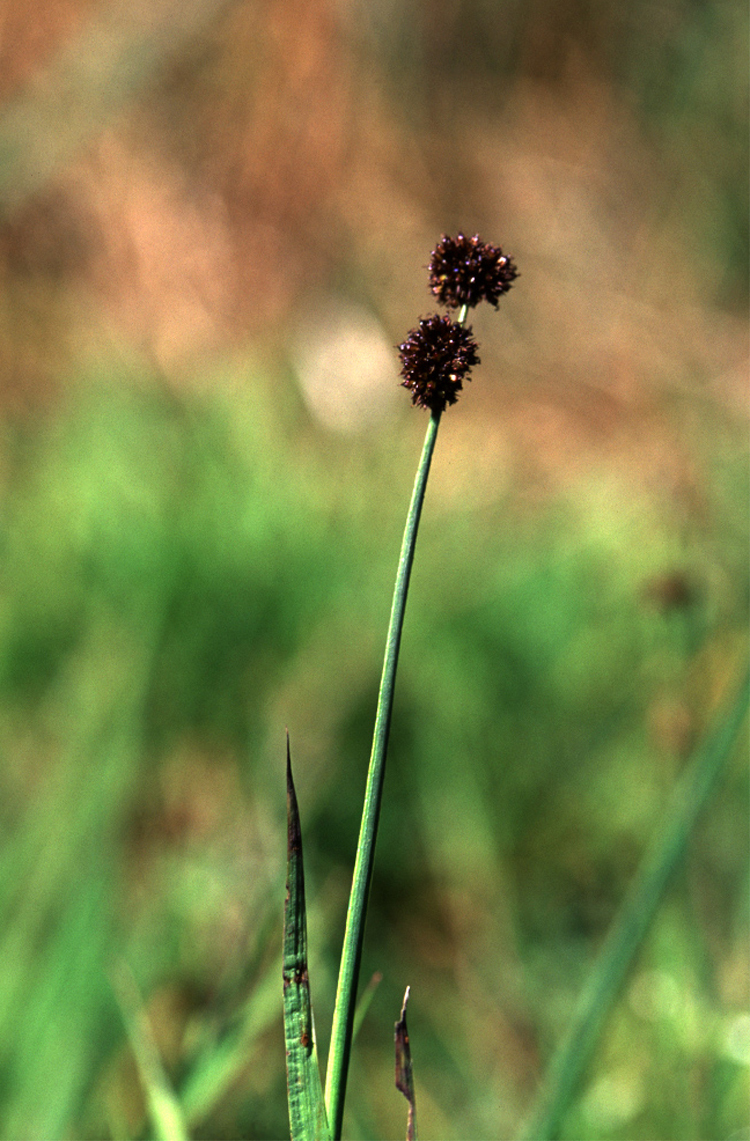
Gordon Leppig & Andrea J. Pickart
Taxonomy
- Division:
- Magnoliophyta | - Flowering plants
- Family:
- Juncaceae
- Genus:
- Juncus
- Species:
- Juncus ensifolius
Growth Characteristics
- Life Cycle:
- Perennial
- Growth Habit:
- Graminoid
- Height:
- 2-3 ft
- Light Requirements:
- Full Sun
- Drought Tolerance:
- High
- Bloom Months:
- may, jun, jul, aug
- Bloom Colors:
- Red, Green, Brown
- Ground Cover:
- Yes
Native Range
United States: Alaska, Arizona, California, Colorado, Hawaii, Idaho, Montana, North Dakota, Nevada, New York, Oregon, South Dakota, Utah, Washington, Wisconsin, Wyoming, Canada: Alberta, British Columbia, Ontario, Quebec, Saskatchewan
Keystone Species Ranking
- Caterpillar Keystone:
- ★★★★☆ Based on number of butterfly and moth species using this genus as host plant (Source: National Wildlife Federation)
Soil Requirements
- Soil Type:
- moist, nutrient-rich, loamy soil
- pH:
- 5.5 - 7.0 (slightly acidic to neutral)
- Drainage:
- tolerates poor drainage
- Moisture:
- consistently moist
- Notes:
- commonly found in wet meadows and marshes
Germination Information
Pre-treatment: Mix seeds with sand and sow directly into target containers with a growing medium of 40:20:20:20 peat:composted fir bark:perlite:pumice and Nutricote controlled release fertilizer at the rate of 0.5 gram per 107 ml container. Seal racks inside plastic bags and refrigerate at 1 to 3 °C for 30 days. Alternatively, seeds can be stored in cool-dry conditions with temperatures of approximately 50°F and relative humidity of 20 to 30%.
Establishment: Juncus ensifolius grows in wet, sandy soils from Alaska to California and east throughout the Rocky Mountain ranges. They are found in USDA zones 4b - 8 at elevations from 400 – 3,000’. Commonly found growing in marshes, wetlands, stream banks and wet meadows at low to fairly high elevations. Not commonly found in standing water. Seed collection timing is critical as seed shatters readily.
Source: npn.rngr.net