
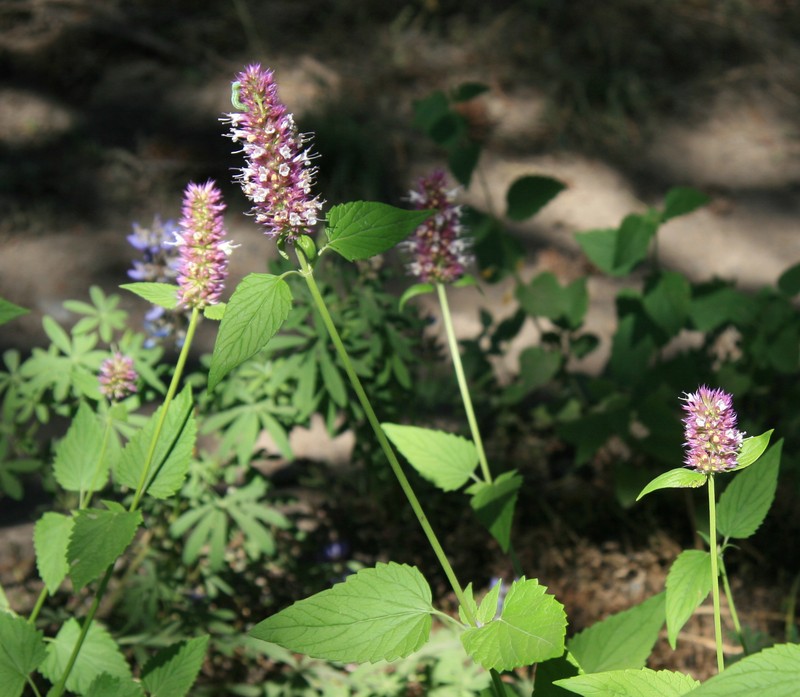
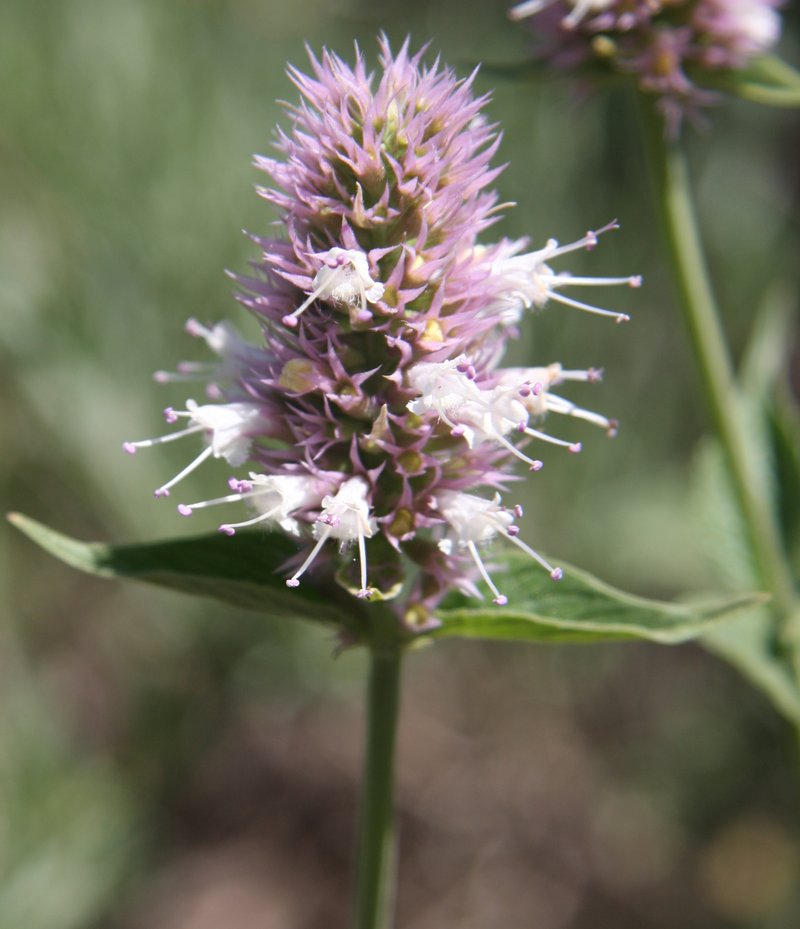
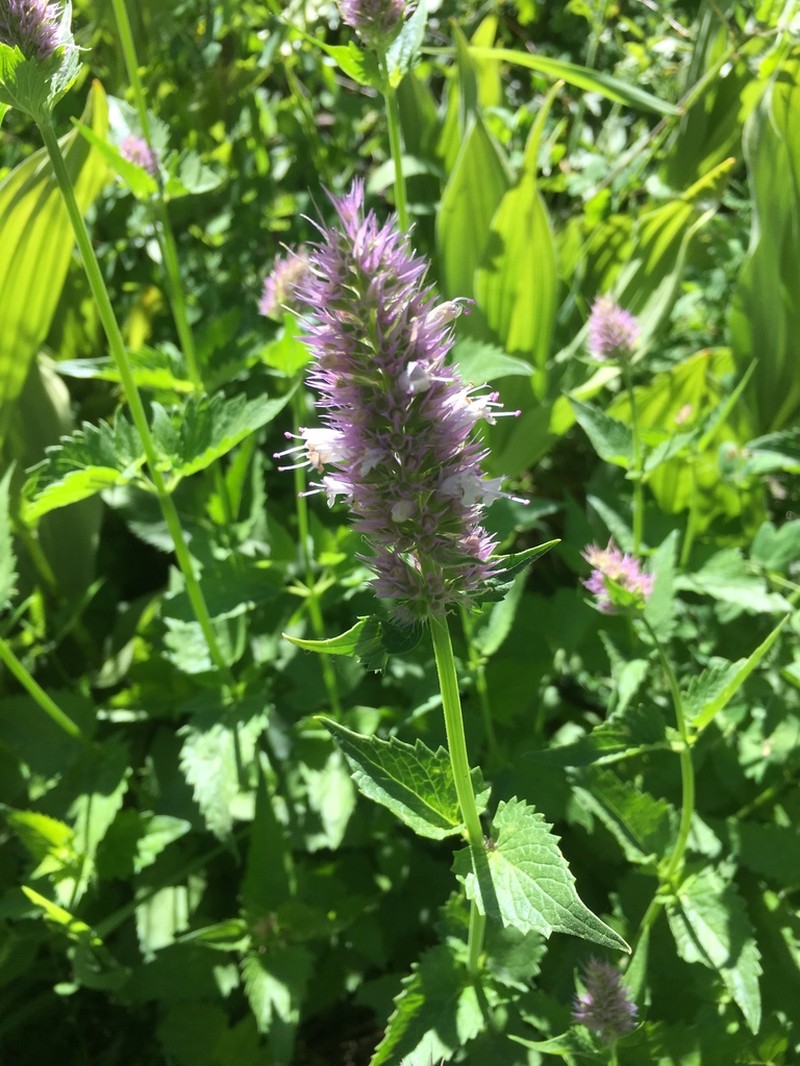
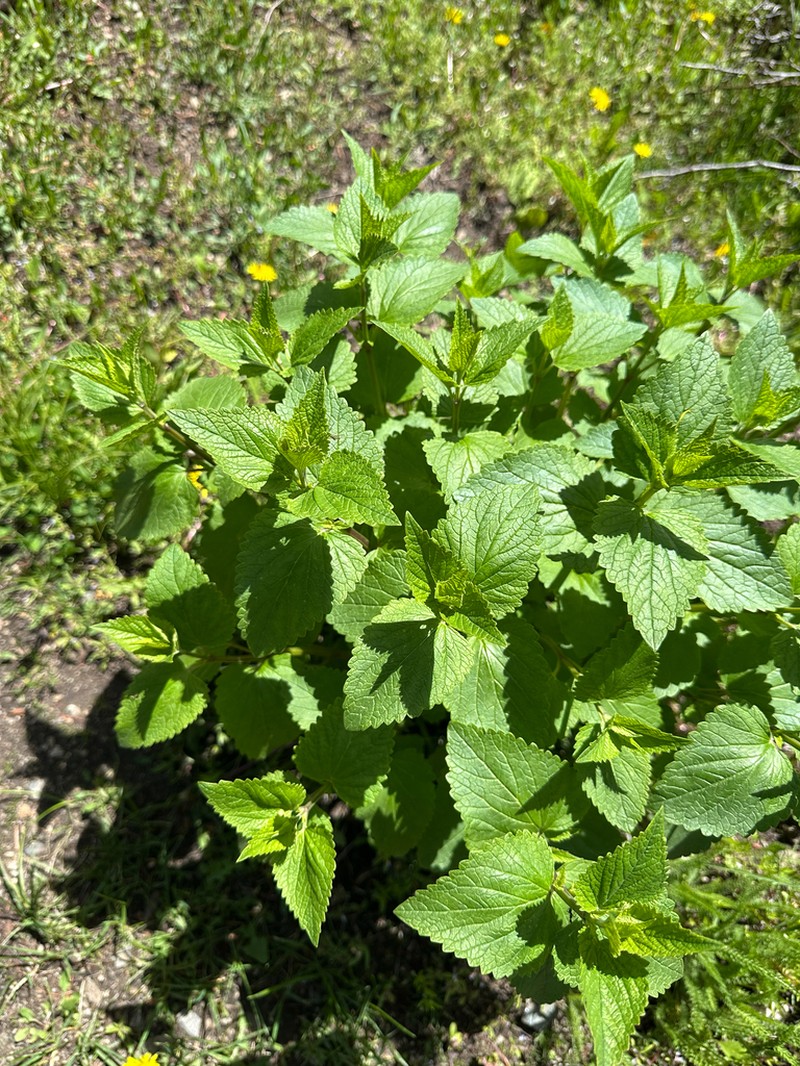
Nettleleaf Giant Hyssop
Agastache urticifolia
- Native to:
- Canada, United States
Dcrjsr
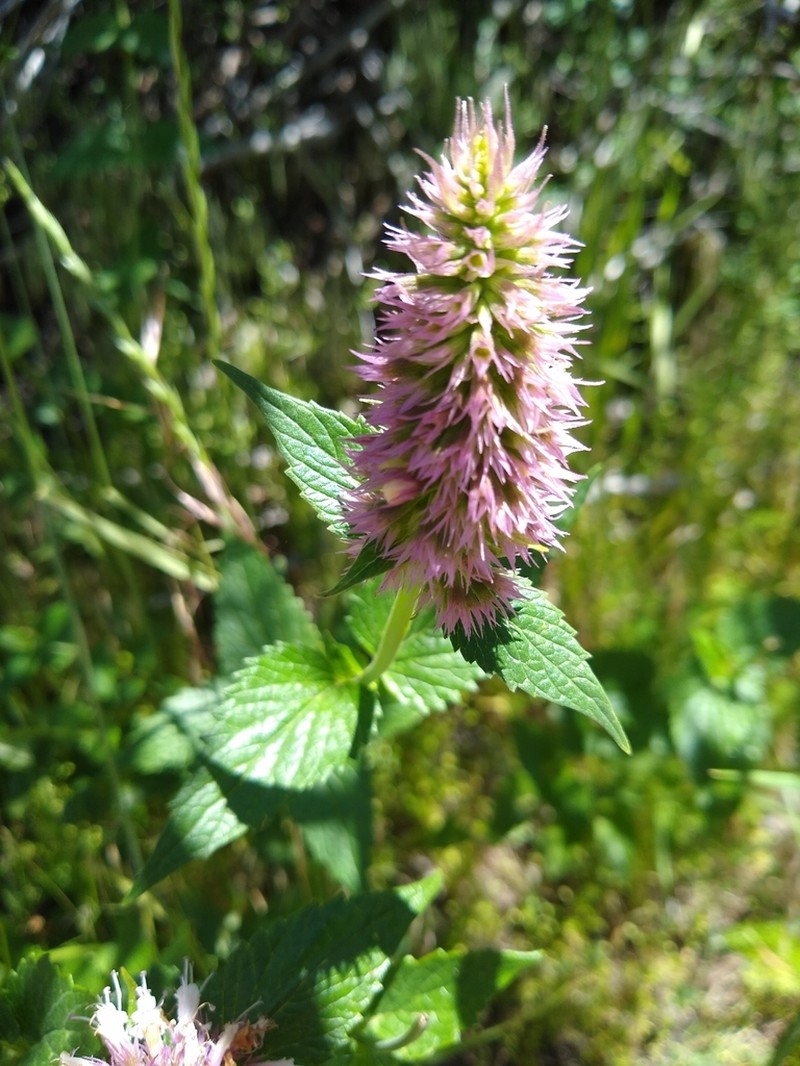
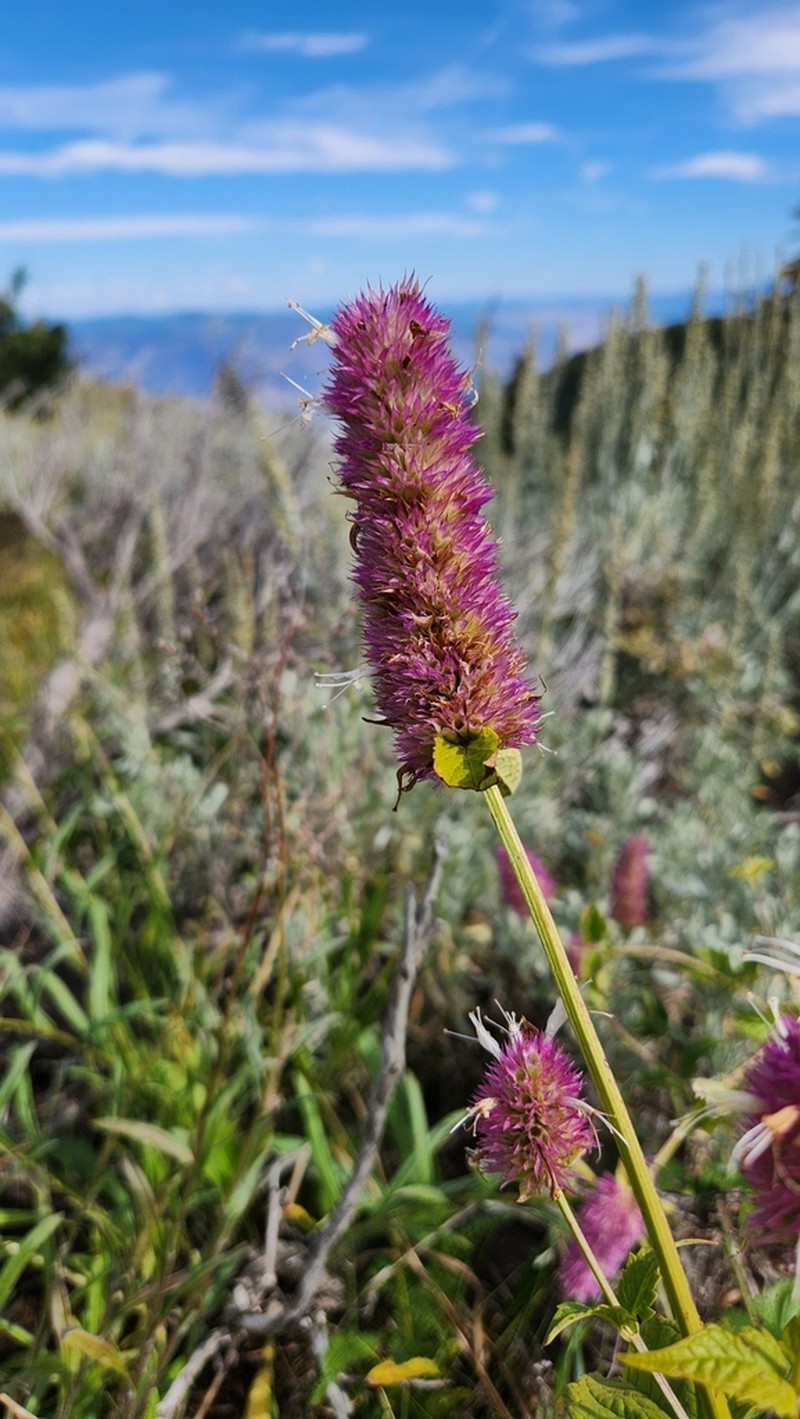
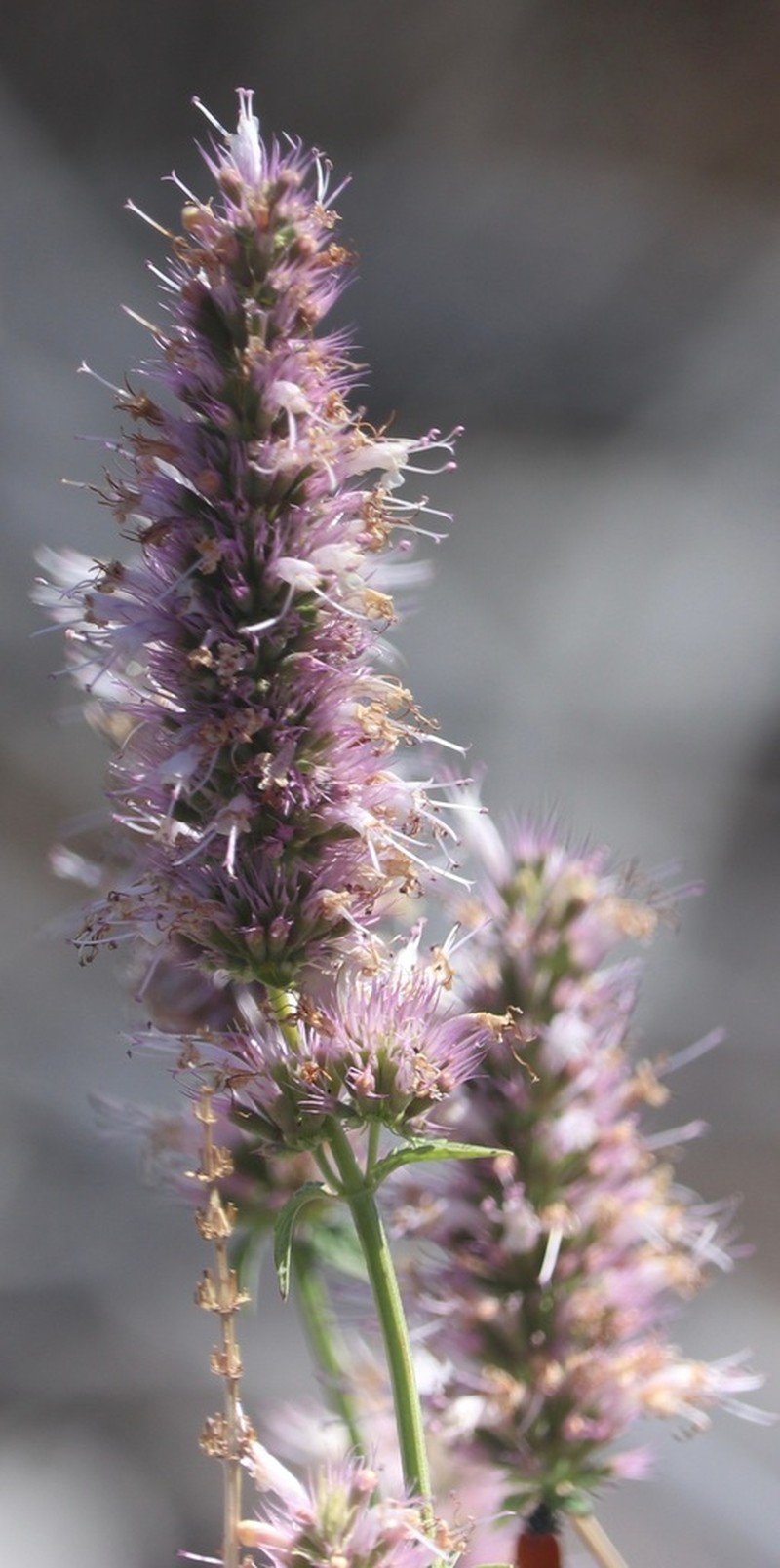
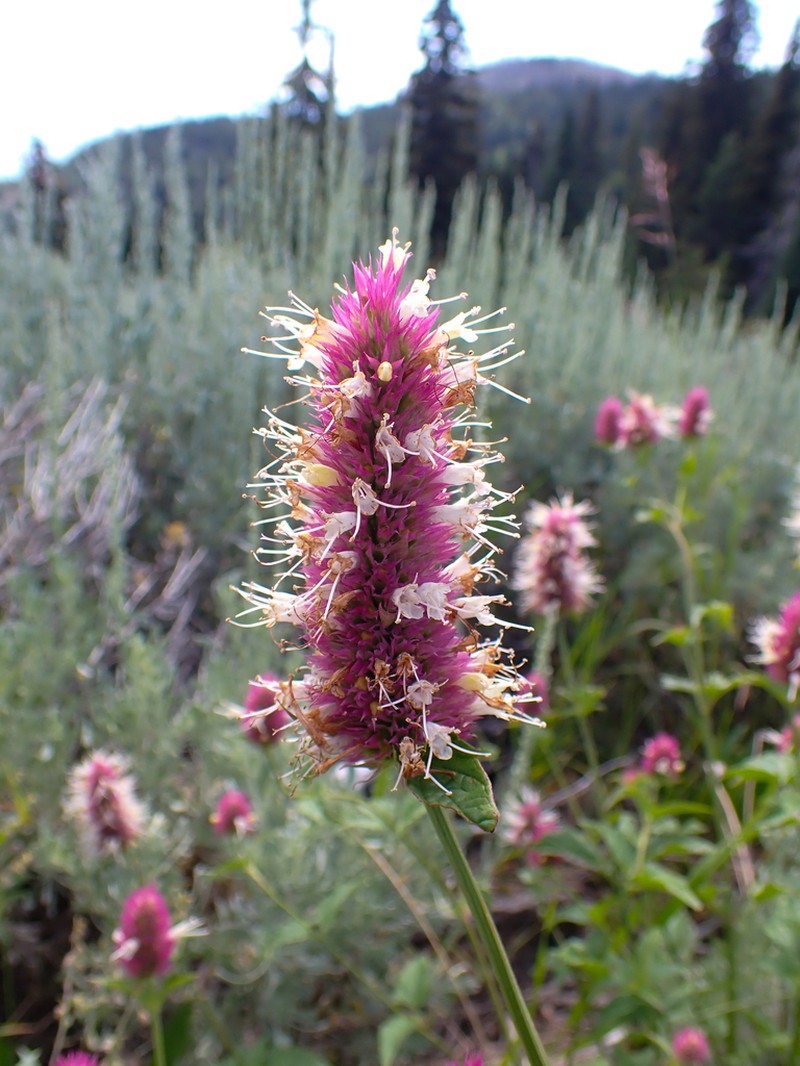
Taxonomy
- Division:
- Magnoliophyta | - Flowering plants
- Family:
- Lamiaceae
- Genus:
- Agastache
- Species:
- Agastache urticifolia
- USDA Symbol:
- AGUR
Growth Characteristics
- Life Cycle:
- Perennial
- Growth Habit:
- Forb/herb , Subshrub
- Height:
- 150 cm
- Light Requirements:
- Part Shade
- Drought Tolerance:
- Medium
- Bloom Months:
- jun,jul,aug,sep
- Bloom Colors:
- pink, lavender, white
Wildlife Benefits
- Bees:
- ★☆☆☆☆ Documented bee visitation (GBIF)
- Butterflies & Moths:
- ★★★☆☆ Documented Lepidoptera association (GBIF)
Reported Fauna Sightings
Garden & Ecology Notes
- Wildlife Value:
- bees, butterflies, hummingbirds
- Fragrant:
- Yes
Soil Requirements
- Soil Type:
- rich, well-drained loamy soil
- pH:
- 6.0 - 7.5 (slightly acidic to neutral)
- Drainage:
- excellent drainage required
- Moisture:
- consistently moist
- Notes:
- prefers fertile soils in open woodlands
Propagation & Germination
- Stratification:
- Cold/moist stratification required — 30–60 days
- Germination Time:
- 14–30 days
- Notes:
- Seeds germinate best after cold stratification; surface sow and keep moist.
Pre-treatment: Seeds are stored in cool-dry conditions with temperatures of approximately 50° F and relative humidity of 20 to 30%. No stratification treatments are necessary. Alternatively, seeds can be placed in a solution of 1000 mg/L GA3, soaked for 24 hours, rinsed, and soaked for an additional 6 hours in water.
Establishment: Seed collection is typically done in August when the inflorescence is dry and the seeds are hard. Small amounts are collected by shaking over a paper bag. Harvested seed is stored in paper bags at room temperature until cleaned. Germination rates and times can vary depending on the seed lot and specific pretreatments used. Plants grown outdoors are not ready to be transplanted to the field the same spring and must be held for fall planting or overwintered for transplanting the following spring.
Source: npn.rngr.net
ORGHPS Germination Guide: Sow @ 20C. Germinates within 3 months.