
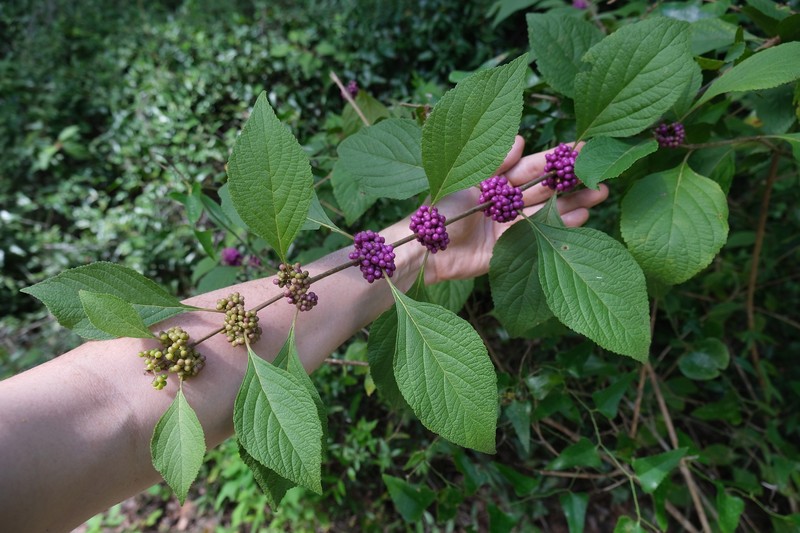
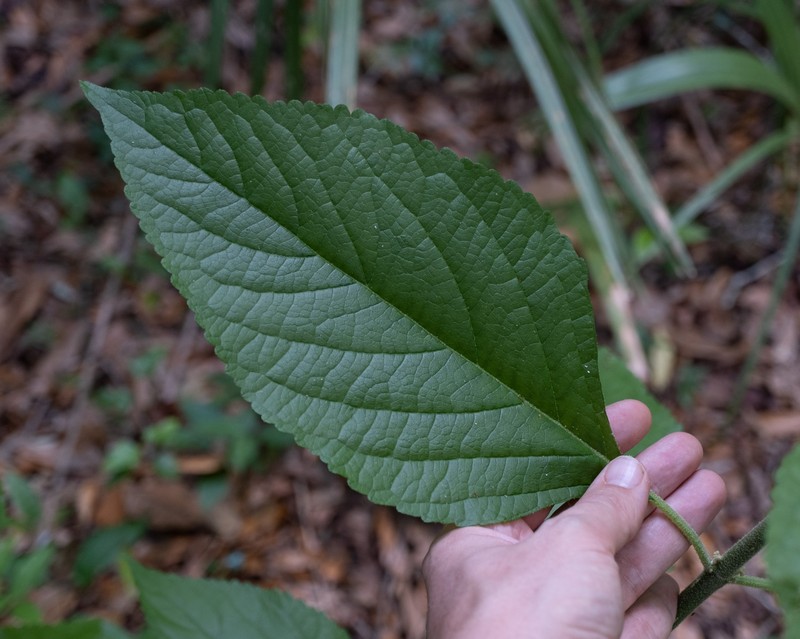
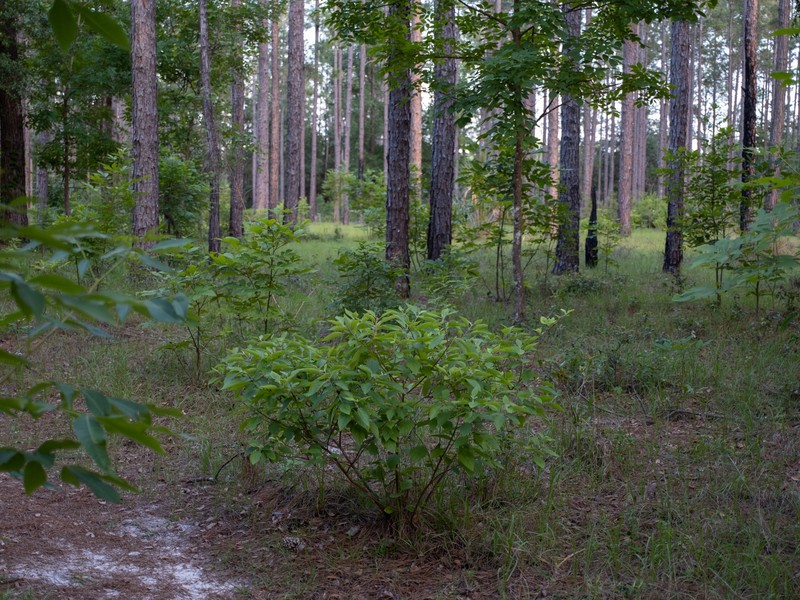
American Beautyberry
Callicarpa americana
- Native to:
- Bahamas, Bermuda, Cuba, United States, Virgin Islands
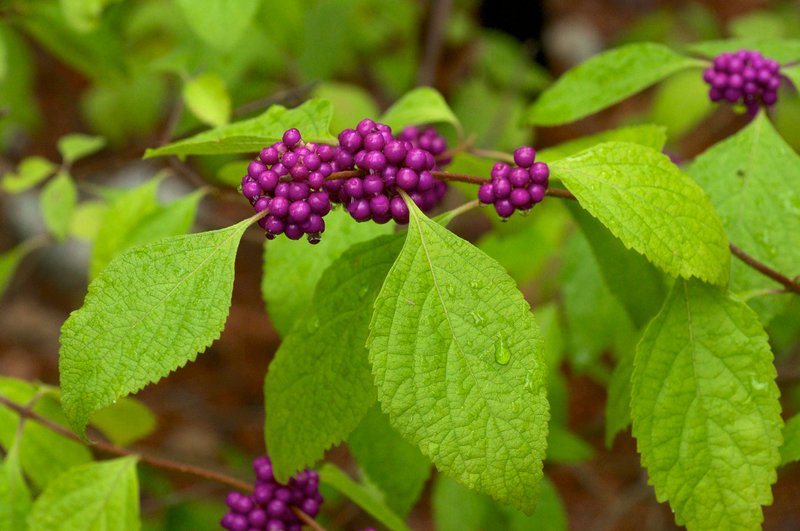
Eric Hunt
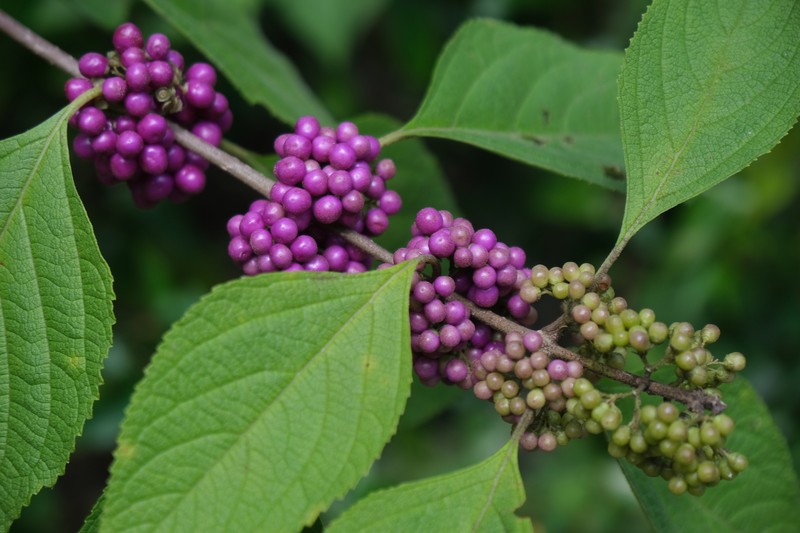
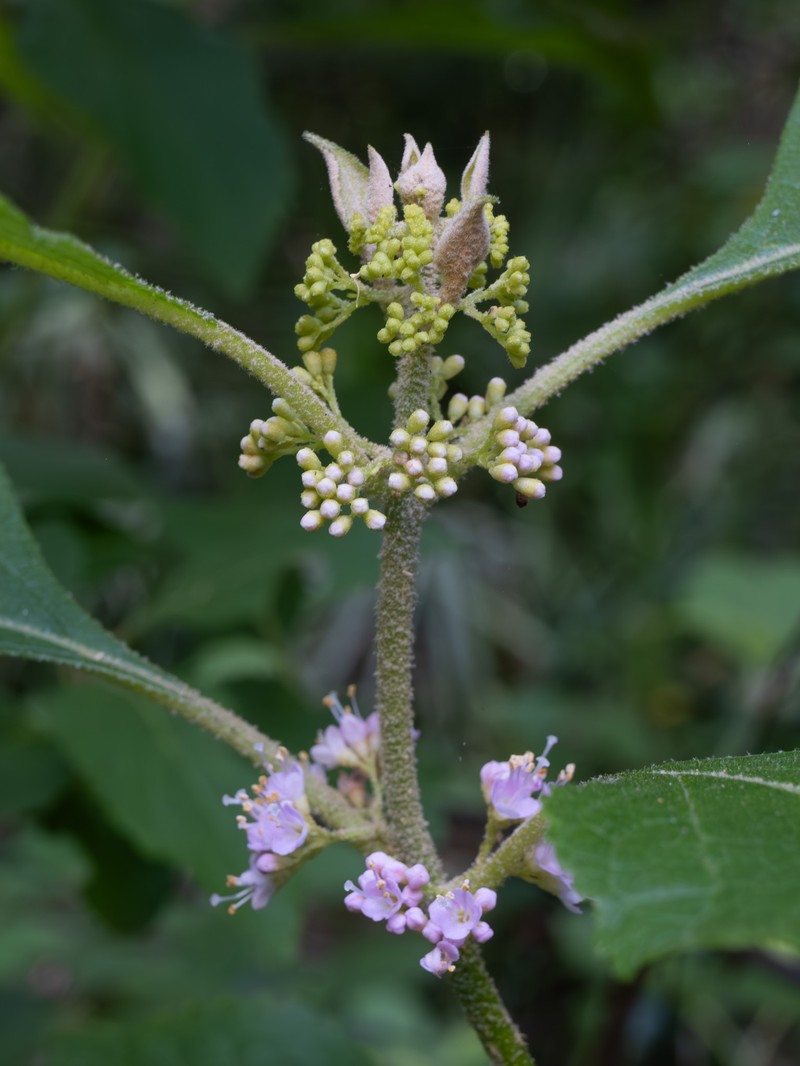
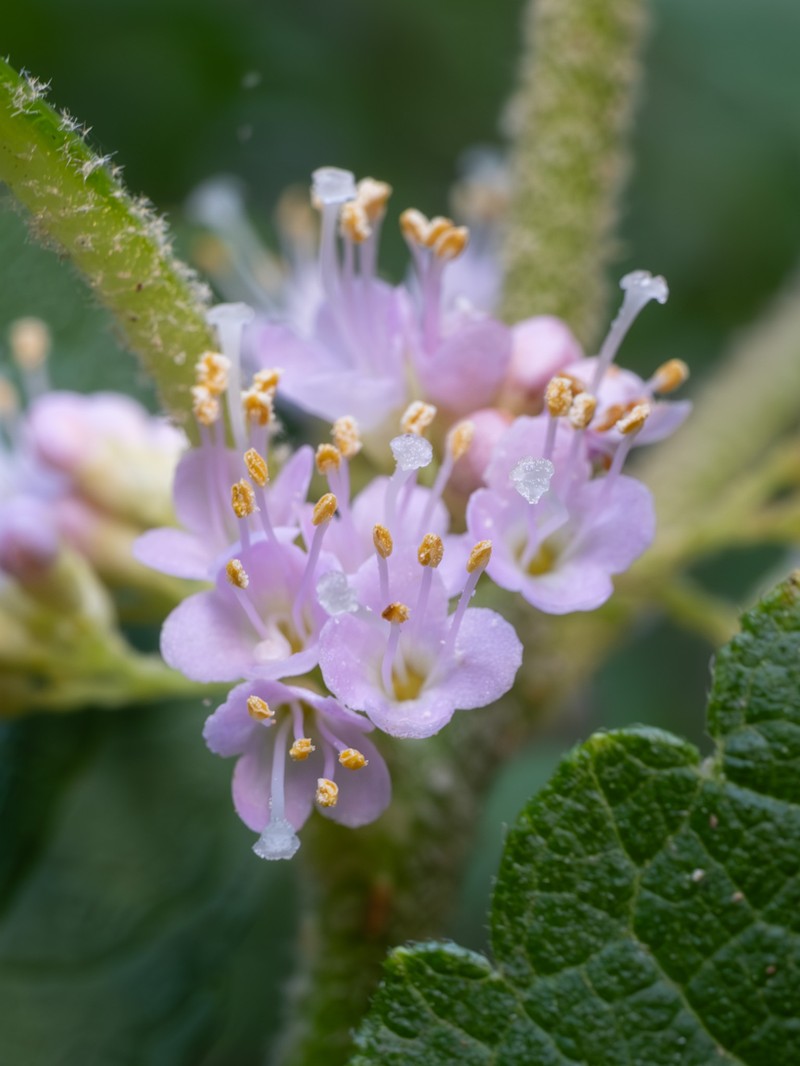
Taxonomy
- Division:
- Magnoliophyta | - Flowering plants
- Family:
- Lamiaceae
- Genus:
- Callicarpa
- Species:
- Callicarpa americana
- USDA Symbol:
- CAAM2
Growth Characteristics
- Life Cycle:
- Perennial
- Growth Habit:
- Shrub
- Height:
- 300 cm
- Light Requirements:
- Part Shade
- Drought Tolerance:
- Medium
- Bloom Months:
- jun,jul,aug
- Bloom Colors:
- pink, lavender
- Landscaping Shrub:
- Yes
Wildlife Benefits
- Bees:
- ★★☆☆☆ Documented bee visitation (GBIF)
- Butterflies & Moths:
- ★★☆☆☆ Documented Lepidoptera association (GBIF)
- Caterpillars:
- ★☆☆☆☆ Recorded caterpillar host plant (HOSTS Database)
Host Plant for Caterpillars
Rustic Sphinx (Manduca rustica)
Reported Fauna Sightings
Bees: Two-spotted Longhorn (Melissodes bimaculatus), ⚠️Western honey bee (Apis mellifera) Moths:Rustic Sphinx (Manduca rustica)
Garden & Ecology Notes
- Wildlife Value:
- birds, butterflies, small mammals
- Fall Color:
- yellow
Soil Requirements
- Soil Type:
- rich, well-drained loamy soil
- pH:
- 5.5 - 7.0 (slightly acidic to neutral)
- Drainage:
- excellent drainage required
- Moisture:
- consistently moist
- Notes:
- Prefers organic matter-rich soils in native habitats
Propagation & Germination
- Stratification:
- Cold/moist stratification required — 60–90 days
- Germination Time:
- 30–60 days
- Notes:
- Seeds benefit from cold stratification for 2-3 months to break dormancy.
Pre-treatment: Seeds are cold stratified for 60 days
Establishment: The plant is widely distributed in Louisiana and found within temperate deciduous forests of North America. No germination percentage or specific temperature for germination is provided in the protocols.
Source: npn.rngr.net
Where to Buy
Nationwide Seller
- Native Plants Nursery (nursery)
- Sheffield's Seed (seeds)
- Native American Seed (nursery and seeds)