
Yerba Buena
Clinopodium douglasii
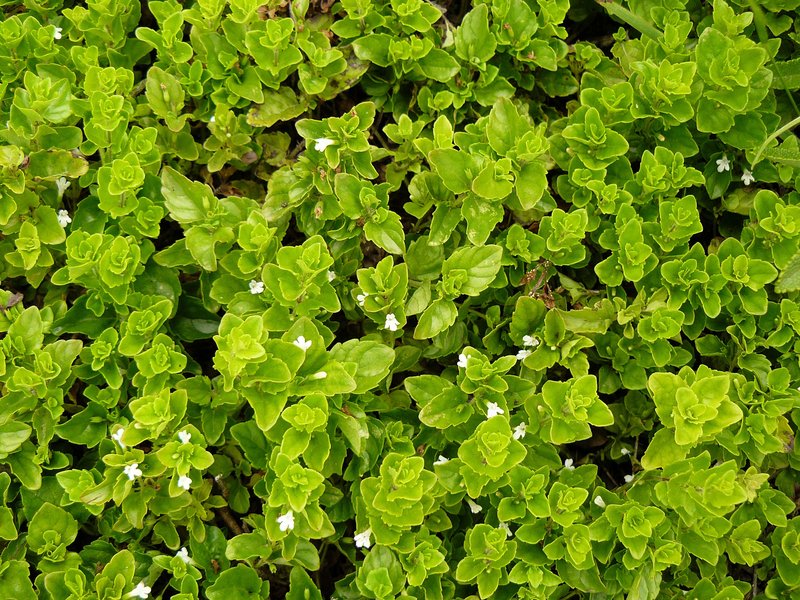
Joyce Cory on Flickr as docentjoyce
Taxonomy
- Division:
- Magnoliophyta | - Flowering plants
- Family:
- Lamiaceae
- Genus:
- Clinopodium
- Species:
- Clinopodium douglasii
Growth Characteristics
- Life Cycle:
- Perennial
- Growth Habit:
- Forb/herb , Subshrub
- Height:
- 1-2 ft
- Light Requirements:
- Full Sun
- Drought Tolerance:
- High
- Bloom Months:
- mar, apr, may, sep, oct, nov
- Bloom Colors:
- pink, white
- Ground Cover:
- Yes
Native Range
United States: Alaska, California, Idaho, Montana, Oregon, Washington, Canada: British Columbia
Reported Fauna Sightings
Soil Requirements
- Soil Type:
- rich, well-drained loamy soil
- pH:
- 5.5 - 7.5 (slightly acidic to neutral)
- Drainage:
- excellent drainage required
- Moisture:
- consistently moist
- Notes:
- native to coastal regions, prefers organic matter
Germination Information
Pre-treatment: For seeds: Soak in fresh water overnight, then cold stratify in peat in the refrigerator until germination begins. Check weekly. For cuttings: Strike in flats containing 1:1 Perlite/Vermiculite, 0.5 inch deep. Lay cuttings horizontally ensuring each internode is covered with media.
Establishment: Seeds are collected between May 1st and August 1st, while cuttings are collected on May 21st. The species is found below 3,000 feet elevation, from British Columbia to southern California and Santa Catalina Island. Transplant survival averages 75% for seeds and 90% for cuttings.
Source: npn.rngr.net