
Common Dittany
Cunila origanoides
- Native to:
- United States, Virgin Islands
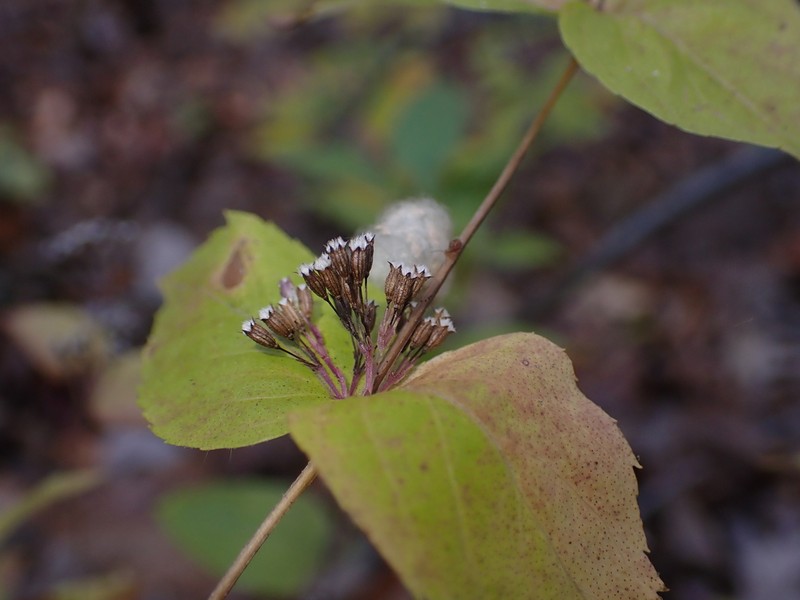
iNaturalist: © sammakler (iNaturalist #64276277)
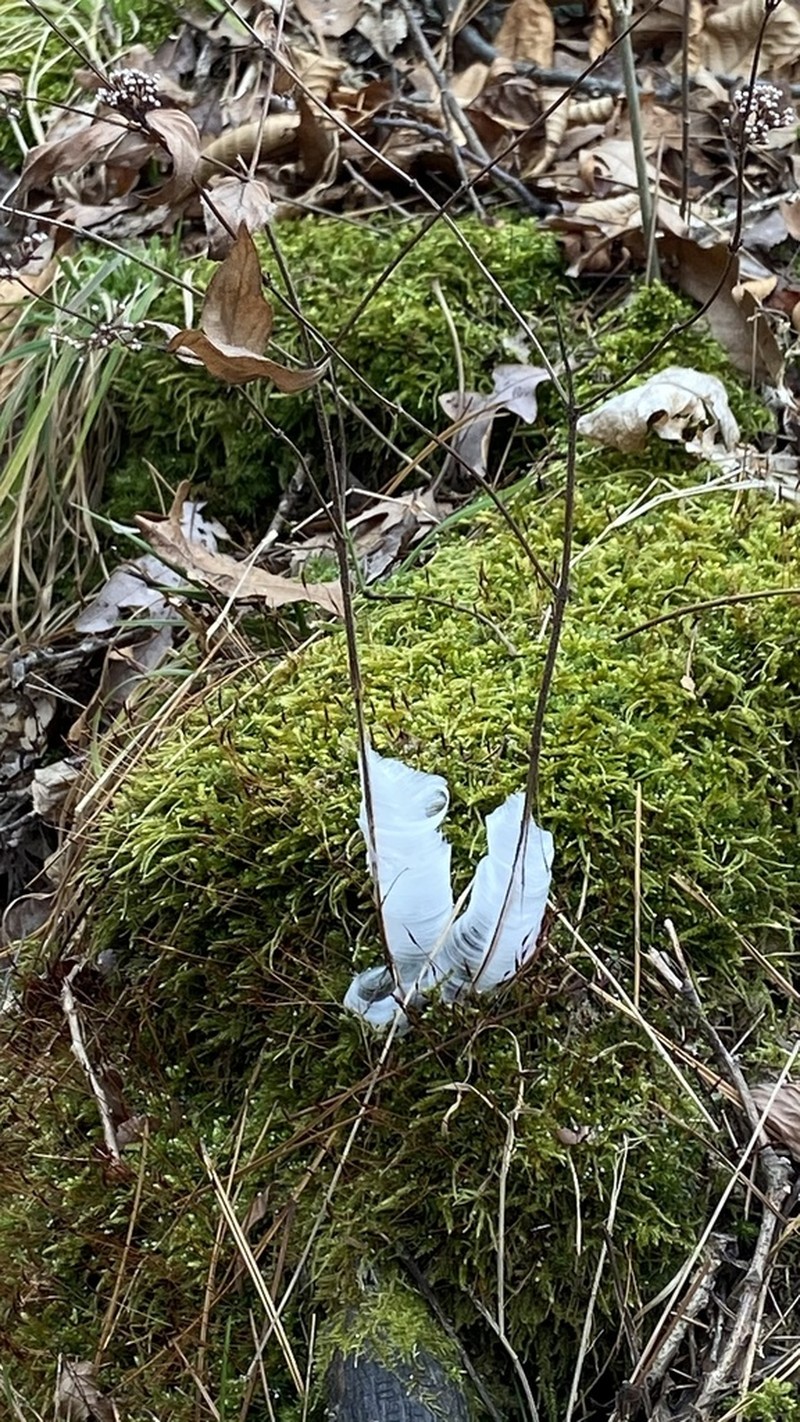
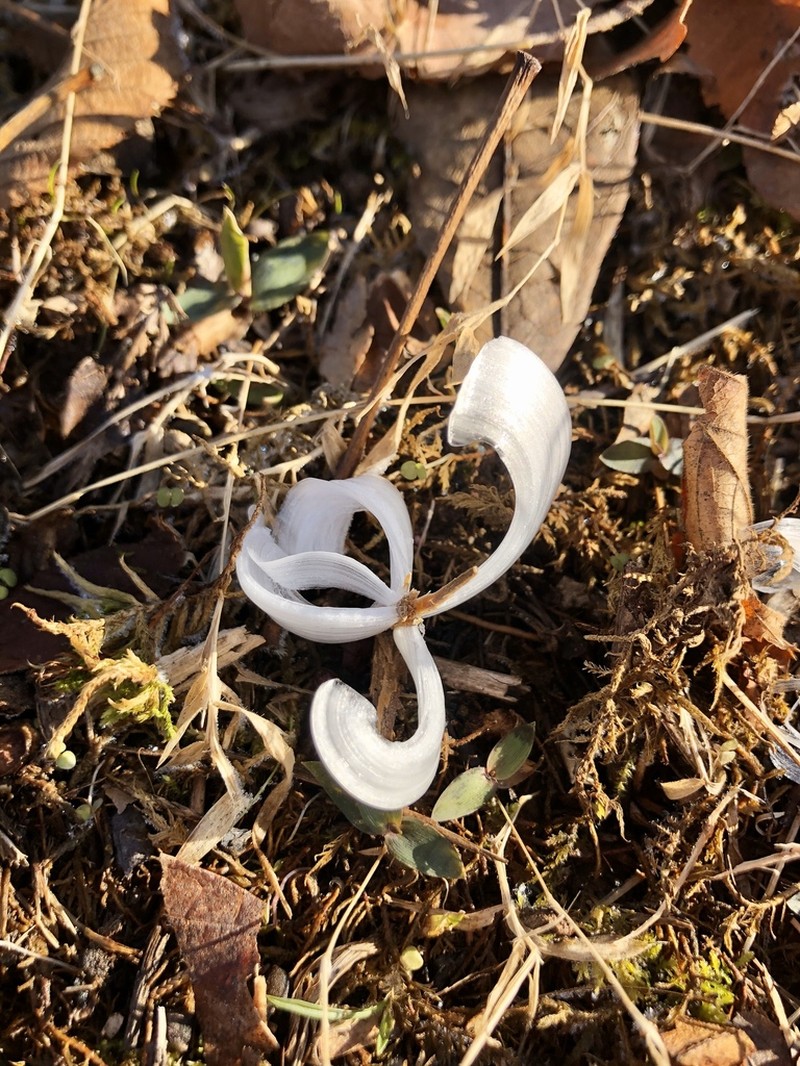
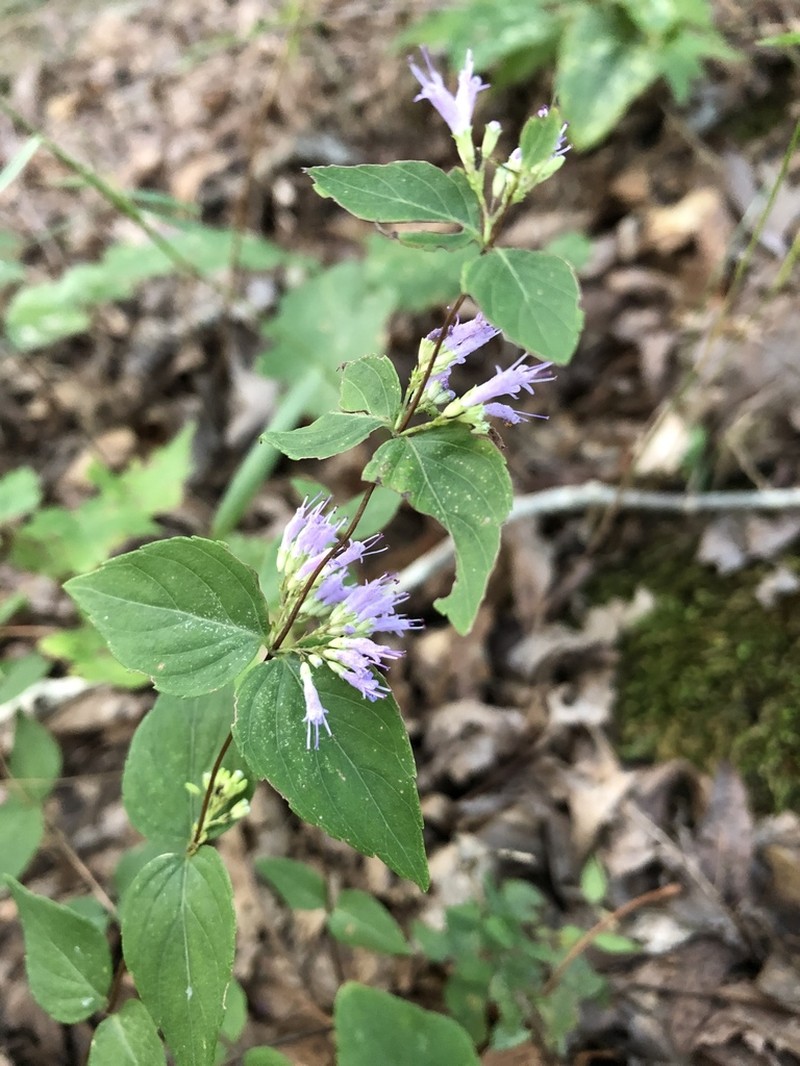
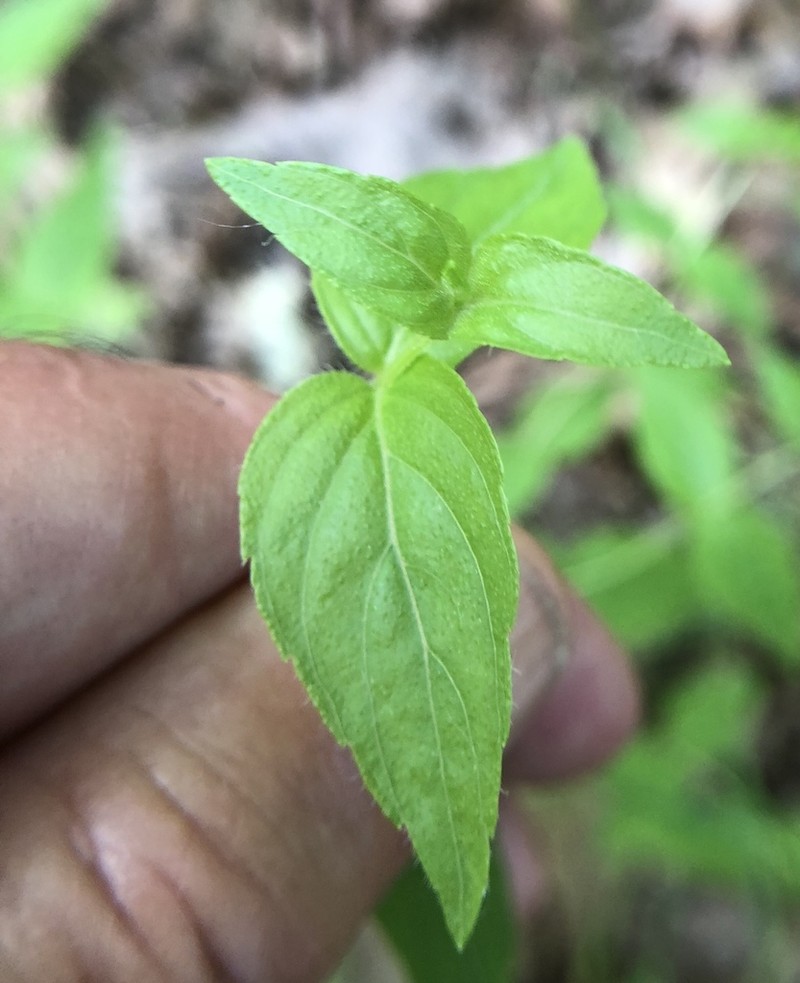
Taxonomy
- Division:
- Magnoliophyta | - Flowering plants
- Family:
- Lamiaceae
- Genus:
- Cunila
- Species:
- Cunila origanoides
- USDA Symbol:
- CUOR
Growth Characteristics
- Life Cycle:
- Perennial
- Growth Habit:
- Forb/herb , Subshrub
- Height:
- 45 cm
- Light Requirements:
- Full Sun,Part Shade
- Drought Tolerance:
- High
- Bloom Months:
- aug,sep,oct
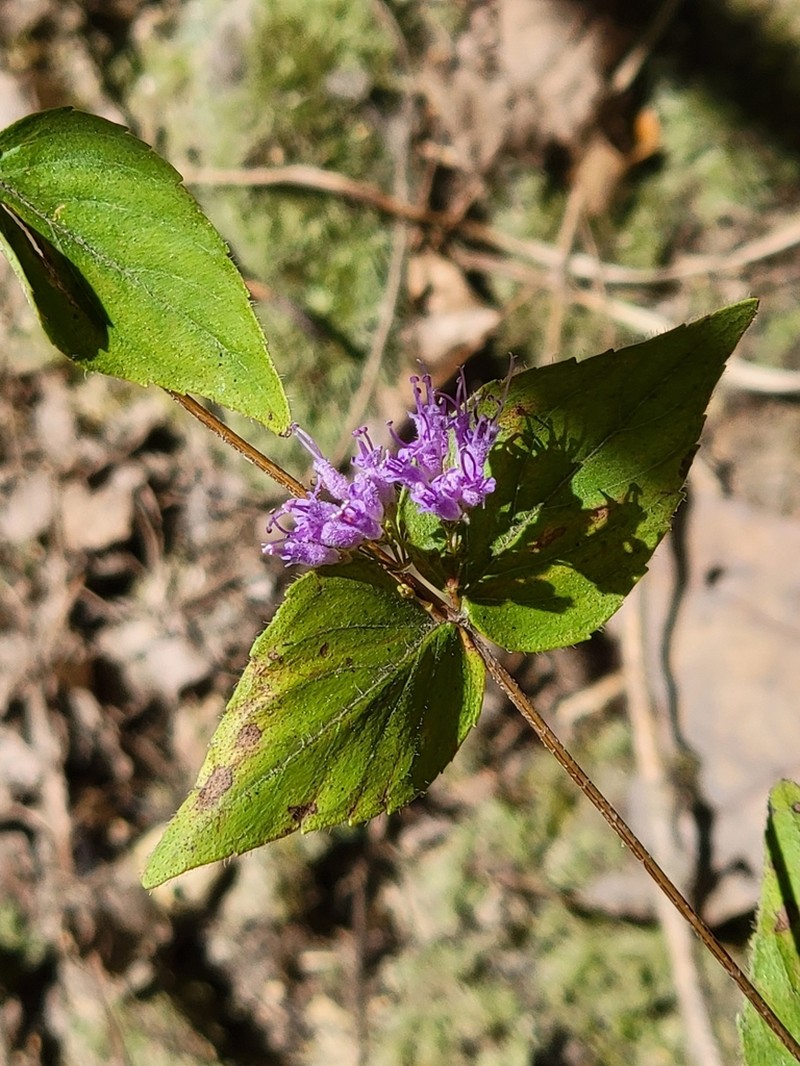
- Bloom Colors:
- lavender, purple
Wildlife Benefits
- Bees:
- ★☆☆☆☆ Documented bee visitation (GBIF)
- Butterflies & Moths:
- ★☆☆☆☆ Documented Lepidoptera association (GBIF)
- Caterpillars:
- ★☆☆☆☆ Recorded caterpillar host plant (HOSTS Database)
Host Plant for Caterpillars
Stephensia cunilae
Reported Fauna Sightings
Bees: Common eastern (Bombus impatiens), ⚠️Western honey bee (Apis mellifera)
Garden & Ecology Notes
- Wildlife Value:
- bees, butterflies
- Deer Resistant:
- Yes
- Fragrant:
- Yes
- Fall Color:
- red, purple
Soil Requirements
- Soil Type:
- rocky, well-drained, nutrient-poor soil
- pH:
- 5.5 - 7.0 (slightly acidic to neutral)
- Drainage:
- excellent drainage required
- Moisture:
- dry to moderate
- Notes:
- Thrives on rocky slopes and open woodlands
Propagation & Germination
- Stratification:
- Cold/moist stratification required — 30–60 days
- Germination Time:
- 14–30 days
- Notes:
- Seeds germinate after cold stratification; surface sow on moist medium and keep warm.