
Beebalm
Monarda stipitatoglandulosa
- Native to:
- United States
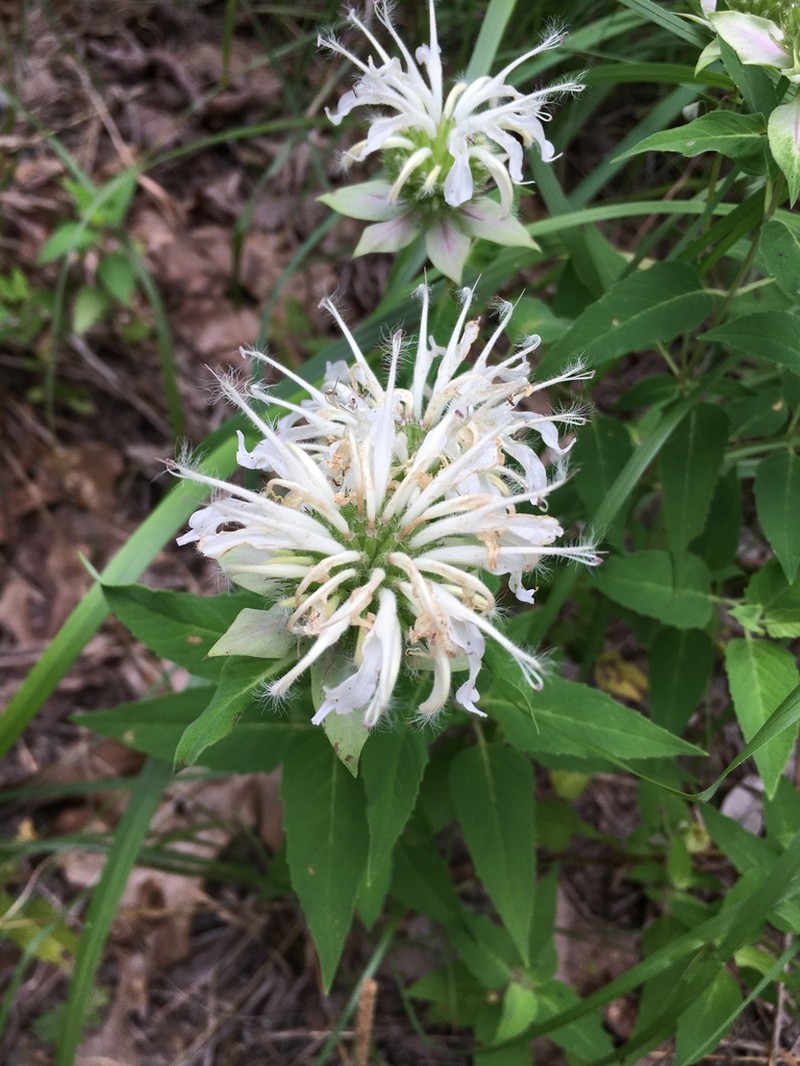
iNaturalist: © theo_witsell (iNaturalist #26912188)
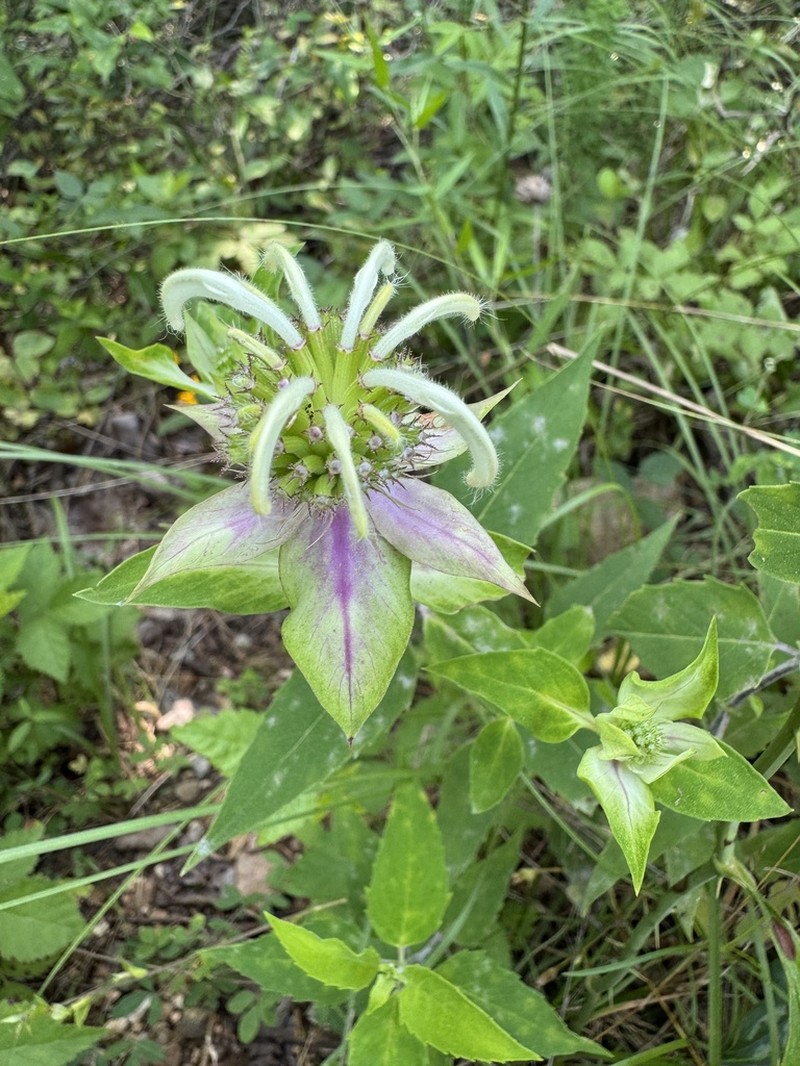
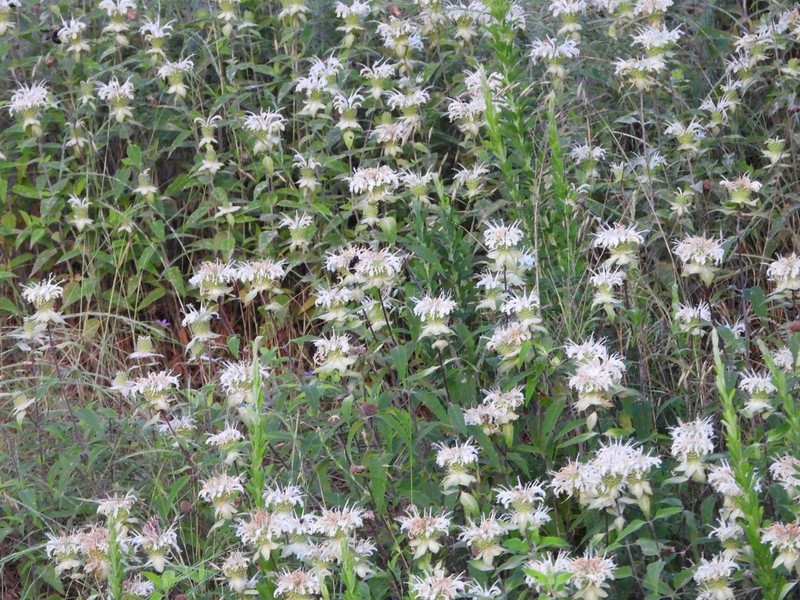
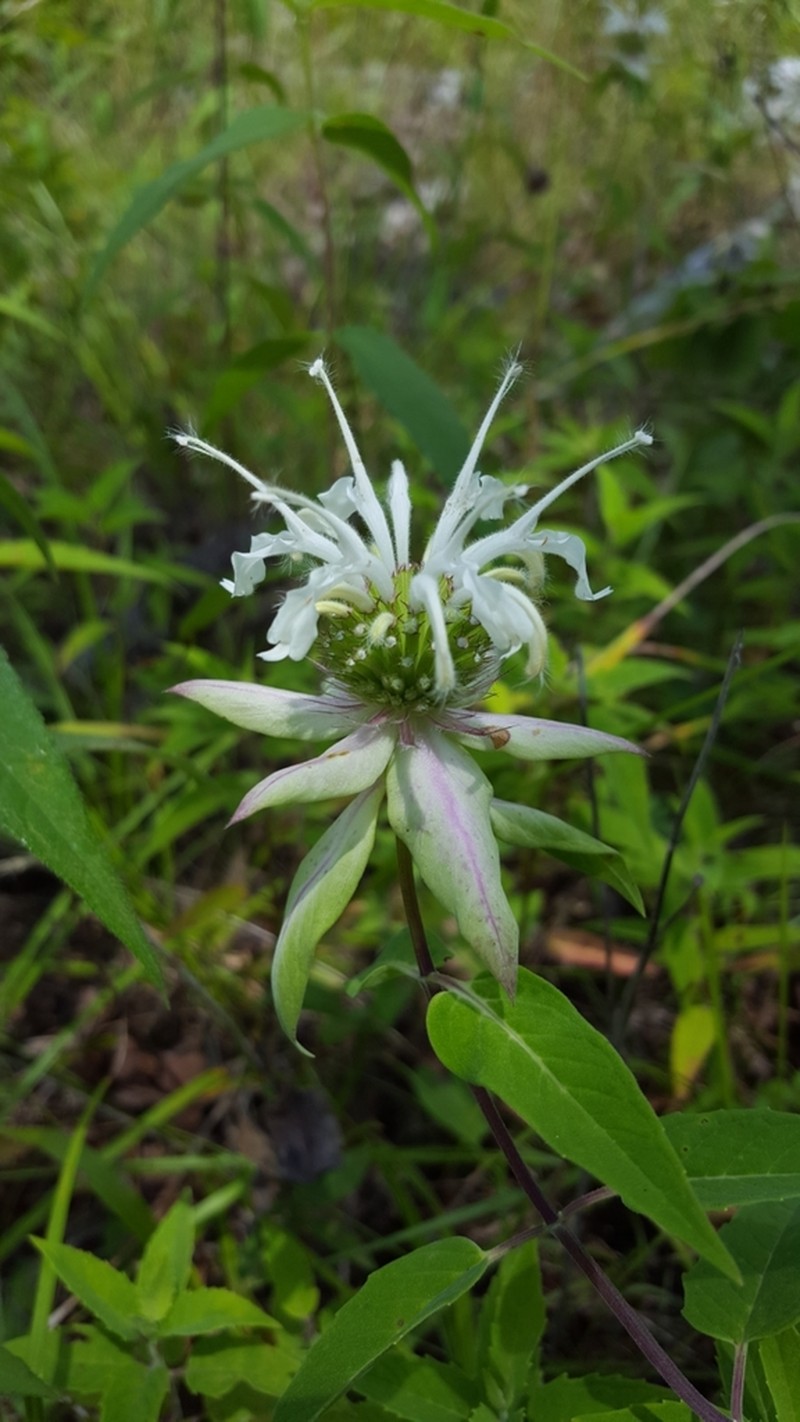
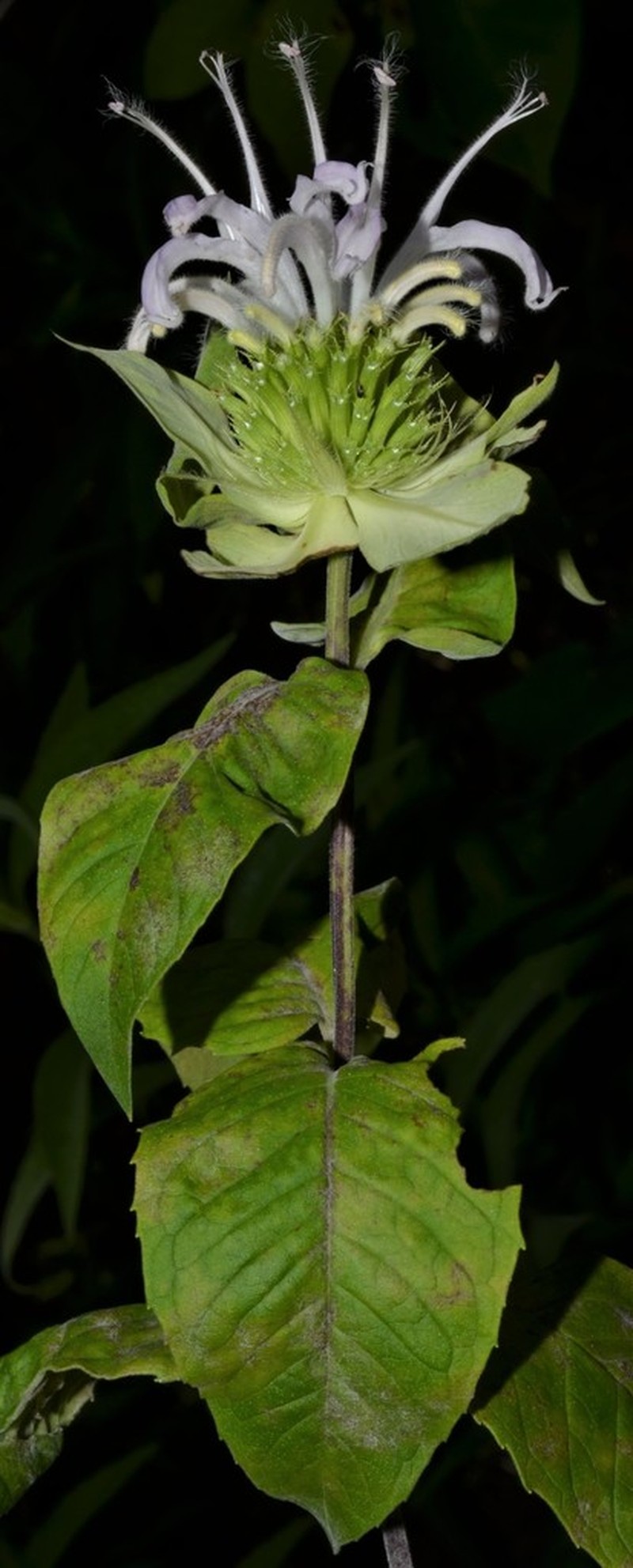
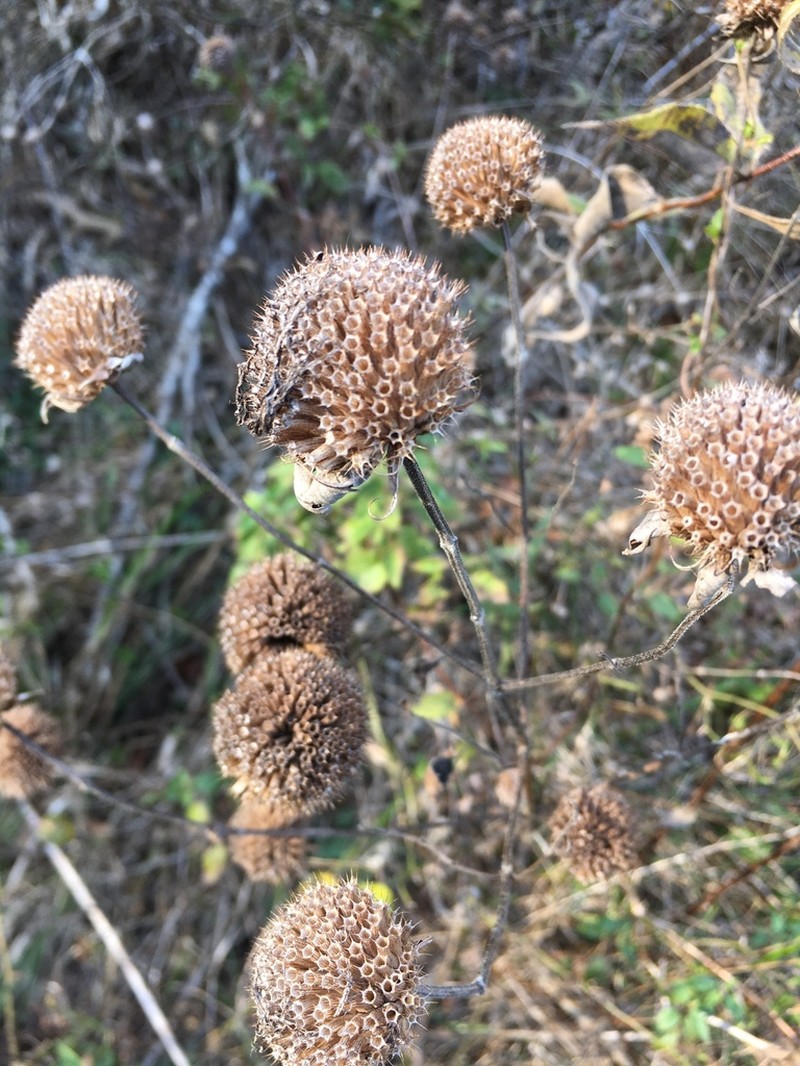
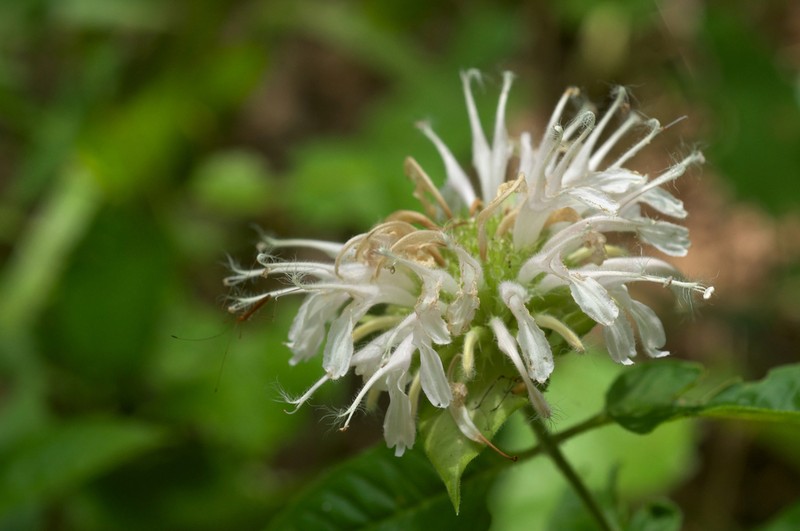
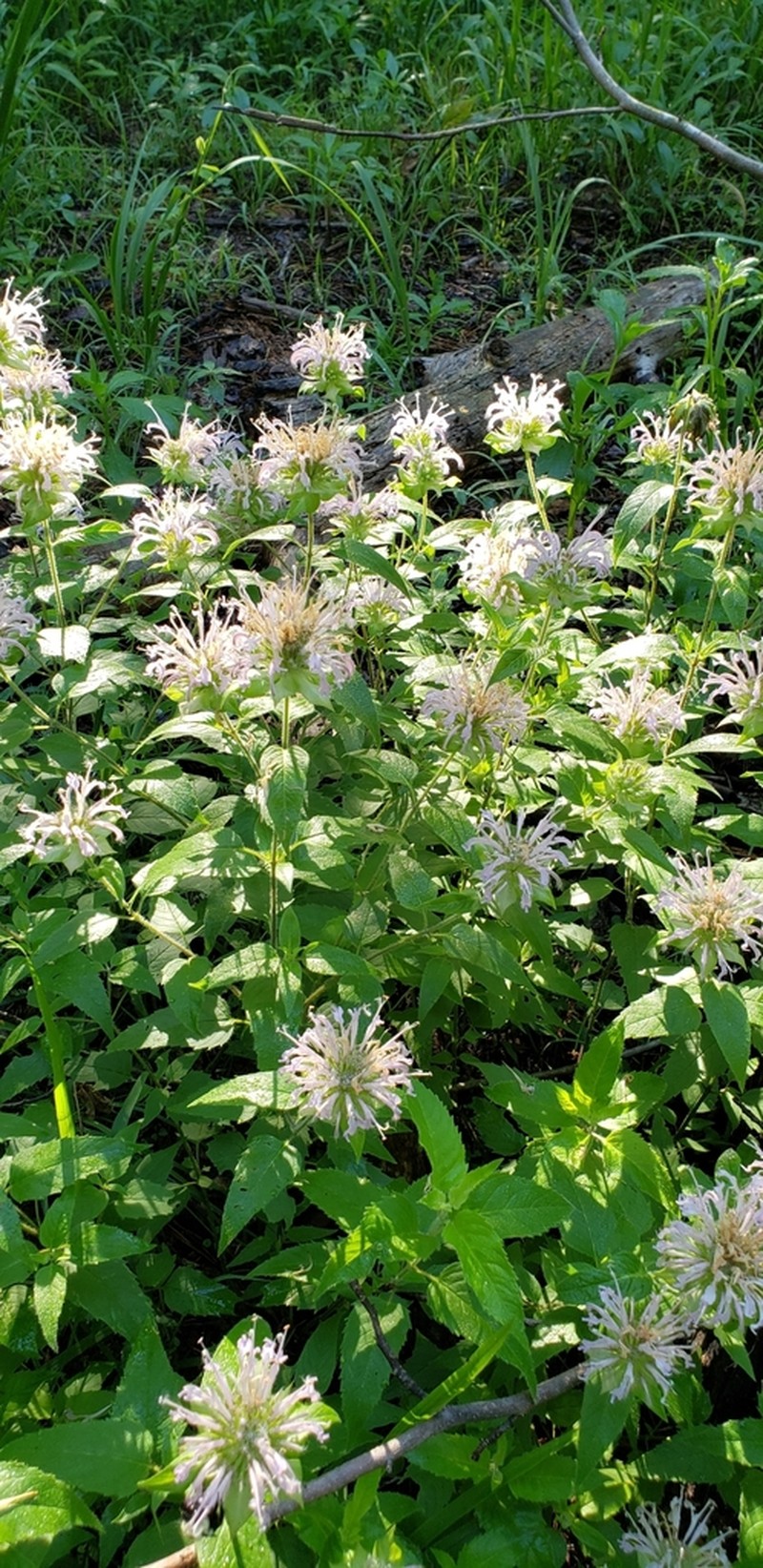
Taxonomy
- Division:
- Magnoliophyta | - Flowering plants
- Family:
- Lamiaceae
- Genus:
- Monarda
- Species:
- Monarda stipitatoglandulosa
- USDA Symbol:
- MOST2
Growth Characteristics
- Life Cycle:
- Perennial
- Growth Habit:
- Forb/herb
- Height:
- 100 cm
- Drought Tolerance:
- Medium
- Bloom Months:
- may,jun,jul
- Bloom Colors:
- pink, purple
Wildlife Benefits
- Bees:
- ★☆☆☆☆ Documented bee visitation (GBIF)
- Butterflies & Moths:
- ★☆☆☆☆ Documented Lepidoptera association (GBIF)
Keystone Species Ranking
- Caterpillar Keystone:
- ★★☆☆☆ Butterfly & moth species supported by this genus (NWF)
Host Plant for Caterpillars
Coleophora heinrichella, Coleophora monardella, Eutrepsia inconstans, Hermit sphinx (Sphinx eremitus), Pyrausta generosa, ragged-edged pyrausta moth (Pyrausta signatalis), sparganothis fruitworm moth (Sparganothis sulfureana), Xenotemna pallorana
Garden & Ecology Notes
- Wildlife Value:
- bees, butterflies, hummingbirds
- Fragrant:
- Yes
Propagation & Germination
- Stratification:
- Cold/moist stratification required — 30–60 days
- Germination Time:
- 14–30 days
- Notes:
- Seeds germinate best after cold stratification for 30-60 days.
Pre-treatment: Cold-moist stratification for 30 days at 1–5°C (34–41°F).
Source: Claude AI