
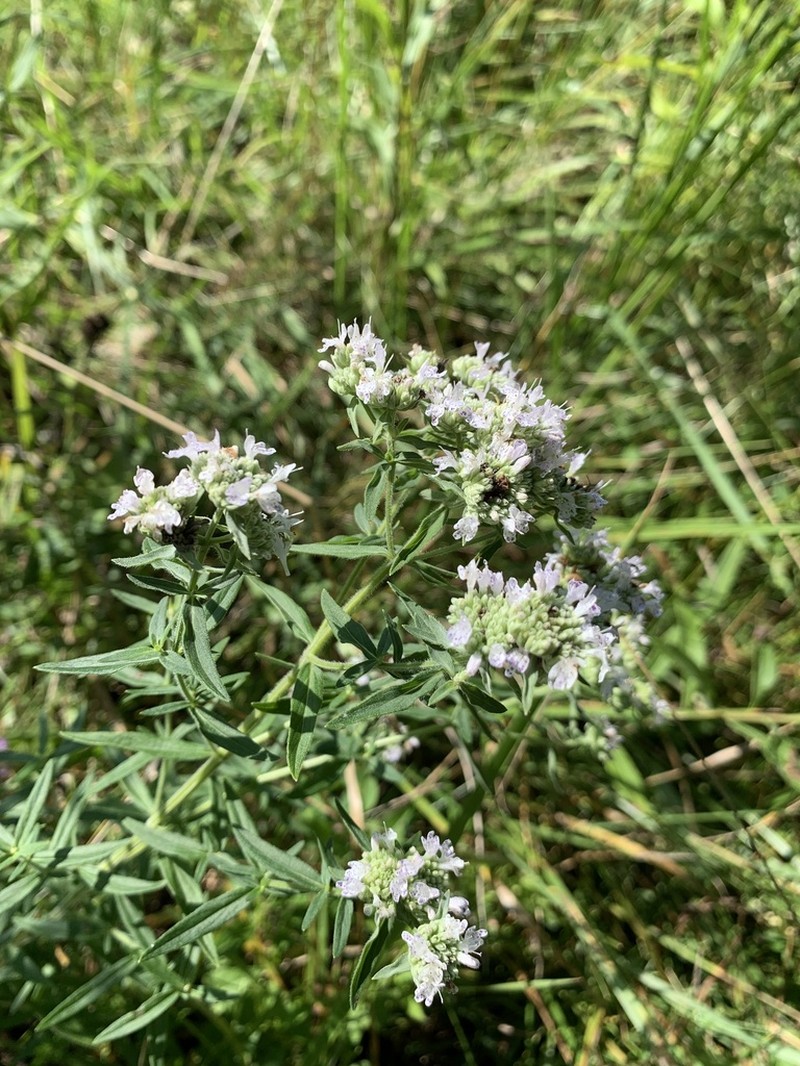
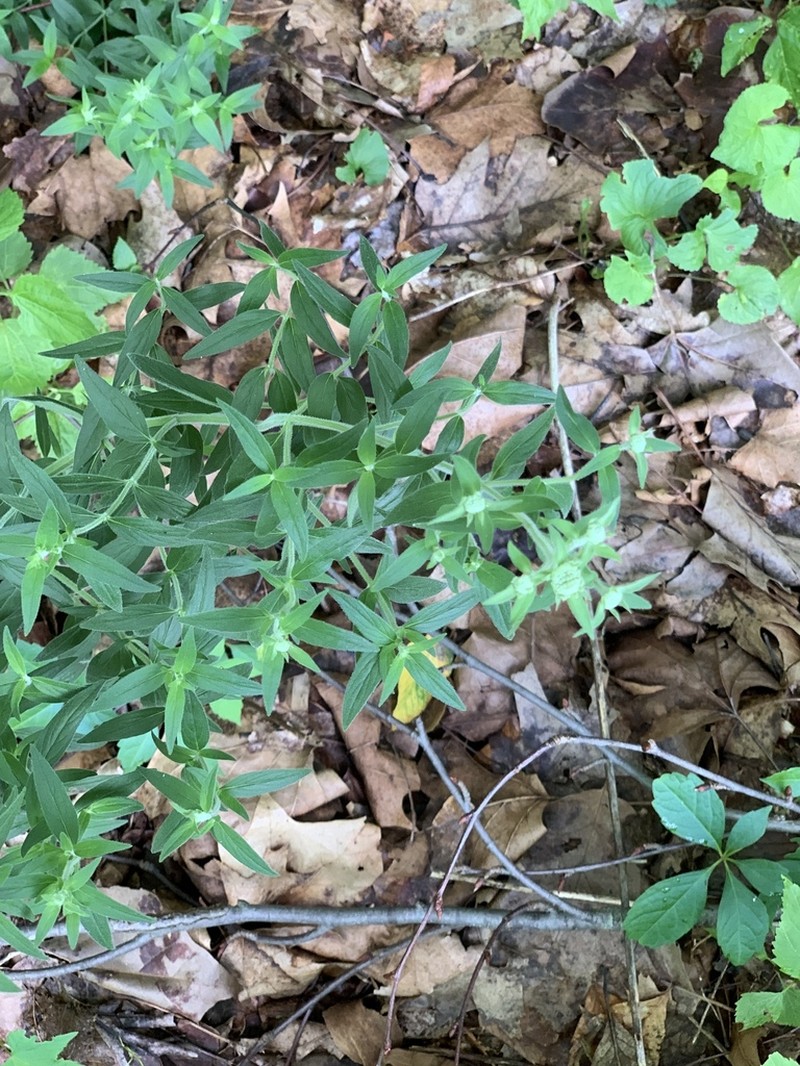
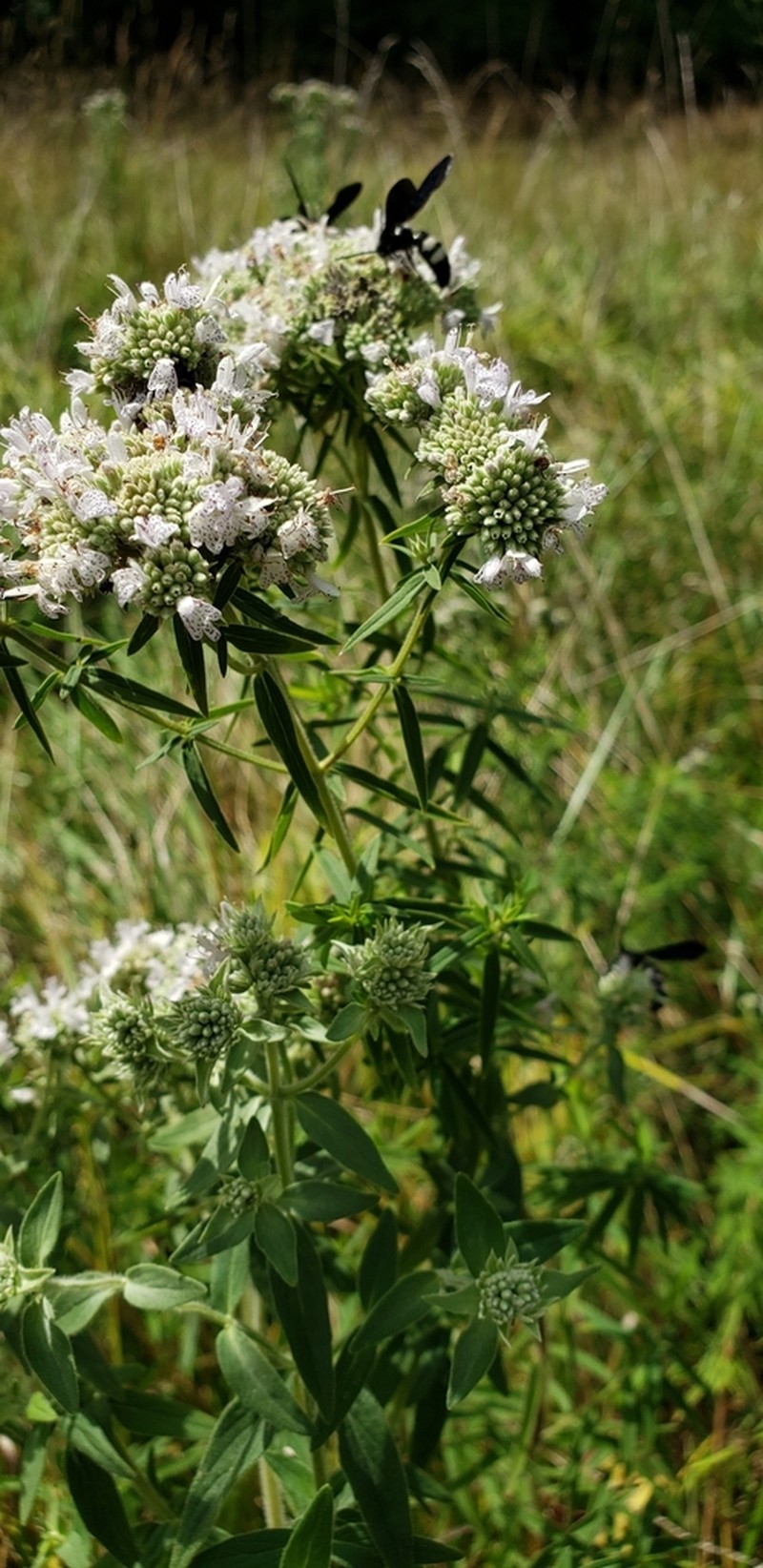
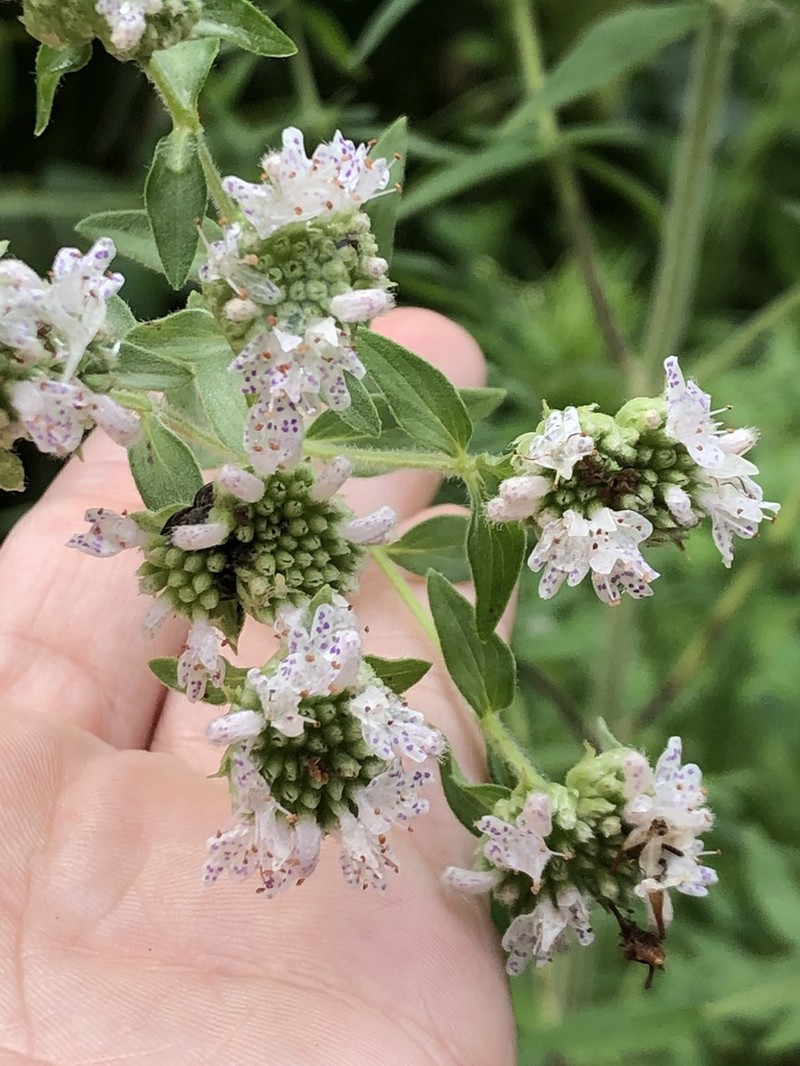
Whorled Mountainmint
Pycnanthemum verticillatum
- Native to:
- Canada, United States, Virgin Islands
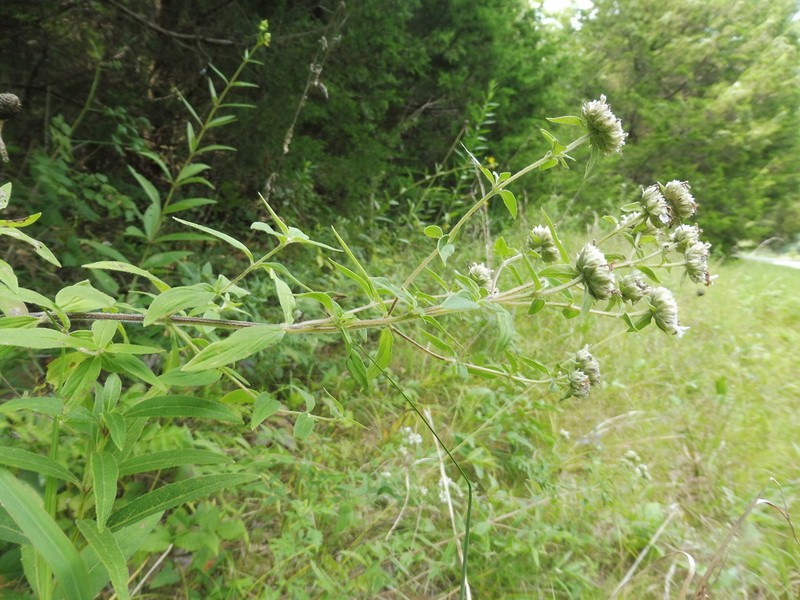
iNaturalist: © masebrock (iNaturalist #154902180)
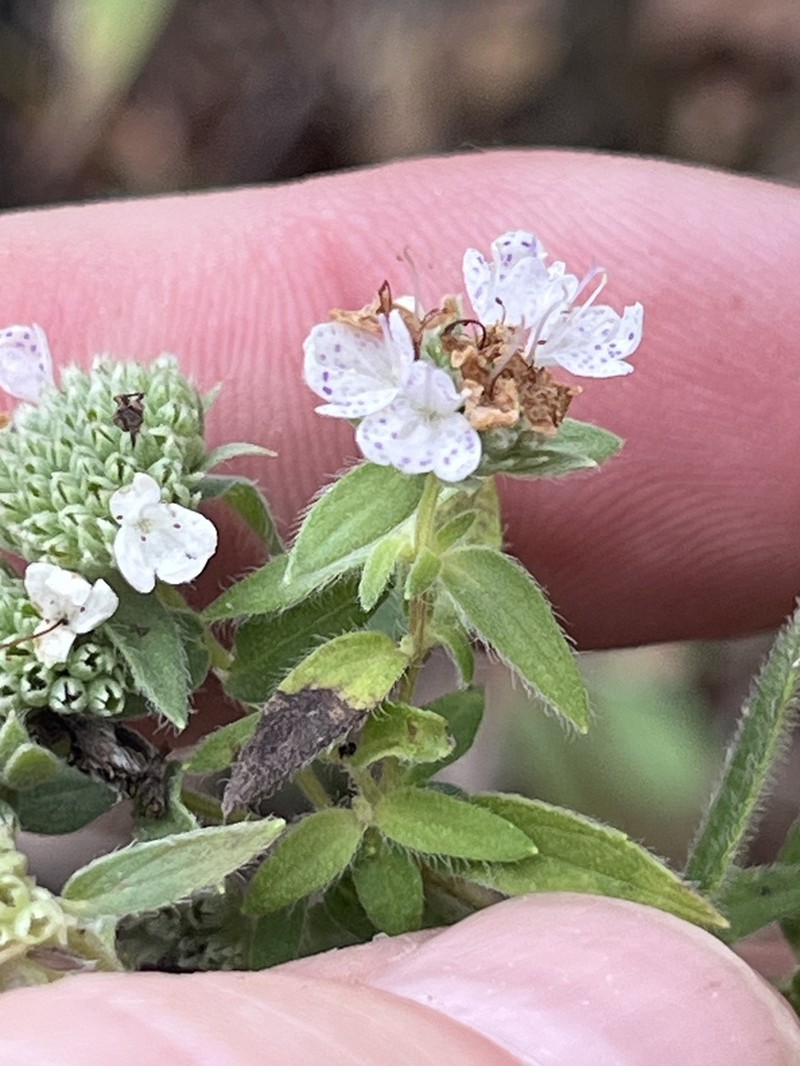
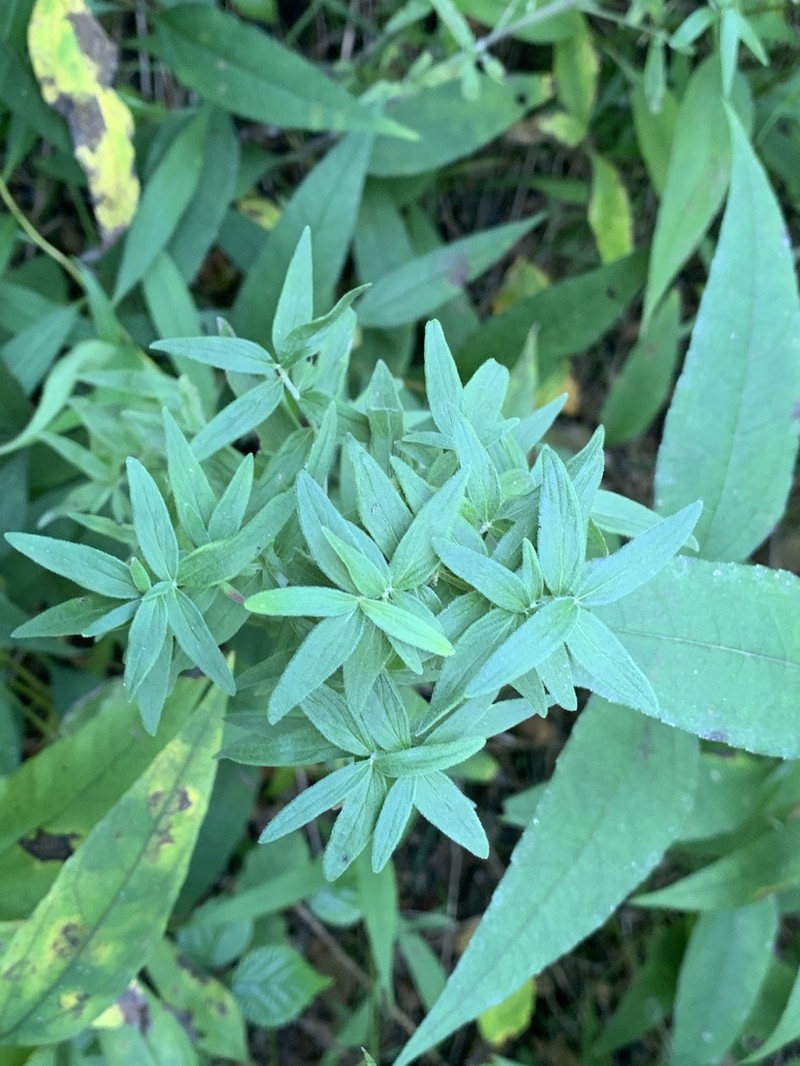
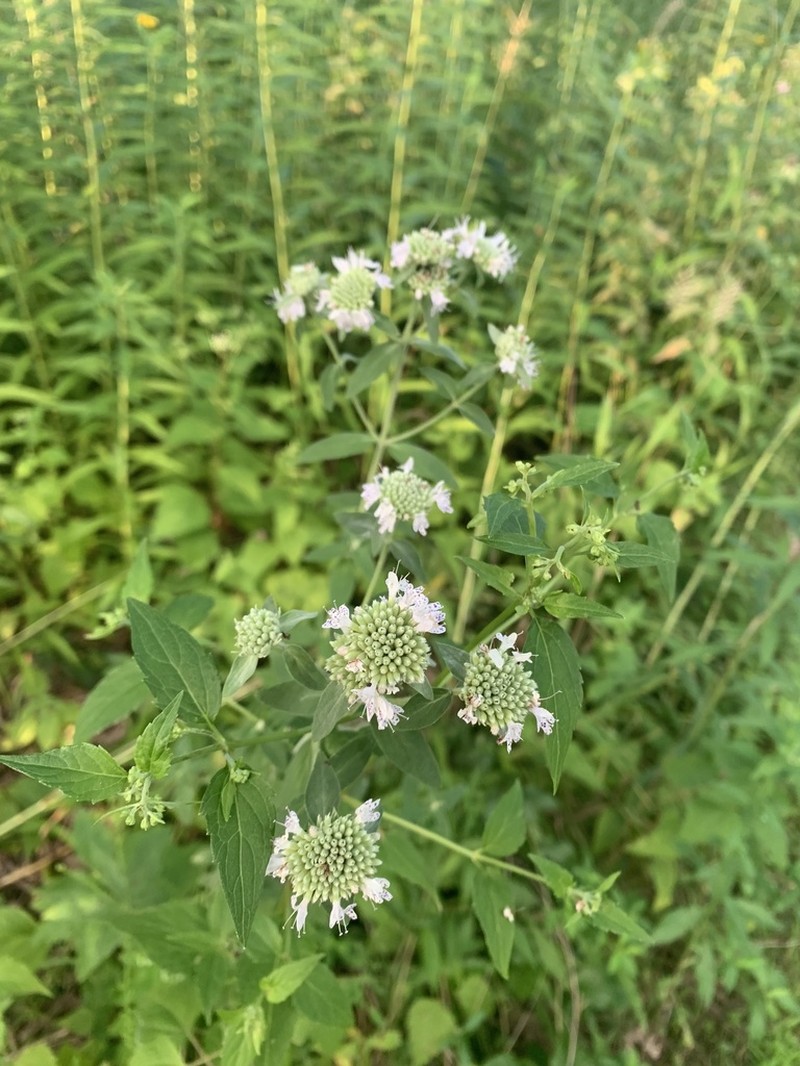
Taxonomy
- Division:
- Magnoliophyta | - Flowering plants
- Family:
- Lamiaceae
- Genus:
- Pycnanthemum
- Species:
- Pycnanthemum verticillatum
- USDA Symbol:
- PYVE
Growth Characteristics
- Life Cycle:
- Perennial
- Growth Habit:
- Forb/herb
- Height:
- 120 cm
- Light Requirements:
- Full Sun
- Drought Tolerance:
- Medium
- Bloom Months:
- jul,aug,sep
- Bloom Colors:
- white, pink
Wildlife Benefits
- Bees:
- ★★☆☆☆ Documented bee visitation (GBIF)
- Butterflies & Moths:
- ★☆☆☆☆ Documented Lepidoptera association (GBIF)
Keystone Species Ranking
- Caterpillar Keystone:
- ★☆☆☆☆ Butterfly & moth species supported by this genus (NWF)
Reported Fauna Sightings
Bees: Brown-belted bumble (Bombus griseocollis), Common eastern (Bombus impatiens), Eastern Carpenter Bee (Xylocopa virginica), Lemon cuckoo (Bombus citrinus), Two-spotted Longhorn (Melissodes bimaculatus), ⚠️Western honey bee (Apis mellifera), Zadontomerus Ashmead
Garden & Ecology Notes
- Wildlife Value:
- bees, butterflies, birds
- Deer Resistant:
- Yes
- Fragrant:
- Yes
Soil Requirements
- Soil Type:
- rich, well-drained loamy soil
- pH:
- 5.5 - 7.0 (slightly acidic to neutral)
- Drainage:
- excellent drainage required
- Moisture:
- dry to moderate
- Notes:
- prefers open, sunny habitats
Propagation & Germination
- Stratification:
- Cold/moist stratification required — 30–60 days
- Germination Time:
- 14–30 days
- Notes:
- Seeds germinate readily after cold stratification; surface sow and keep moist.
Pre-treatment: Cold moist stratification for 60 days at 39° Fahrenheit
Establishment: Seeds that received cold moist stratification had a higher germination rate. Seeds were collected once flower clusters dried on the plant and stored in a paper bag at room temperature in a well-ventilated, dry environment until cleaning.
Source: npn.rngr.net
Where to Buy
Nationwide Seller
- Prairie Moon Nursery (nursery and seeds)