
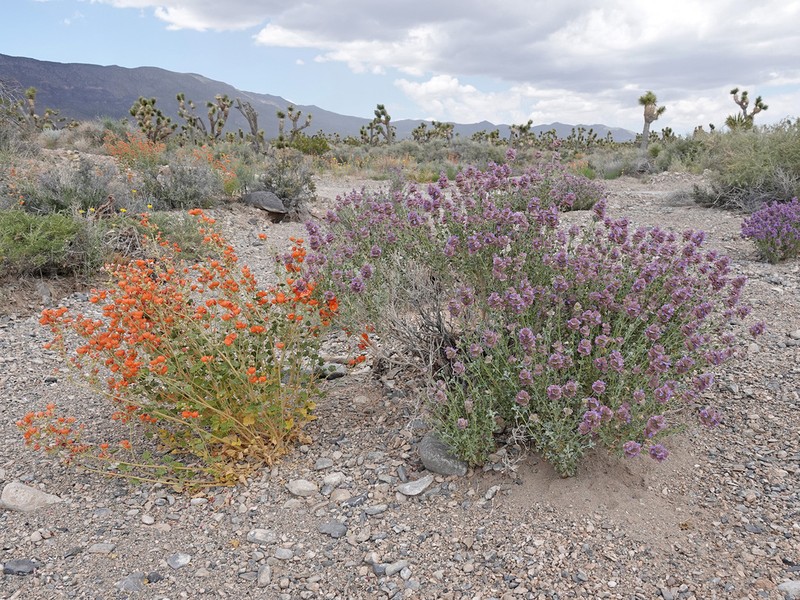
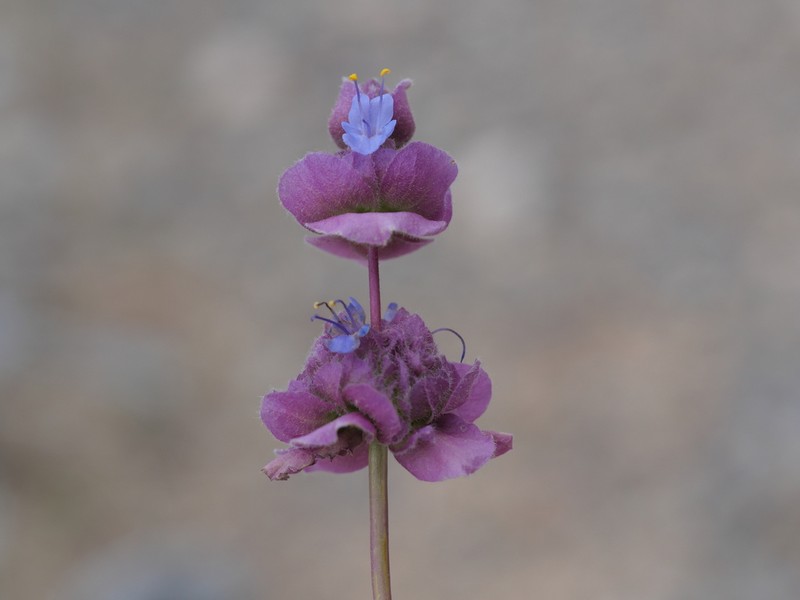
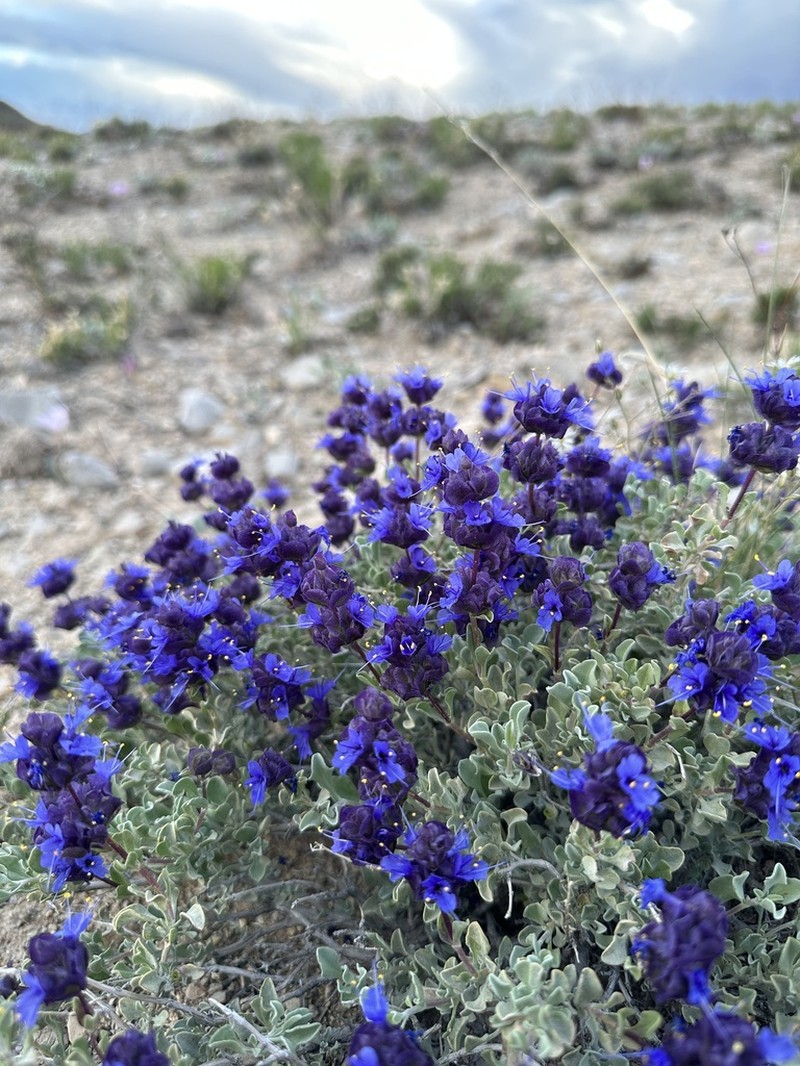
Purple Sage
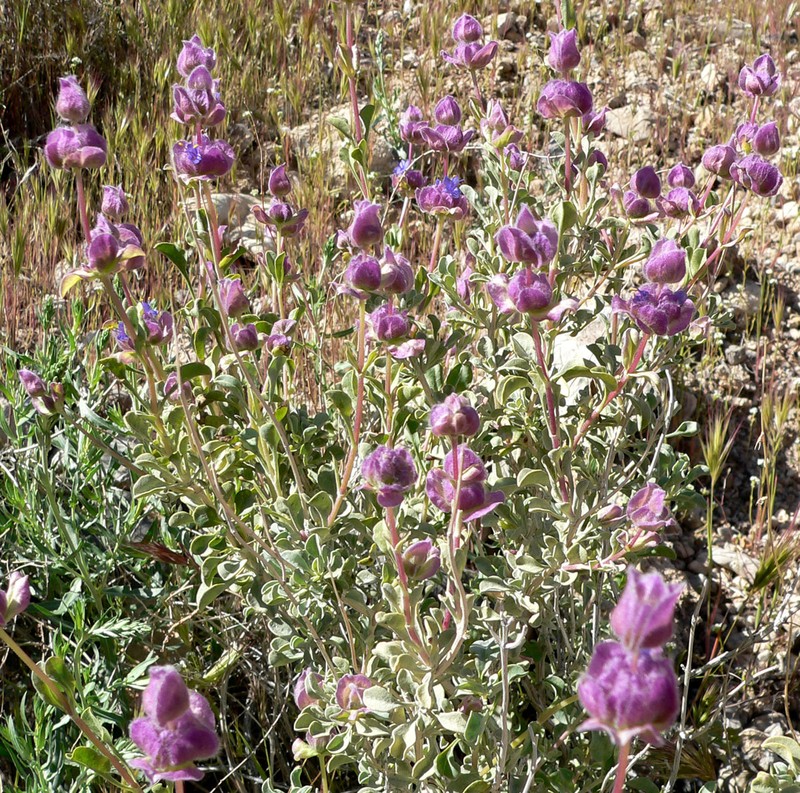
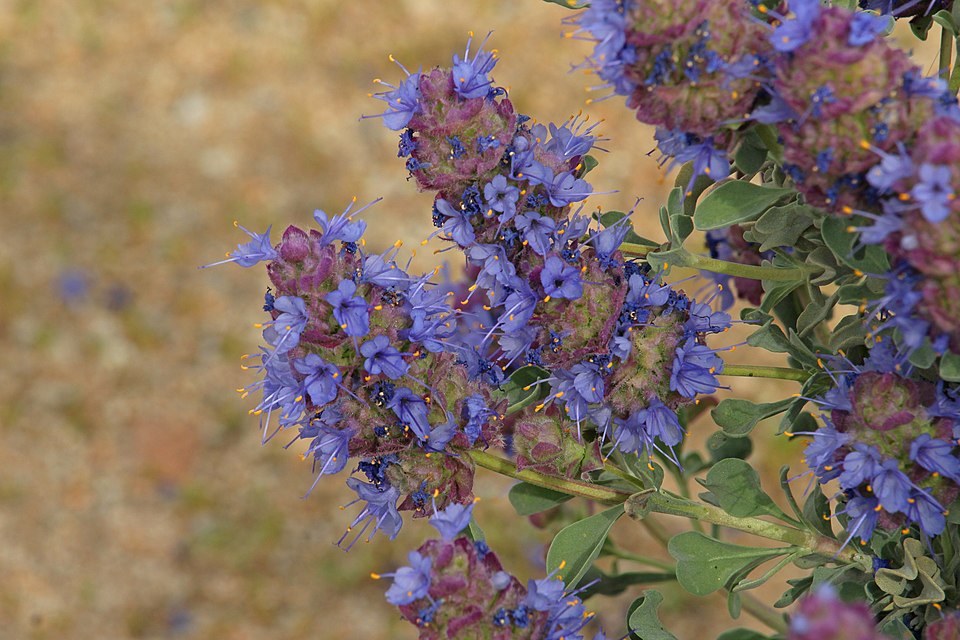
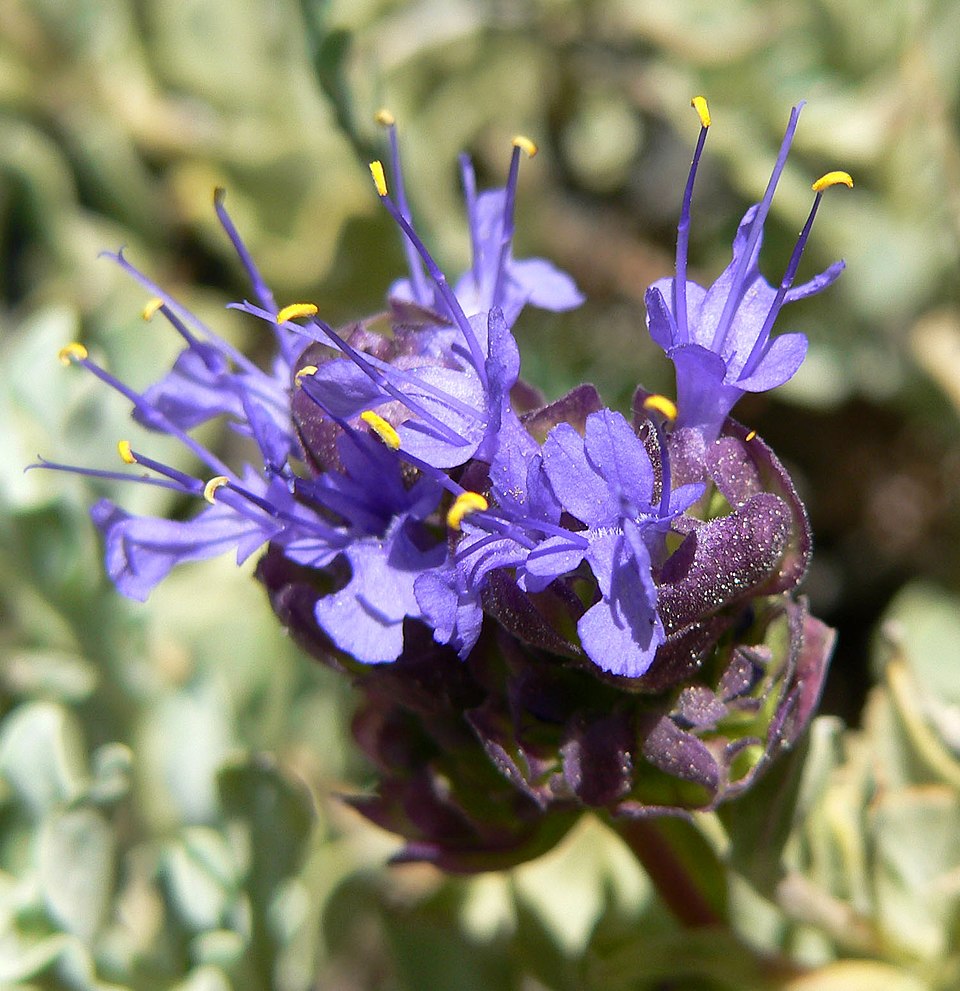
Salvia dorrii
- Native to:
- United States
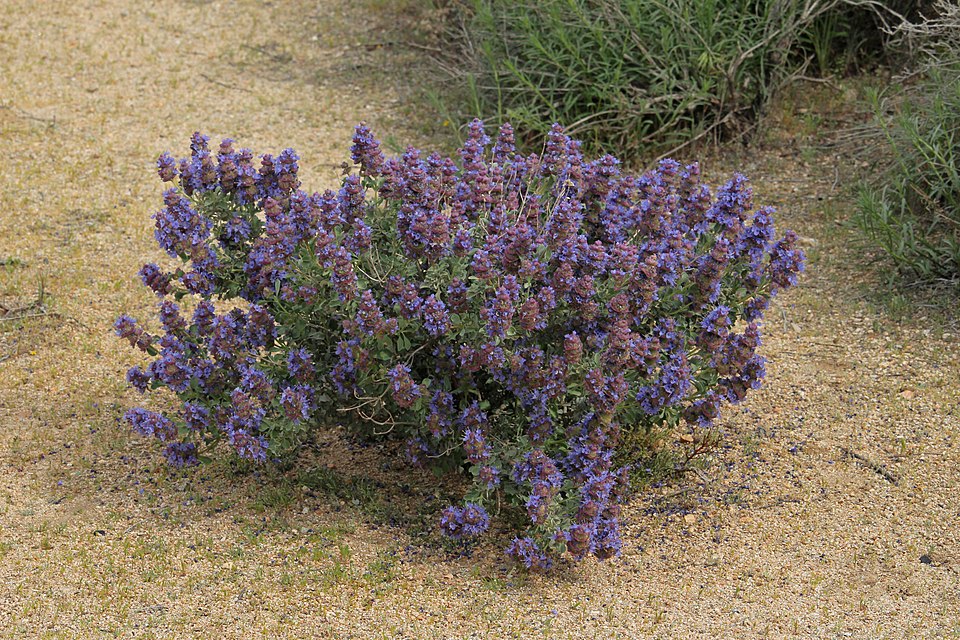
Walter Siegmund (talk)
Taxonomy
- Division:
- Magnoliophyta | - Flowering plants
- Family:
- Lamiaceae
- Genus:
- Salvia
- Species:
- Salvia dorrii
- USDA Symbol:
- SADO4
Growth Characteristics
- Life Cycle:
- Perennial
- Growth Habit:
- Shrub , Subshrub
- Height:
- 80 cm
- Light Requirements:
- Full Sun
- Drought Tolerance:
- High
- Bloom Months:
- may,jun,jul
- Bloom Colors:
- blue, purple
Wildlife Benefits
- Bees:
- ★★★☆☆ Documented bee visitation (GBIF)
- Butterflies & Moths:
- ★★★★☆ Documented Lepidoptera association (GBIF)
- Hummingbirds:
- ★☆☆☆☆ Documented hummingbird visits (GBIF)
Reported Fauna Sightings
Garden & Ecology Notes
- Wildlife Value:
- bees, butterflies, hummingbirds
- Deer Resistant:
- Yes
- Fragrant:
- Yes
- Fire Ecology:
- Fire adapted — tolerates or benefits from fire
- Fire Notes:
- Resprouts from root crown after low-severity fire; benefits from fire to reduce competition.
Soil Requirements
- Soil Type:
- sandy, well-drained, nutrient-poor soil
- pH:
- 6.0 - 8.0 (neutral to slightly alkaline)
- Drainage:
- excellent drainage required
- Moisture:
- dry to moderate
- Notes:
- native to arid regions, prefers dry conditions
Propagation & Germination
- Stratification:
- Cold/moist stratification required — 30–60 days
- Germination Time:
- 14–30 days
- Notes:
- Seeds germinate best after cold stratification; surface sow on well-drained medium.
Pre-treatment: Seeds are naturally stratified outdoors during fall months or treated with gibberellic acid (GA3). Germination is enhanced with 1 to 6 weeks of cold-moist stratification or treatment with GA3. Fluctuating diurnal temperatures and low water levels also increase germination rates. Scarification does not enhance germination.
Establishment: Seeds are collected when fruits have fully matured. Seed viability declines immediately when stored in an open warehouse, declines after 2 years when stored sealed at -15C, and remains constant or improved when stored sealed at 4C and at room temperature. There are regional variations of Salvia dorrii, including S. dorrii ssp. dorrii and S. dorrii ssp. mearnsii. Within S. dorrii ssp. dorrii there are four varieties (ecotypes): clokeyi, dorrii, incana, and pilosa.
Source: npn.rngr.net
ORGHPS Germination Guide: Sow @ 20C. Germinates within 3 months.