
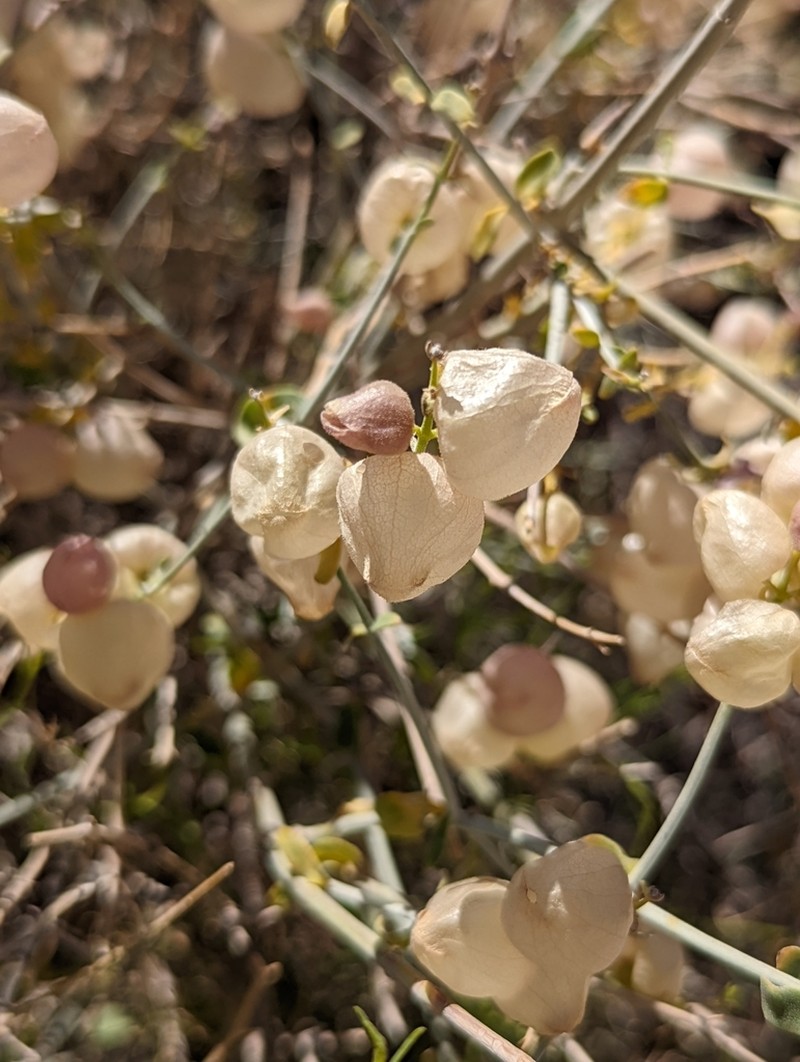
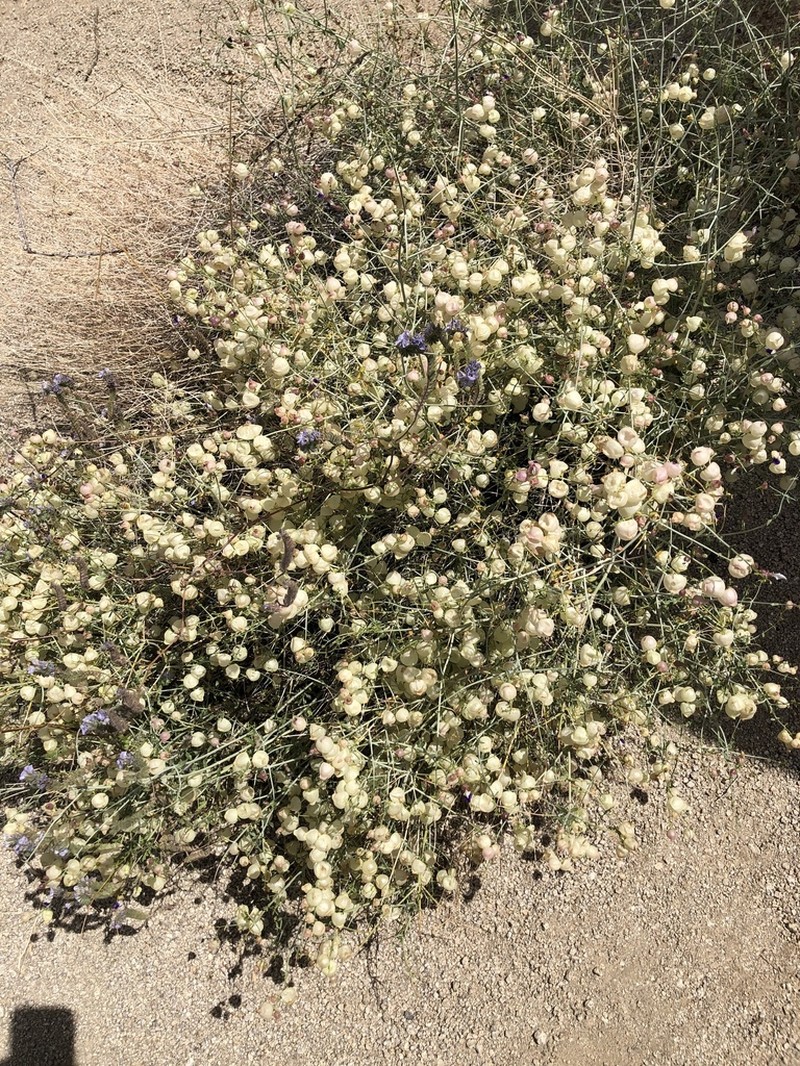
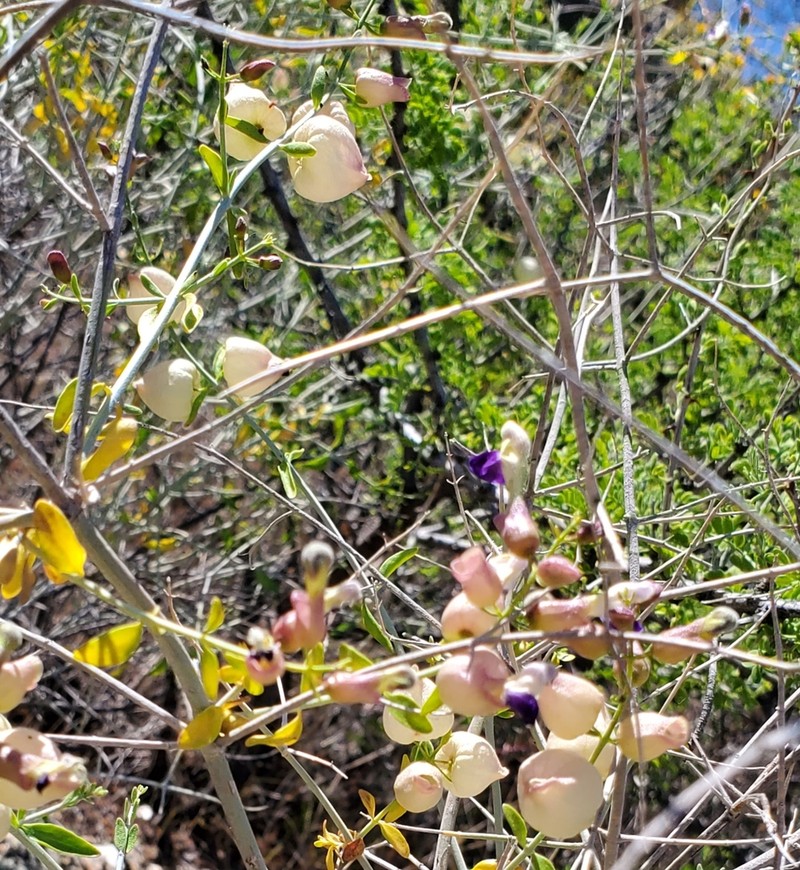
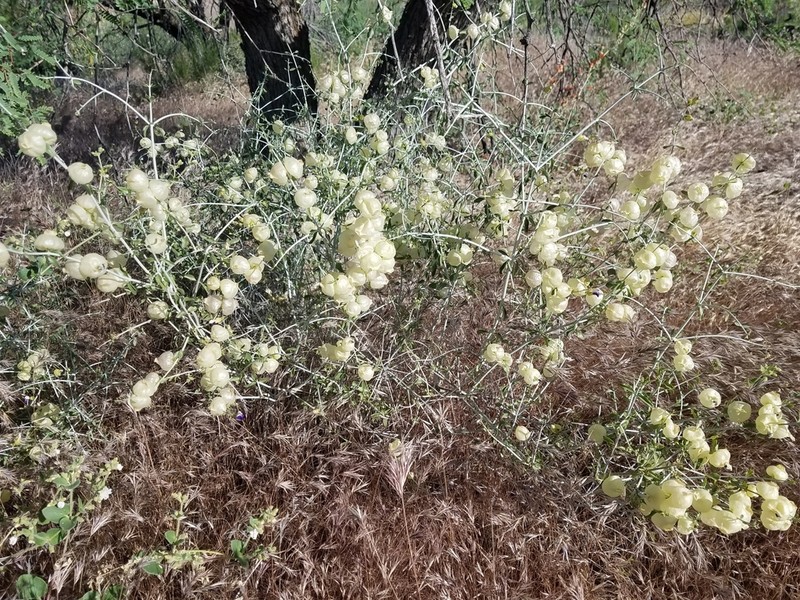
Mexican Bladdersage
Scutellaria mexicana
- Native to:
- Mexico, United States
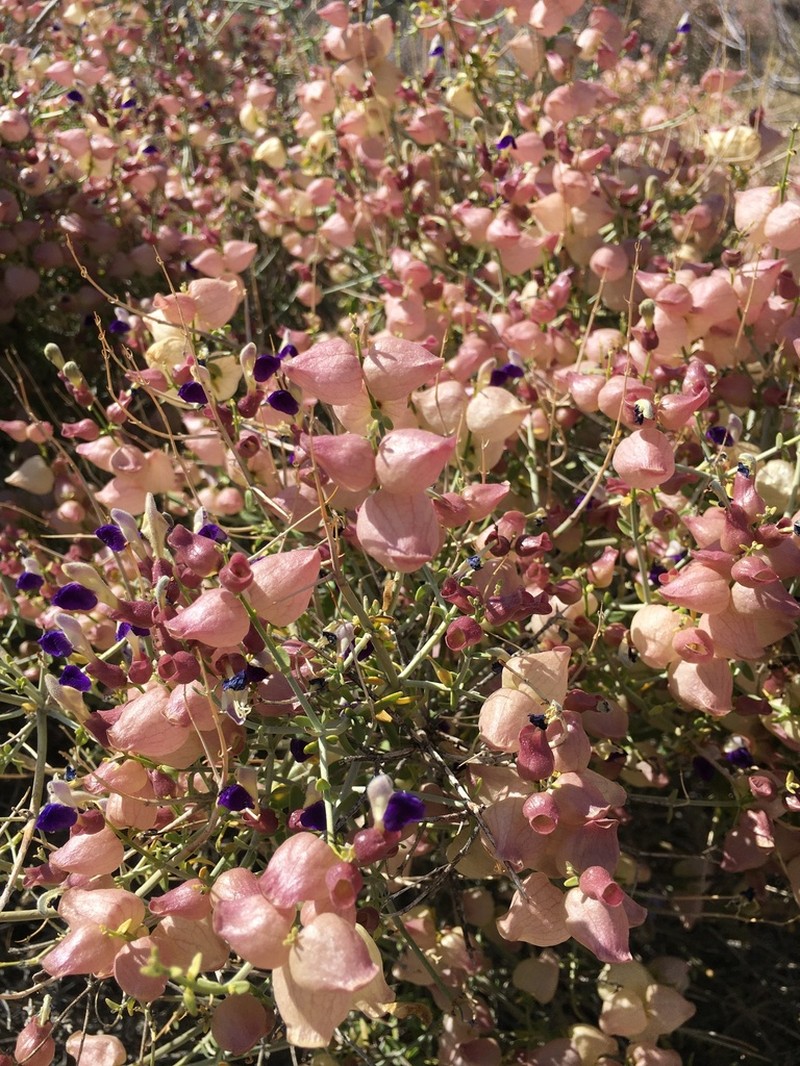
iNaturalist: © srspringer29 (iNaturalist #114848335)
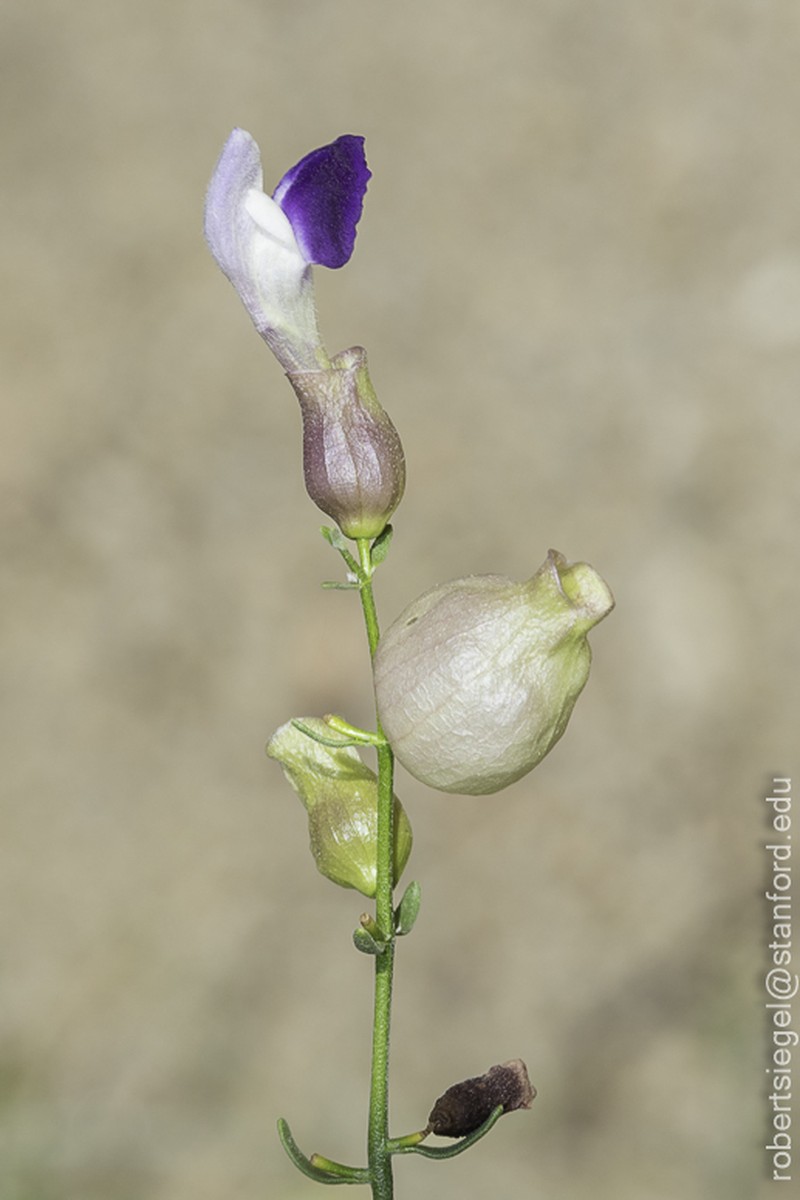
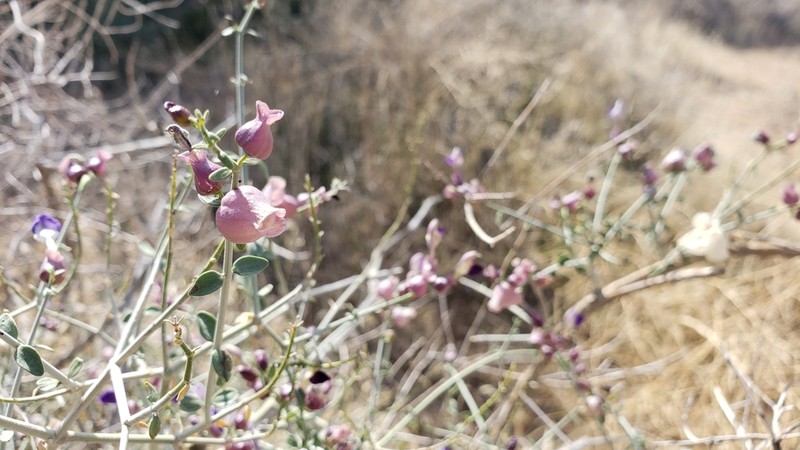
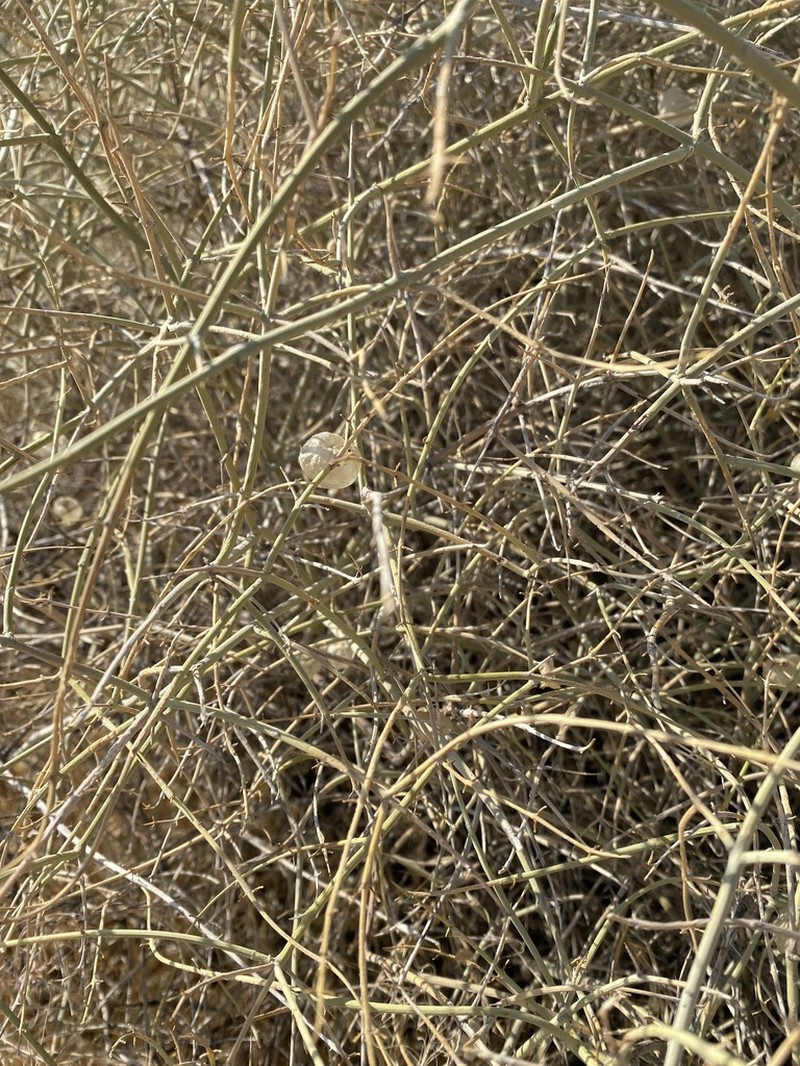
Taxonomy
- Division:
- Magnoliophyta | - Flowering plants
- Family:
- Lamiaceae
- Genus:
- Scutellaria
- Species:
- Scutellaria mexicana
- USDA Symbol:
- SAME
Growth Characteristics
- Life Cycle:
- Perennial
- Growth Habit:
- Shrub
- Height:
- 100 cm
- Light Requirements:
- Full Sun
- Drought Tolerance:
- High
- Bloom Months:
- apr,may,jun,jul,aug
- Bloom Colors:
- blue, purple
Wildlife Benefits
- Bees:
- ★★☆☆☆ Documented bee visitation (GBIF)
- Butterflies & Moths:
- ★☆☆☆☆ Documented Lepidoptera association (GBIF)
Garden & Ecology Notes
- Wildlife Value:
- bees, butterflies
- Deer Resistant:
- Yes
Soil Requirements
- Soil Type:
- sandy, well-drained, nutrient-poor soil
- pH:
- 6.0 - 7.5 (slightly acidic to neutral)
- Drainage:
- excellent drainage required
- Moisture:
- dry to moderate
- Notes:
- native to arid and semi-arid regions
Propagation & Germination
- Stratification:
- Cold/moist stratification required — 30–60 days
- Germination Time:
- 14–30 days
- Notes:
- Seeds benefit from cold stratification for 30-60 days to break dormancy; sow in well-drained soil.
Pre-treatment: Seeds are soaked in water for 3 to 4 hours. They are then placed between sheets of blotter paper in nursery flats and wrapped in plastic bags to prevent desiccation. Alternatively, seeds can be directly sown in open flats using a growing medium of 2 parts sand, 1 part mulch and 2 parts perlite.
Establishment: Seeds are hand collected in summer when capsules have matured and begin to split open. Many capsules may contain unfilled seeds. The plant is found in dry washes and canyons; from northern Mexico to southern California east to western Texas and north to southern Utah.
Source: npn.rngr.net
Where to Buy
Nationwide Seller
- Native Seed Group (seeds)