
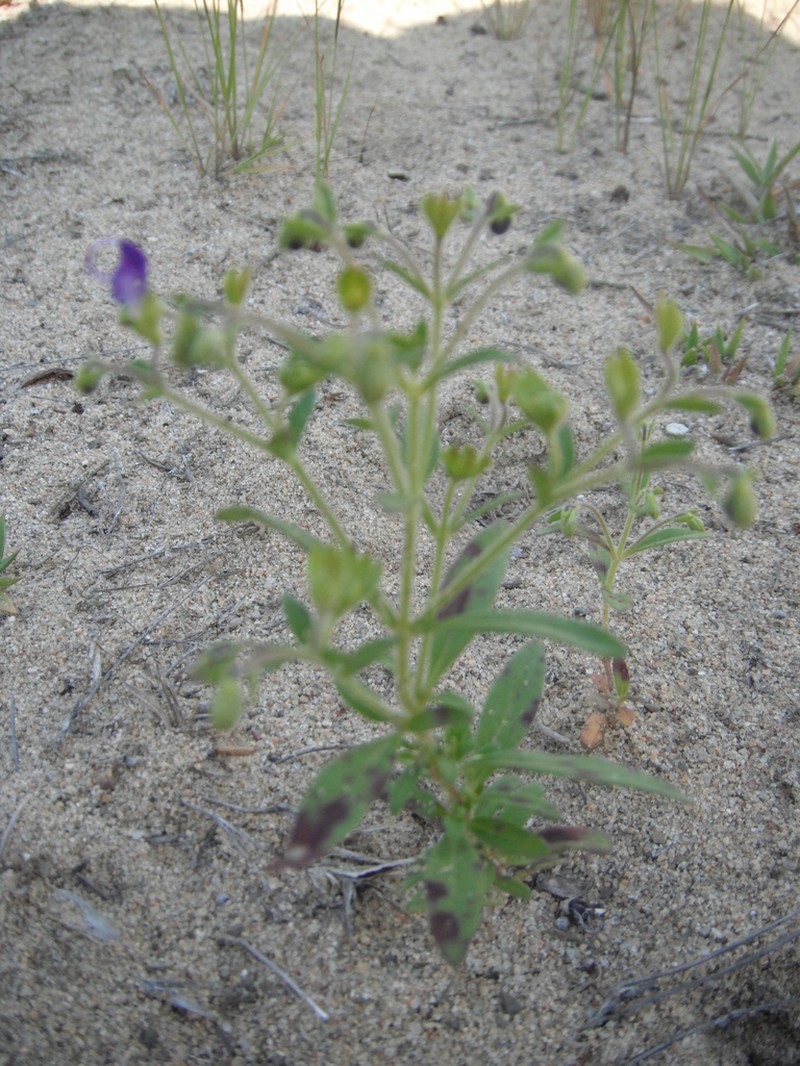
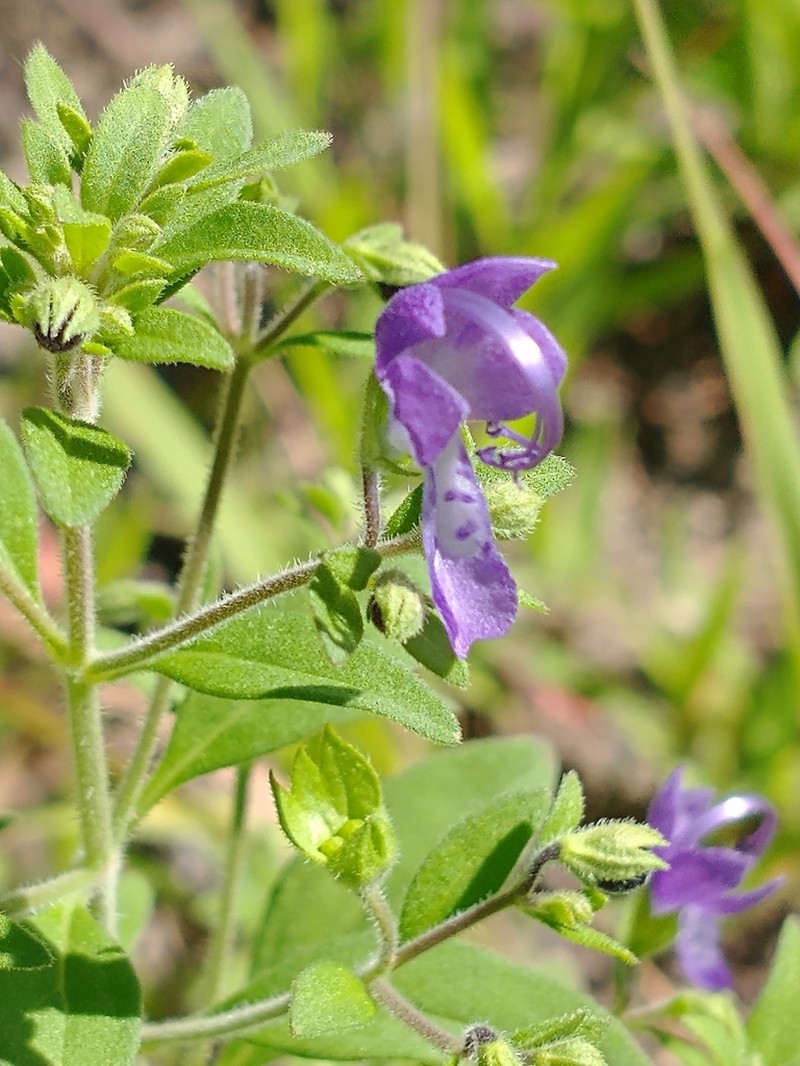
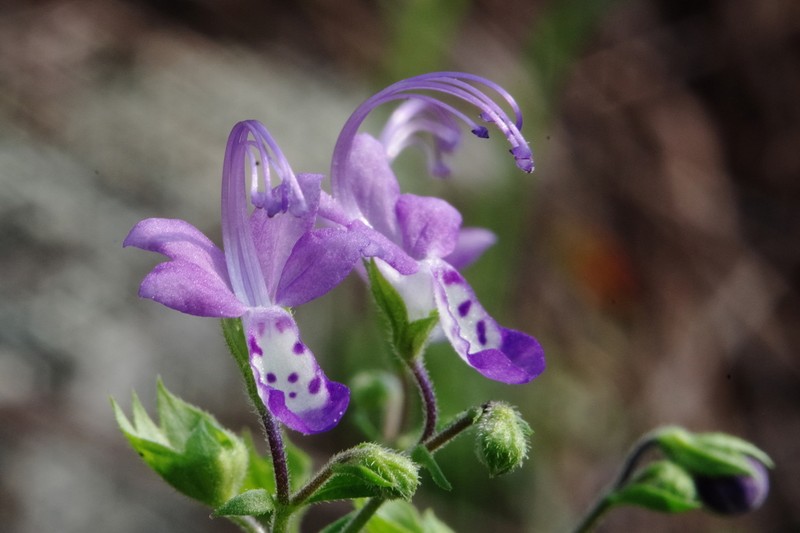
Fluxweed
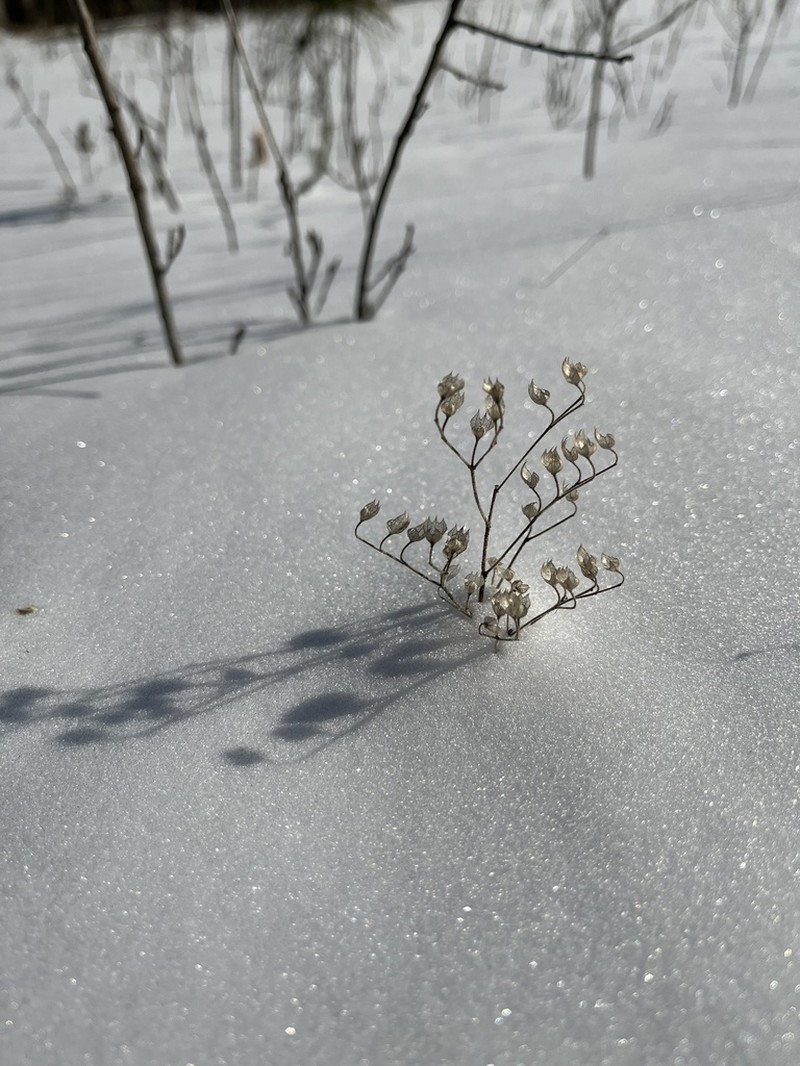
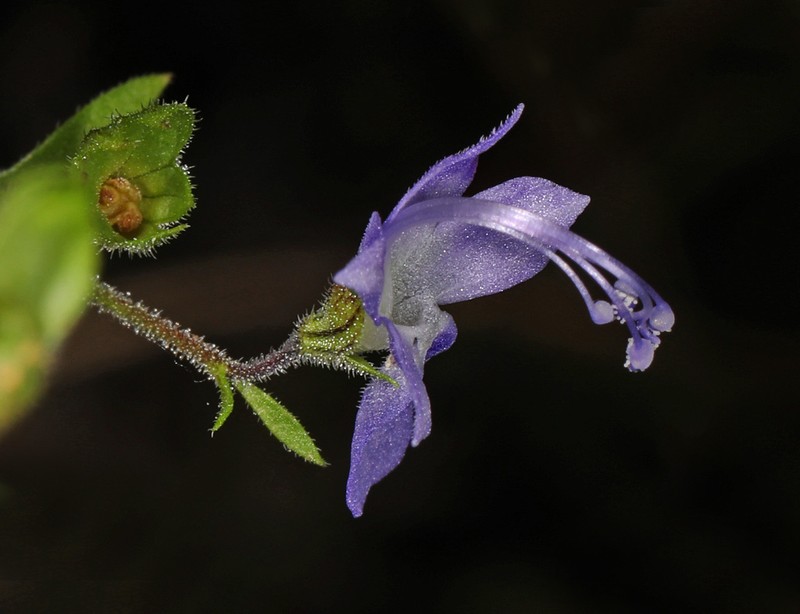
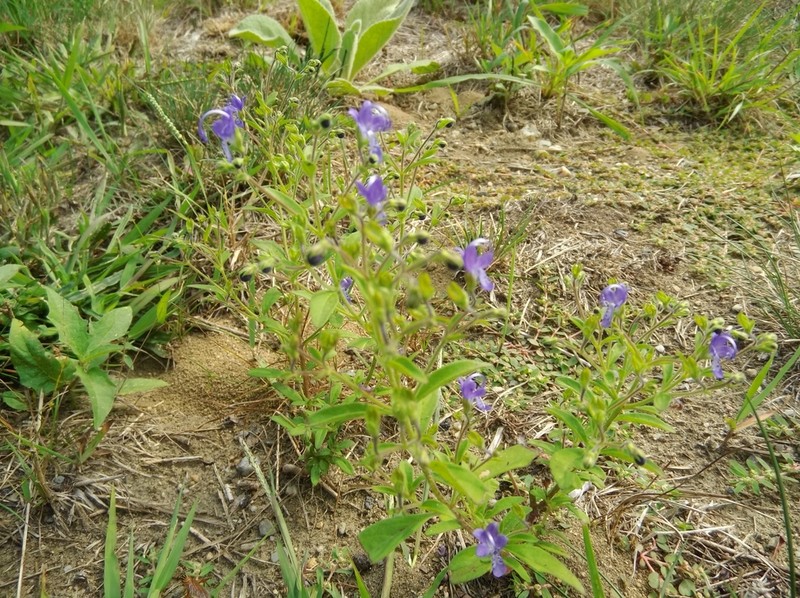
Trichostema dichotomum
- Native to:
- Canada, United States, Virgin Islands
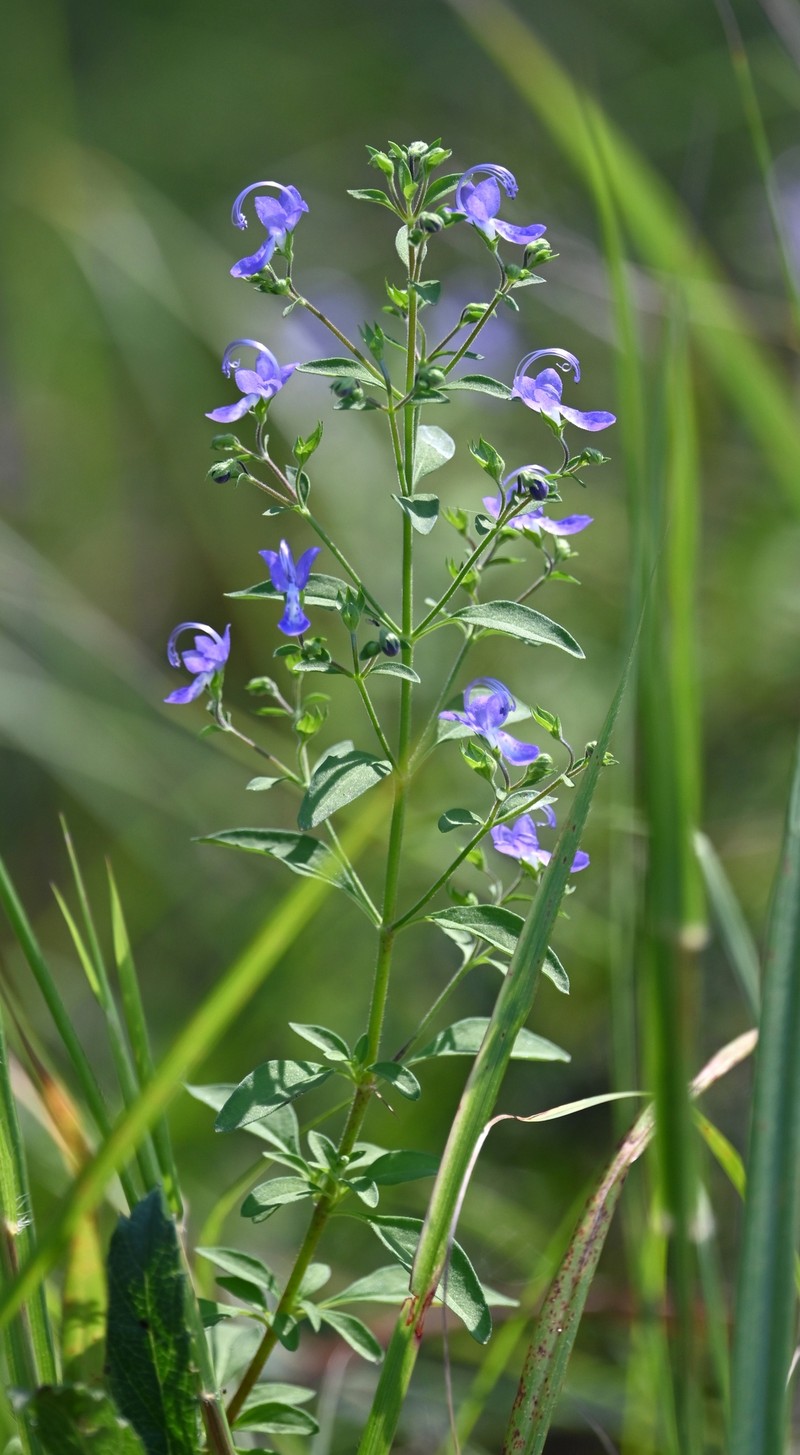
Wikimedia: Amber M. King (www.inaturalist.org)
Taxonomy
- Division:
- Magnoliophyta | - Flowering plants
- Family:
- Lamiaceae
- Genus:
- Trichostema
- Species:
- Trichostema dichotomum
- USDA Symbol:
- TRBR5
Growth Characteristics
- Life Cycle:
- Annual
- Growth Habit:
- Forb/herb
- Height:
- 90 cm
- Light Requirements:
- Full Sun
- Drought Tolerance:
- High
- Bloom Months:
- jul,aug,sep,oct
- Bloom Colors:
- blue, purple, pink
Wildlife Benefits
- Bees:
- ★☆☆☆☆ Documented bee visitation (GBIF)
- Butterflies & Moths:
- ★★☆☆☆ Documented Lepidoptera association (GBIF)
- Caterpillars:
- ★☆☆☆☆ Recorded caterpillar host plant (HOSTS Database)
Host Plant for Caterpillars
Rustic Sphinx (Manduca rustica), Stagmatophora sexnotella
Garden & Ecology Notes
- Wildlife Value:
- bees, butterflies
- Deer Resistant:
- Yes
- Fragrant:
- Yes
- Fire Ecology:
- Fire adapted — tolerates or benefits from fire
- Fire Notes:
- Resprouts from root crown following fire; common in fire-maintained sandy habitats.
Propagation & Germination
- Stratification:
- Cold/moist stratification required — 30–60 days
- Germination Time:
- 14–30 days
- Notes:
- Surface sow; seeds may benefit from light for germination.
Pre-treatment: Seeds are placed into cold stratification.
Source: npn.rngr.net
Where to Buy
Nationwide Seller
- Prairie Moon Nursery (nursery and seeds)