
Northern Spicebush
Lindera benzoin
- Native to:
- Canada, United States, Virgin Islands
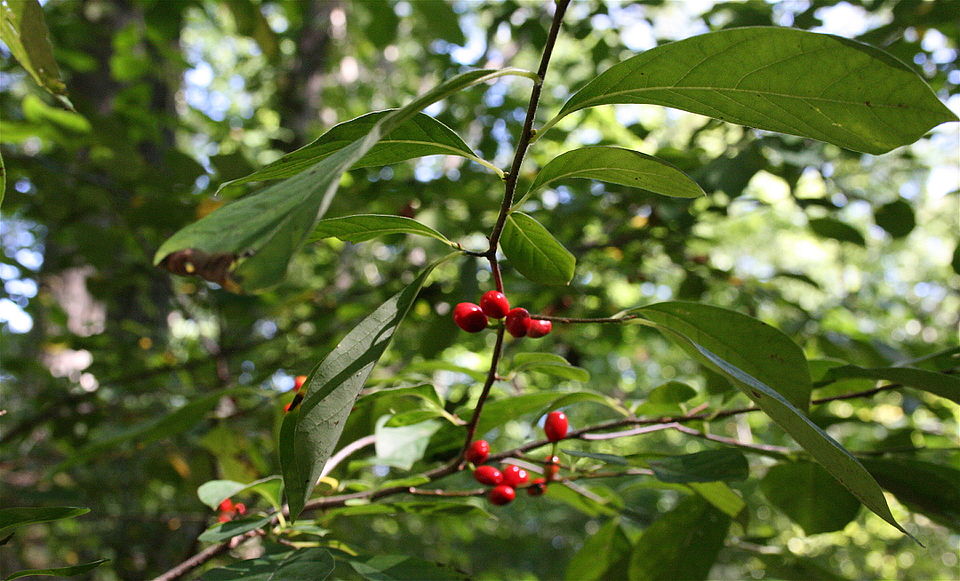
Cody Hough (en.wikipedia.org)
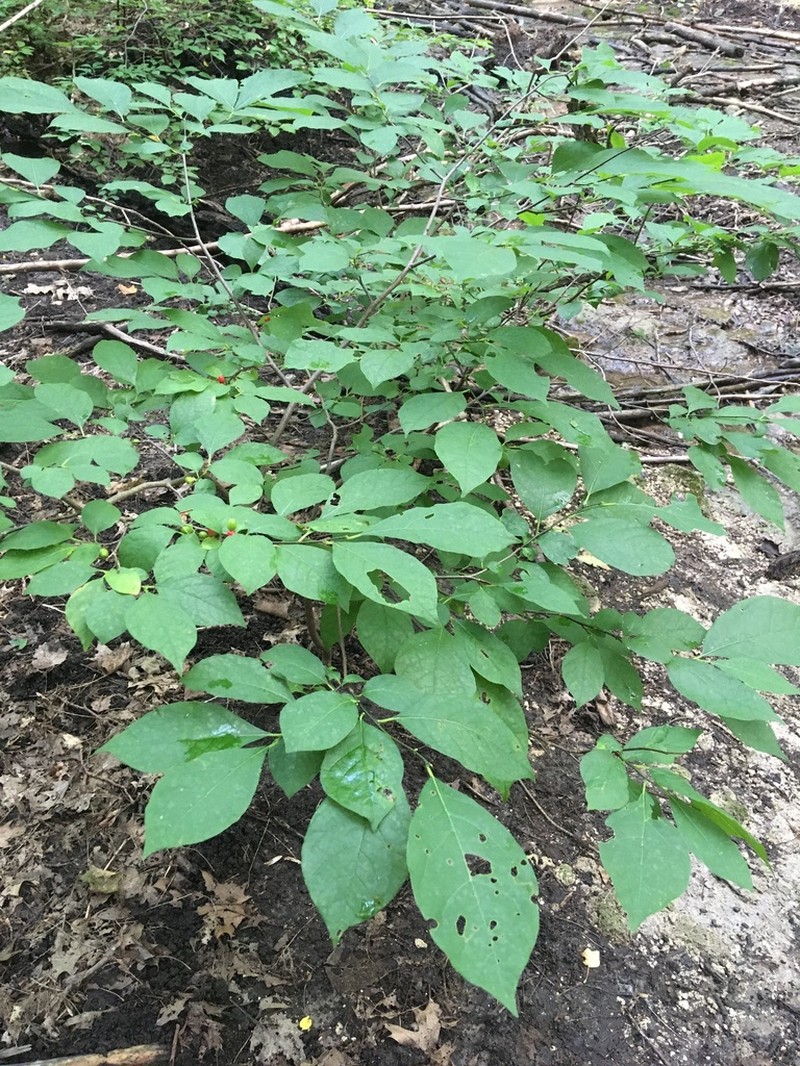
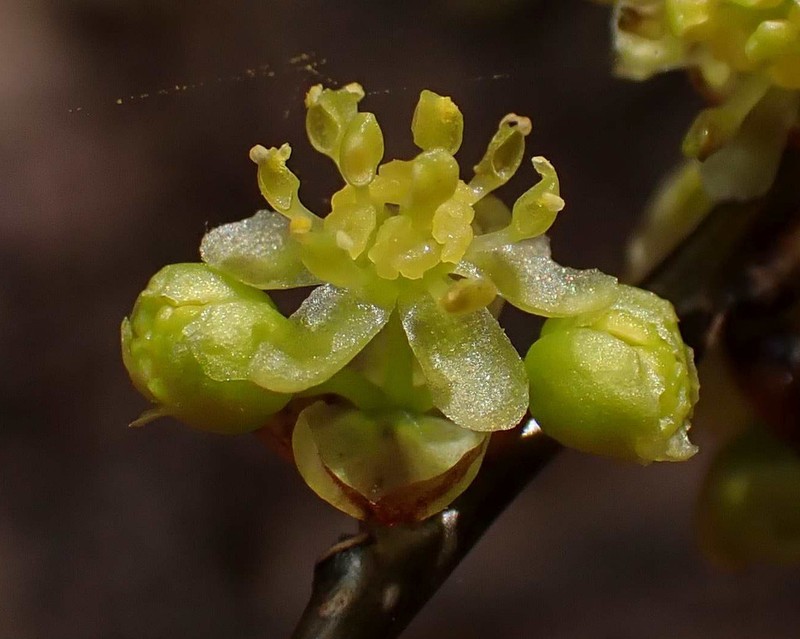
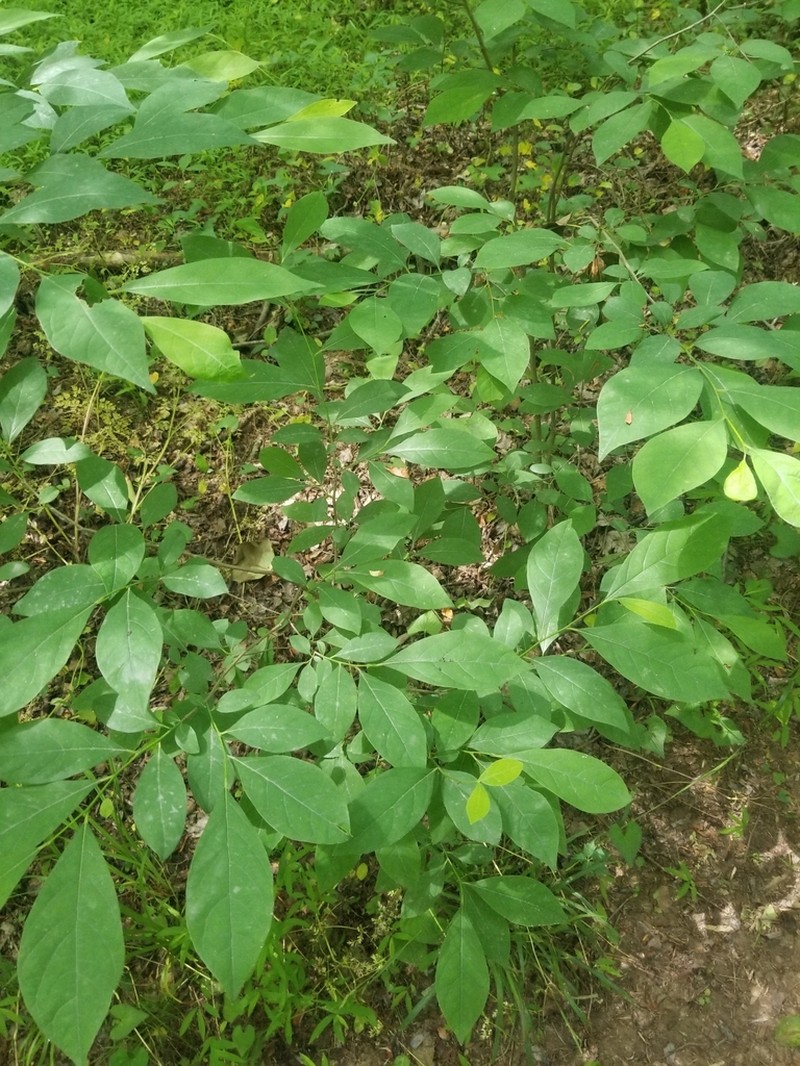
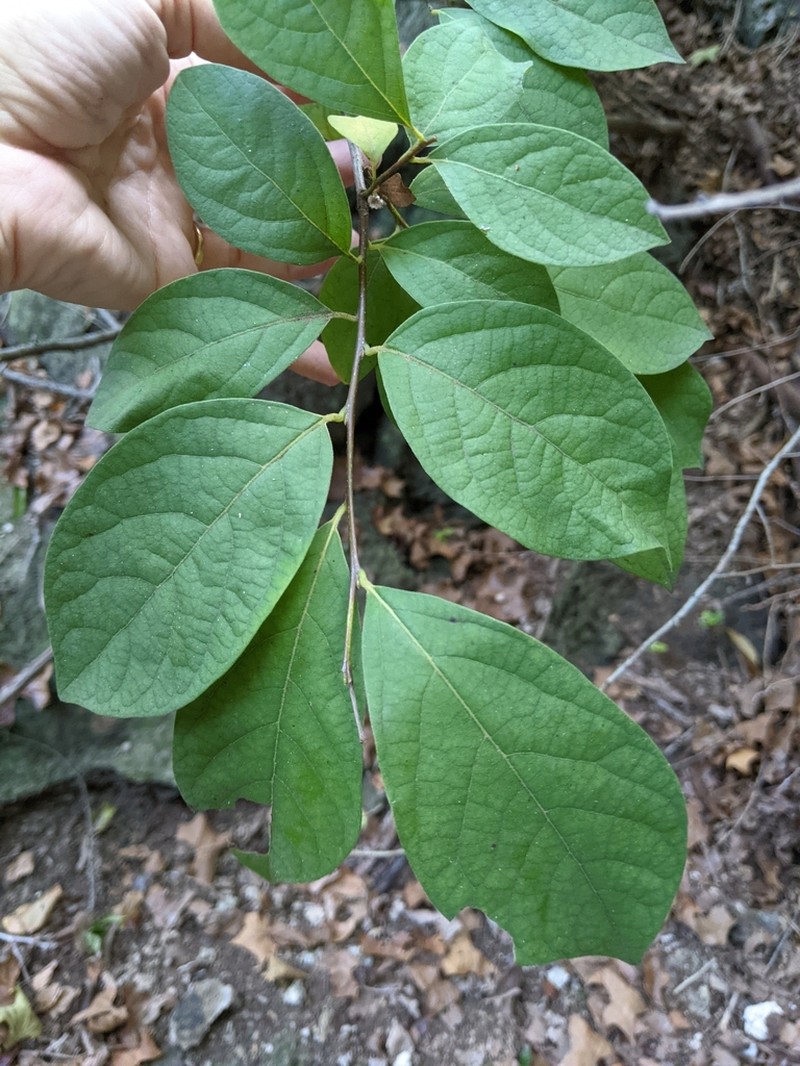
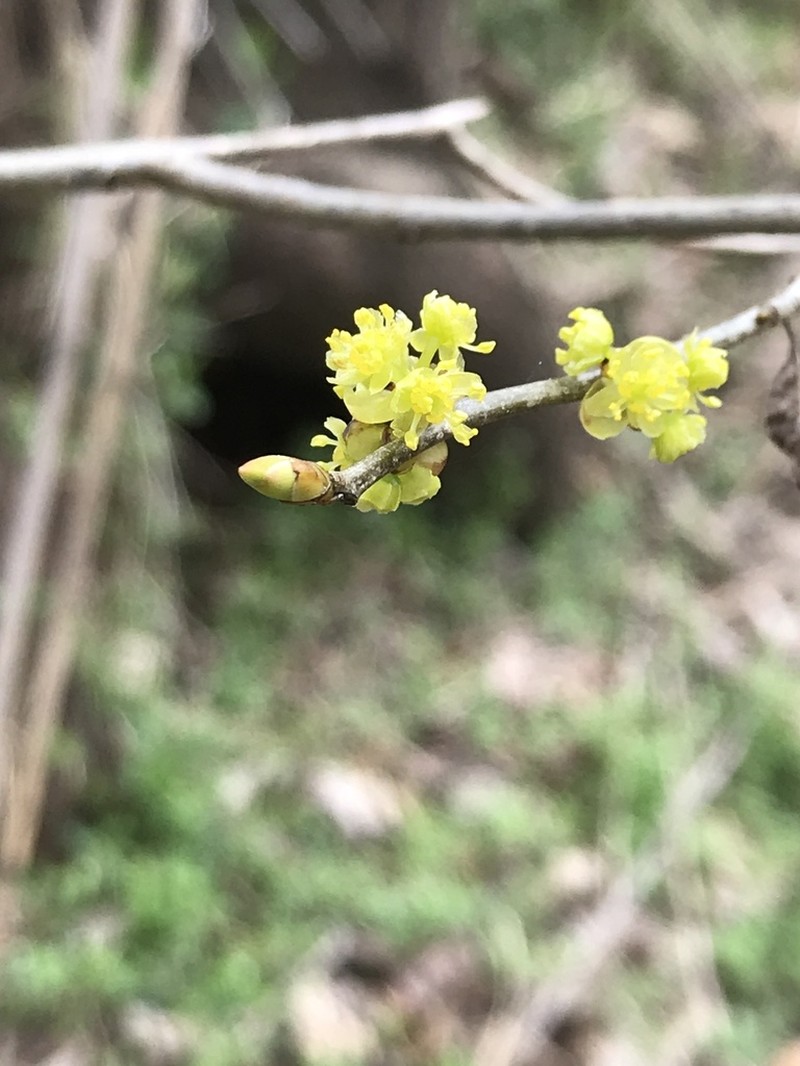
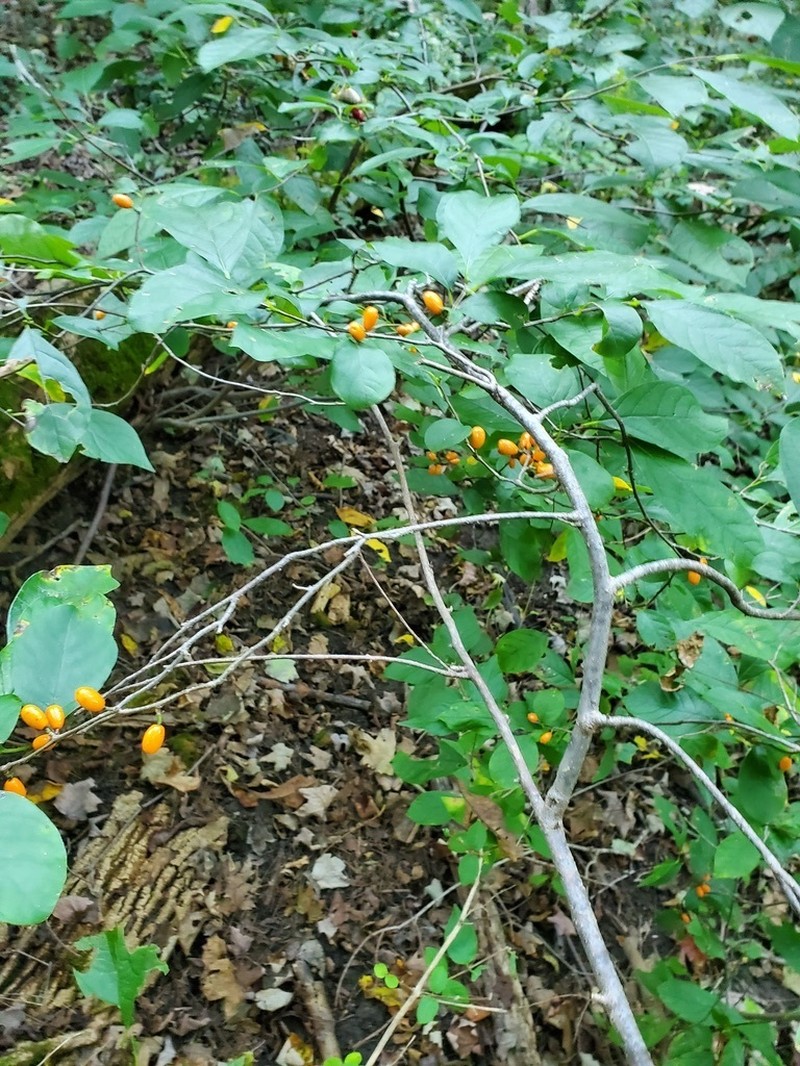
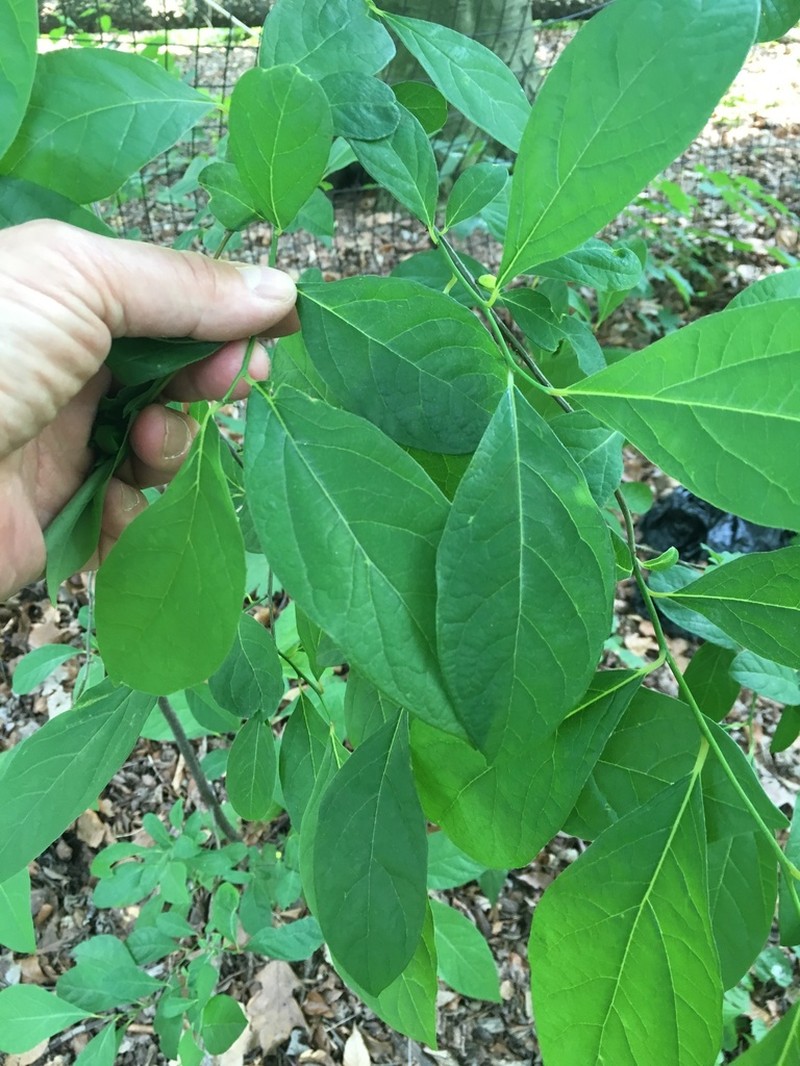
Taxonomy
- Division:
- Magnoliophyta | - Flowering plants
- Family:
- Lauraceae
- Genus:
- Lindera
- Species:
- Lindera benzoin
- USDA Symbol:
- LIBE3
Growth Characteristics
- Life Cycle:
- Perennial
- Growth Habit:
- Shrub , Tree
- Height:
- 300 cm
- Light Requirements:
- Full Sun,Part Shade,Shade
- Drought Tolerance:
- Low
- Bloom Months:
- mar,apr
- Bloom Colors:
- yellow
- Landscaping Shrub:
- Yes
Wildlife Benefits
- Bees:
- ★☆☆☆☆ Documented bee visitation (GBIF)
- Butterflies & Moths:
- ★★★☆☆ Documented Lepidoptera association (GBIF)
- Caterpillars:
- ★★☆☆☆ Recorded caterpillar host plant (HOSTS Database)
Keystone Species Ranking
- Caterpillar Keystone:
- ★★☆☆☆ Butterfly & moth species supported by this genus (NWF)
Host Plant for Caterpillars
Reported Fauna Sightings
Garden & Ecology Notes
- Wildlife Value:
- birds, butterflies
- Fragrant:
- Yes
- Fall Color:
- yellow
Soil Requirements
- Soil Type:
- rich, well-drained loamy soil
- pH:
- 5.0 - 7.0 (slightly acidic to neutral)
- Drainage:
- tolerates poor drainage
- Moisture:
- consistently moist
- Notes:
- thrives in floodplain forests and wetlands
Propagation & Germination
- Stratification:
- Cold/moist stratification required — 90–120 days
- Germination Time:
- 30–60 days
- Notes:
- Seeds require cold stratification for 90-120 days; germination occurs in spring after temperatures warm.
Pre-treatment: Seeds require a warm-cold stratification regime to germinate. Sowing in the fall permits seed to undergo warm stratification prior to winter. Alternatively, 120 days of stratification at 41°F can be used.
Establishment: Seeds are collected from various locations including Yosemite National Park, Cumberland Gap National Historical Park, and Shenandoah National Park. The plant is found in rich, moist woods and is a common deciduous understory shrub found in the eastern U.S., which grows best on moist peaty or sandy sites with pH of 4.5-6.0.
Source: npn.rngr.net
ORGHPS Germination Guide: Sow immediately, Either the viability of these seeds is short or the species propagates best with fresh seed. Stored seed might be coaxed into germination with temperature cycling and patience. Expose to fluctuation outdoor winter temperatures including freezing for 3 months. Gradually increase light and temperature in the spring. * hydrophilic
Where to Buy
Nationwide Seller
- Sheffield's Seed (seeds)
- Vermont Wildflower Farm (nursery and seeds)
- Native Plants Nursery (nursery)