
Avocado
Persea americana
Also known as: Guatemalan Avocado
- Native to:
- Belize, Costa Rica, Guam, Guatemala, Honduras, Mexico, Nicaragua, Palau
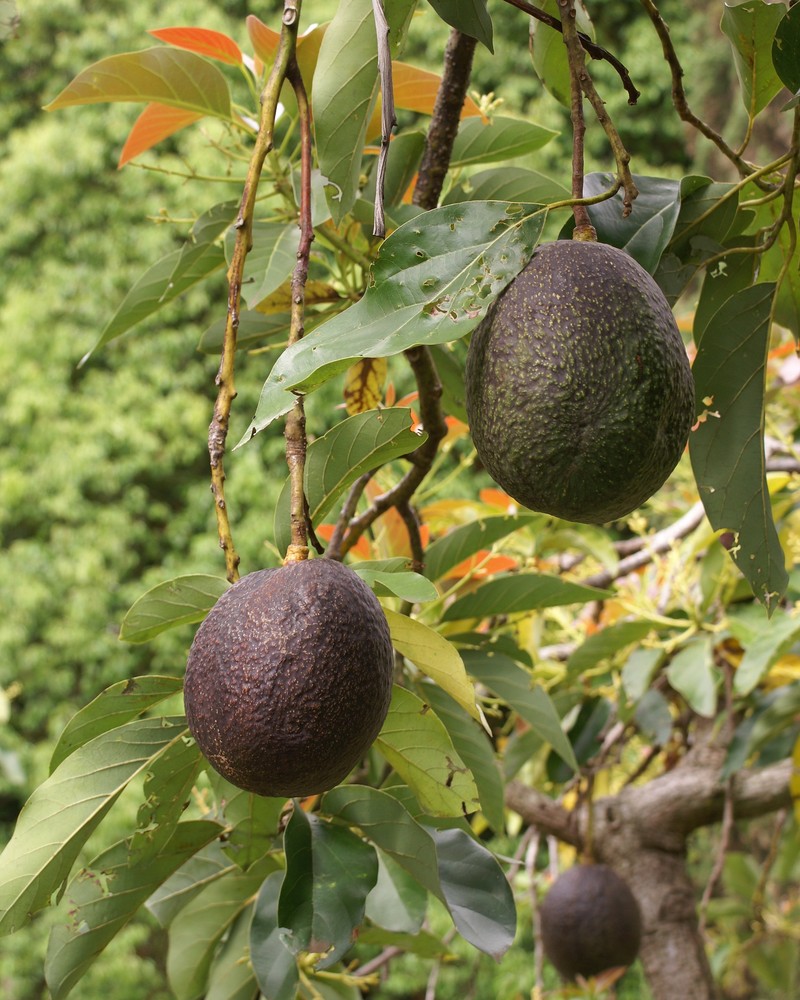
B.navez

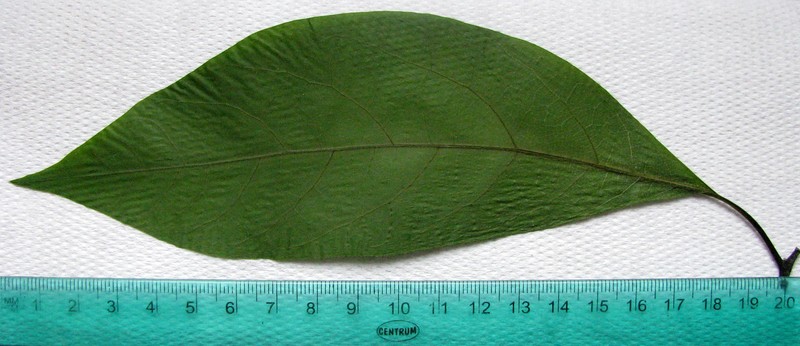
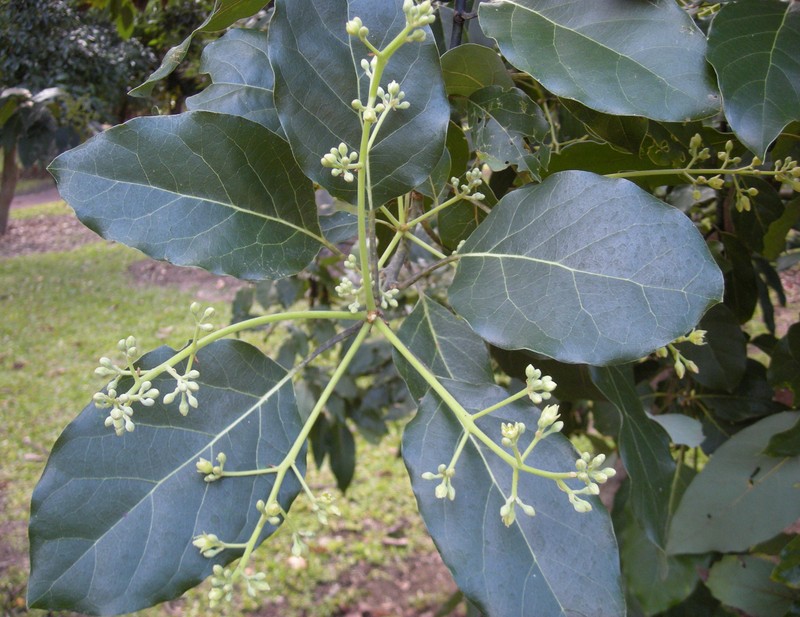
Taxonomy
- Division:
- Magnoliophyta | - Flowering plants
- Family:
- Lauraceae
- Genus:
- Persea
- Species:
- Persea americana
- USDA Symbol:
- PEAM3
Growth Characteristics
- Life Cycle:
- Perennial
- Growth Habit:
- Tree
- Height:
- 2000 cm
- Light Requirements:
- Full Sun
- Drought Tolerance:
- Medium
- Bloom Months:
- jan,feb,mar,apr,may,jun
- Bloom Colors:
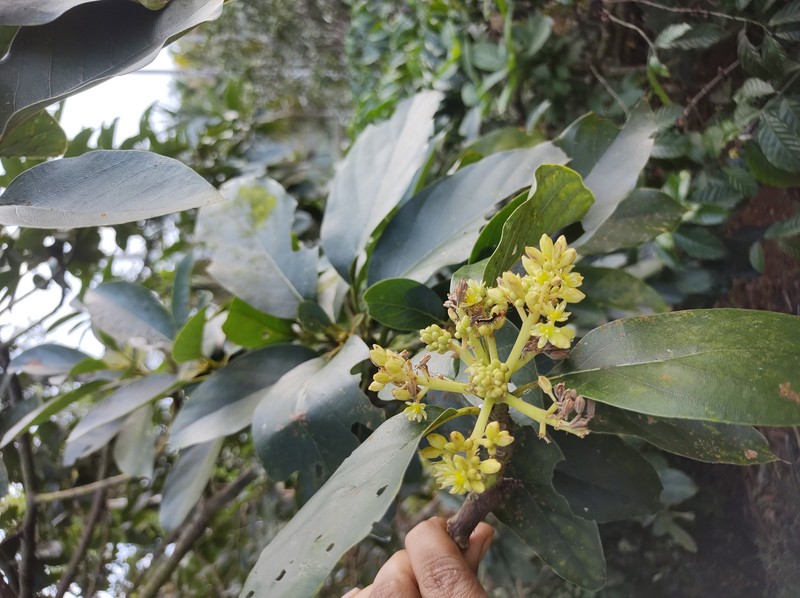
- greenish-yellow
- Food Forest:
- Contains edible parts
Wildlife Benefits
- Bees:
- ★☆☆☆☆ Documented bee visitation (GBIF)
- Butterflies & Moths:
- ★★★★★ Documented Lepidoptera association (GBIF)
- Caterpillars:
- ★★★☆☆ Recorded caterpillar host plant (HOSTS Database)
Host Plant for Caterpillars
Abbot's Bagworm Moth (Oiketicus abbotii), Amatana Leafroller Moth (Argyrotaenia amatana), avocado spanworm moth (Epimecis detexta), Caloptilia burserella, Caloptilia perseae, Caloptilia violacella, corn earworm (Helicoverpa zea), fir tussock moth (Orgyia detrita), Giant leopard moth (Hypercompe scribonia), Glover's Bagworm Moth (Cryptothelea gloverii), Io moth (Automeris io), Jocara perseella, Mexican leafroller (Amorbia emigratella), Omnivorous Leafroller (Platynota stultana), Omnivorous Leafroller (Platynota rostrana), Omnivorous Looper (Sabulodes aegrotata), orange tortrix moth (Argyrotaenia citrana), Red-humped caterpillar moth (Schizura concinna), Sabulodes caberata, Southern armyworm (Spodoptera eridania), Soybean Looper (Pseudoplusia includens), Stored Grain Moth (Aglossa caprealis), Synanthedon resplendens, Variegated cutworm (Peridroma saucia), Western amorbia moth (Amorbia cuneanum), Palamedes Swallowtail (Papilio palamedes), Western Tiger Swallowtail (Papilio rutulus)
Garden & Ecology Notes
- Wildlife Value:
- birds, small mammals
Soil Requirements
- Soil Type:
- rich, well-drained loamy soil
- pH:
- 5.5 - 7.0 (slightly acidic to neutral)
- Drainage:
- excellent drainage required
- Moisture:
- consistently moist
- Notes:
- Prefers fertile soils with good organic content
Propagation & Germination
- Stratification:
- None required
- Germination Time:
- 14–60 days
- Notes:
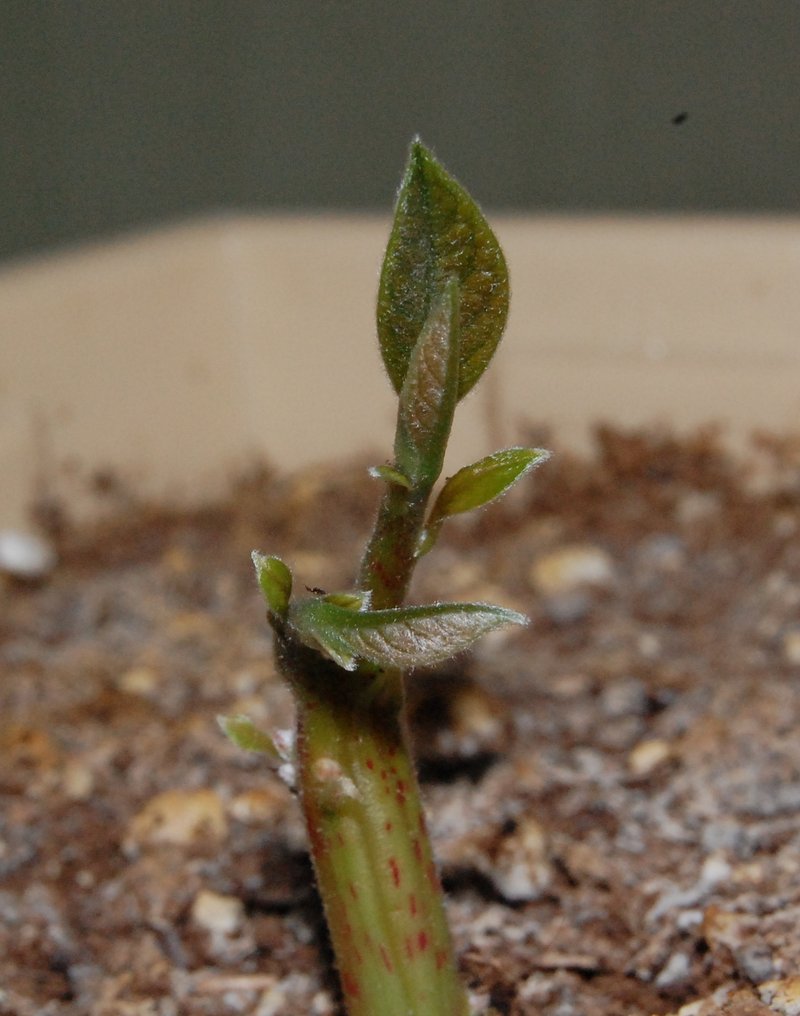
- Seeds germinate readily without pretreatment; remove seed coat and plant with pointed end up.