
Sassafras
Sassafras albidum
- Native to:
- Canada, United States, Virgin Islands
Dave Whitinger (allthingsplants.com)
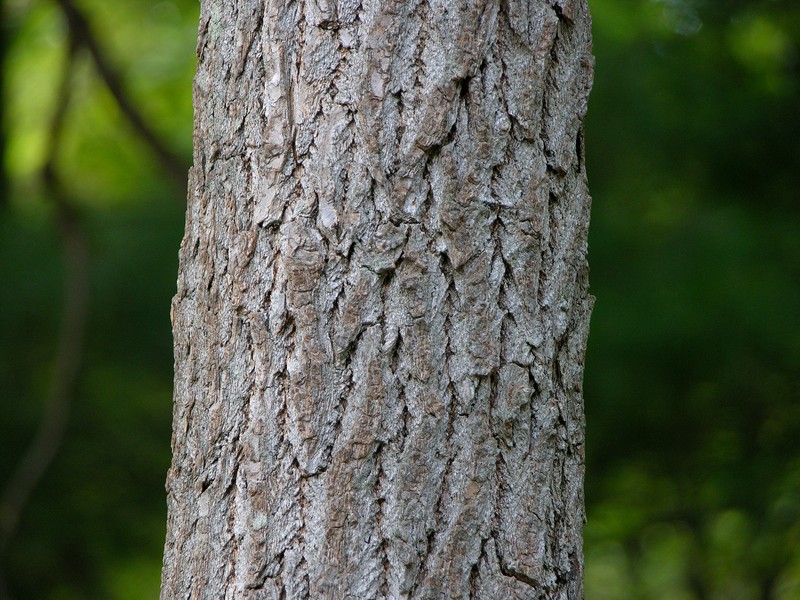
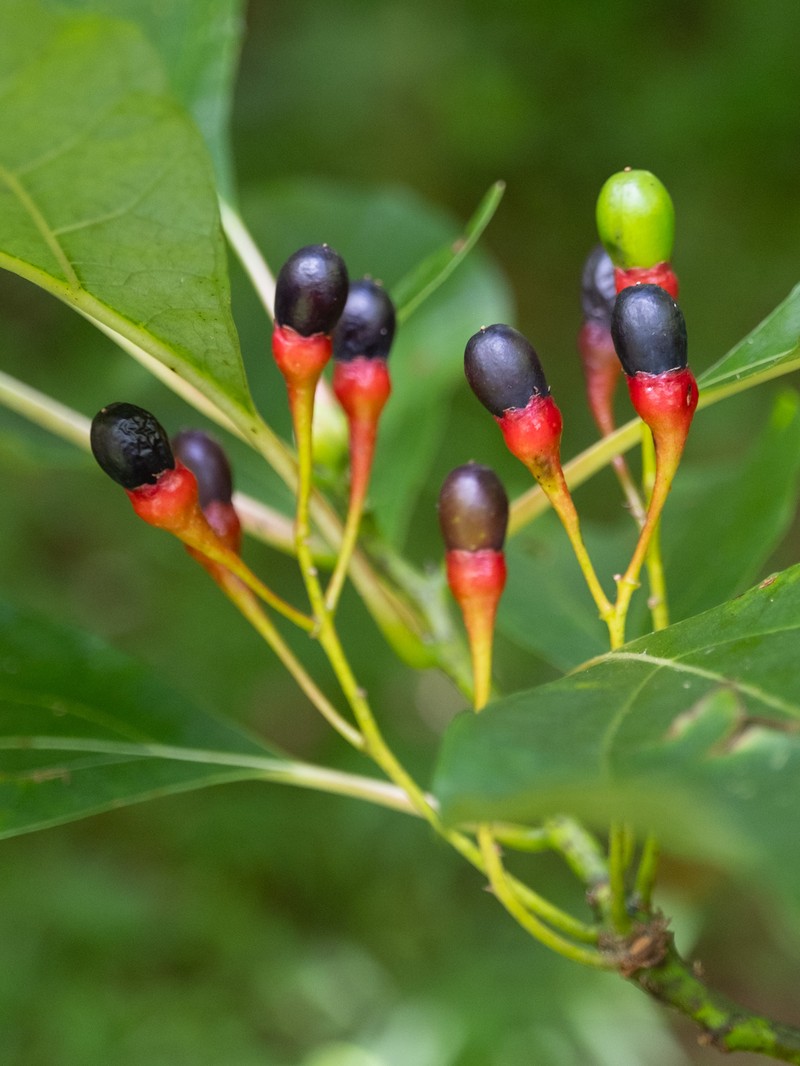
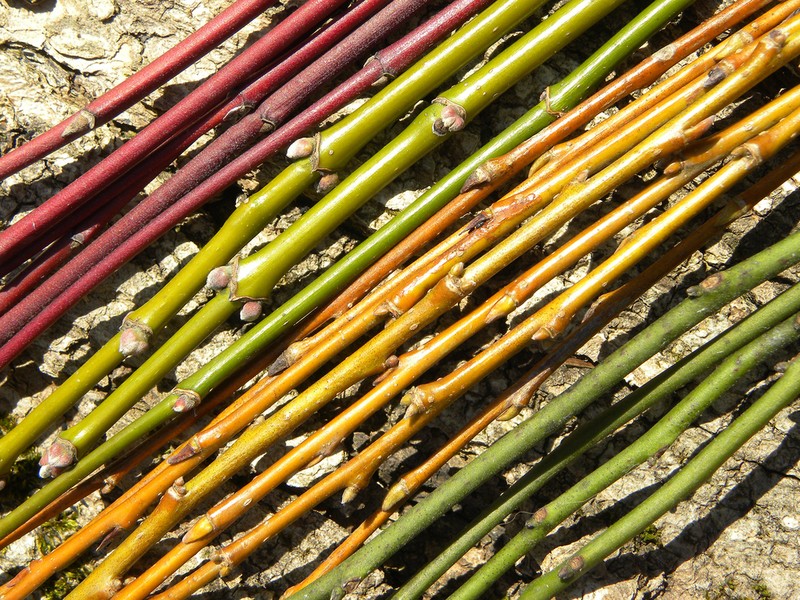
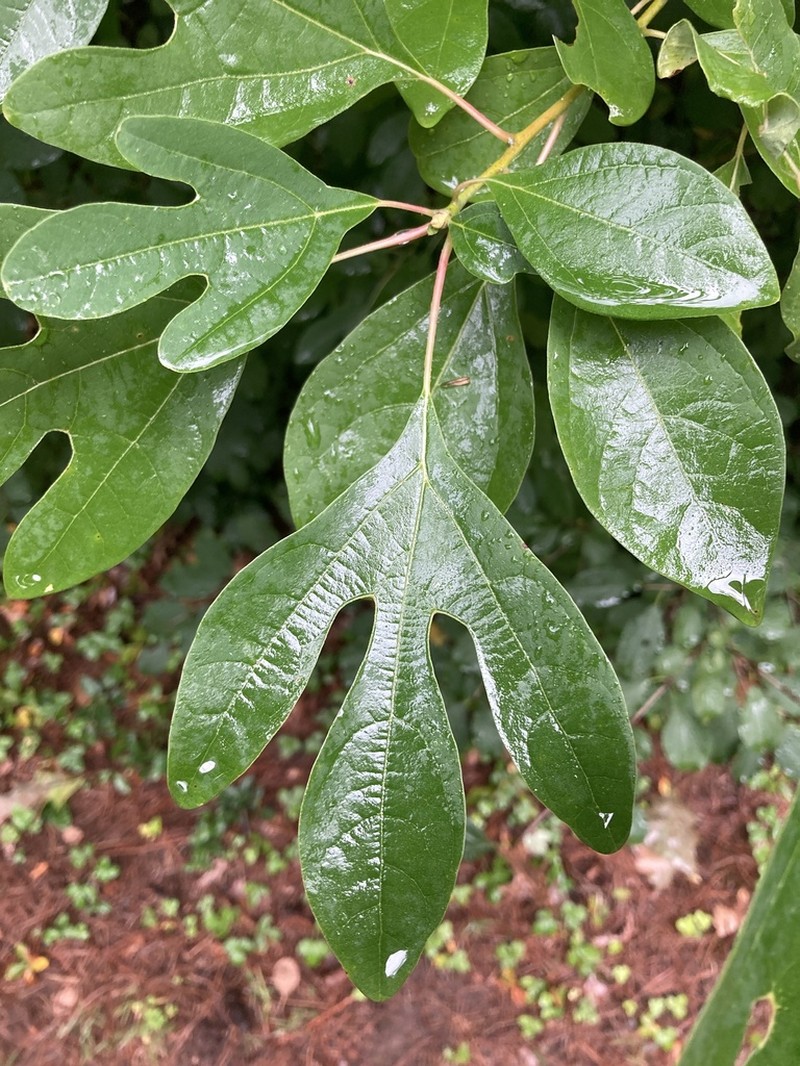
Taxonomy
- Division:
- Magnoliophyta | - Flowering plants
- Family:
- Lauraceae
- Genus:
- Sassafras
- Species:
- Sassafras albidum
- USDA Symbol:
- SAAL5
Growth Characteristics
- Life Cycle:
- Perennial
- Growth Habit:
- Shrub , Tree
- Height:
- 2000 cm
- Light Requirements:
- Full Sun,Part Shade,Shade
- Drought Tolerance:
- Medium
- Bloom Months:
- mar,apr,may
- Bloom Colors:
- yellow
- Food Forest:
- Contains edible parts
Wildlife Benefits
- Butterflies & Moths:
- ★★★★★ Documented Lepidoptera association (GBIF)
- Caterpillars:
- ★★★☆☆ Recorded caterpillar host plant (HOSTS Database)
Host Plant for Caterpillars
Ailanthus silkmoth (Samia cynthia), Apamea alia, Bagworm moth (Thyridopteryx ephemeraeformis), Cecropia moth (Hyalophora cecropia), corn earworm (Helicoverpa zea), crispate flannel moth (Megalopyge crispata), Curve-toothed geometer (Eutrapela clemataria), Drexel's datana moth (Datana drexelii), Fall webworm (Hyphantria cunea), Gypsy moth (Lymantria dispar), hopeful dagger moth (Acronicta sperata), Imperial Moth (Eacles imperialis), Io moth (Automeris io), Morrisonia latex, Phaecasiophora niveiguttana, Polyphemus moth (Antheraea polyphemus), Promethea silkmoth (Callosamia promethea), Regal Moth (Citheronia regalis), sassafras caloptilia moth (Caloptilia sassafrasella), signate melanolophia moth (Melanolophia signataria), southern metarranthis moth (Metarranthis hypochraria), Spotted Apatelodes (Apatelodes torrefacta), Tulip-tree beauty (Epimecis hortaria), Tulip-tree Silkmoth (Callosamia angulifera), Walker’s Atlas Moth (Samia walkeri), White-marked Tussock Moth (Orgyia leucostigma), woodland leafroller (Pandemis lamprosana), Eastern Tiger Swallowtail (Papilio glaucus), Palamedes Swallowtail (Papilio palamedes), Spicebush Swallowtail (Papilio troilus)
Reported Fauna Sightings
Butterflies:Spicebush Swallowtail (Papilio troilus)
Garden & Ecology Notes
- Wildlife Value:
- birds, butterflies, small mammals
- Fragrant:
- Yes
- Fall Color:
- yellow, orange, red, purple
- Fire Ecology:
- Fire adapted — tolerates or benefits from fire
- Fire Notes:
- Sassafras resprouts vigorously from root suckers after fire; fire can help maintain its presence in fire-prone ecosystems.
Soil Requirements
- Soil Type:
- rich, well-drained loamy soil
- pH:
- 4.5 - 6.5 (acidic to slightly acidic)
- Drainage:
- excellent drainage required
- Moisture:
- dry to moderate
- Notes:
- prefers forested areas with organic matter
Propagation & Germination
- Stratification:
- Cold/moist stratification required — 90–120 days
- Germination Time:
- 30–90 days
- Notes:
- Seeds require cold stratification for 3-4 months; germination is often erratic and may take up to 2 years.
Pre-treatment: Seeds are cold stratified for 120 days and germinate at 30/20 C. Pre-scarified and inoculated seeds are dusted with fungicide and hand-sown into rows. Endomycorrhizae are sprinkled over the seed before covering with soil. The beds are then mulched with aged sawdust, which is scraped back in the spring before seedling emergence.
Establishment: Fruit is collected in the GRSM in August and September, in Cumberland Gap in September. S. albidum is found from Maine to Florida in dry or rich woods, roadsides and old fields.
Source: npn.rngr.net
Where to Buy
Nationwide Seller
- Sheffield's Seed (seeds)
- Native Plants Nursery (nursery)