
Sagebrush Mariposa Lily
Calochortus macrocarpus
- Native to:
- Canada, United States
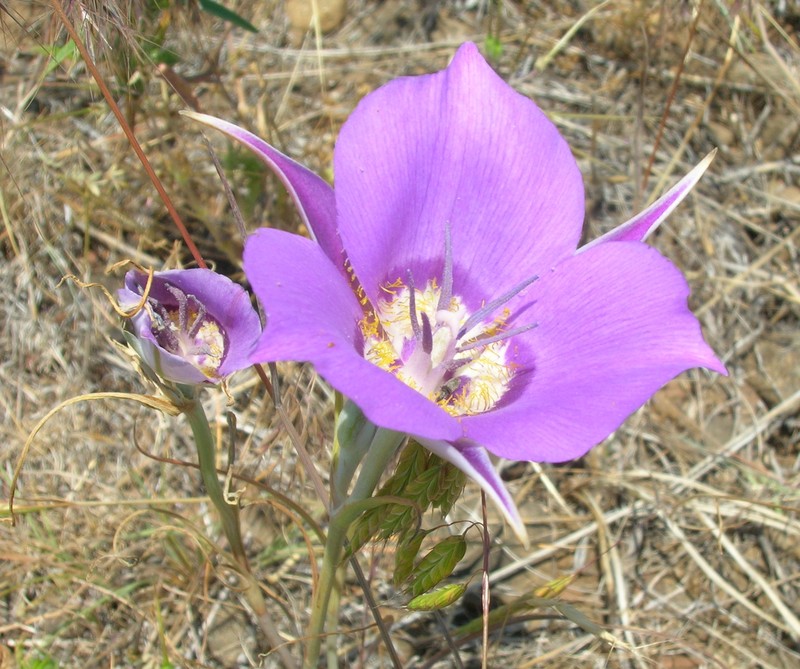
J Brew (www.flickr.com)
Taxonomy
- Division:
- Magnoliophyta | - Flowering plants
- Family:
- Liliaceae
- Genus:
- Calochortus
- Species:
- Calochortus macrocarpus
- USDA Symbol:
- CAMA5
Growth Characteristics
- Life Cycle:
- Perennial
- Growth Habit:
- Geophyte
- Height:
- 60 cm
- Light Requirements:
- Part Shade
- Drought Tolerance:
- High
- Bloom Months:
- jun,jul,aug
- Bloom Colors:
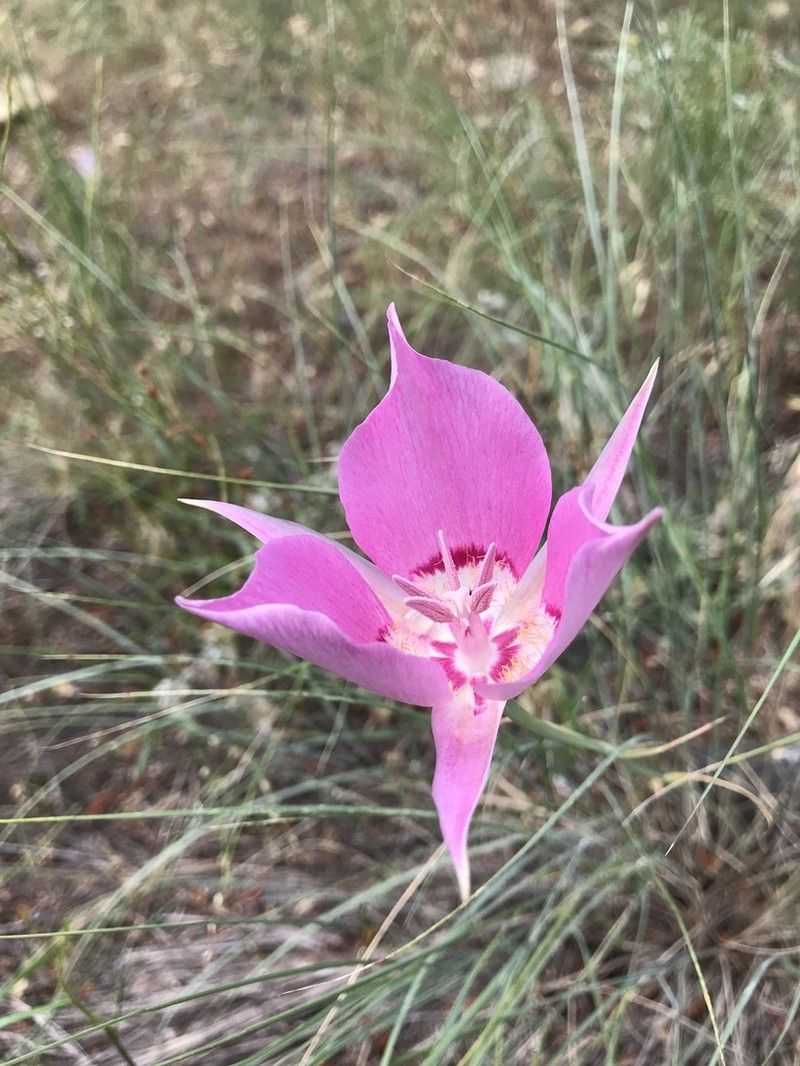
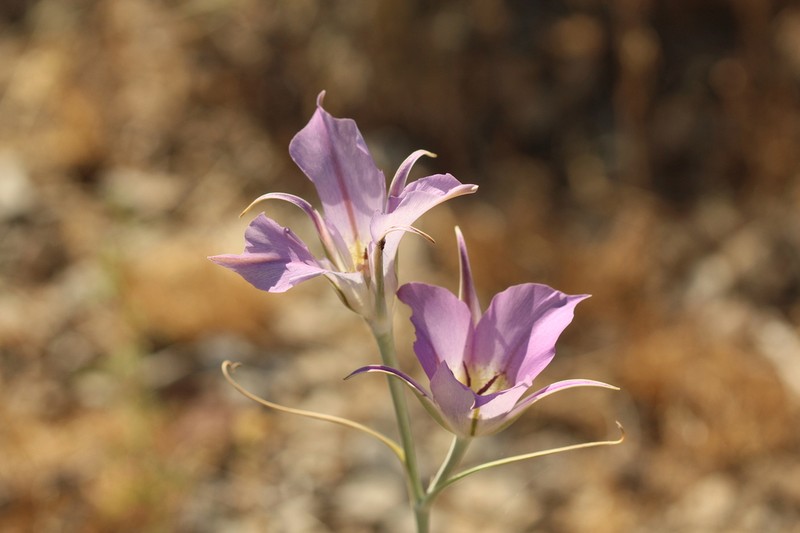
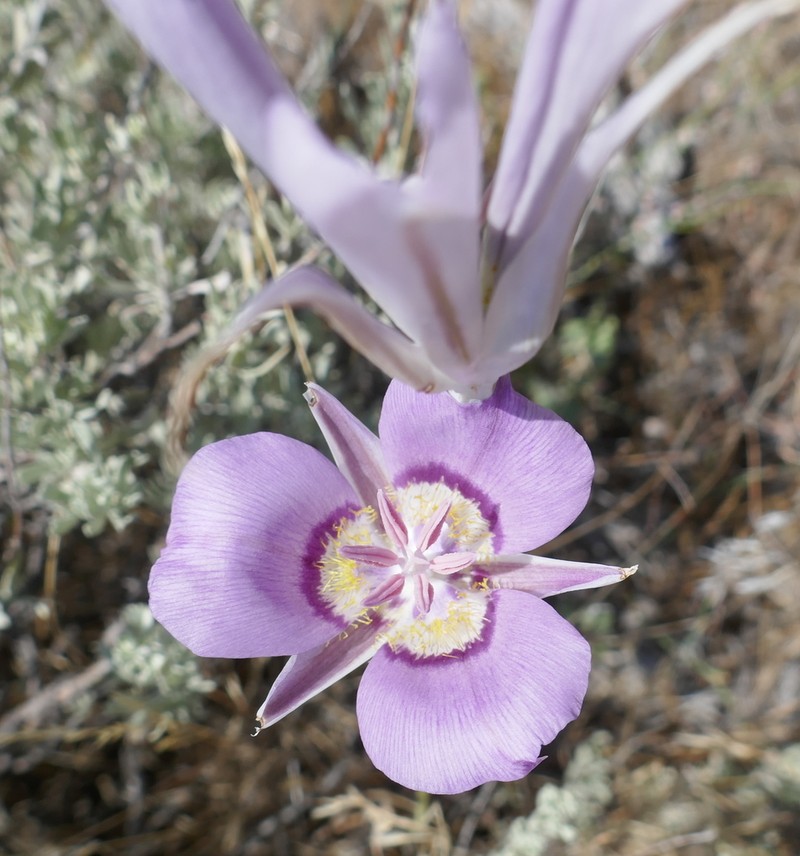
- pink, purple, white
Wildlife Benefits
- Bees:
- ★☆☆☆☆ Documented bee visitation (GBIF)
- Butterflies & Moths:
- ★☆☆☆☆ Documented Lepidoptera association (GBIF)
Reported Fauna Sightings
Bees: Central bumble bee (Bombus centralis), Two-form bumble bee (Bombus bifarius), Yellow bumble bee (Bombus fervidus)
Garden & Ecology Notes
- Wildlife Value:
- bees, butterflies
- Deer Resistant:
- Yes
Soil Requirements
- Soil Type:
- well-drained, sandy or rocky soil
- pH:
- 6.0 - 8.0 (neutral to slightly alkaline)
- Drainage:
- excellent drainage required
- Moisture:
- dry to moderate
- Notes:
- native to dry, open grasslands and hillsides
Propagation & Germination
- Stratification:
- Cold/moist stratification required — 60–90 days
- Germination Time:
- 14–30 days
- Notes:
- Seeds require cold stratification for 2-3 months; sow in fall or stratify artificially.
Pre-treatment: None required
Establishment: The Allium geyeri can be found throughout North America; from prairies to mid elevations in the mountains. The propagation protocol does not provide specific details on germination rate, temperature, or time range.
Source: npn.rngr.net
ORGHPS Germination Guide: Sow at 4°C for 3 months, then place @ 20°C for 3 months. * will rot if medium is too moist; grow undisturbed x 2 years
Where to Buy
Nationwide Seller
- Butterfield Seeds (seeds)