
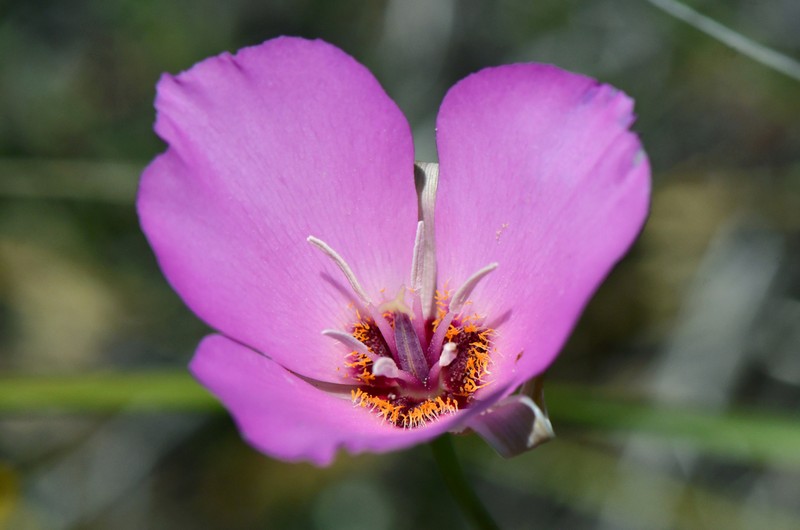
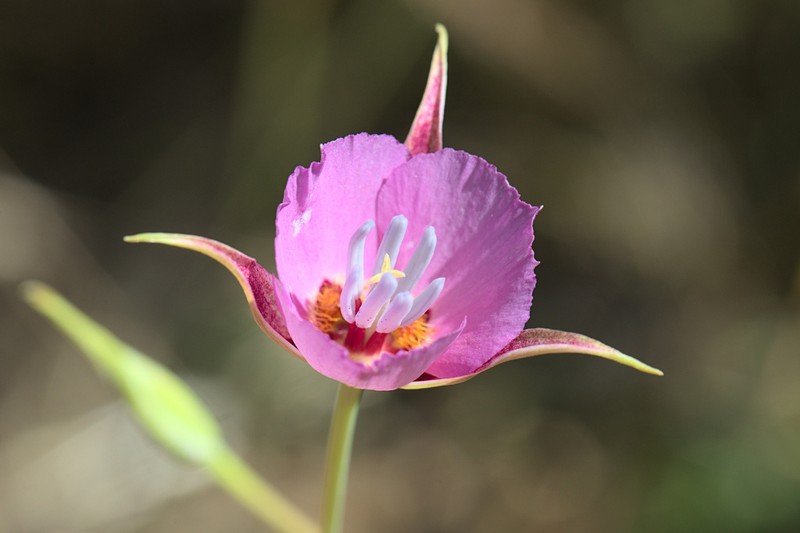
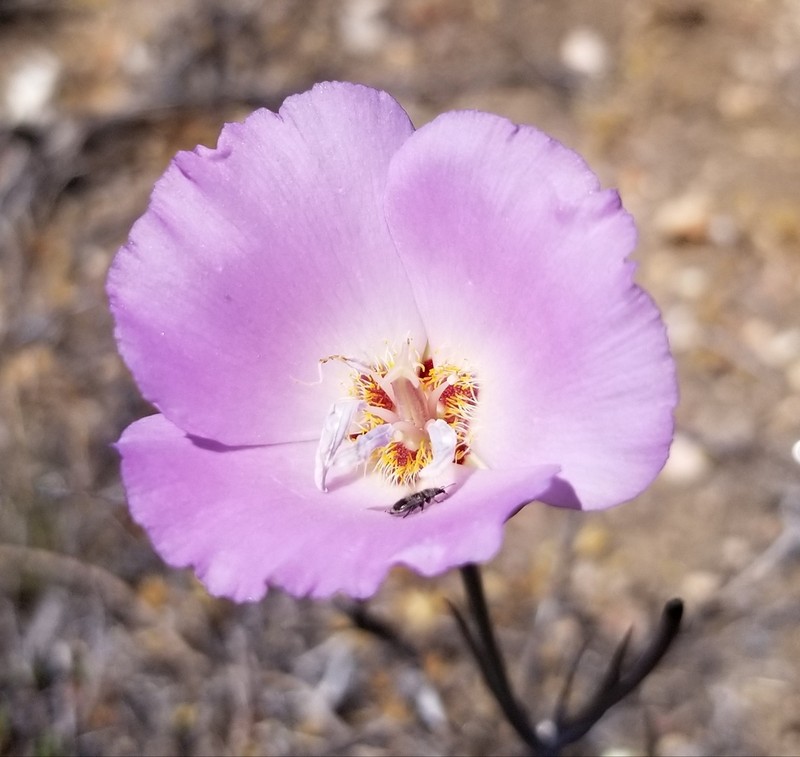
Palmer's Mariposa Lily
Calochortus palmeri
- Native to:
- United States
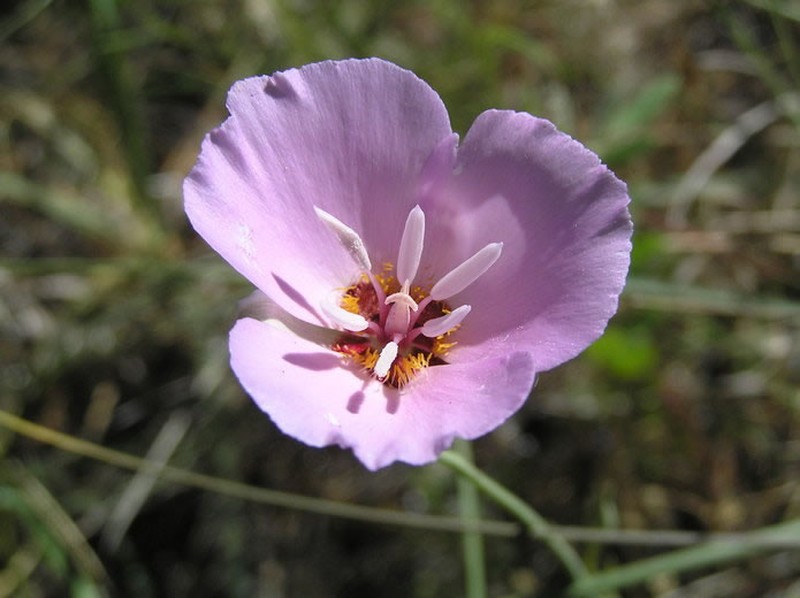
Jordan Zylstra, USFS employee per [1] (www.fs.usda.gov)
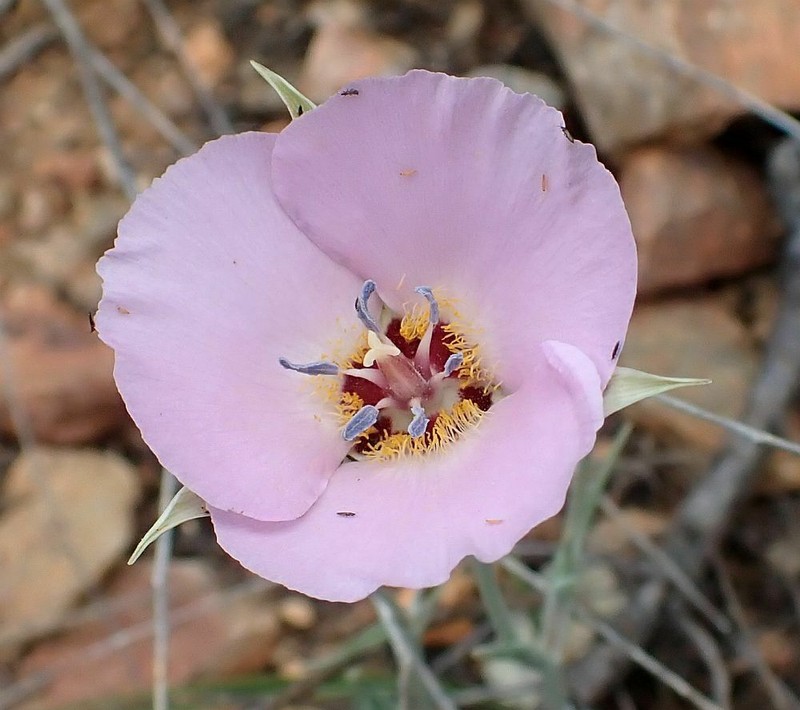
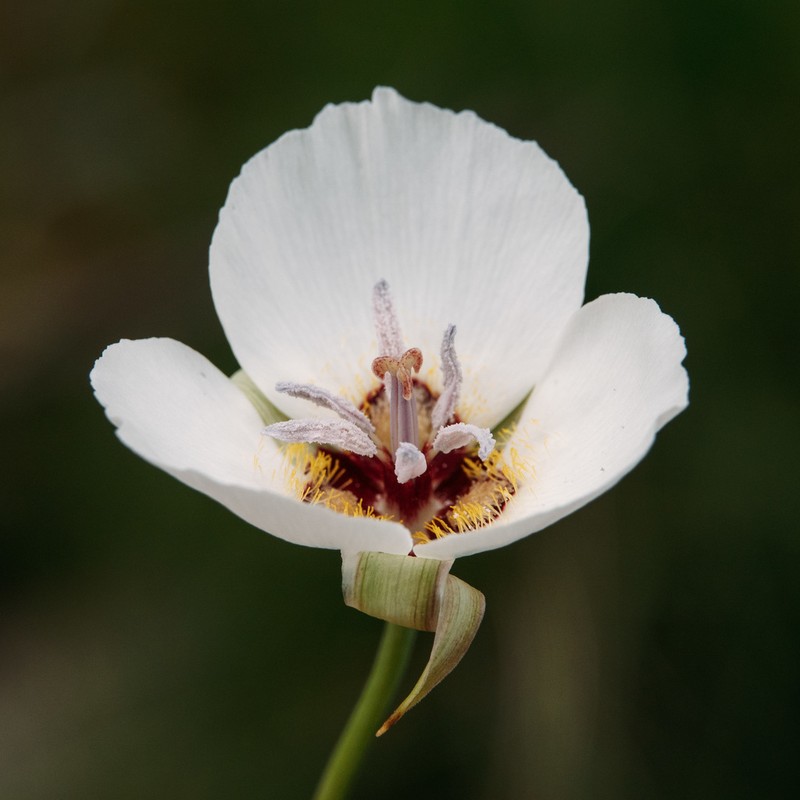
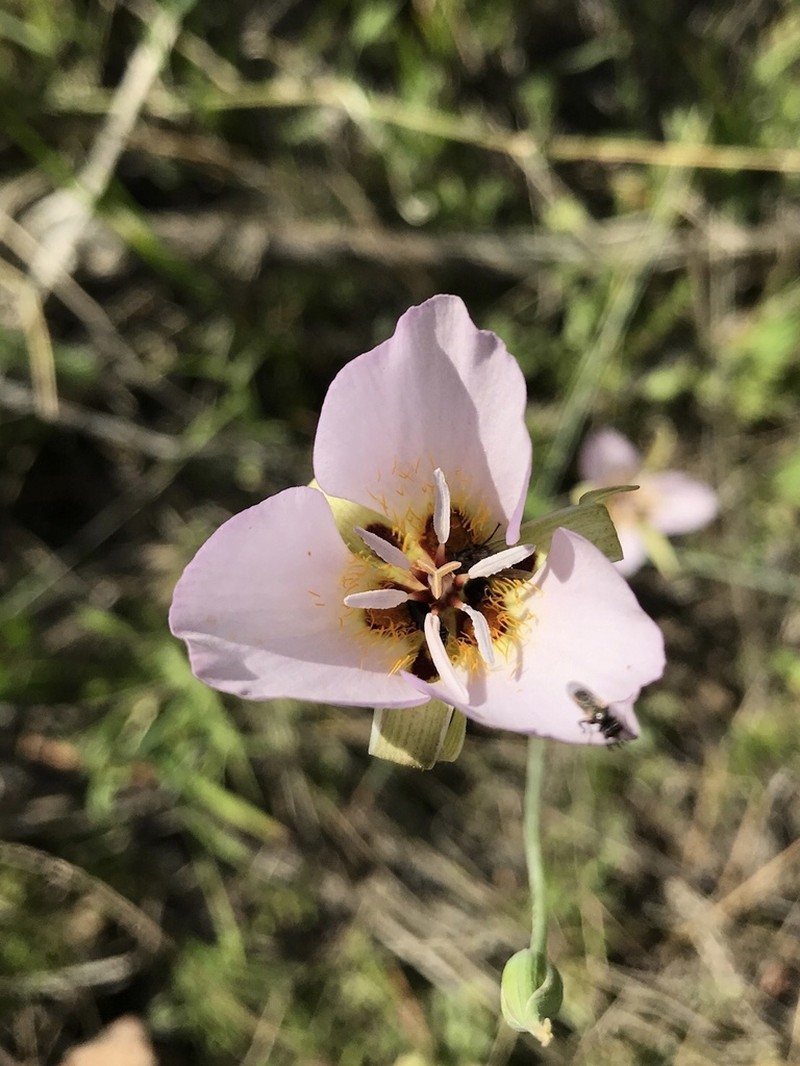
Taxonomy
- Division:
- Magnoliophyta | - Flowering plants
- Family:
- Liliaceae
- Genus:
- Calochortus
- Species:
- Calochortus palmeri
- USDA Symbol:
- CAPA3
Growth Characteristics
- Life Cycle:
- Perennial
- Growth Habit:
- Geophyte
- Height:
- 60 cm
- Light Requirements:
- Full Sun
- Drought Tolerance:
- Medium
- Bloom Months:
- apr,may,jun
- Bloom Colors:
- white, pink, purple
Wildlife Benefits
- Bees:
- ★☆☆☆☆ Documented bee visitation (GBIF)
- Butterflies & Moths:
- ★☆☆☆☆ Documented Lepidoptera association (GBIF)
Garden & Ecology Notes
- Wildlife Value:
- bees, butterflies
Soil Requirements
- Soil Type:
- well-drained, rocky or sandy soil
- pH:
- 6.0 - 7.5 (slightly acidic to neutral)
- Drainage:
- excellent drainage required
- Moisture:
- dry to moderate
- Notes:
- native to mountainous regions, prefers open slopes
Propagation & Germination
- Stratification:
- Cold/moist stratification required — 60–90 days
- Germination Time:
- 30–60 days
- Notes:
- Seeds require cold stratification for 2-3 months to break dormancy.
Pre-treatment: Cold-moist stratification for 30 days at 1–5°C (34–41°F).; then Cold-moist stratification for 60 days.
Source: Claude AI