
Yellow Avalanche-Lily
Erythronium grandiflorum
- Native to:
- Canada, United States
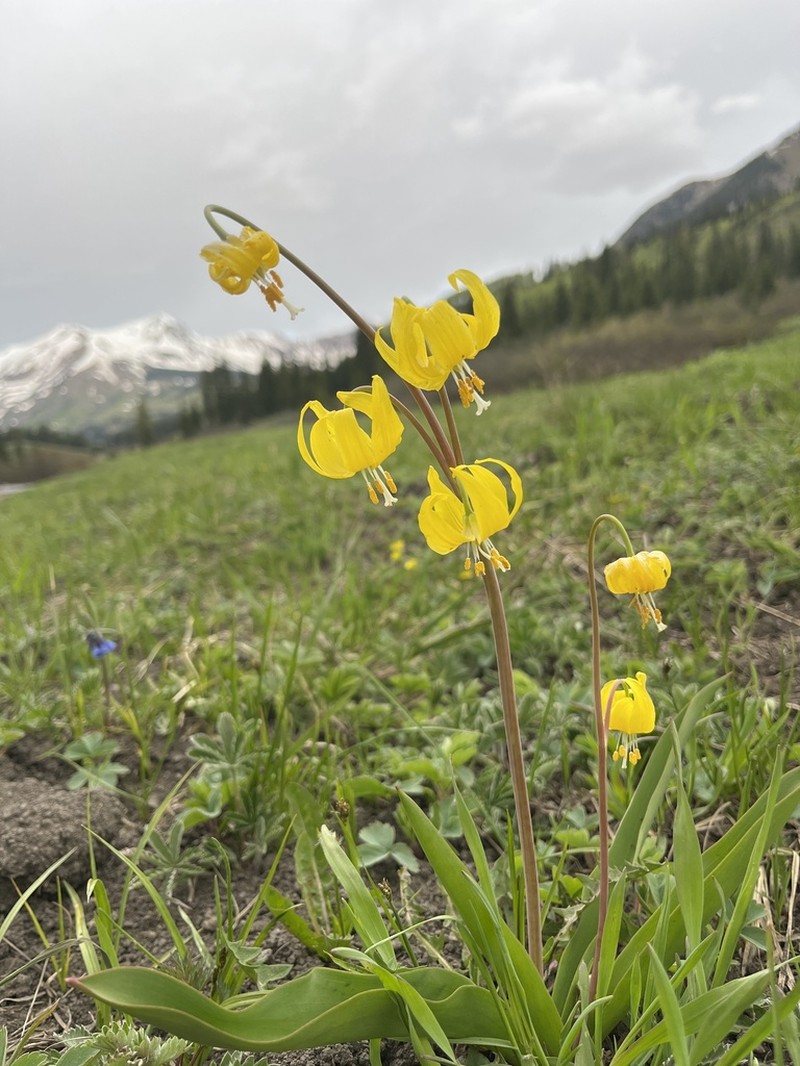
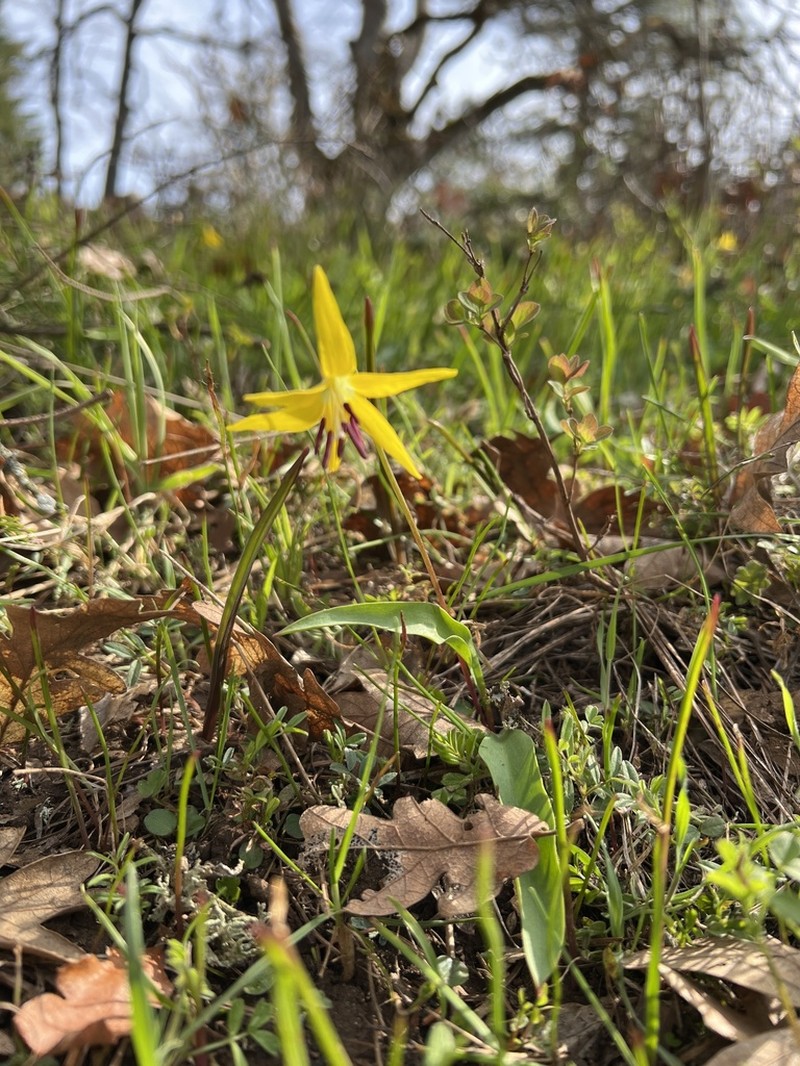
iNaturalist: © makena_lang (iNaturalist #166957387)
Taxonomy
- Division:
- Magnoliophyta | - Flowering plants
- Family:
- Liliaceae
- Genus:
- Erythronium
- Species:
- Erythronium grandiflorum
- USDA Symbol:
- ERGR9
Growth Characteristics
- Life Cycle:
- Perennial
- Growth Habit:
- Geophyte
- Height:
- 30 cm
- Light Requirements:
- Part Shade
- Drought Tolerance:
- Low
- Bloom Months:
- apr,may,jun
- Bloom Colors:
- yellow
Wildlife Benefits
- Bees:
- ★☆☆☆☆ Documented bee visitation (GBIF)
- Butterflies & Moths:
- ★☆☆☆☆ Documented Lepidoptera association (GBIF)
Garden & Ecology Notes
- Wildlife Value:
- bees, butterflies
Soil Requirements
- Soil Type:
- rich, well-drained loamy soil
- pH:
- 5.5 - 7.0 (slightly acidic to neutral)
- Drainage:
- excellent drainage required
- Moisture:
- consistently moist
- Notes:
- prefers cool, mountainous regions
Propagation & Germination
- Stratification:
- Cold/moist stratification required — 60–90 days
- Germination Time:
- 30–60 days
- Notes:
- Seeds require cold stratification for 2-3 months; germination occurs in spring after temperatures warm.
Pre-treatment: Seeds require a 5 month cold, moist stratification. Fresh seeds may require a period of after-ripening. 2 year old seeds were treated in protocol 1.
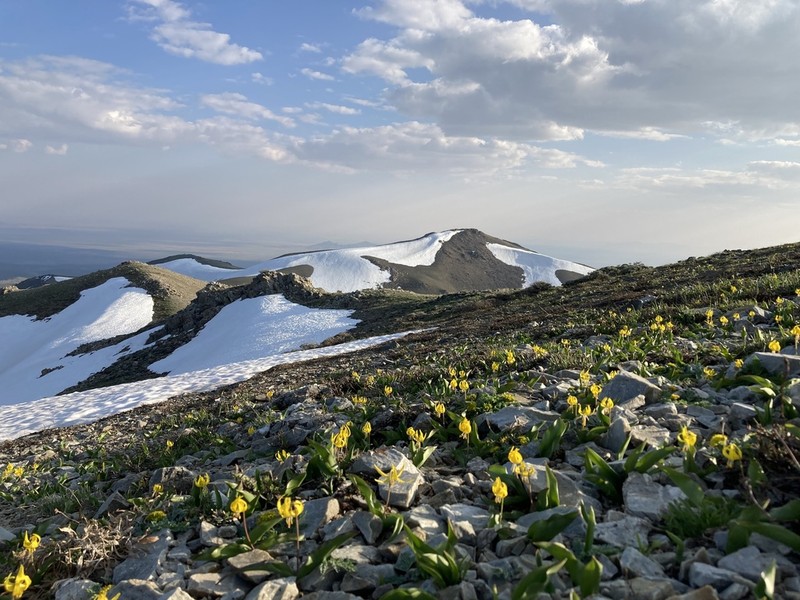
Establishment: Seeds are hand collected in late August and early September when capsules turn papery and begin to split, and when seeds are brown in color. Capsules are collected in paper bags and kept in a well ventilated drying shed prior to cleaning. E. grandiflorum occurs from sagebrush slopes and montane forests to subalpine to alpine meadows, from southern B.C. to Washington and northeastern Oregon, east to Idaho, Montana, Wyoming, Colorado; from 1000m to 3500m elevation.
Source: npn.rngr.net
ORGHPS Germination Guide: Sow immediately, Either the viability of these seeds is short or the species propagates best with fresh seed. Stored seed might be coaxed into germination with temperature cycling and patience. Use repeated cycles of 4°C, then 20°C for 3 months each. Germination is very prolonged. * tiny sample; may require light