
Kamchatka Fritillary
Fritillaria camschatcensis
- Native to:
- Aleutian Is., Canada, Japan, Kuril Is., Russia, United States
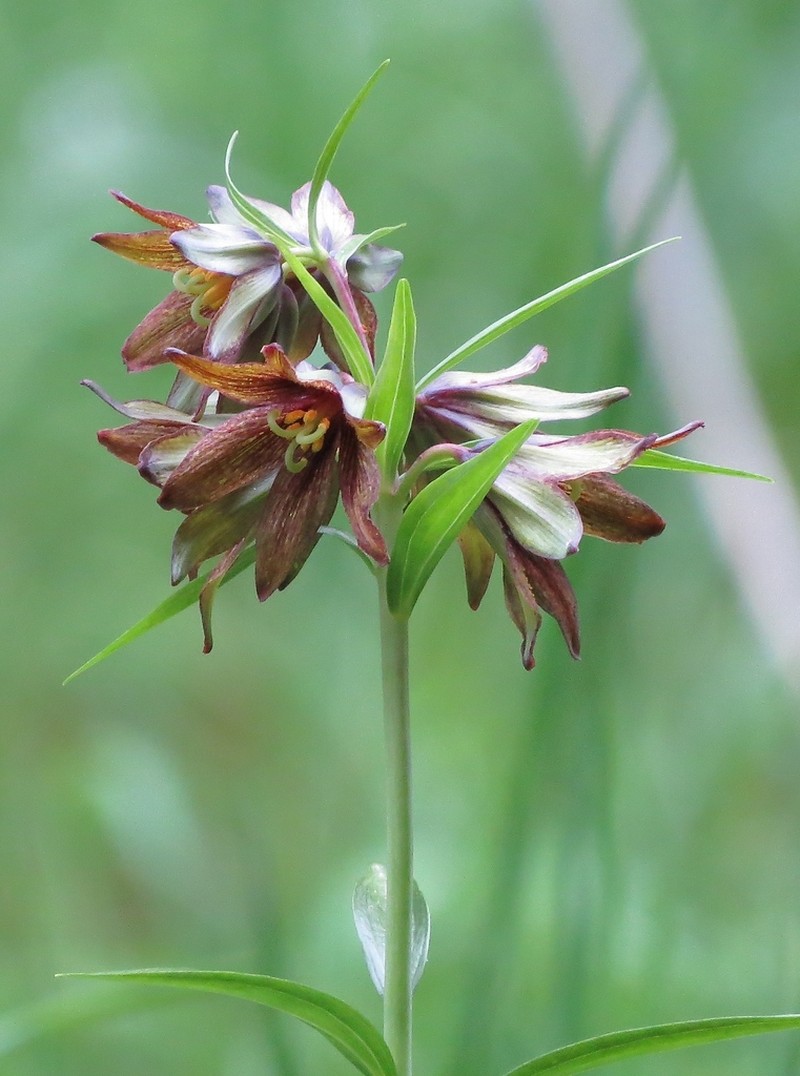
iNaturalist: © hillanddale (iNaturalist #9528780)
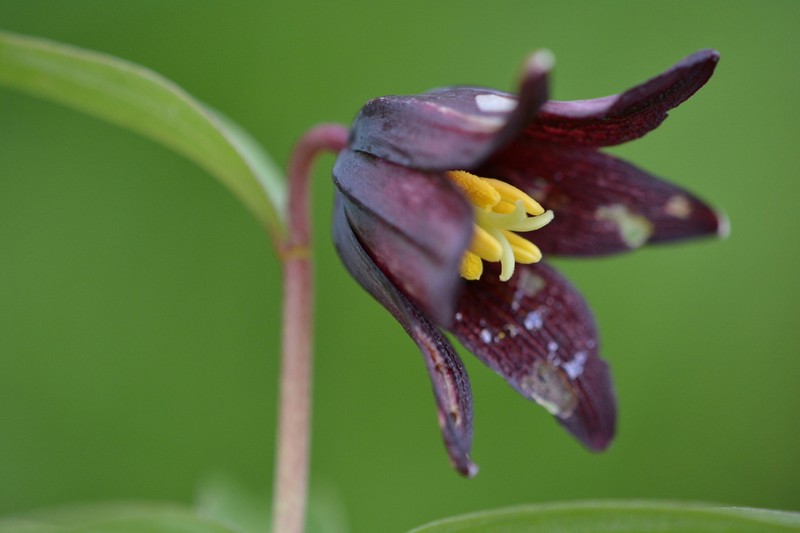
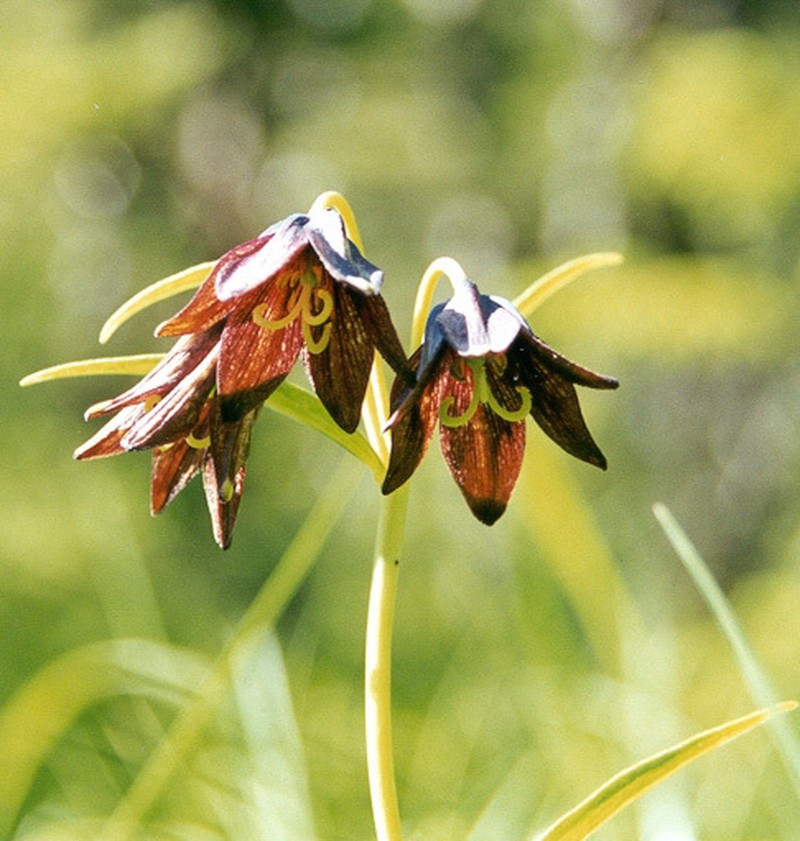
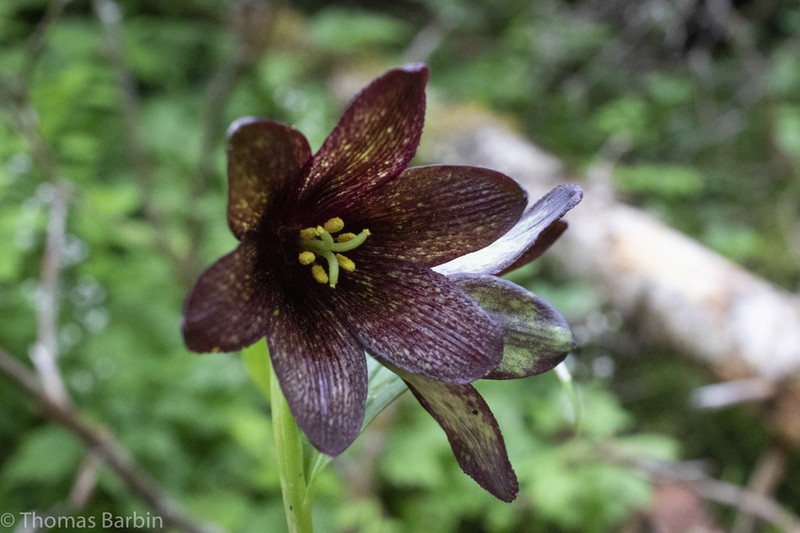
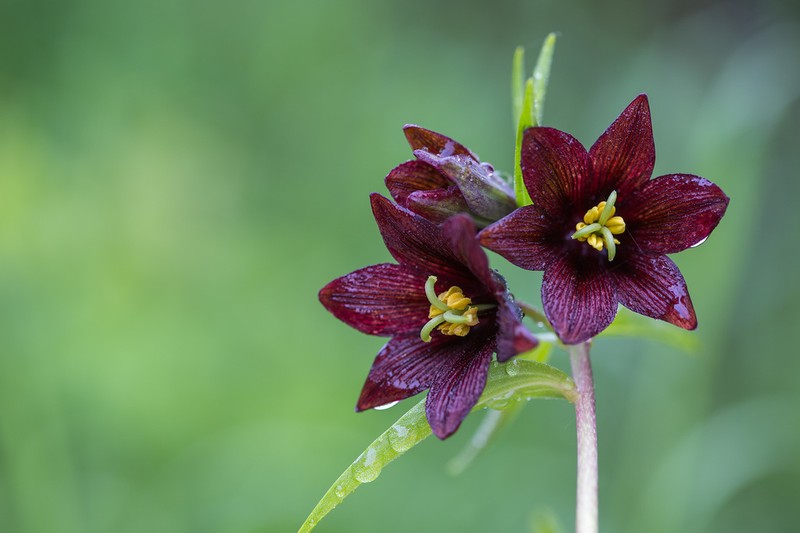
Taxonomy
- Division:
- Magnoliophyta | - Flowering plants
- Family:
- Liliaceae
- Genus:
- Fritillaria
- Species:
- Fritillaria camschatcensis
- USDA Symbol:
- FRCA5
Growth Characteristics
- Life Cycle:
- Perennial
- Growth Habit:
- Forb/herb
- Height:
- 60 cm
- Light Requirements:
- Full Sun
- Drought Tolerance:
- Low
- Bloom Months:
- may,jun,jul
- Bloom Colors:
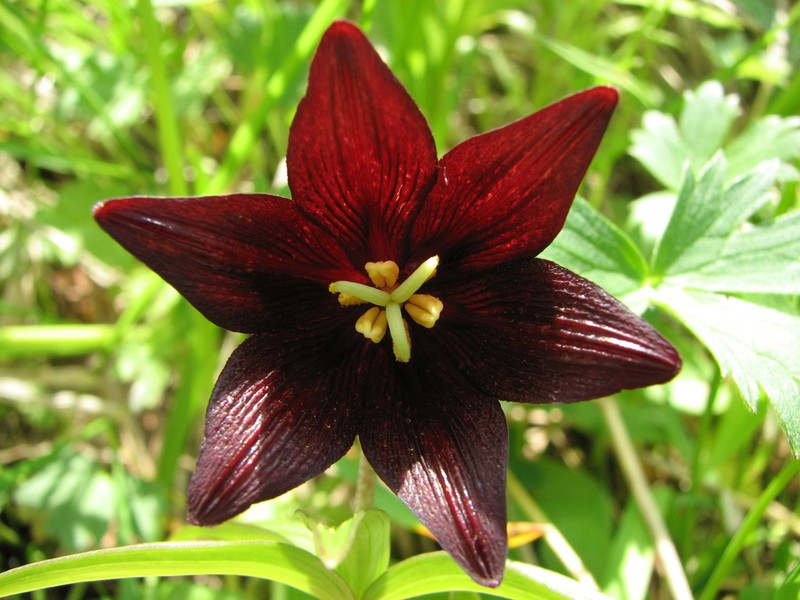
- purple, brownish-purple
Wildlife Benefits
- Bees:
- ★☆☆☆☆ Documented bee visitation (GBIF)
Garden & Ecology Notes
- Wildlife Value:
- bees, flies
- Deer Resistant:
- Yes
Soil Requirements
- Soil Type:
- rich, well-drained loamy soil
- pH:
- 5.5 - 7.0 (slightly acidic to neutral)
- Drainage:
- excellent drainage required
- Moisture:
- consistently moist
- Notes:
- prefers organic matter-rich environments
Propagation & Germination
- Stratification:
- Cold/moist stratification required — 60–90 days
- Germination Time:
- 30–90 days
- Notes:
- Seeds require cold stratification for 2-3 months; germination may be slow and erratic.
Pre-treatment: Cold-moist stratification for 30 days at 1–5°C (34–41°F).; then Cold-moist stratification for 60 days.
Source: Claude AI
ORGHPS Germination Guide: Sow immediately, Either the viability of these seeds is short or the species propagates best with fresh seed. Stored seed might be coaxed into germination with temperature cycling and patience. Expose to fluctuation outdoor winter temperatures including freezing for 3 months. Gradually increase light and temperature in the spring. * grow seedlings at cool temperature; leave in pot for 2 years
Where to Buy
Nationwide Seller
- Sheffield's Seed (seeds)