
Scarlet Fritillary
Fritillaria recurva
- Native to:
- United States
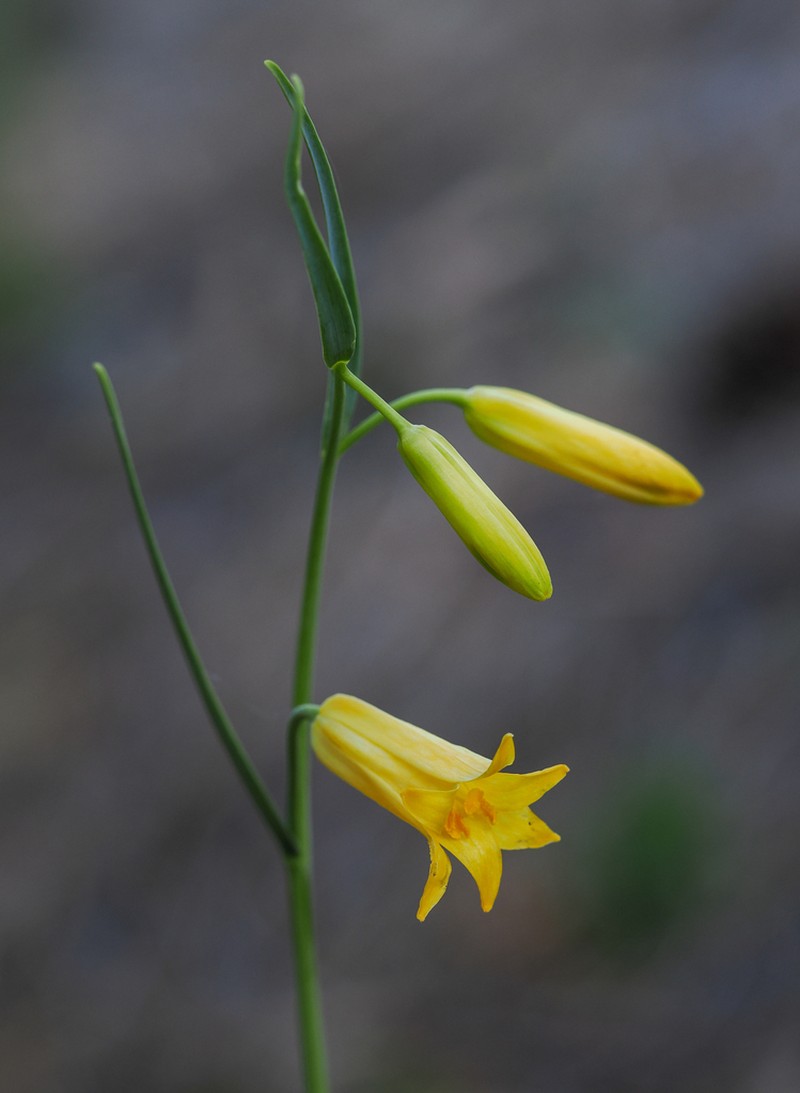
iNaturalist: © dgreenberger (iNaturalist #272589228)
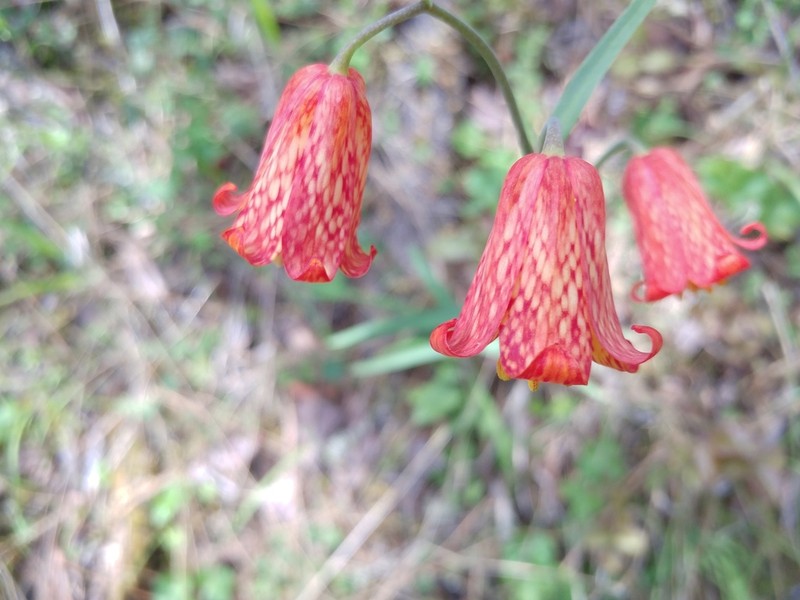
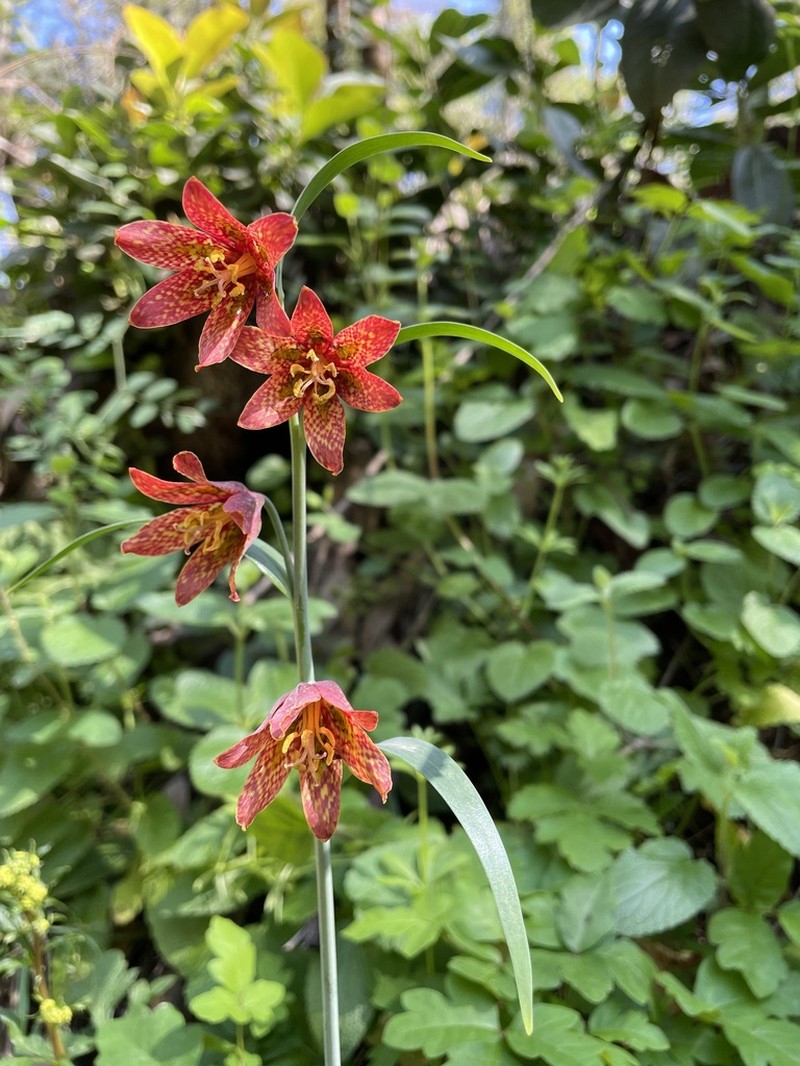
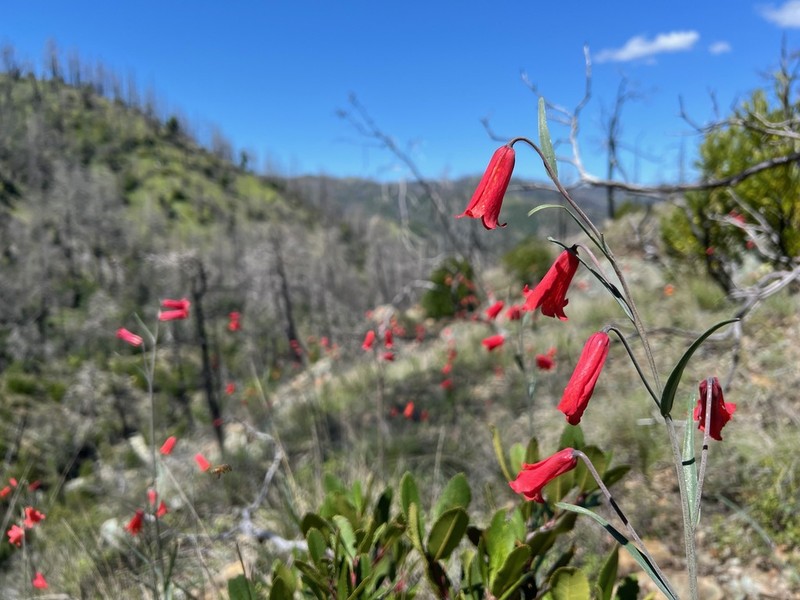
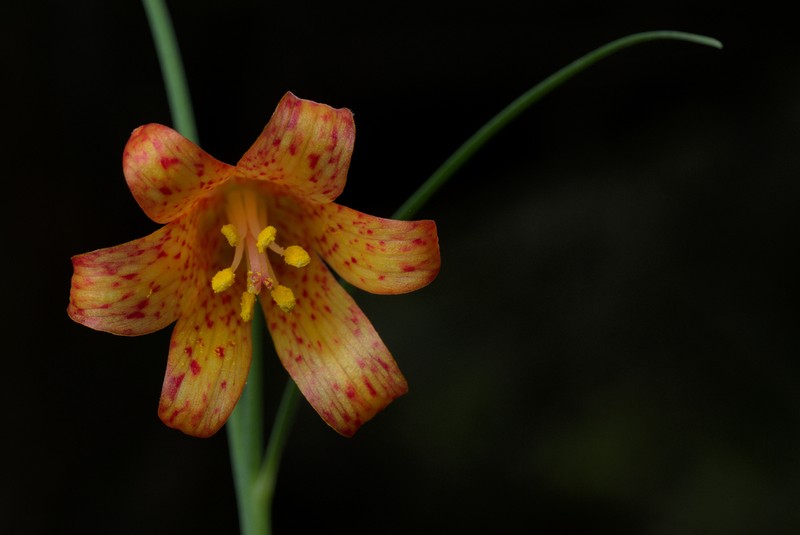
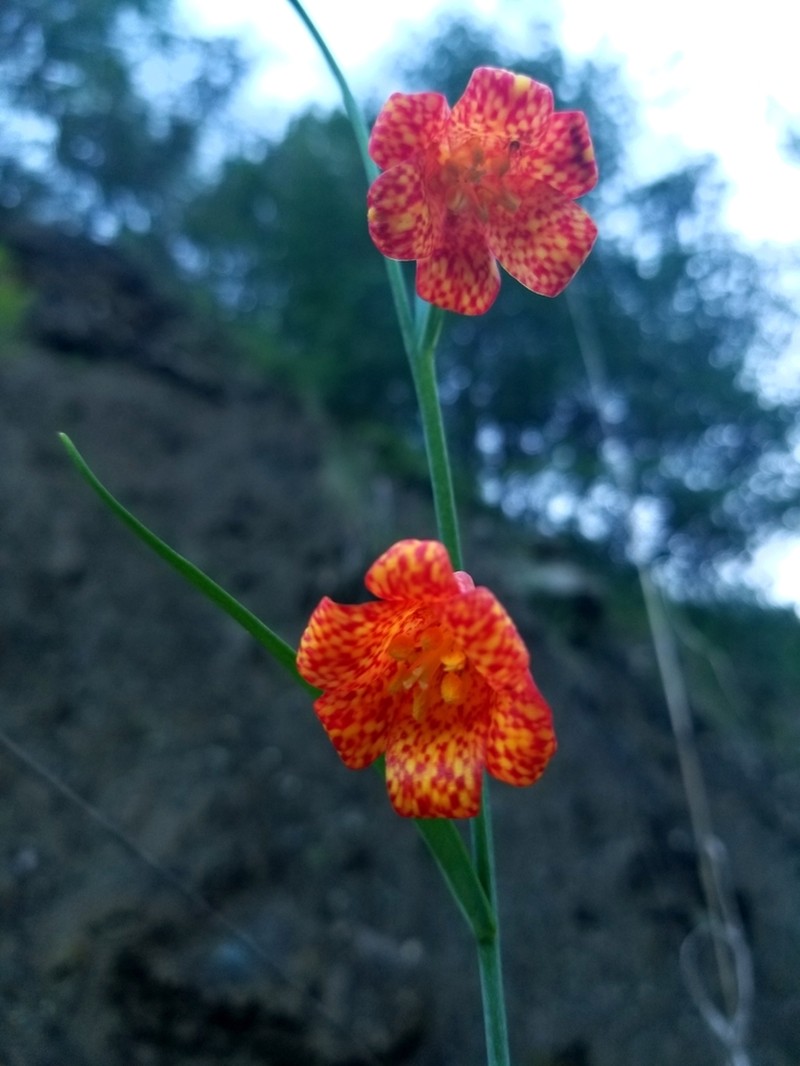
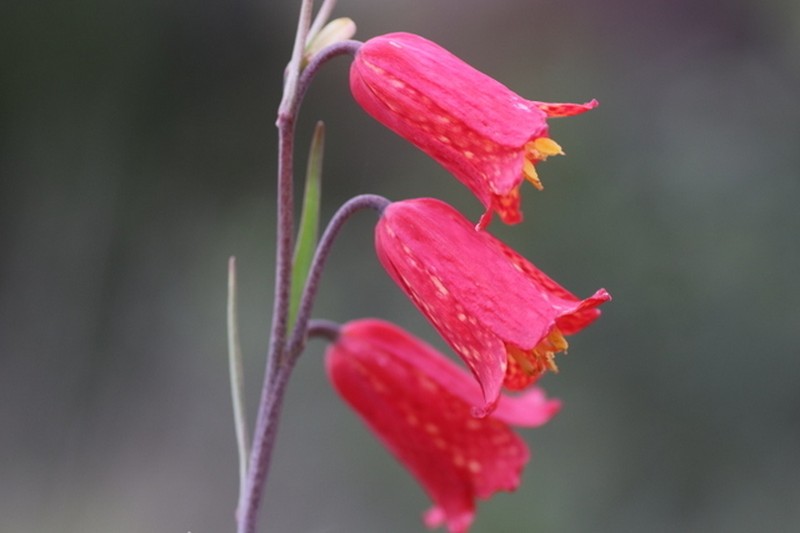
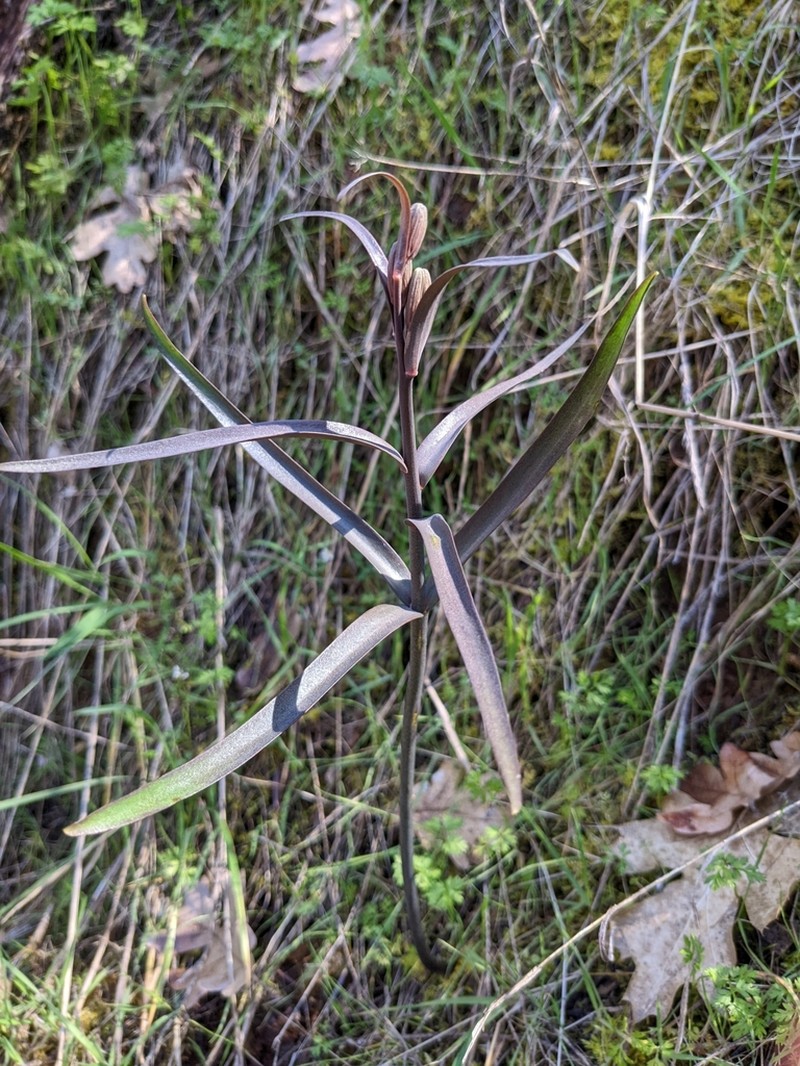
Taxonomy
- Division:
- Magnoliophyta | - Flowering plants
- Family:
- Liliaceae
- Genus:
- Fritillaria
- Species:
- Fritillaria recurva
- USDA Symbol:
- FRRE
Growth Characteristics
- Life Cycle:
- Perennial
- Growth Habit:
- Forb/herb
- Height:
- 80 cm
- Light Requirements:
- Part Shade
- Drought Tolerance:
- Medium
- Bloom Months:
- apr,may,jun
- Bloom Colors:
- red, orange, yellow
Wildlife Benefits
- Bees:
- ★☆☆☆☆ Documented bee visitation (GBIF)
- Hummingbirds:
- ★☆☆☆☆ Documented hummingbird visits (GBIF)
Reported Fauna Sightings
Hummingbirds: Rufous Hummingbird (Selasphorus rufus)
Garden & Ecology Notes
- Wildlife Value:
- bees, hummingbirds
- Deer Resistant:
- Yes
Soil Requirements
- Soil Type:
- rocky, well-drained loamy soil
- pH:
- 5.5 - 7.0 (slightly acidic to neutral)
- Drainage:
- excellent drainage required
- Moisture:
- dry to moderate
- Notes:
- native to open woodlands and rocky slopes
Propagation & Germination
- Stratification:
- Cold/moist stratification required — 60–90 days
- Germination Time:
- 30–90 days
- Notes:
- Seeds require cold stratification for 2-3 months; germination can be slow and erratic.
Pre-treatment: Cold-moist stratification for 30 days at 1–5°C (34–41°F).; then Cold-moist stratification for 60 days.
Source: Claude AI
ORGHPS Germination Guide: Sow immediately, Either the viability of these seeds is short or the species propagates best with fresh seed. Stored seed might be coaxed into germination with temperature cycling and patience. * sow in autumn in 1/2 seed mix, 1/2 grit, - don't prick out as they will die; leave for 2 years in pot in which they were sown; plunge pot in sand bed after germination