
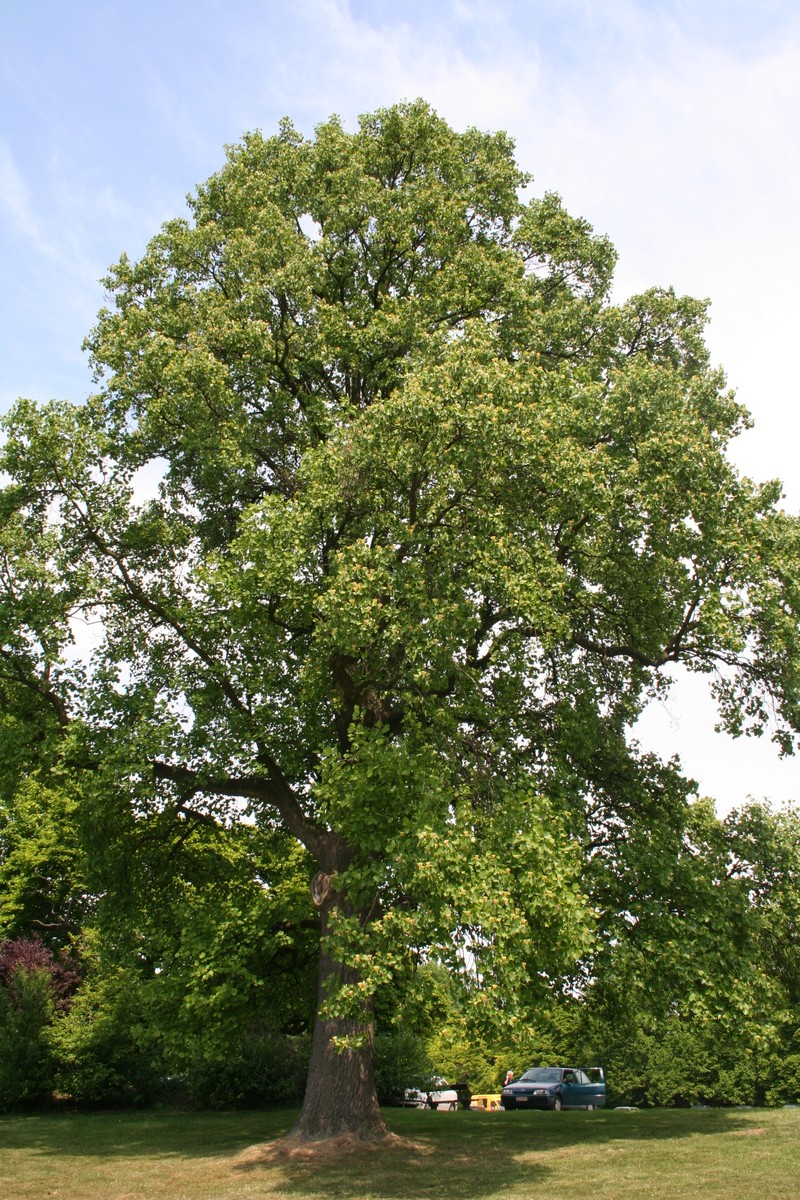
Tuliptree
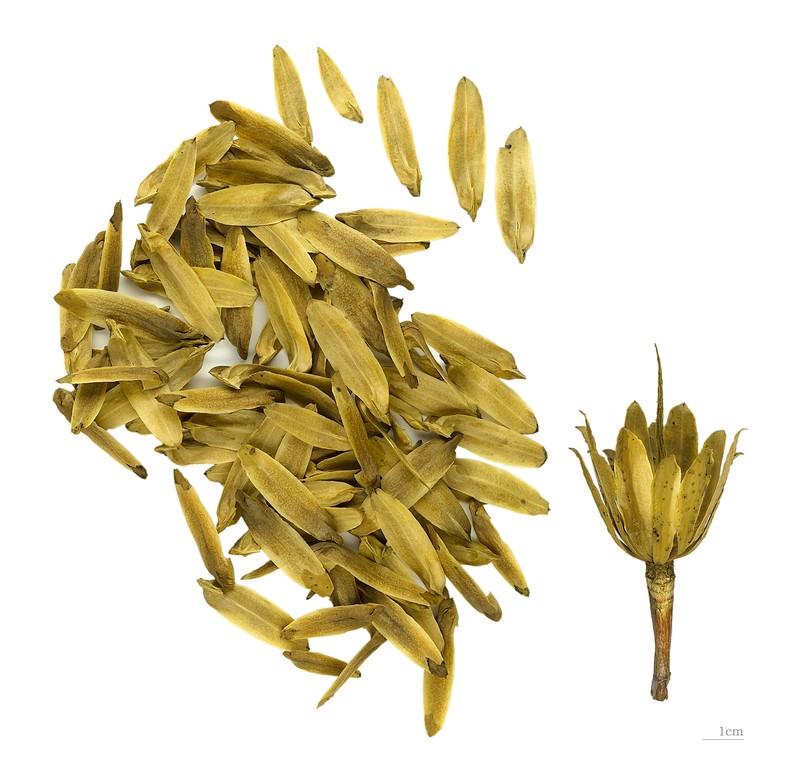
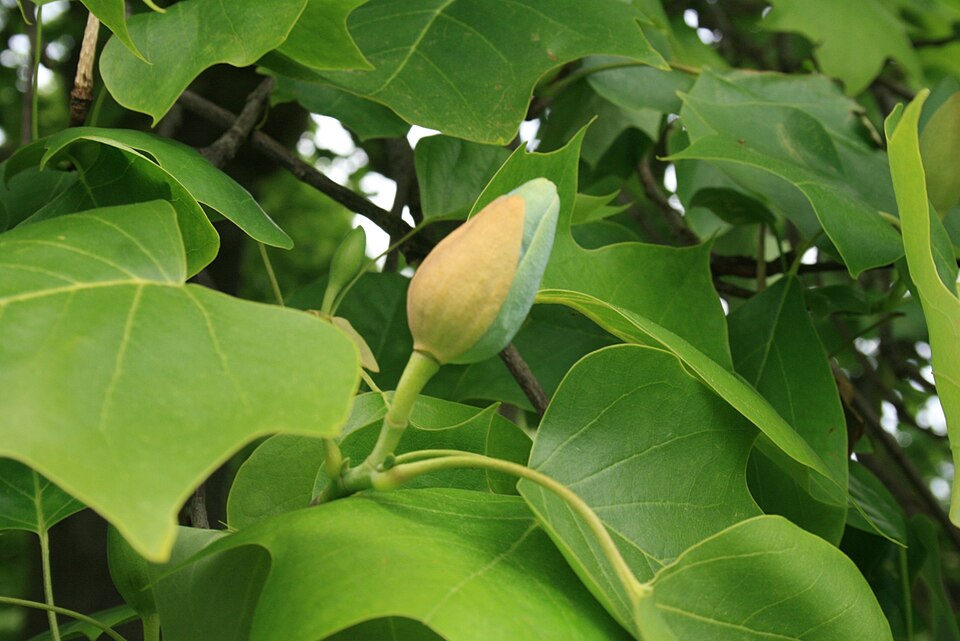
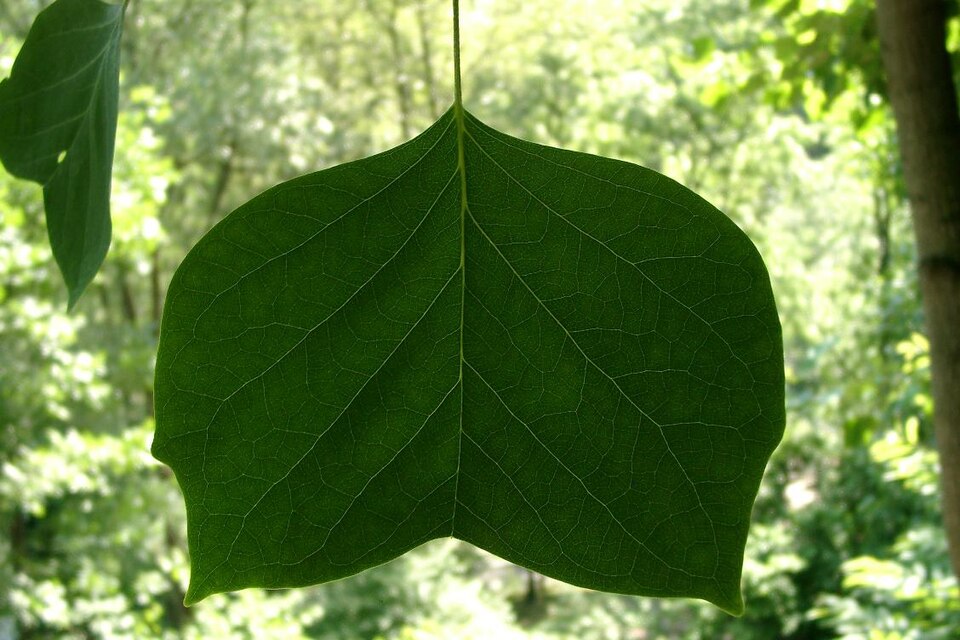
Liriodendron tulipifera
- Native to:
- Canada, United States, Virgin Islands
Didier Descouens
Taxonomy
- Division:
- Magnoliophyta | - Flowering plants
- Family:
- Magnoliaceae
- Genus:
- Liriodendron
- Species:
- Liriodendron tulipifera
- USDA Symbol:
- LITU
Growth Characteristics
- Life Cycle:
- Perennial
- Growth Habit:
- Tree
- Height:
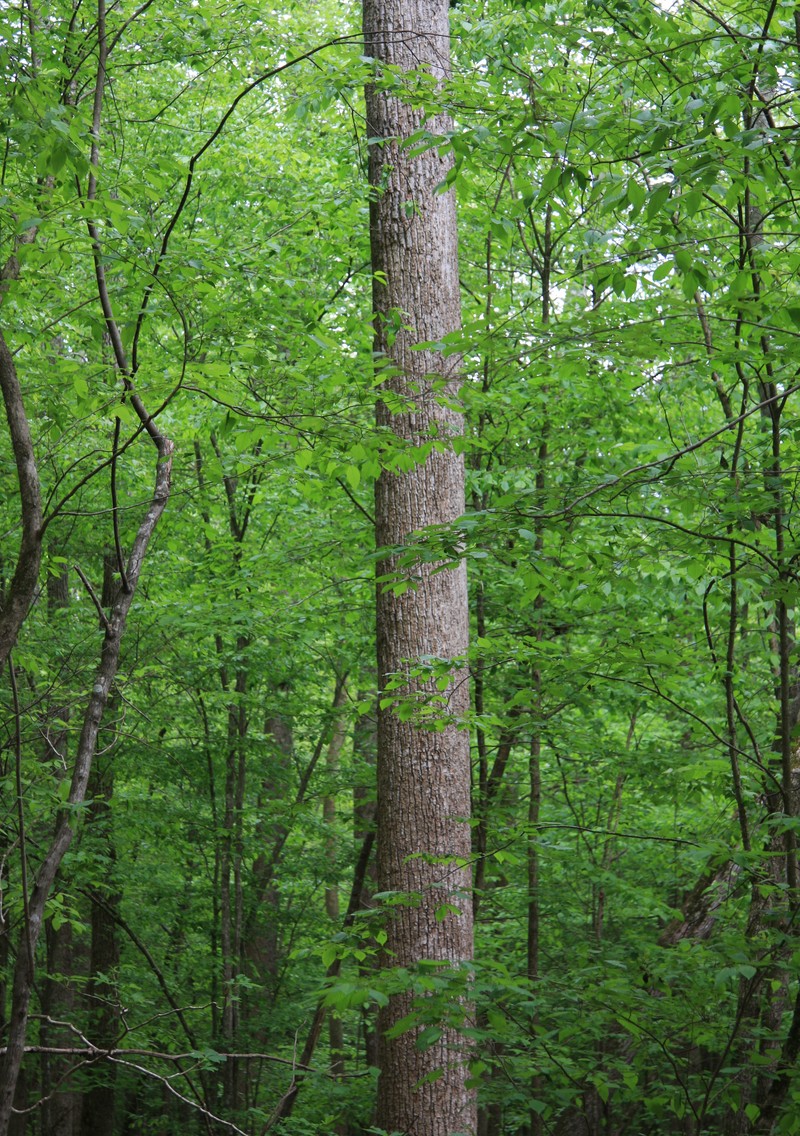
- 6000 cm
- Light Requirements:
- Full Sun,Part Shade,Shade
- Drought Tolerance:
- Medium
- Bloom Months:
- may,jun
- Bloom Colors:
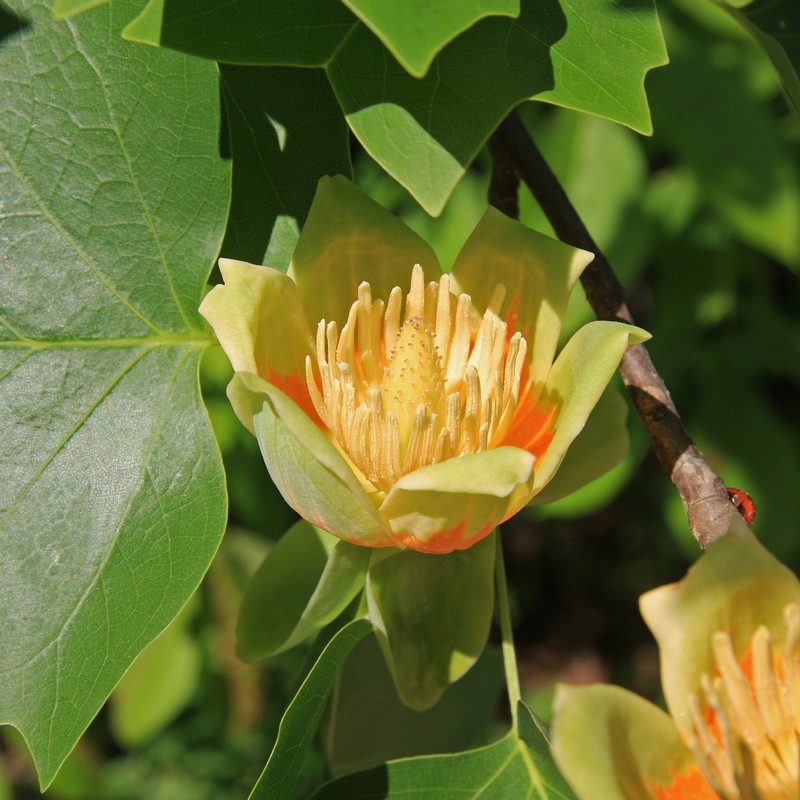
- yellow, orange, green
Wildlife Benefits
- Bees:
- ★☆☆☆☆ Documented bee visitation (GBIF)
- Butterflies & Moths:
- ★★★☆☆ Documented Lepidoptera association (GBIF)
- Caterpillars:
- ★★★☆☆ Recorded caterpillar host plant (HOSTS Database)
- Hummingbirds:
- ★☆☆☆☆ Documented hummingbird visits (GBIF)
Keystone Species Ranking
- Caterpillar Keystone:
- ★★★☆☆ Butterfly & moth species supported by this genus (NWF)
Host Plant for Caterpillars
Reported Fauna Sightings
Garden & Ecology Notes
- Wildlife Value:
- birds, butterflies, small mammals
- Fall Color:
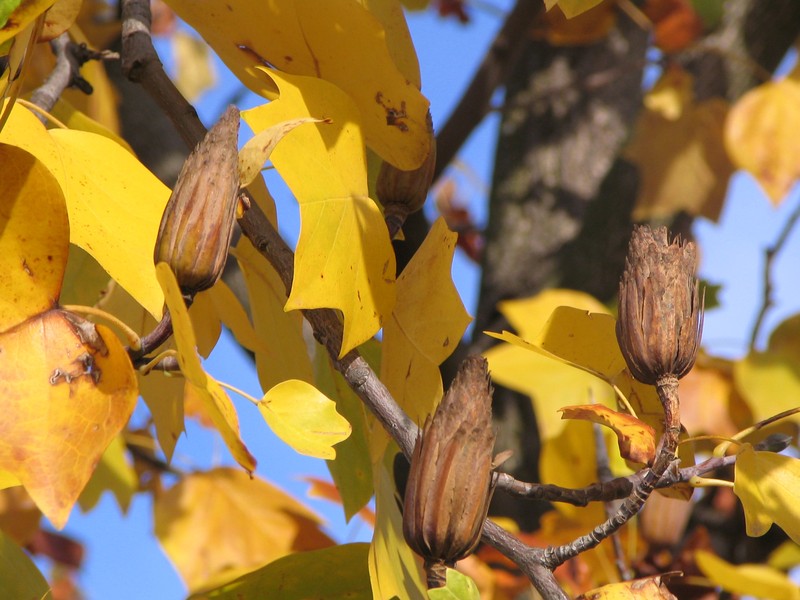
- yellow
Soil Requirements
- Soil Type:
- rich, well-drained loamy soil
- pH:
- 5.5 - 7.5 (slightly acidic to neutral)
- Drainage:
- good drainage preferred
- Moisture:
- consistently moist
- Notes:
- prefers deep, fertile soils
Propagation & Germination
- Stratification:
- Cold/moist stratification required — 60–90 days
- Germination Time:
- 30–60 days
- Notes:
- Seeds require cold stratification for 60-90 days to break dormancy.
Pre-treatment: Seeds are either sown in outdoor nursery beds in the fall soon after collection and cleaning for natural stratification or placed in cold moist stratification for 70 days.
Establishment: Seeds are collected from various locations, including Great Smoky Mountains National Park, Cumberland Gap National Historical Park, National Capital Parks-East, Shenandoah National Park, George Washington Memorial Parkway, and local sources in south central Missouri. The general distribution of Liriodendron tulipifera ranges from Vermont to southern Michigan, Missouri and south to Florida and Louisiana, and is also found in temperate deciduous forests of the eastern United States.
Source: npn.rngr.net
ORGHPS Germination Guide: Use repeated cycles of 20°C, then 4°C for 3 months each. Germination is very prolonged. Requires darkness. * empty seed coats are undetectable; 5% germination is normal
Where to Buy
Nationwide Seller
- Sheffield's Seed (seeds)