
Thurber's Cotton
Gossypium thurberi
- Native to:
- Mexico, United States
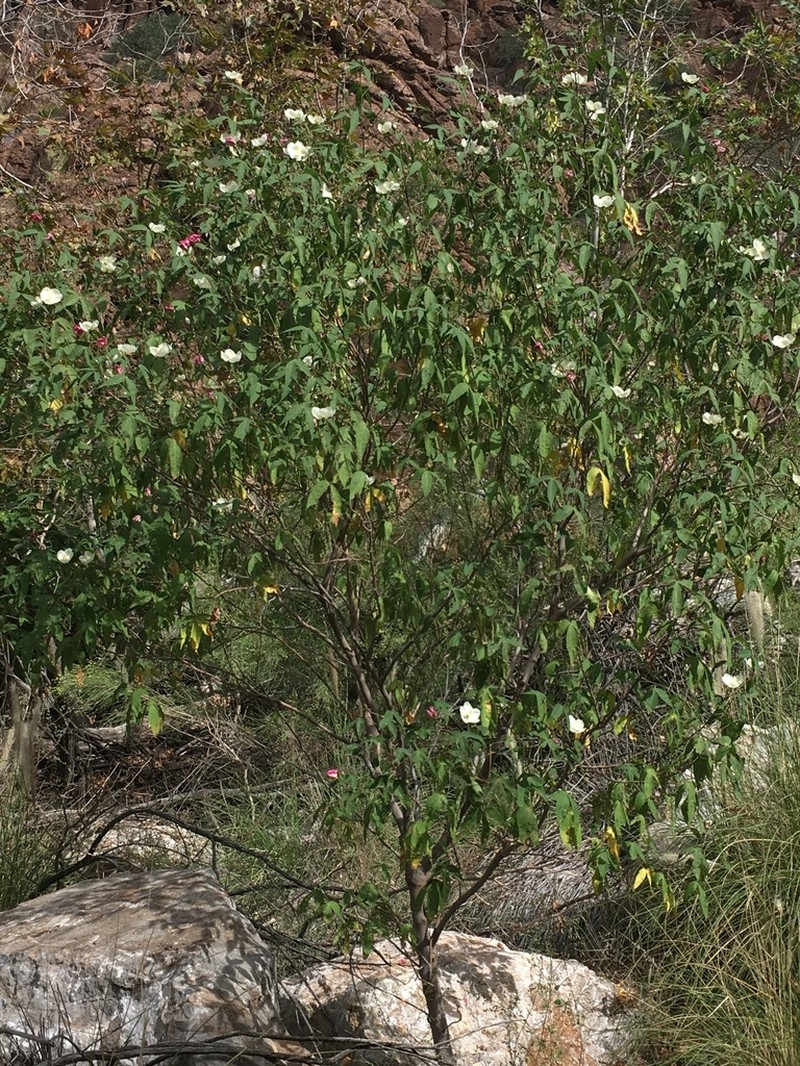
iNaturalist: © saguaro5 (iNaturalist #97692104)
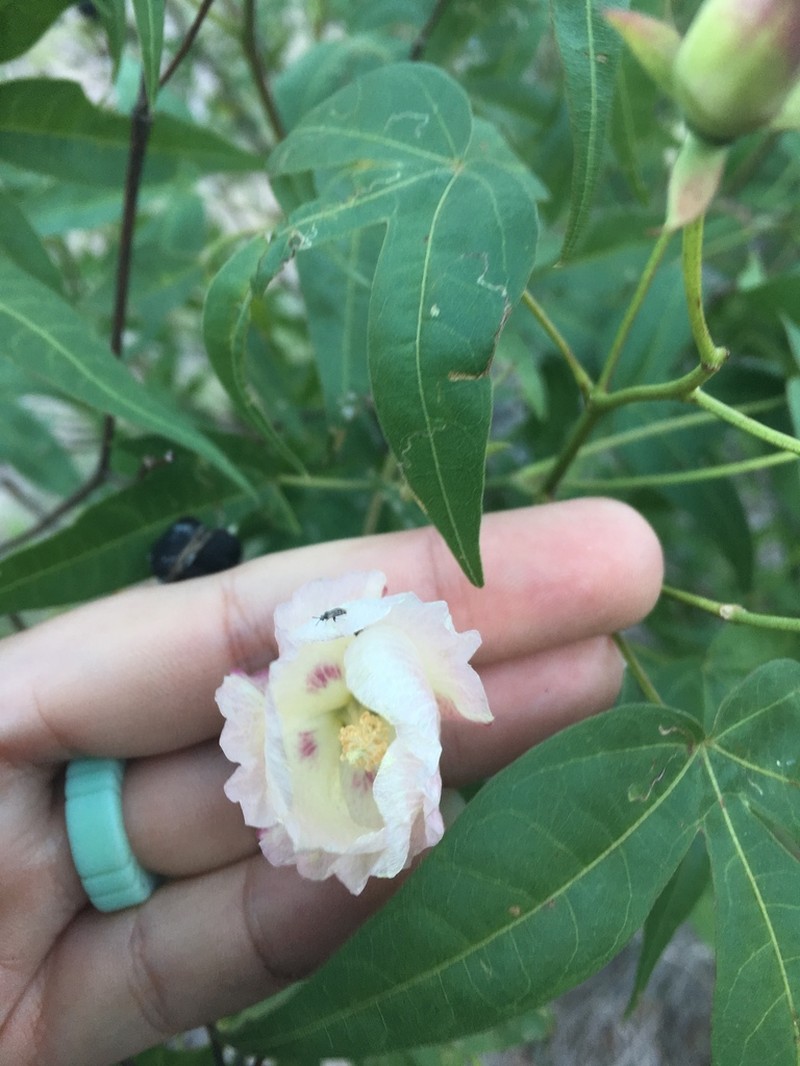
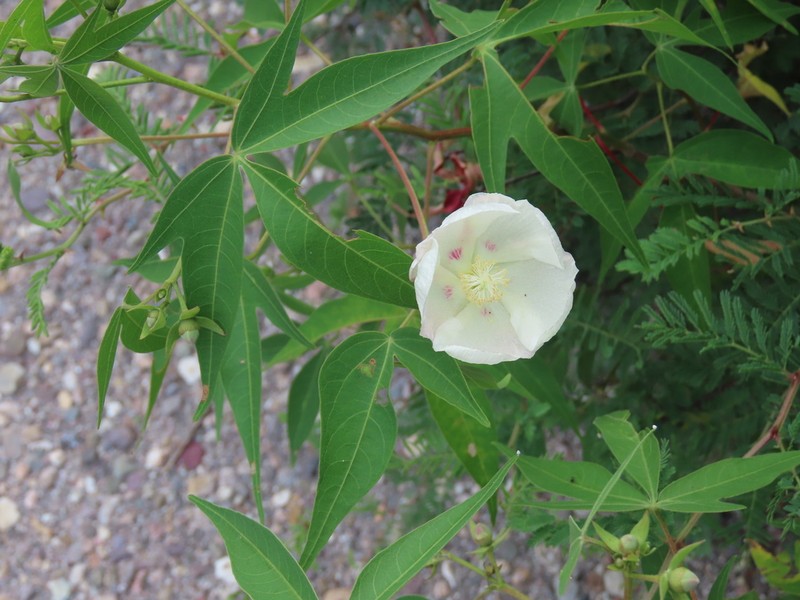
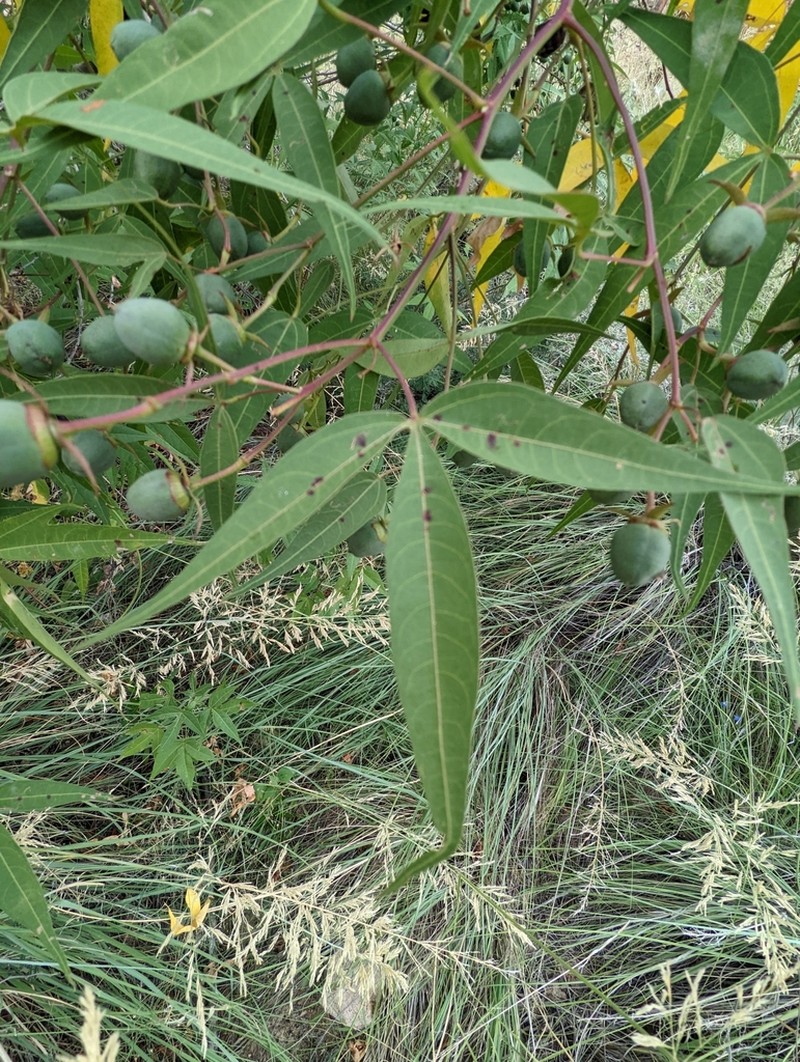
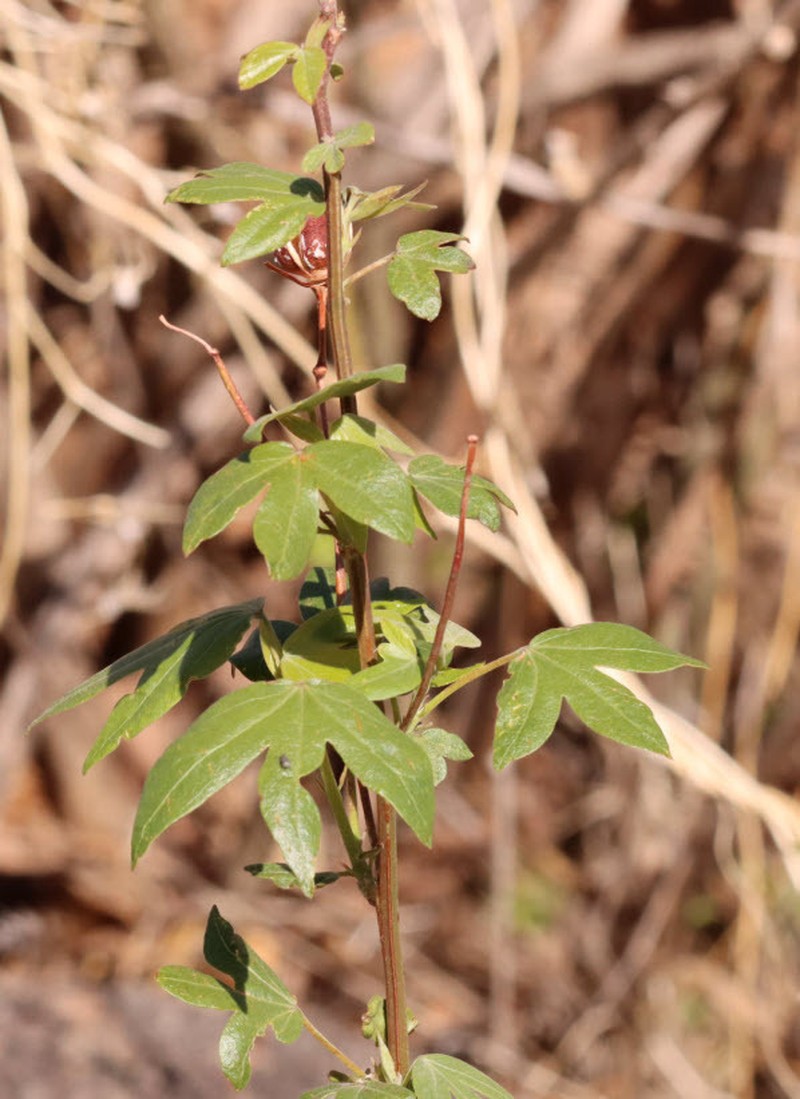
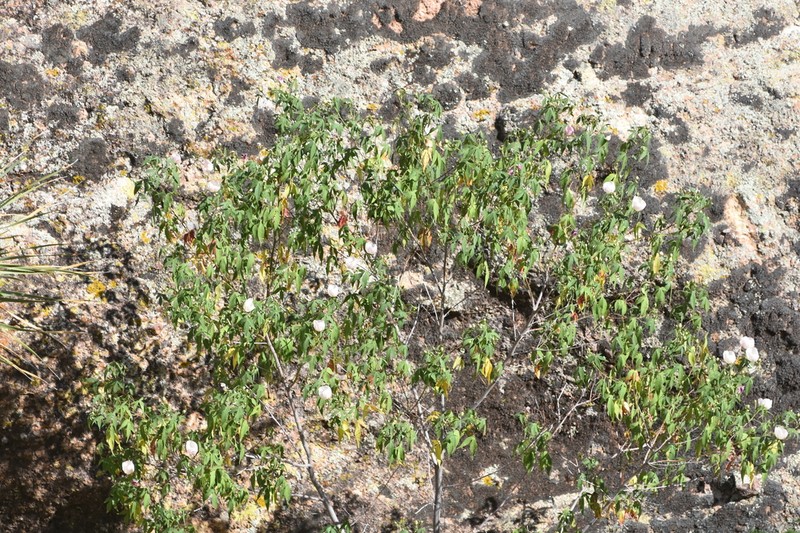
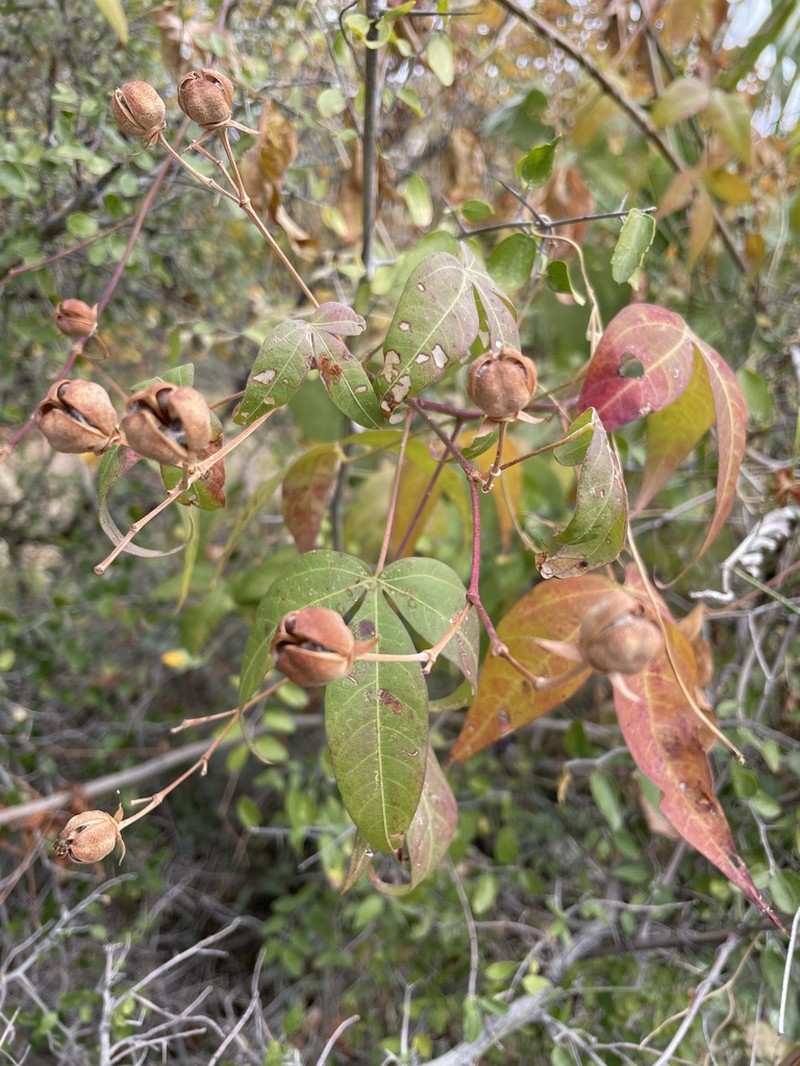
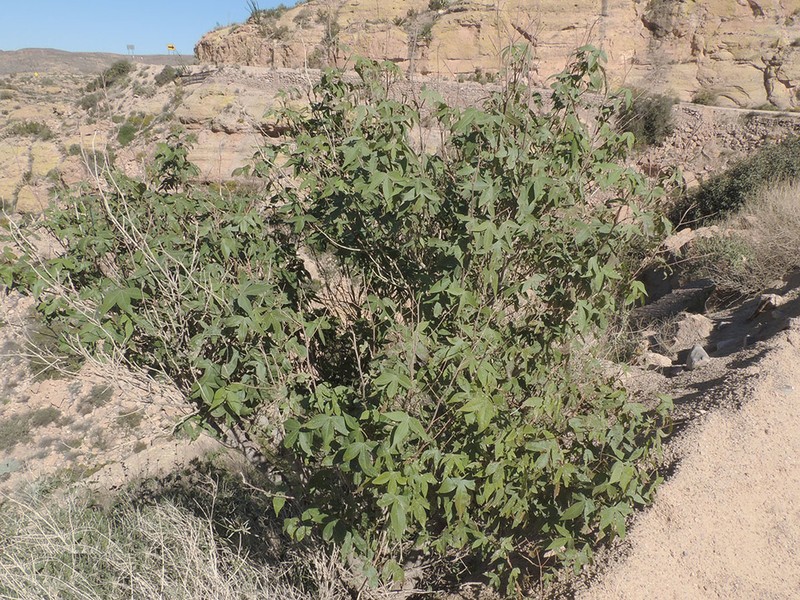
Taxonomy
- Division:
- Magnoliophyta | - Flowering plants
- Family:
- Malvaceae
- Genus:
- Gossypium
- Species:
- Gossypium thurberi
- USDA Symbol:
- GOTH
Growth Characteristics
- Life Cycle:
- Perennial
- Growth Habit:
- Shrub , Tree
- Height:
- 300 cm
- Light Requirements:
- Full Sun
- Drought Tolerance:
- High
- Bloom Months:
- jul,aug,sep
- Bloom Colors:
- yellow, white
Wildlife Benefits
- Bees:
- ★☆☆☆☆ Documented bee visitation (GBIF)
- Butterflies & Moths:
- ★★★★☆ Documented Lepidoptera association (GBIF)
- Caterpillars:
- ★★★☆☆ Recorded caterpillar host plant (HOSTS Database)
Host Plant for Caterpillars
American plum borer (Euzophera semifuneralis), American sunflower moth (Homoeosoma electella), Beet Webworm (Loxostege sticticalis), black-shaded platynota (Platynota flavedana), black-tipped pyralid moth (Moodna ostrinella), Bucculatrix thurberiella, common gray (Anavitrinella pampinaria), corn earworm (Helicoverpa zea), Cosmet moth (Pyroderces rileyi), Cotton leafworm (Alabama argillacea), cotton tipworm (Crocidosema plebejana), Fall armyworm (Spodoptera frugiperda), lesser cornstalk borer (Elasmopalpus lignosellus), Omiodes Leafroller (Omiodes simialis), Pink bollworm (Pectinophora gossypiella), Platyedra subcinerea, Pyroderces badia, Scodes deflecta, Splendid Royal Moth (Citheronia splendens), Thurberiphaga diffusa, Yellow scallop moth (Anomis erosa)
Reported Fauna Sightings
Moths:Bucculatrix thurberiella, Splendid Royal Moth (Citheronia splendens)
Garden & Ecology Notes
- Wildlife Value:
- birds, butterflies
Soil Requirements
- Soil Type:
- rocky, well-drained, nutrient-poor soil
- pH:
- 6.0 - 8.0 (slightly acidic to neutral)
- Drainage:
- excellent drainage required
- Moisture:
- dry to moderate
- Notes:
- native to arid regions, prefers dry conditions
Propagation & Germination
- Stratification:
- Cold/moist stratification required — 30–60 days
- Scarification:
- Seed coat scarification required before sowing
- Germination Time:
- 14–30 days
- Notes:
- Seeds require scarification (nicking or hot water) followed by cold stratification for 30-60 days.
Pre-treatment: Sandpaper scarification followed by a 24-hour warm water soak
Establishment: Seeds that were nicked with a scalpel showed high germination rates. Further germination trials are recommended. The plant is commonly found in Sonoran Desert uplands along rocky hillsides and foothills, washes and canyon bottoms up to 5,000 (rarely 7,000) feet in elevation.
Source: npn.rngr.net