
Bastardcedar
Guazuma ulmifolia
- Native to:
- Argentina, Belize, Bolivia, Brazil, Cayman Is., Colombia, Costa Rica, Cuba, Dominican Republic, Ecuador, El Salvador, French Guiana, Galápagos, Guam, Guatemala, Guyana, Haiti, Honduras, Jamaica, Leeward Is., Mexico, Nicaragua, Panamá, Paraguay, Peru, Puerto Rico, Southwest Caribbean, Suriname, Trinidad-Tobago, Venezuela, Venezuelan Antilles, Virgin Islands, Windward Is.
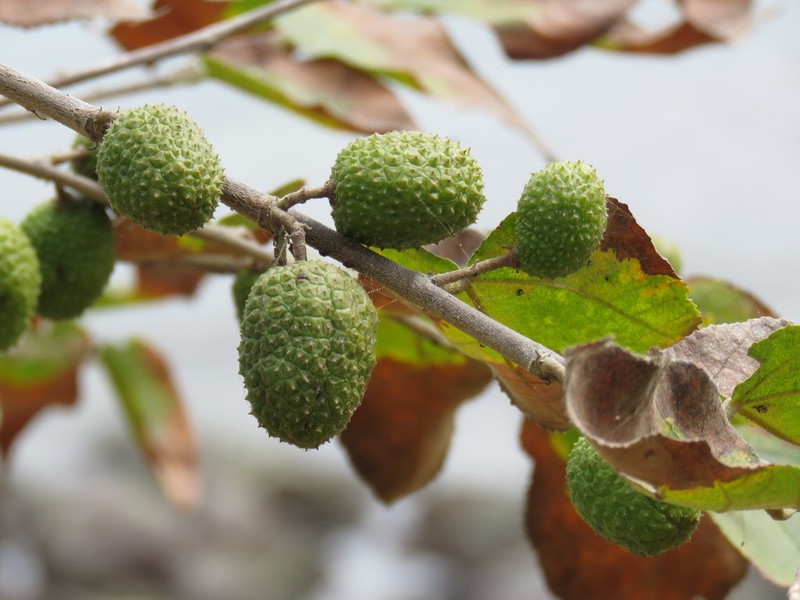
iNaturalist: © emmguevara (iNaturalist #21391961)
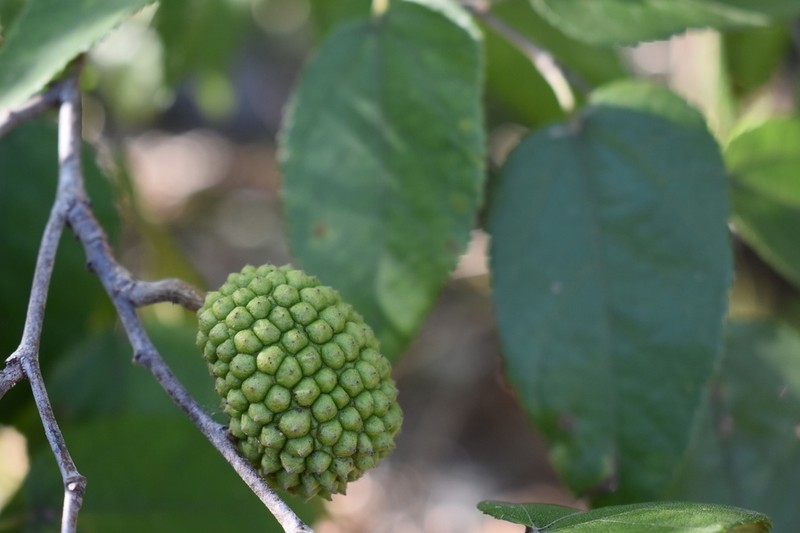
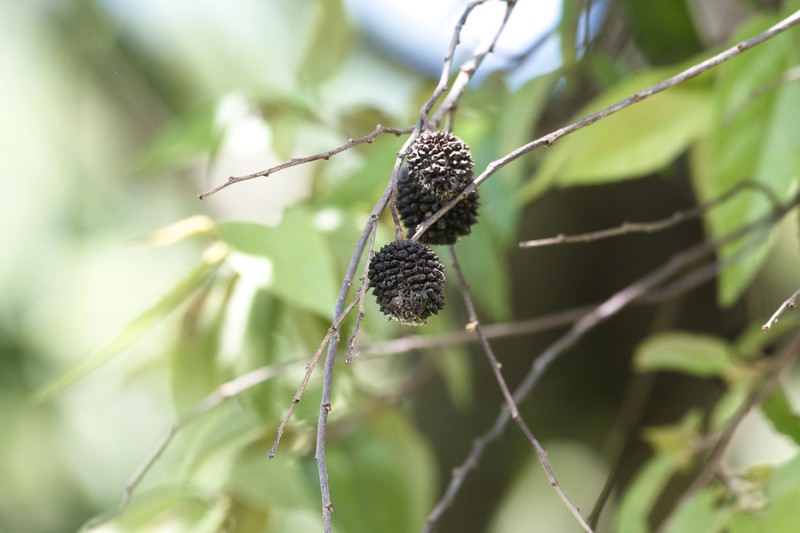
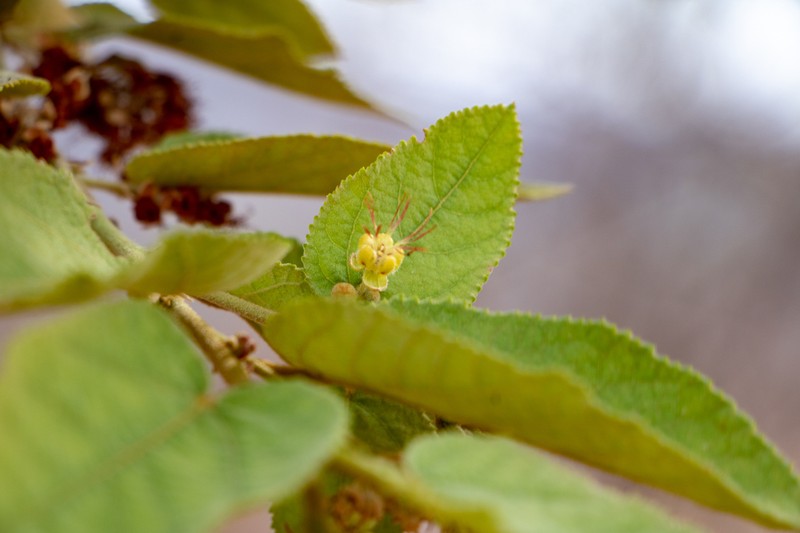
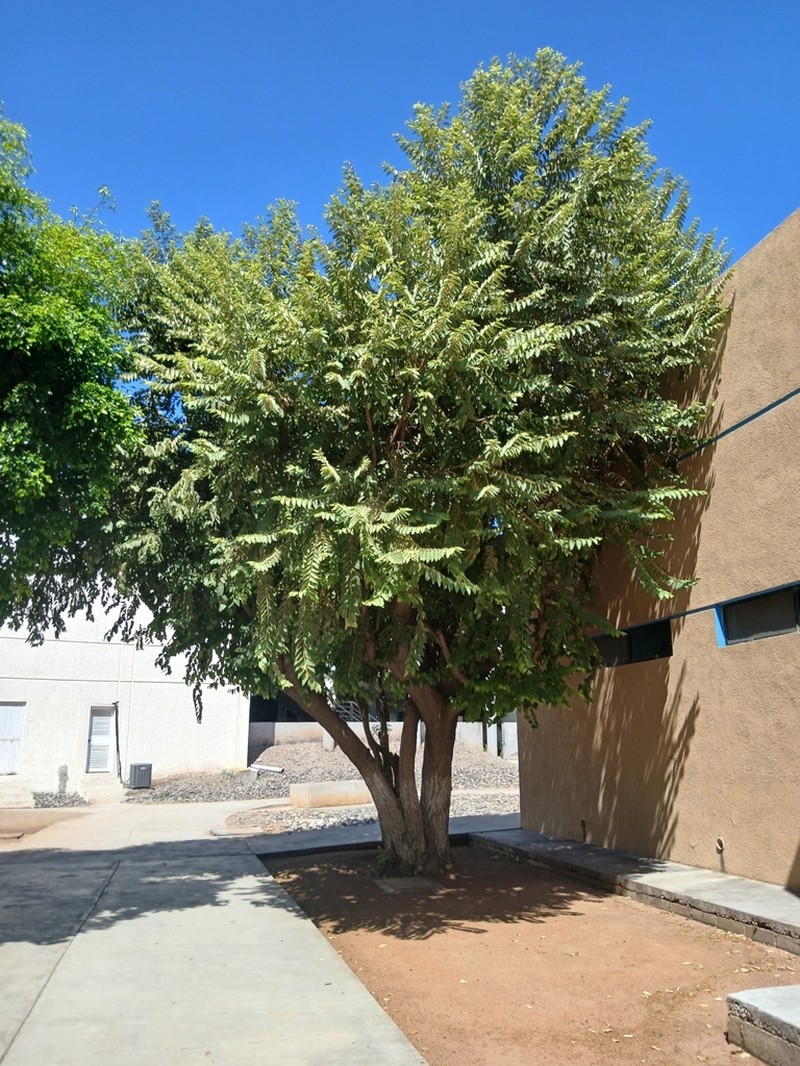
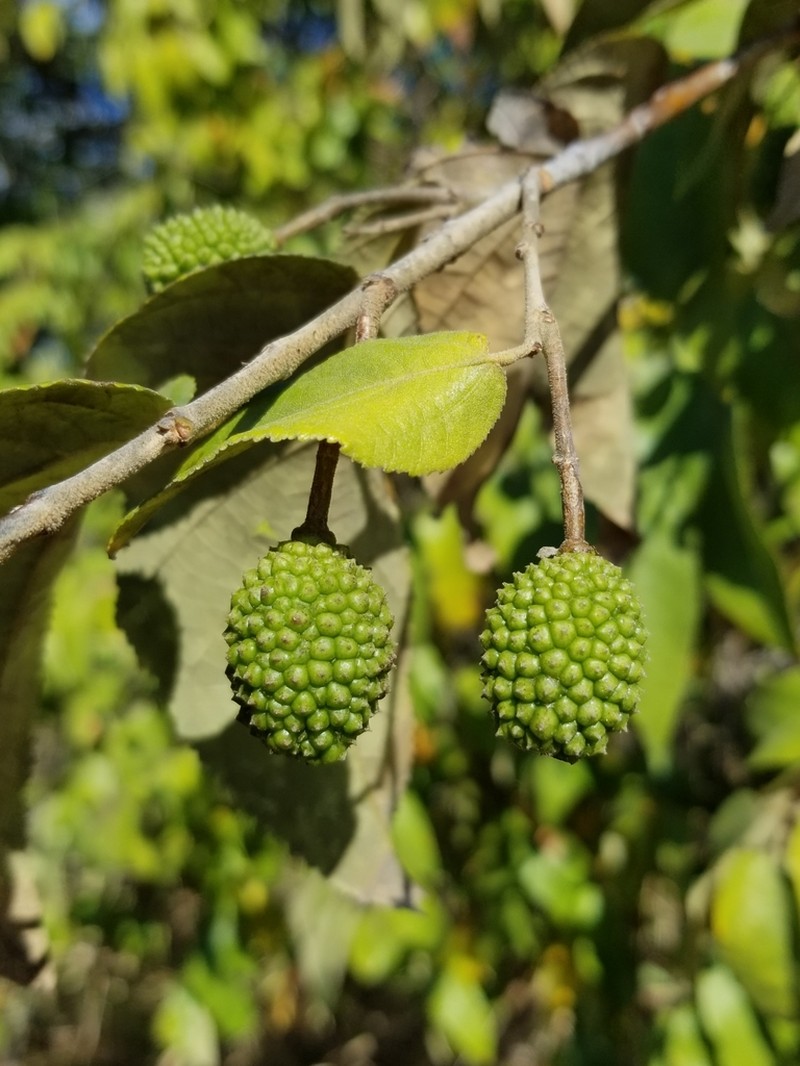
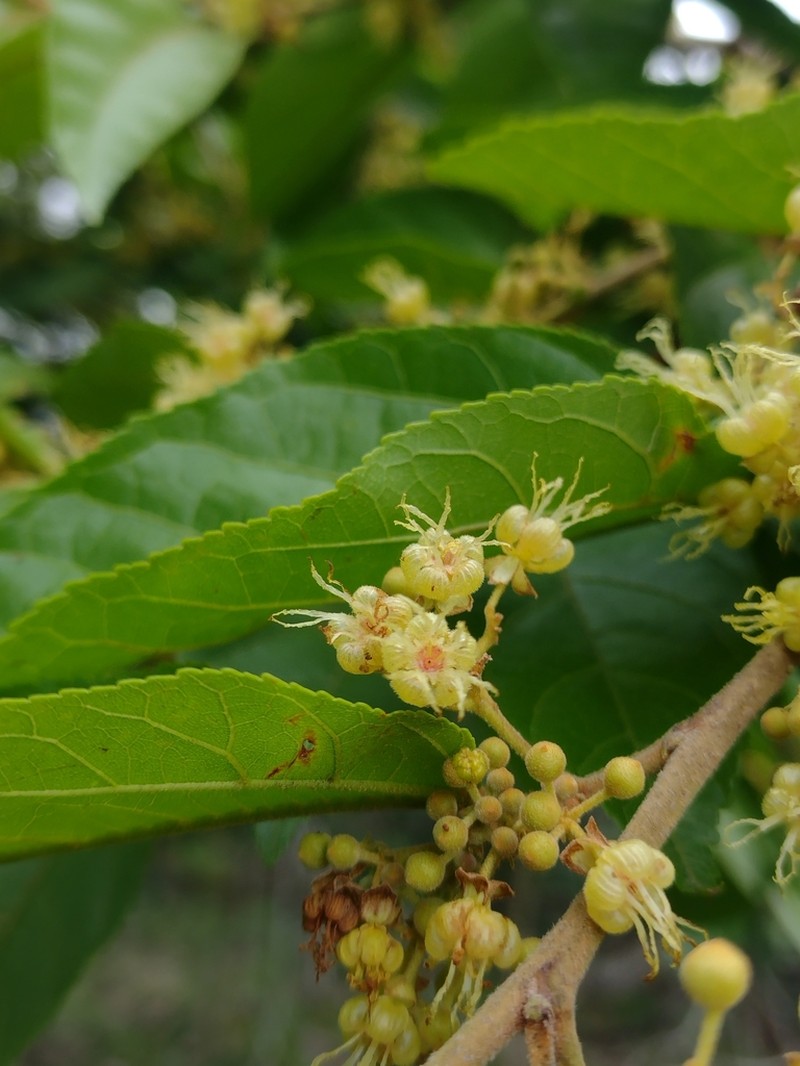
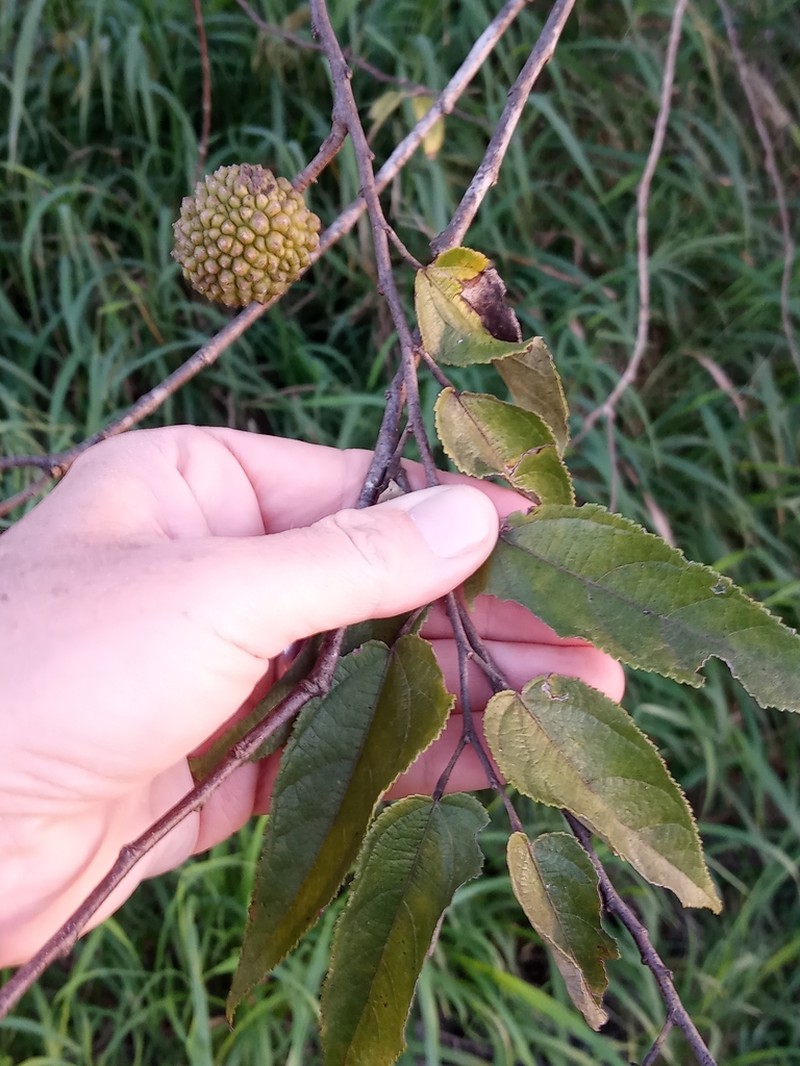
Taxonomy
- Division:
- Magnoliophyta | - Flowering plants
- Family:
- Malvaceae
- Genus:
- Guazuma
- Species:
- Guazuma ulmifolia
- USDA Symbol:
- GUUL
Growth Characteristics
- Life Cycle:
- Perennial
- Growth Habit:
- Shrub , Tree
- Height:
- 1500 cm
- Light Requirements:
- Full Sun
- Drought Tolerance:
- High
- Bloom Months:
- mar,apr,may,jun
- Bloom Colors:
- yellow
Wildlife Benefits
- Butterflies & Moths:
- ★★★★★ Documented Lepidoptera association (GBIF)
- Caterpillars:
- ★☆☆☆☆ Recorded caterpillar host plant (HOSTS Database)
Host Plant for Caterpillars
rice moth (Corcyra cephalonica), stored nut moth (Paralipsa gularis)
Garden & Ecology Notes
- Wildlife Value:
- birds, mammals
- Salt Tolerant:
- Yes
Soil Requirements
- Soil Type:
- fertile, well-drained loamy soil
- pH:
- 5.5 - 7.5 (slightly acidic to neutral)
- Drainage:
- tolerates poor drainage
- Moisture:
- dry to moderate
- Notes:
- prefers disturbed areas and secondary forests
Propagation & Germination
- Scarification:
- Seed coat scarification required before sowing
- Germination Time:
- 7–30 days
- Notes:
- Seeds benefit from mechanical scarification or hot water treatment to break dormancy.
Pre-treatment: Seeds are dipped in boiling water for 30 seconds, then cooled off under cold flowing water. The gel that forms around the seeds should be removed by rubbing the seeds between paper towels.
Establishment: Fruits for seed collection were harvested from trees in St. Croix. Fruiting is variable throughout the year with distinct peaks in production. The plant is sun-loving and does poorly in the greenhouse, becoming weak and chlorotic if shaded for too long.
Source: npn.rngr.net