
Brown Indianhemp
Hibiscus cannabinus
- Native to:
- Angola, Benin, Botswana, Burkina, Burundi, Cameroon, Central African Republic, Chad, Congo, DR Congo, Eritrea, Eswatini, Ethiopia, Gambia, Ghana, Guinea, Guinea-Bissau, Ivory Coast, Kenya, Malawi, Mali, Mauritania, Mozambique, Namibia, Niger, Nigeria, Puerto Rico, Rwanda, Senegal, Sierra Leone, Somalia, South Africa, Sudan-South Sudan, Tanzania, Togo, Uganda, Yemen, Zambia, Zimbabwe
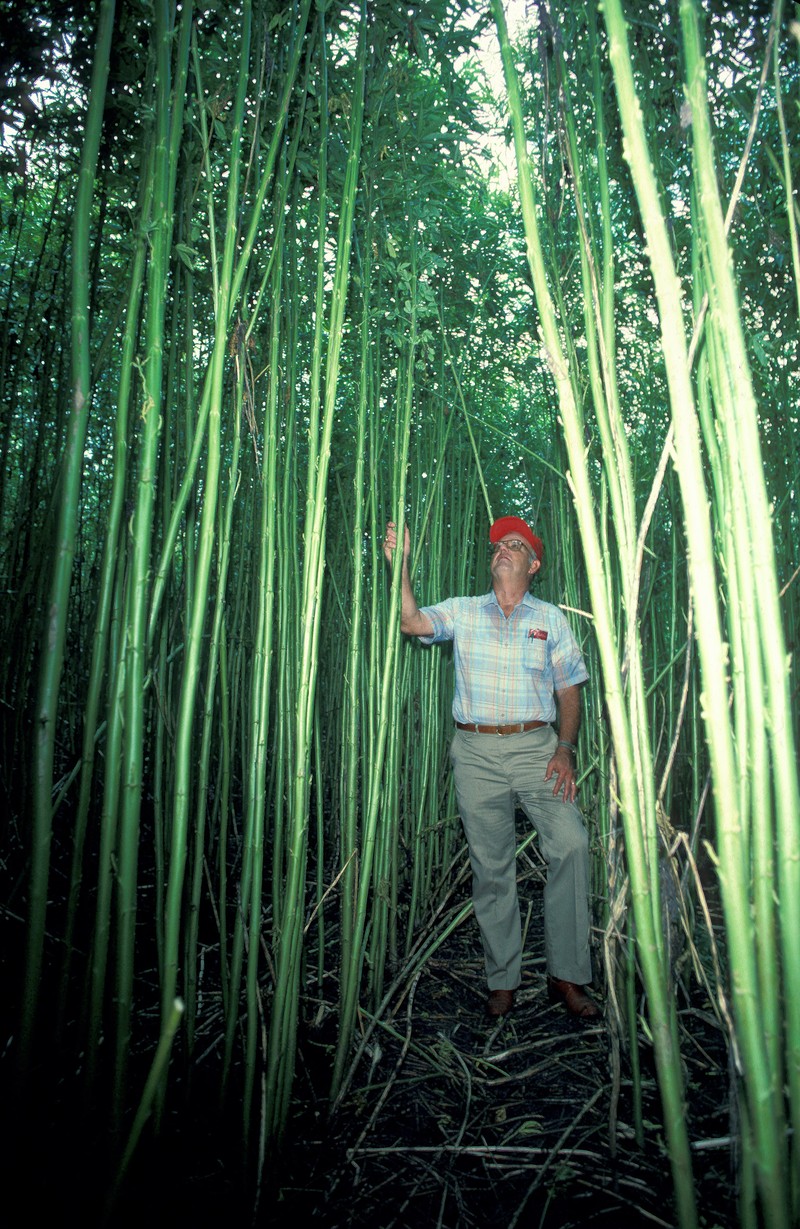
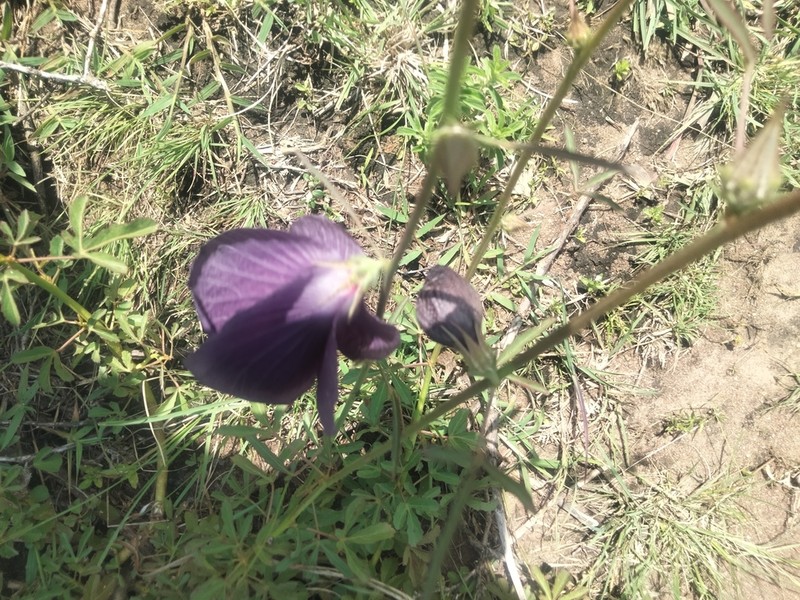
iNaturalist: © francesmurrayhudson (iNaturalist #265818717)
Taxonomy
- Division:
- Magnoliophyta | - Flowering plants
- Family:
- Malvaceae
- Genus:
- Hibiscus
- Species:
- Hibiscus cannabinus
- USDA Symbol:
- HICA5
Growth Characteristics
- Life Cycle:
- Annual
- Growth Habit:
- Forb/herb
- Height:
- 400 cm
- Light Requirements:
- Full Sun
- Drought Tolerance:
- Medium
- Bloom Months:
- jul,aug,sep
- Bloom Colors:
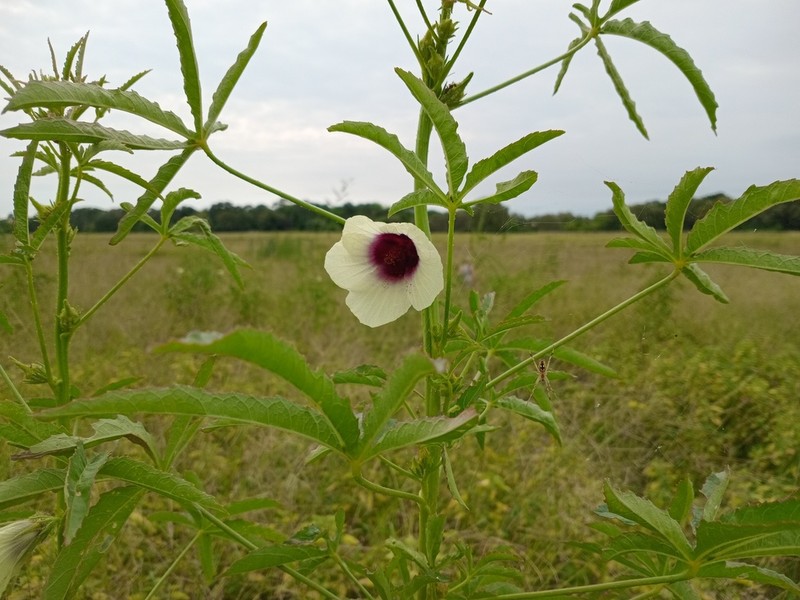
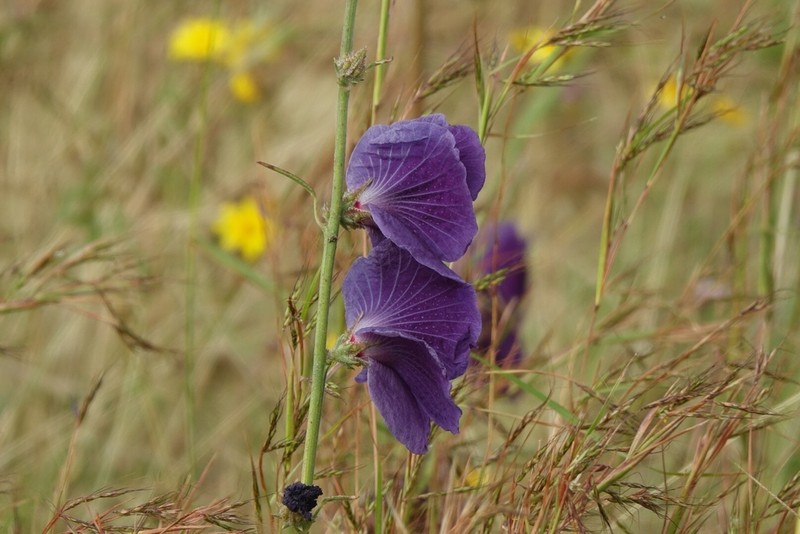
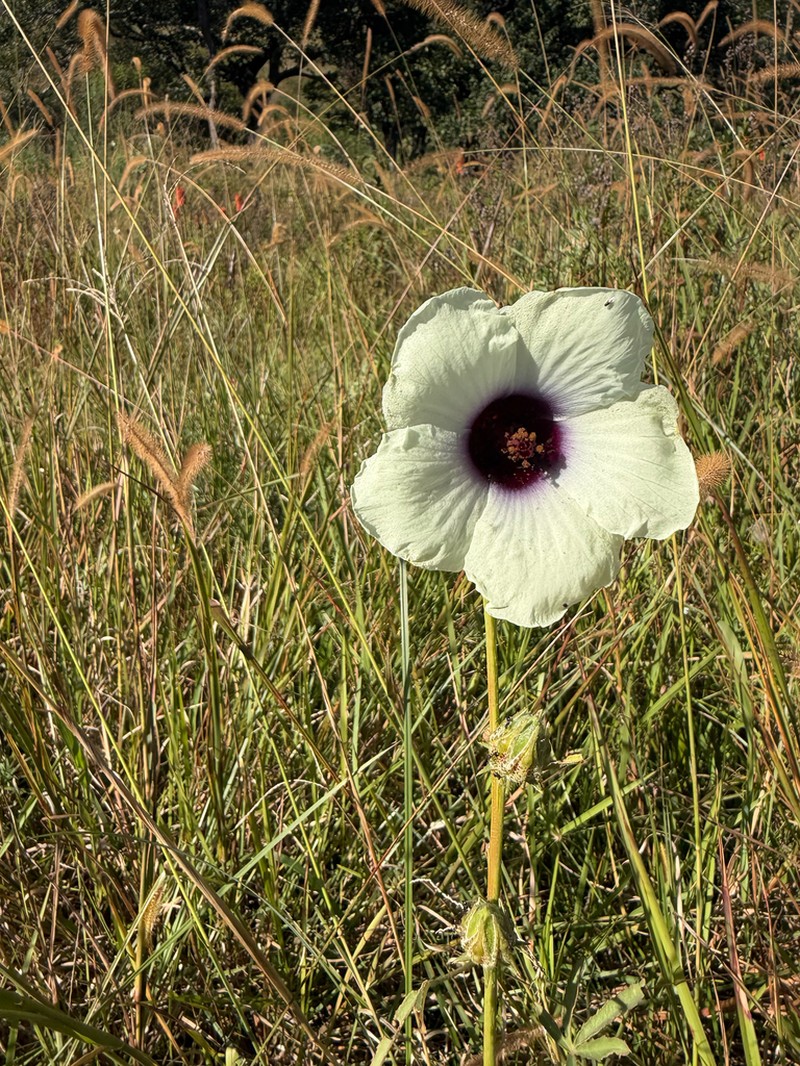
- yellow, white, purple
Wildlife Benefits
- Butterflies & Moths:
- ★☆☆☆☆ Documented Lepidoptera association (GBIF)
- Caterpillars:
- ★☆☆☆☆ Recorded caterpillar host plant (HOSTS Database)
Keystone Species Ranking
- Caterpillar Keystone:
- ★★★☆☆ Butterfly & moth species supported by this genus (NWF)
Host Plant for Caterpillars
Yellow scallop moth (Anomis erosa)
Garden & Ecology Notes
- Wildlife Value:
- birds, butterflies
Soil Requirements
- Soil Type:
- fertile, well-drained loamy soil
- pH:
- 6.0 - 7.5 (slightly acidic to neutral)
- Drainage:
- good drainage required
- Moisture:
- consistently moist
- Notes:
- Prefers alluvial soils in native habitat
Propagation & Germination
- Germination Time:
- 5–14 days
- Notes:
- Seeds germinate readily without pretreatment in warm soil (20-30°C).
ORGHPS Germination Guide: Sow @ 20°C. Seed germinates within 3 months Requires scarification. Nick or rub between sheets of sandpaper. * http://www.kew.org/science-research-data/kew-in-depth/difficult-seeds/species-profiles/hibiscus-cannabinus/index.htm
Where to Buy
Nationwide Seller
- Sheffield's Seed (seeds)