
Swamp Rosemallow
Hibiscus grandiflorus
- Native to:
- Cuba, United States
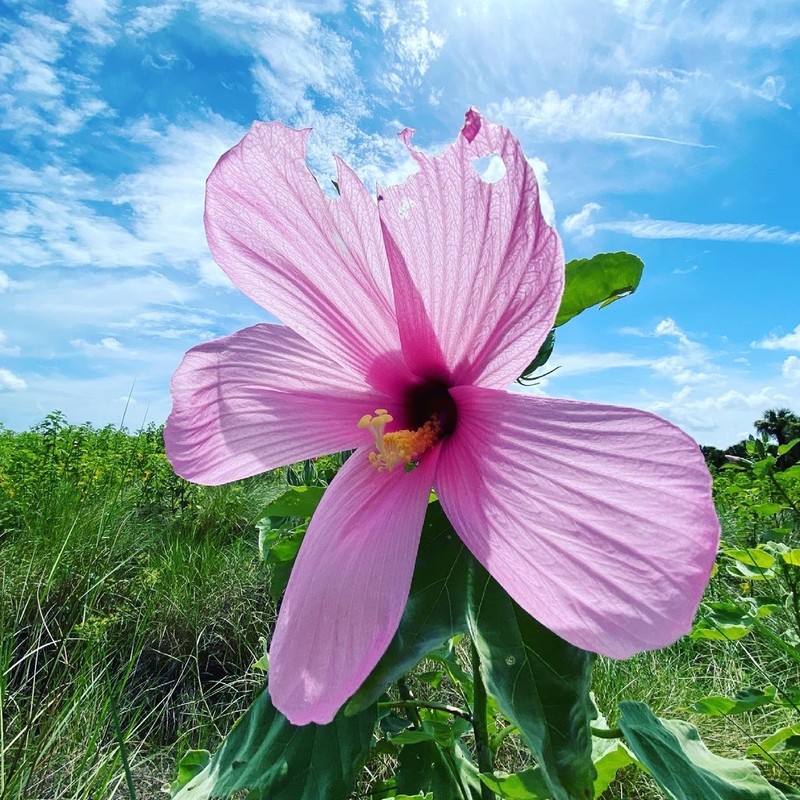
iNaturalist: © mrbryanames (iNaturalist #86287738)
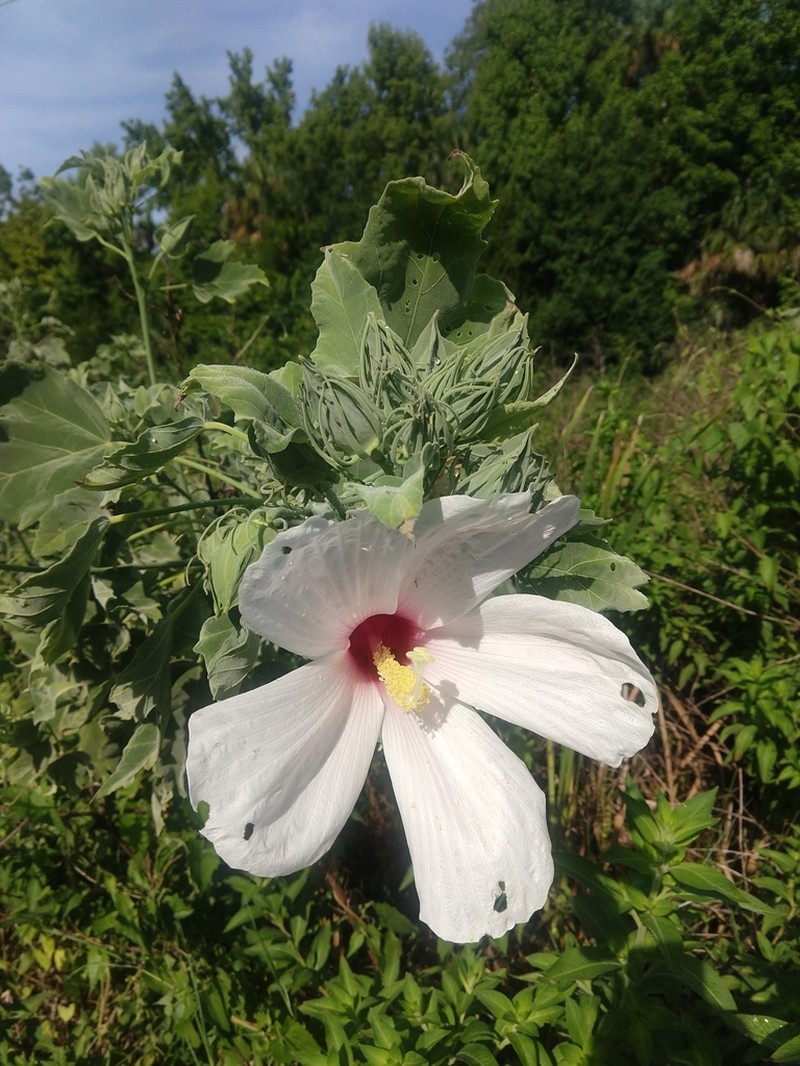
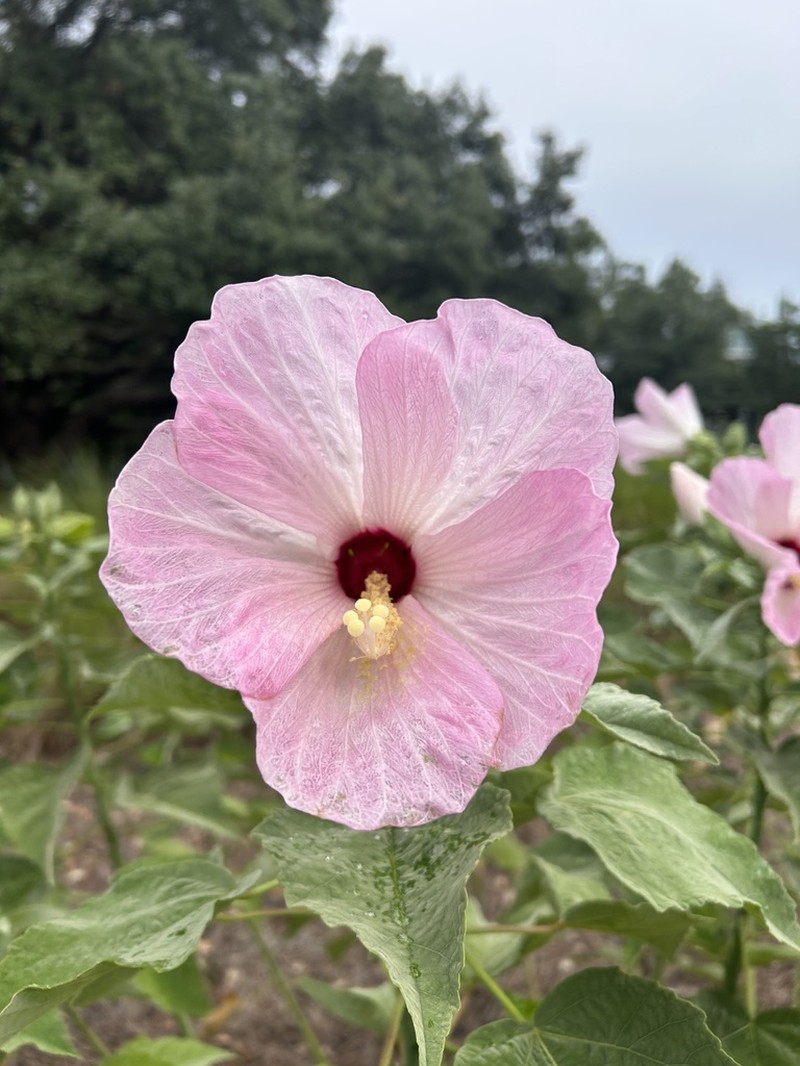
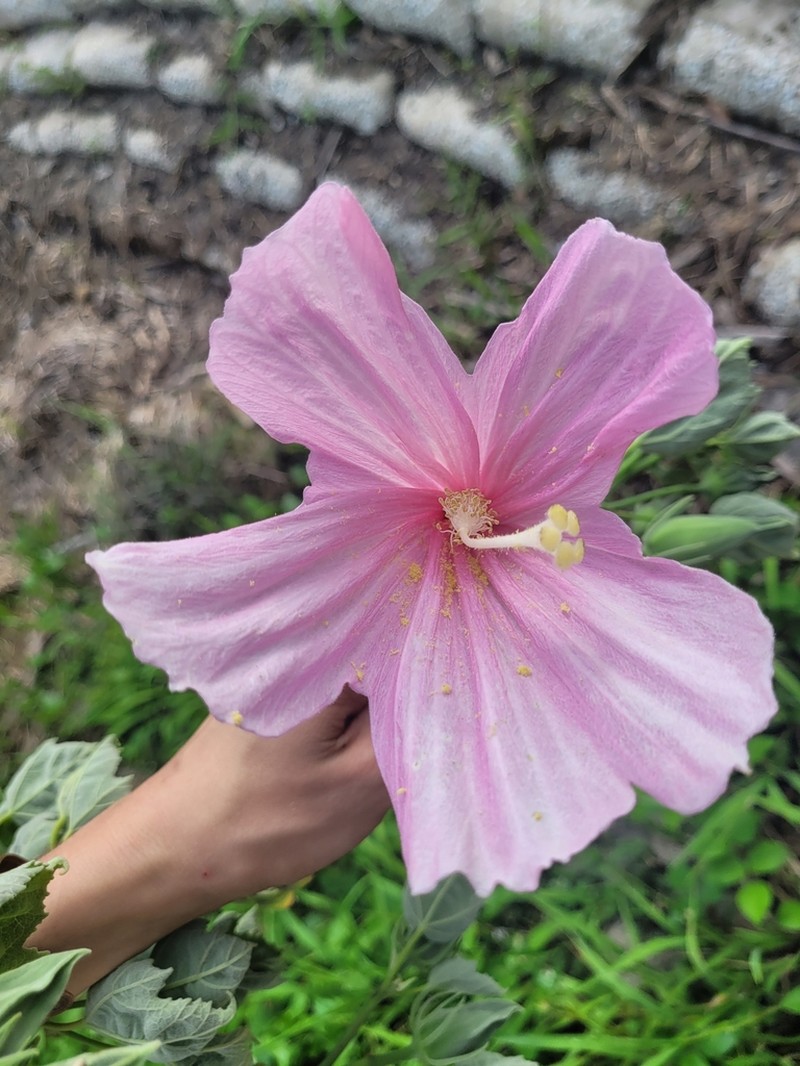
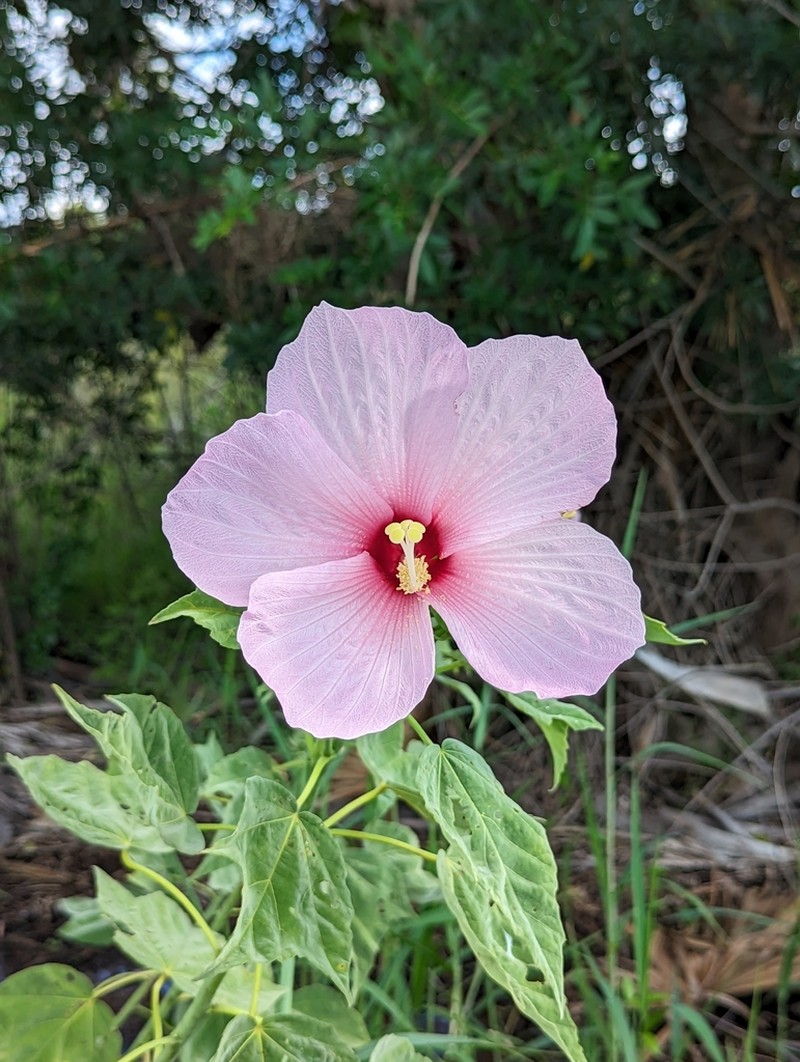
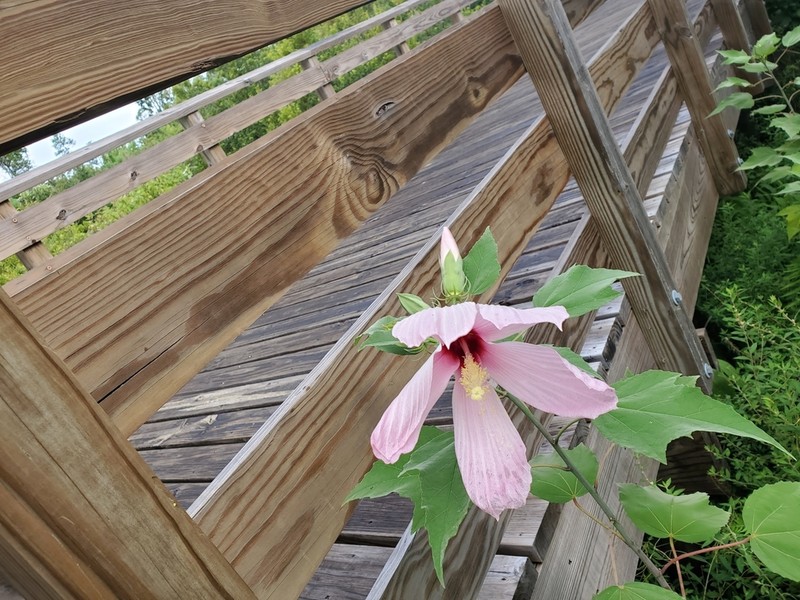
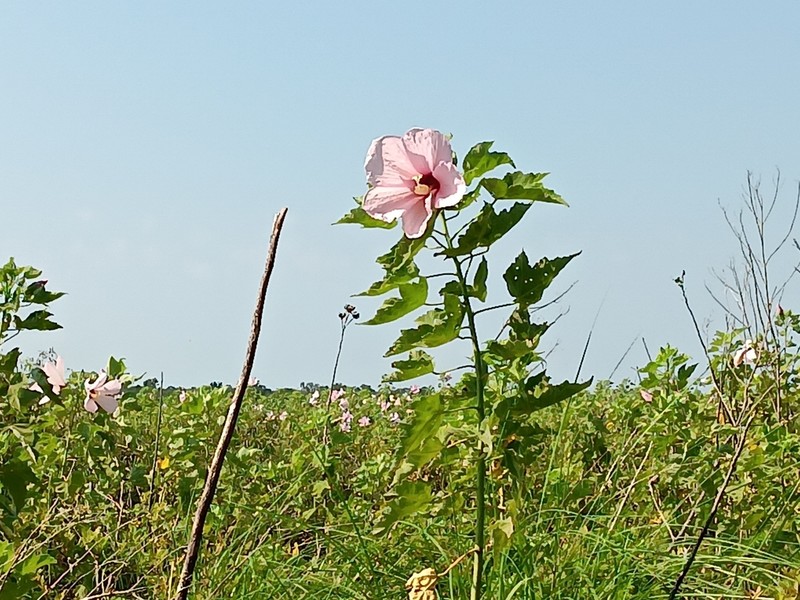
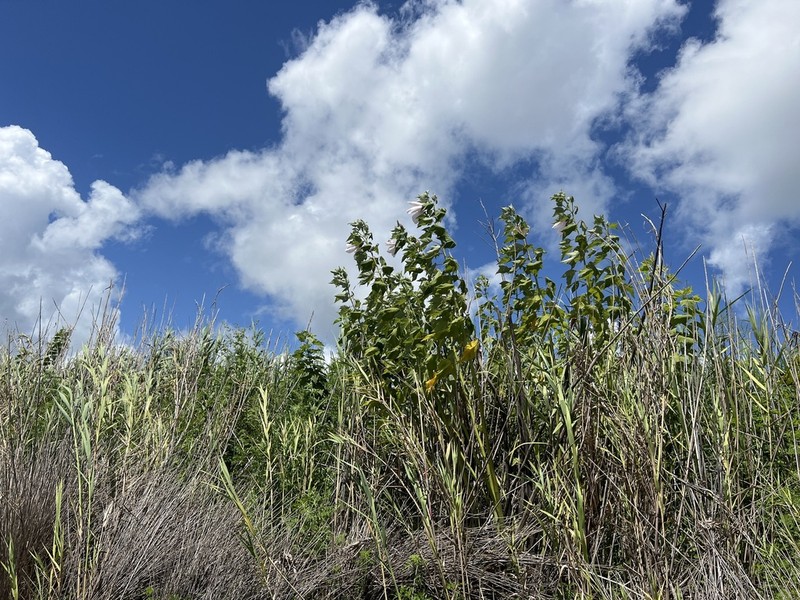
Taxonomy
- Division:
- Magnoliophyta | - Flowering plants
- Family:
- Malvaceae
- Genus:
- Hibiscus
- Species:
- Hibiscus grandiflorus
- USDA Symbol:
- HIGR4
Growth Characteristics
- Life Cycle:
- Perennial
- Growth Habit:
- Shrub , Subshrub
- Height:
- 300 cm
- Light Requirements:
- Part Shade
- Drought Tolerance:
- Low
- Bloom Months:
- jun,jul,aug,sep
- Bloom Colors:
- pink, white
Wildlife Benefits
- Bees:
- ★☆☆☆☆ Documented bee visitation (GBIF)
- Butterflies & Moths:
- ★☆☆☆☆ Documented Lepidoptera association (GBIF)
Keystone Species Ranking
- Caterpillar Keystone:
- ★★★☆☆ Butterfly & moth species supported by this genus (NWF)
Garden & Ecology Notes
- Wildlife Value:
- birds, butterflies, bees
Soil Requirements
- Soil Type:
- moist, rich, organic soil
- pH:
- 5.5 - 7.0 (slightly acidic to neutral)
- Drainage:
- tolerates poor drainage
- Moisture:
- consistently moist
- Notes:
- Commonly found in wetland areas like marshes