
Halberdleaf Rosemallow
Hibiscus laevis
- Native to:
- Canada, United States, Virgin Islands
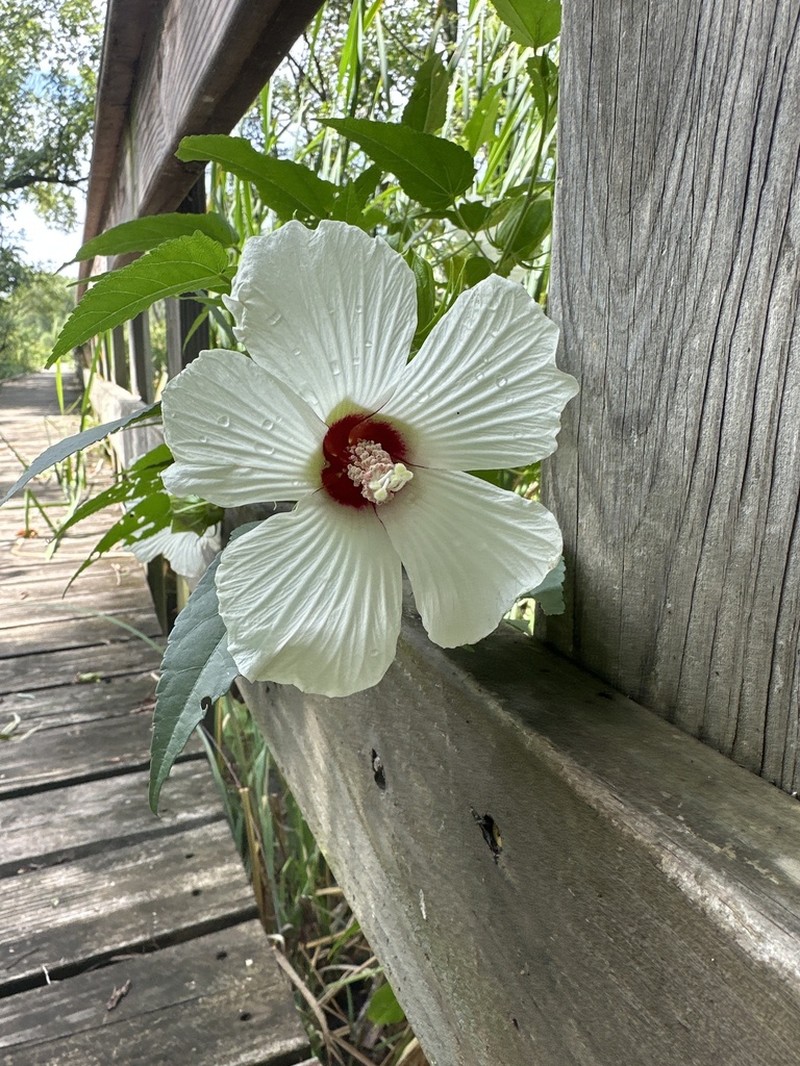
iNaturalist: © oxley_maggie (iNaturalist #177360339)
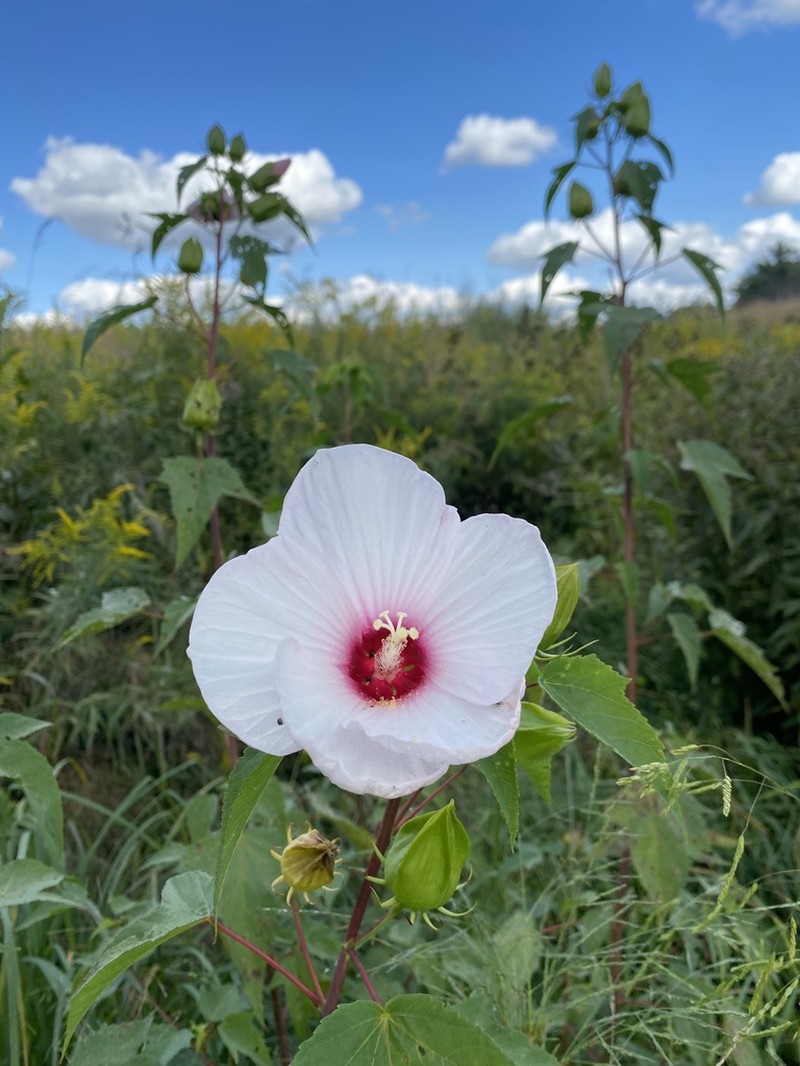
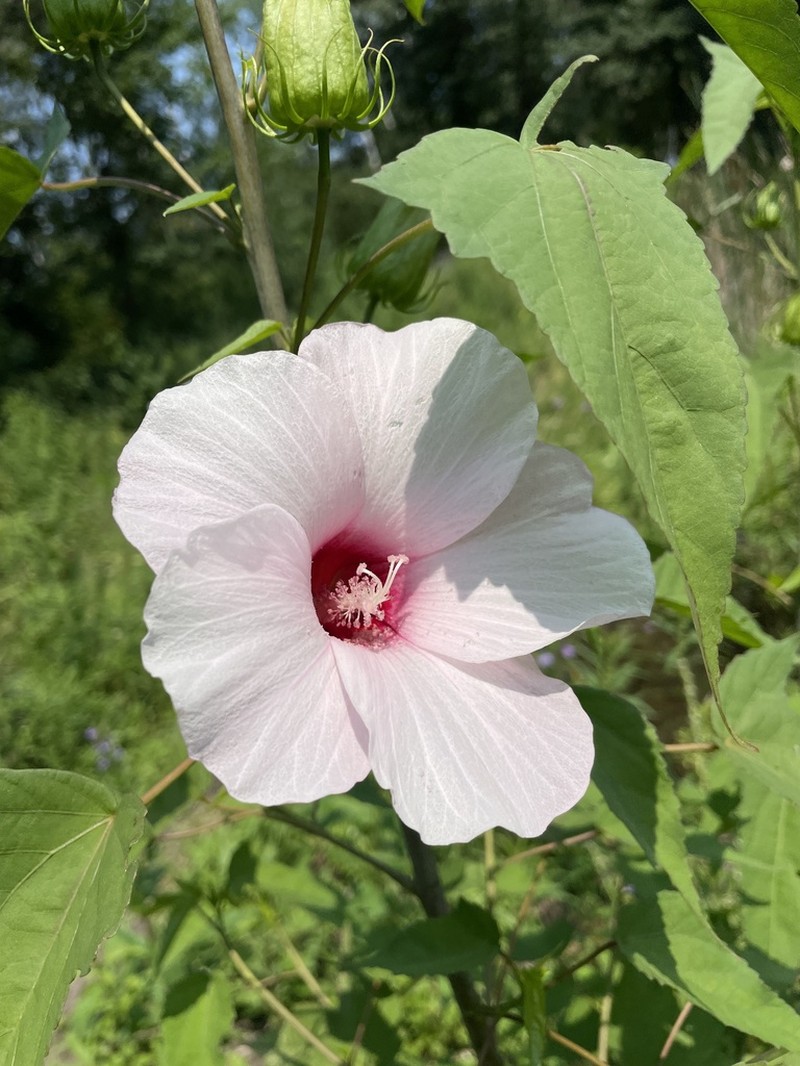
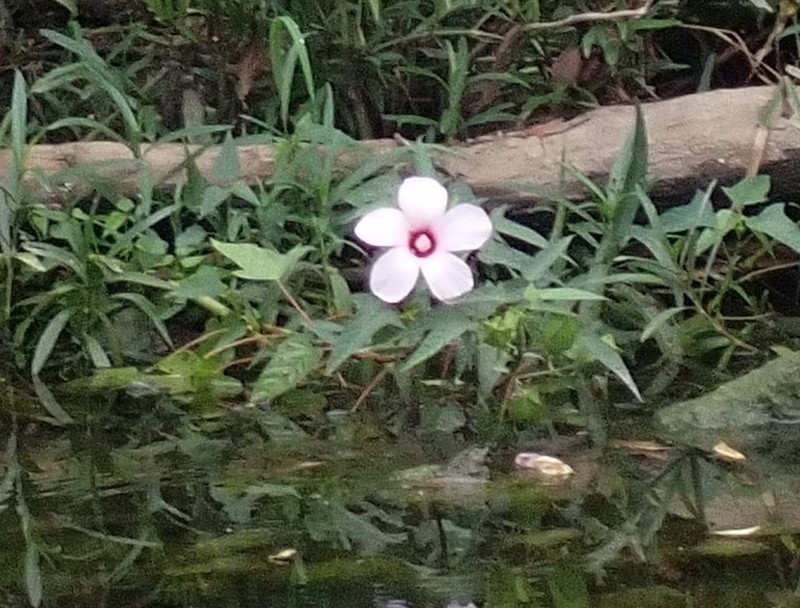
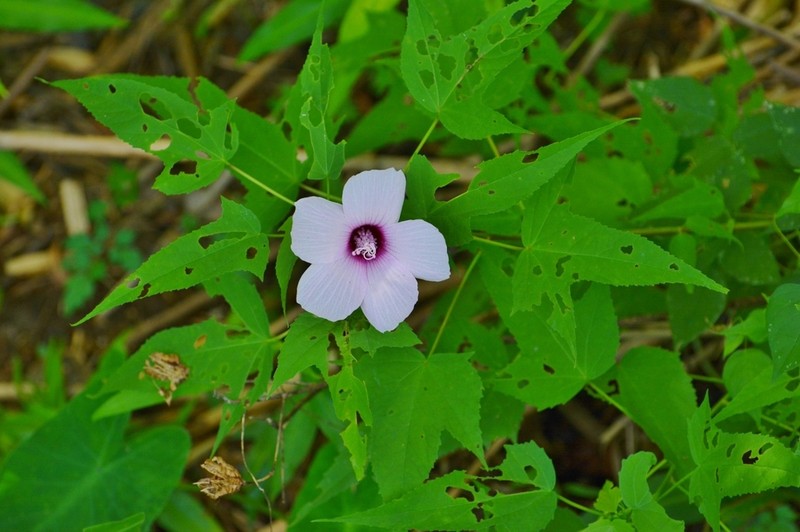
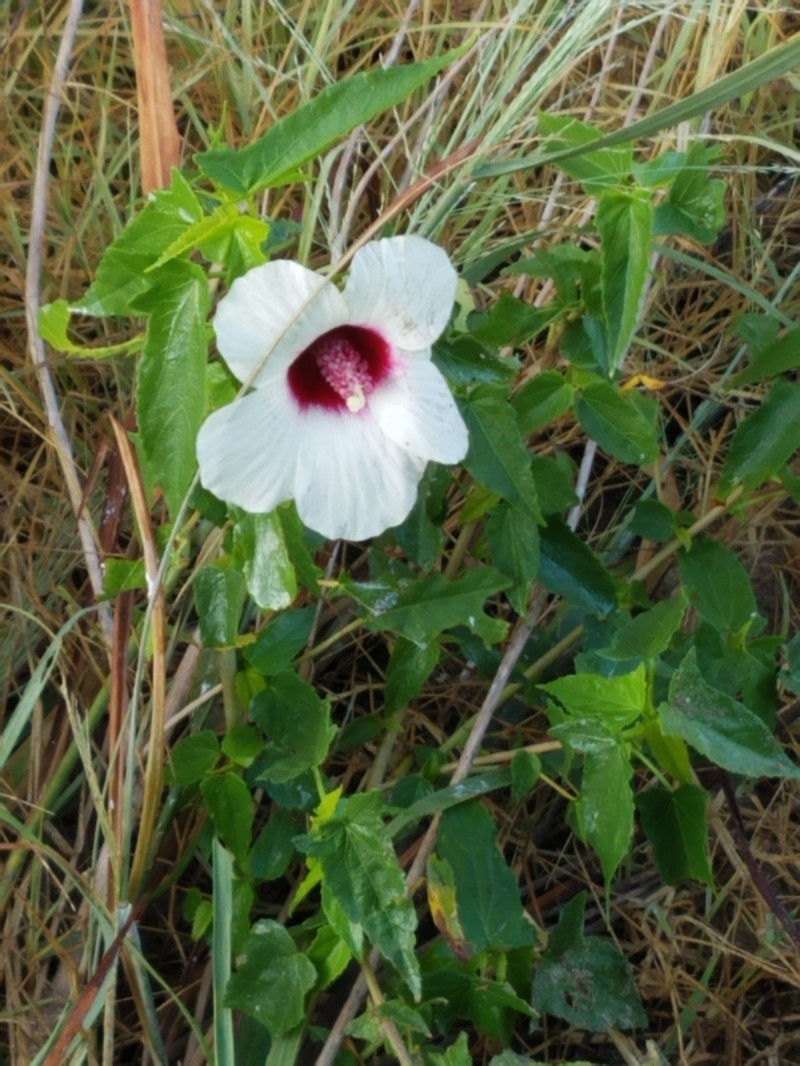
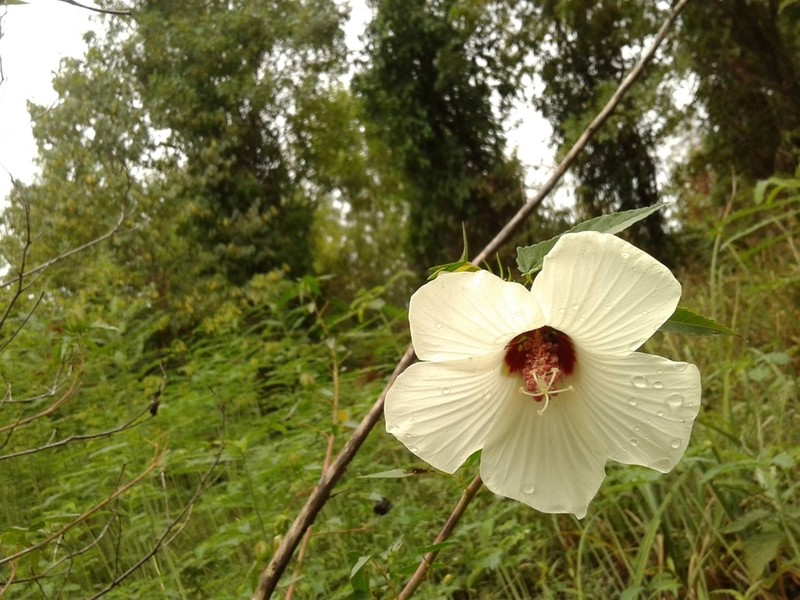
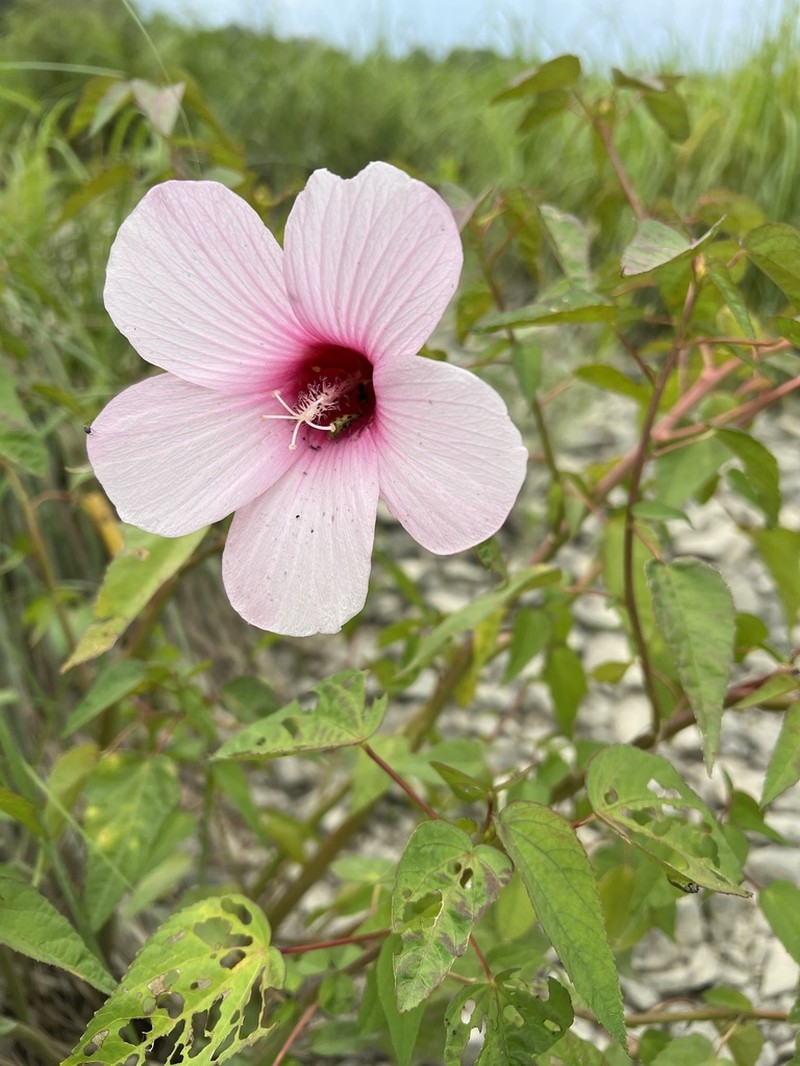
Taxonomy
- Division:
- Magnoliophyta | - Flowering plants
- Family:
- Malvaceae
- Genus:
- Hibiscus
- Species:
- Hibiscus laevis
- USDA Symbol:
- HILA2
Growth Characteristics
- Life Cycle:
- Perennial
- Growth Habit:
- Forb/herb
- Height:
- 244 cm
- Light Requirements:
- Full Sun,Part Shade
- Drought Tolerance:
- Low
- Bloom Months:
- jun,jul,aug,sep
- Bloom Colors:
- white, pink, red
Wildlife Benefits
- Bees:
- ★★☆☆☆ Documented bee visitation (GBIF)
- Butterflies & Moths:
- ★☆☆☆☆ Documented Lepidoptera association (GBIF)
- Caterpillars:
- ★☆☆☆☆ Recorded caterpillar host plant (HOSTS Database)
Keystone Species Ranking
- Caterpillar Keystone:
- ★★★☆☆ Butterfly & moth species supported by this genus (NWF)
Host Plant for Caterpillars
Chionodes hibiscella, corn earworm (Helicoverpa zea), cotton tipworm (Crocidosema plebejana)
Reported Fauna Sightings
Bees: American bumble (Bombus pensylvanicus), Ptilothrix bombiformis
Garden & Ecology Notes
- Wildlife Value:
- birds, butterflies, hummingbirds
Soil Requirements
- Soil Type:
- rich, moist, well-drained loamy soil
- pH:
- 5.5 - 7.0 (slightly acidic to neutral)
- Drainage:
- tolerates poor drainage
- Moisture:
- consistently moist
- Notes:
- commonly found in wetlands and riverbanks
Propagation & Germination
- Stratification:
- Cold/moist stratification required — 30–60 days
- Scarification:
- Seed coat scarification required before sowing
- Germination Time:
- 14–30 days
- Notes:
- Scarify seed coat (nick or sand) then cold stratify for 30-60 days; sow in warm soil.
Pre-treatment: Single-step cold-moist stratification for temperate woodland species. for 60–120 days
Source: Claude AI
Where to Buy
Nationwide Seller
- Pizzo Native Plant Nursery (wholesale nursery)
- Prairie Moon Nursery (nursery and seeds)
- Sheffield's Seed (seeds)