
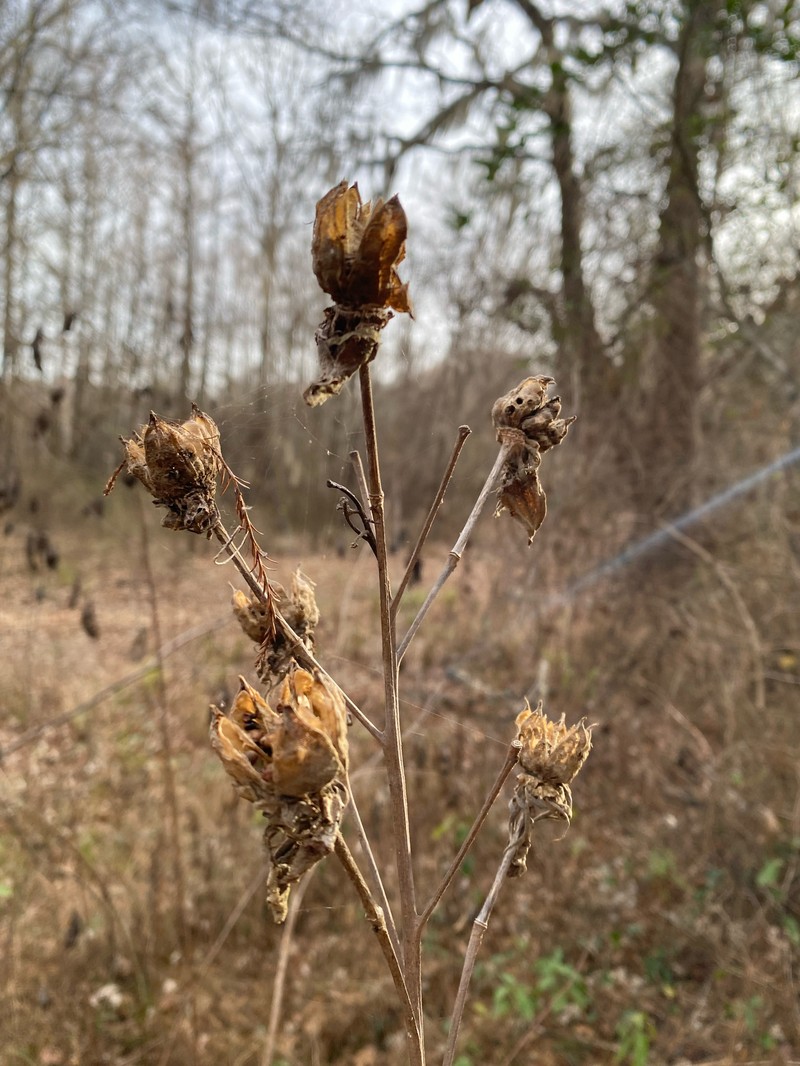
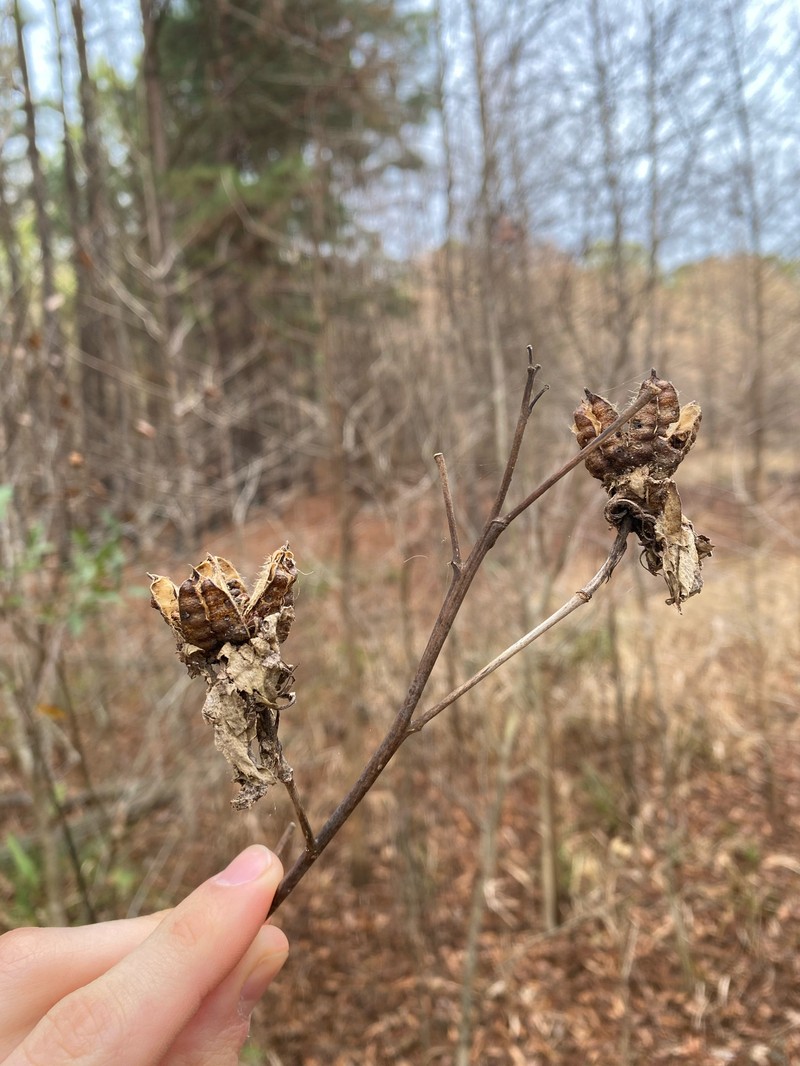
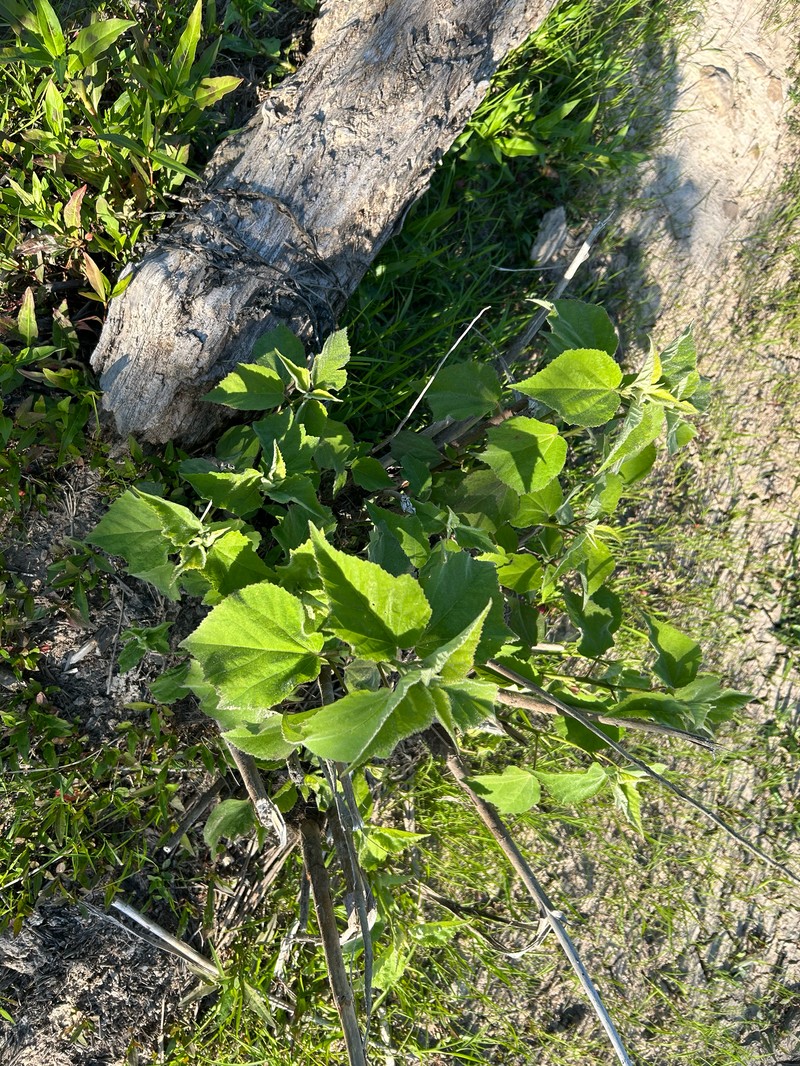
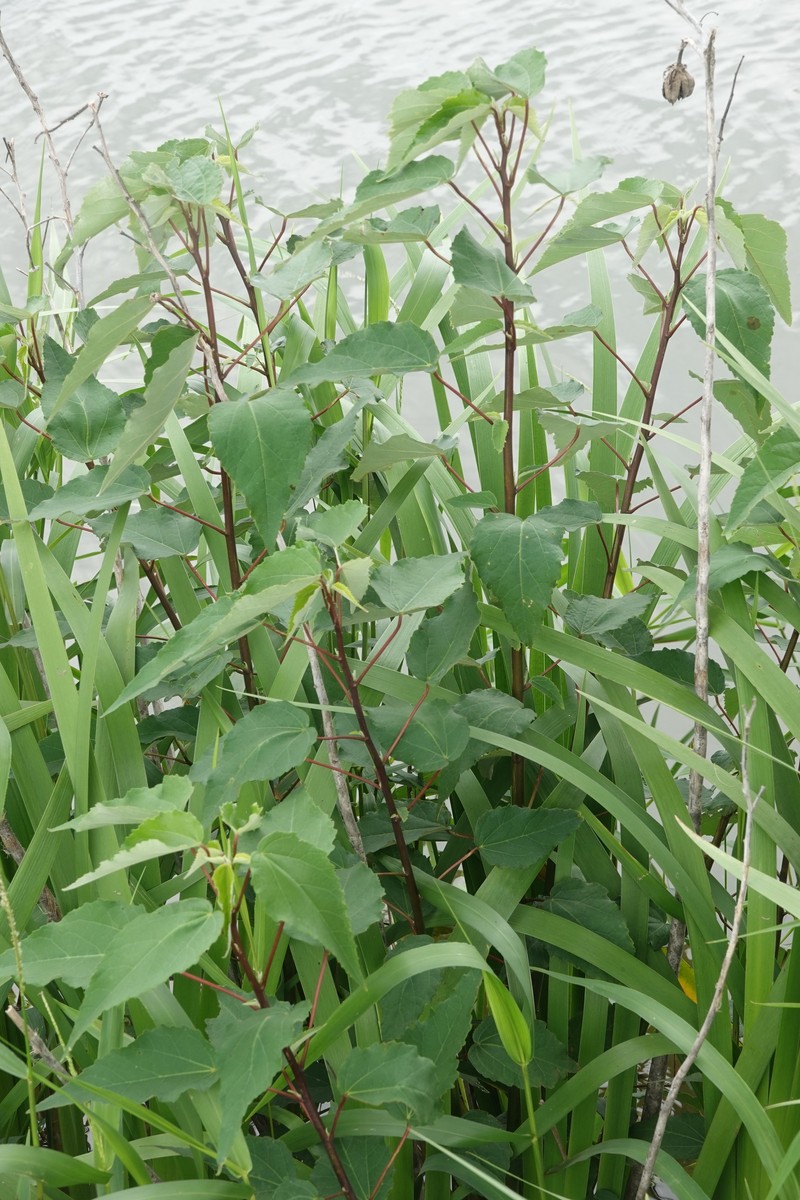
Rosemallow
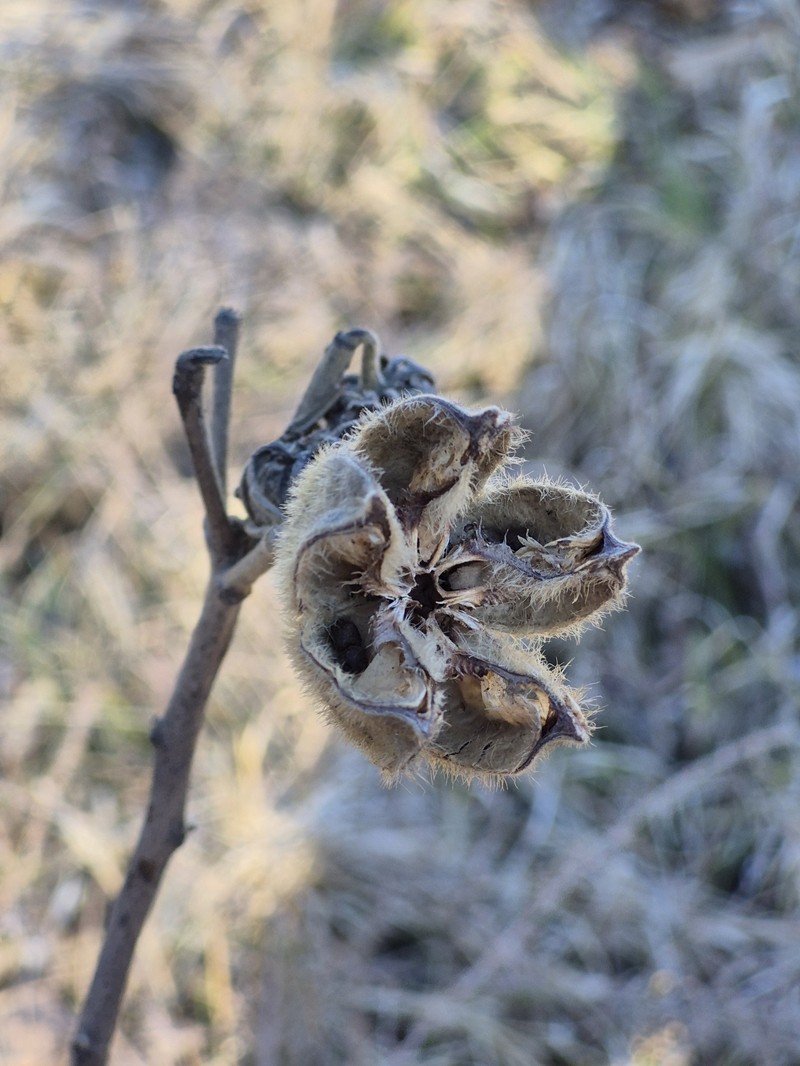
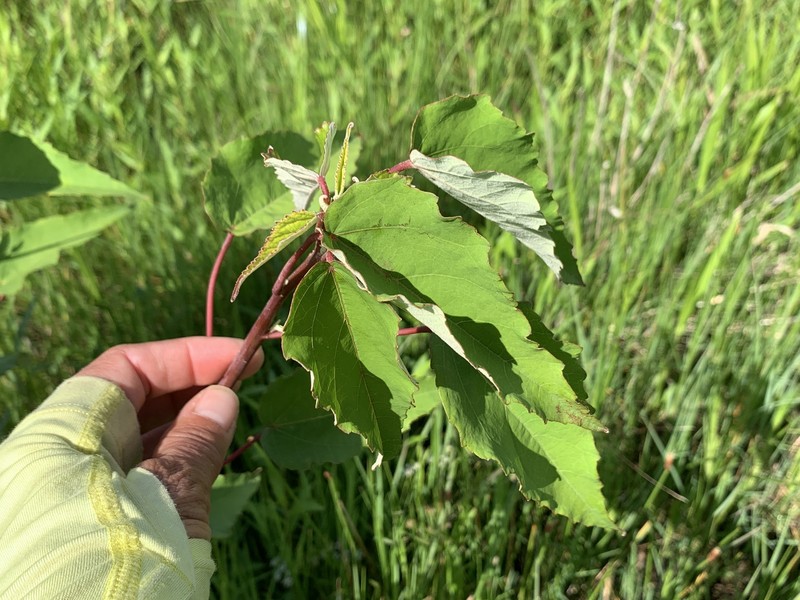
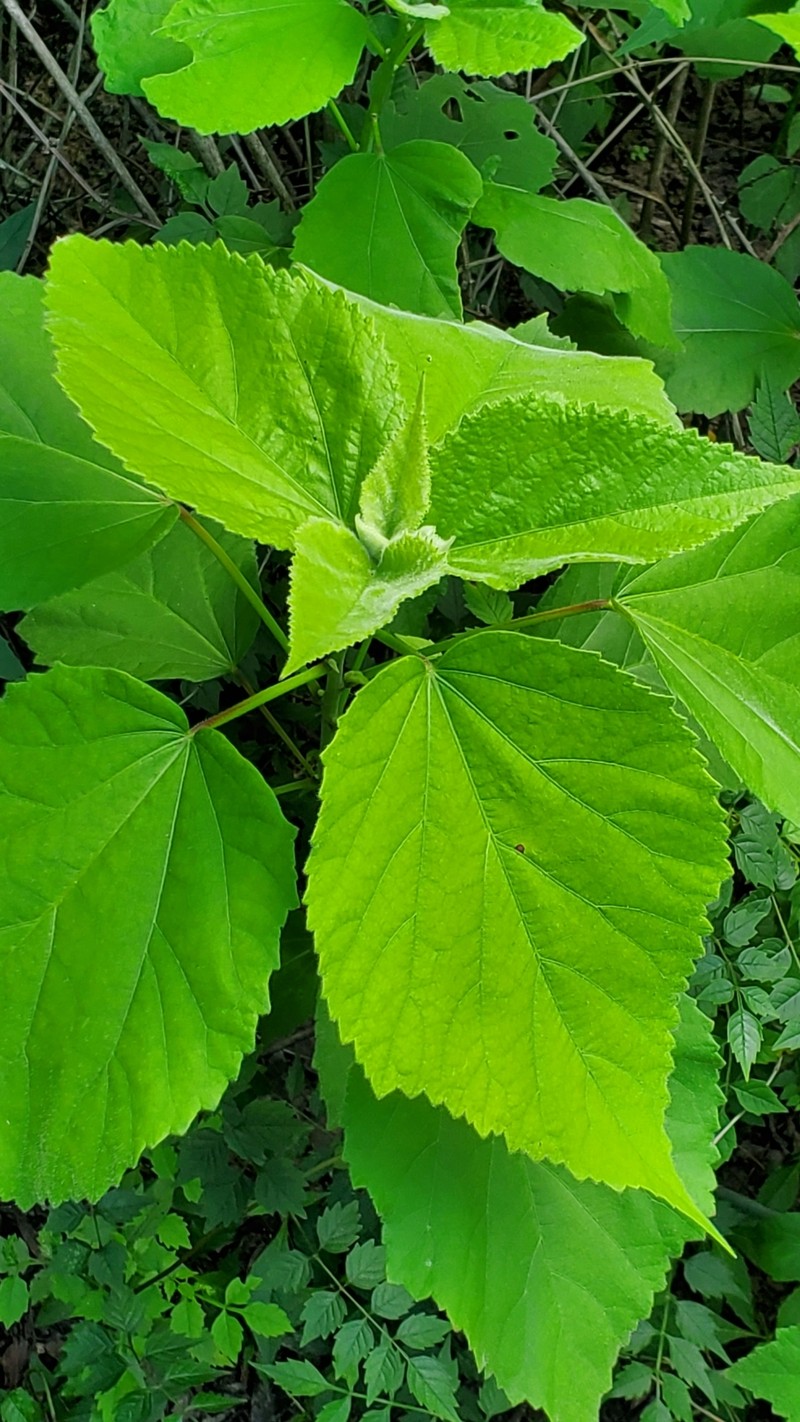
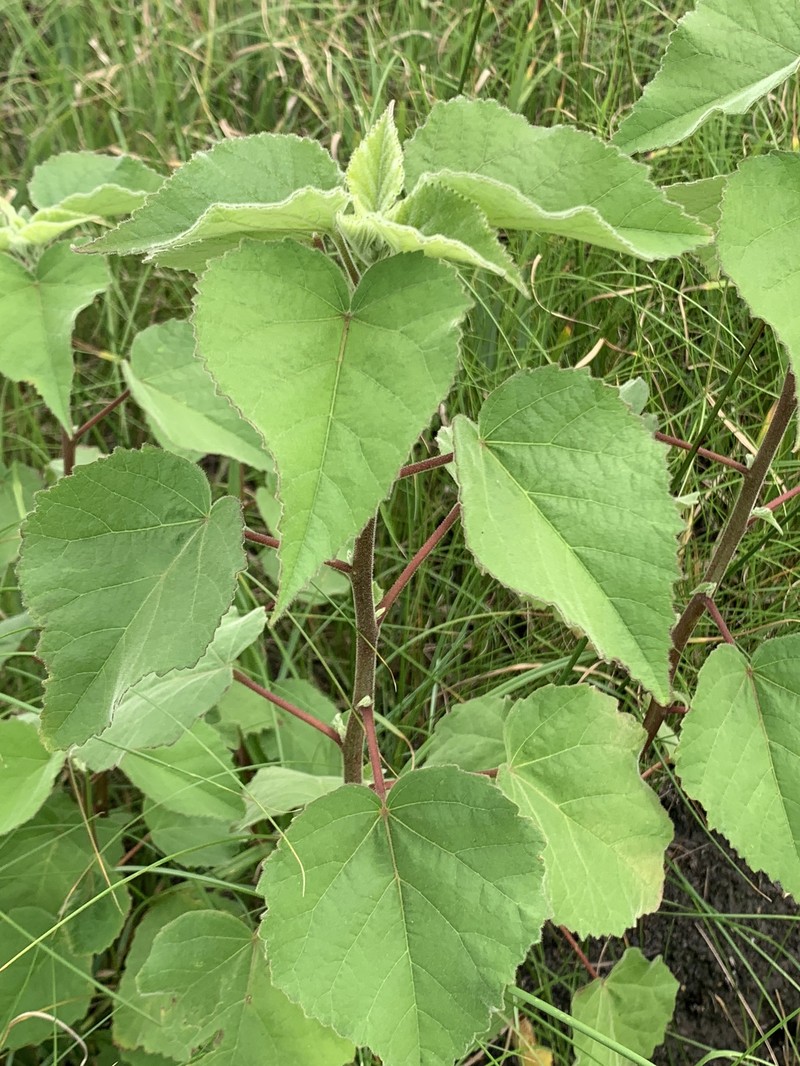
Hibiscus moscheutos subsp. lasiocarpos
- Native to:
- Mexico, United States
GBIF: Thomas Dean
Taxonomy
- Division:
- Magnoliophyta | - Flowering plants
- Family:
- Malvaceae
- Genus:
- Hibiscus
- Species:
- Hibiscus moscheutos subsp. lasiocarpos
- USDA Symbol:
- HILA6
Growth Characteristics
- Life Cycle:
- Annual | Perennial
- Growth Habit:
- Forb/herb , Subshrub
- Height:
- 200 cm
- Light Requirements:
- Full Sun
- Drought Tolerance:
- Low
- Bloom Months:
- jul,aug,sep
- Bloom Colors:
- white, pink, red
Wildlife Benefits
- Bees:
- ★☆☆☆☆ Documented bee visitation (GBIF)
- Butterflies & Moths:
- ★☆☆☆☆ Documented Lepidoptera association (GBIF)
- Caterpillars:
- ★★☆☆☆ Recorded caterpillar host plant (HOSTS Database)
Keystone Species Ranking
- Caterpillar Keystone:
- ★★★☆☆ Butterfly & moth species supported by this genus (NWF)
Host Plant for Caterpillars
Acontia delecta, Bagisara brouana, Chionodes hibiscella, corn earworm (Helicoverpa zea), Io moth (Automeris io), straight lined mallow moth (Bagisara rectifascia)
Garden & Ecology Notes
- Wildlife Value:
- bees, butterflies, hummingbirds
Soil Requirements
- Soil Type:
- rich, moisture-retentive loamy soil
- pH:
- 5.5 - 7.0 (slightly acidic to neutral)
- Drainage:
- tolerates poor drainage
- Moisture:
- consistently moist
- Notes:
- thrives in wetland areas and riverbanks
Propagation & Germination
- Stratification:
- None required
- Scarification:
- Seed coat scarification required before sowing
- Germination Time:
- 14–30 days
- Notes:
- Scarification or soaking seeds in warm water for 24 hours improves germination. Requires warm soil temperatures.
Where to Buy
Nationwide Seller
- Native Plants Nursery (nursery)
- Prairie Moon Nursery (nursery and seeds)