
Sea Hibiscus
Hibiscus tiliaceus
- Native to:
- Aldabra, American Samoa, Andaman Is., Australia, Bahamas, Bangladesh, Belize, Bismarck Archipelago, Borneo, Brazil, Cabinda, Cambodia, Cameroon, Caroline Is., Cayman Is., Central American Pacific Is., China, Christmas I., Cocos (Keeling) Is., Colombia, Comoros, Congo, Cook Is., Costa Rica, Cuba, Dominican Republic, DR Congo, Ecuador, El Salvador, Federated States of Micronesia, Fiji, French Guiana, Gabon, Gambia, Ghana, Gilbert Is., Guam, Guatemala, Guinea, Guinea-Bissau, Gulf of Guinea Is., Guyana, Hainan, Haiti, Honduras, India, Ivory Coast, Jamaica, Japan, Jawa, Kazan-retto, Kenya, Kermadec Is., Laccadive Is., Laos, Leeward Is., Lesser Sunda Is., Liberia, Malaya, Maldives, Maluku, Marianas, Marquesas, Marshall Is., Marshall Islands, Mexican Pacific Is., Mexico, Mozambique, Myanmar, Nansei-shoto, Nauru, New Caledonia, New Guinea, Nicaragua, Nicobar Is., Nigeria, Niue, Norfolk Is., Northern Mariana Islands, Ogasawara-shoto, Palau, Panamá, Philippines, Pitcairn Is., Puerto Rico, Rodrigues, Samoa, Santa Cruz
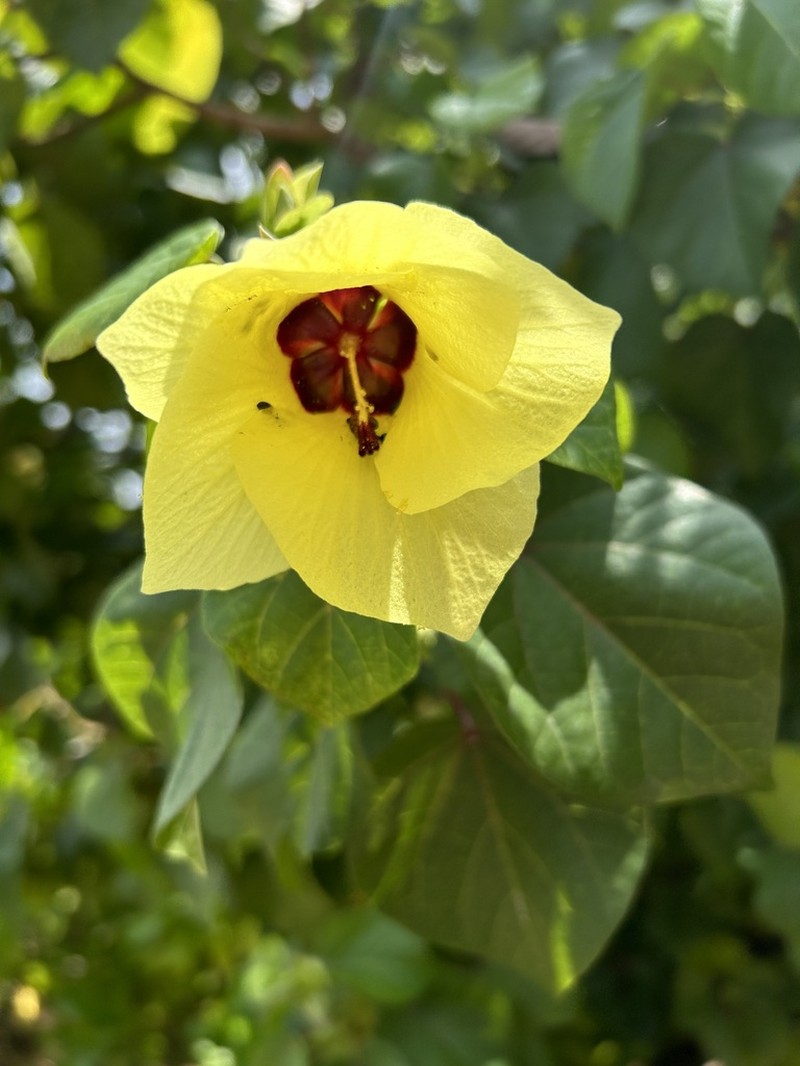
iNaturalist: © rubynature2000 (iNaturalist #191465429)
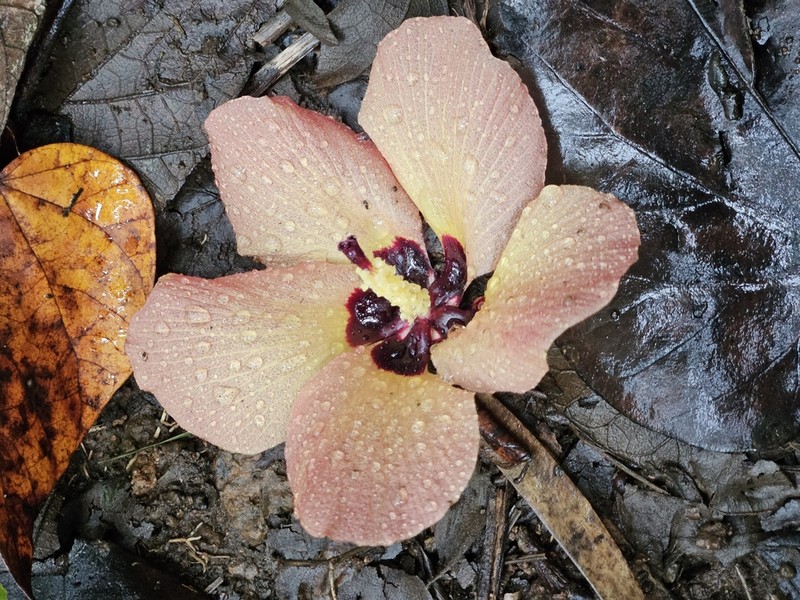
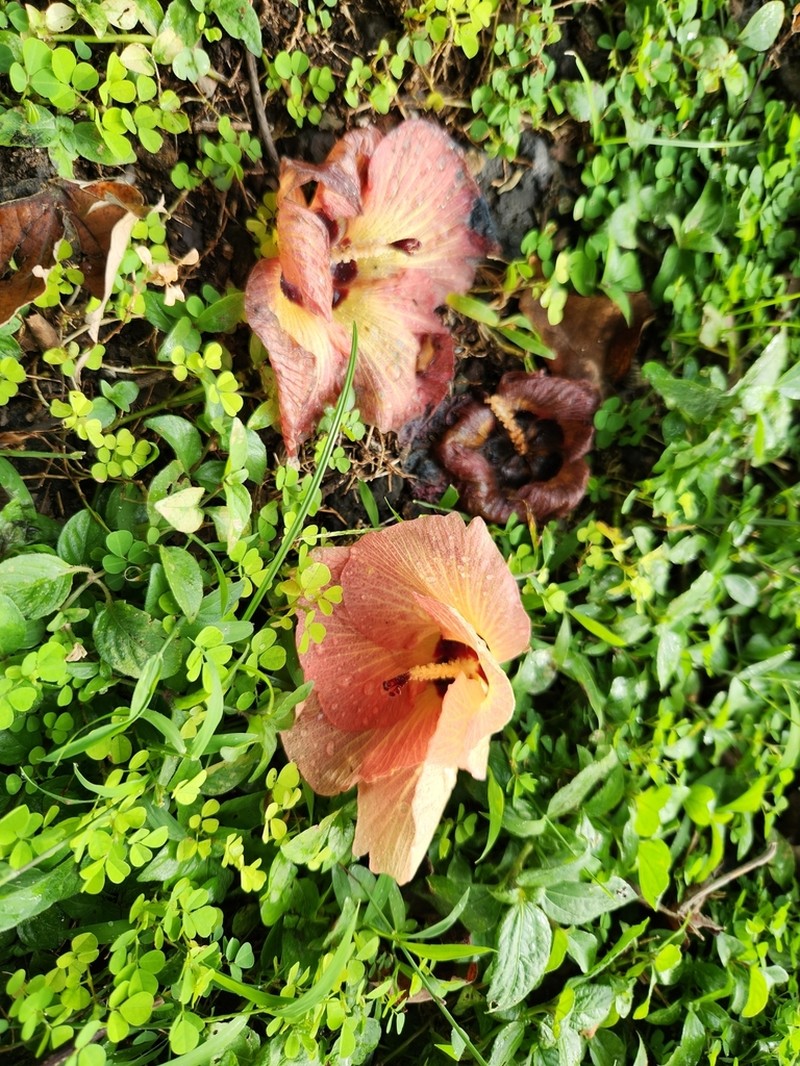
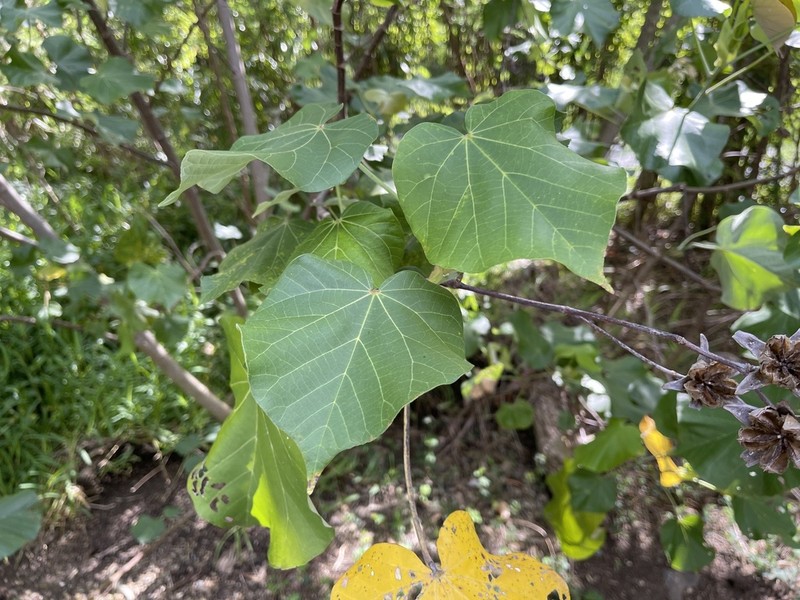
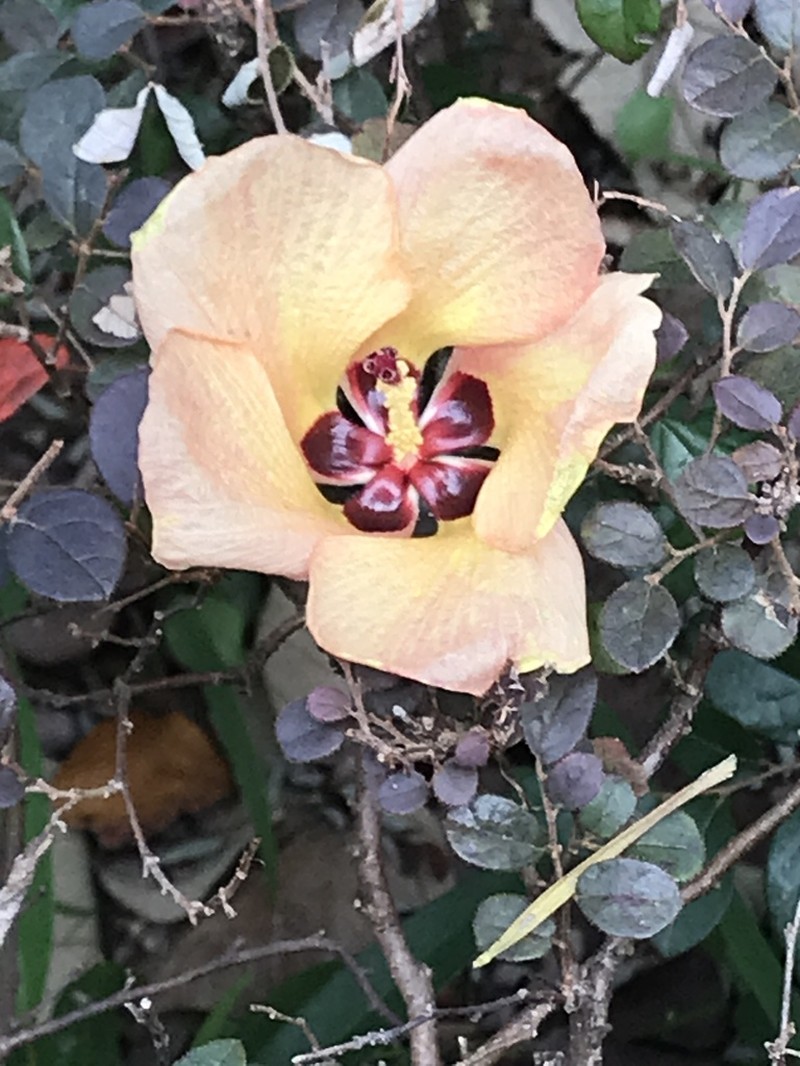
Taxonomy
- Division:
- Magnoliophyta | - Flowering plants
- Family:
- Malvaceae
- Genus:
- Hibiscus
- Species:
- Hibiscus tiliaceus
- USDA Symbol:
- HITI
Growth Characteristics
- Life Cycle:
- Perennial
- Growth Habit:
- Shrub , Tree
- Height:
- 1000 cm
- Light Requirements:
- Full Sun
- Drought Tolerance:
- Low
- Bloom Months:
- jan,feb,mar,apr,may,jun,jul,aug,sep,oct,nov,dec
- Bloom Colors:
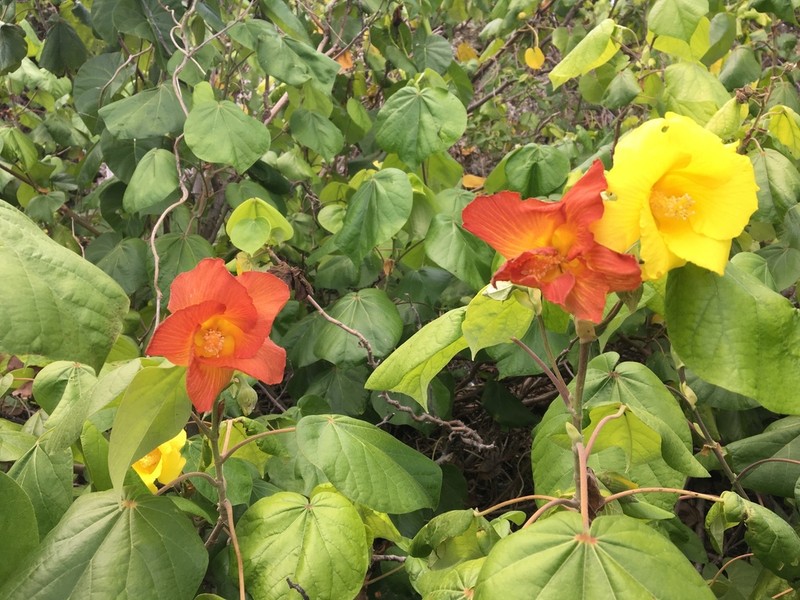
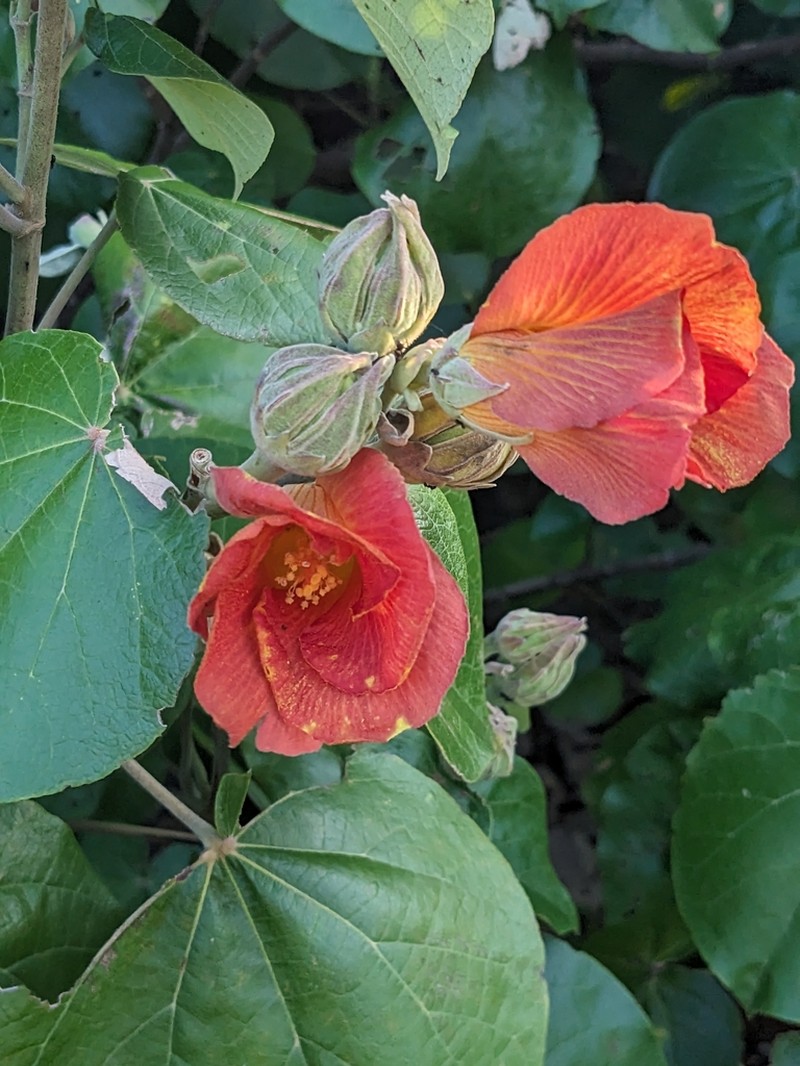
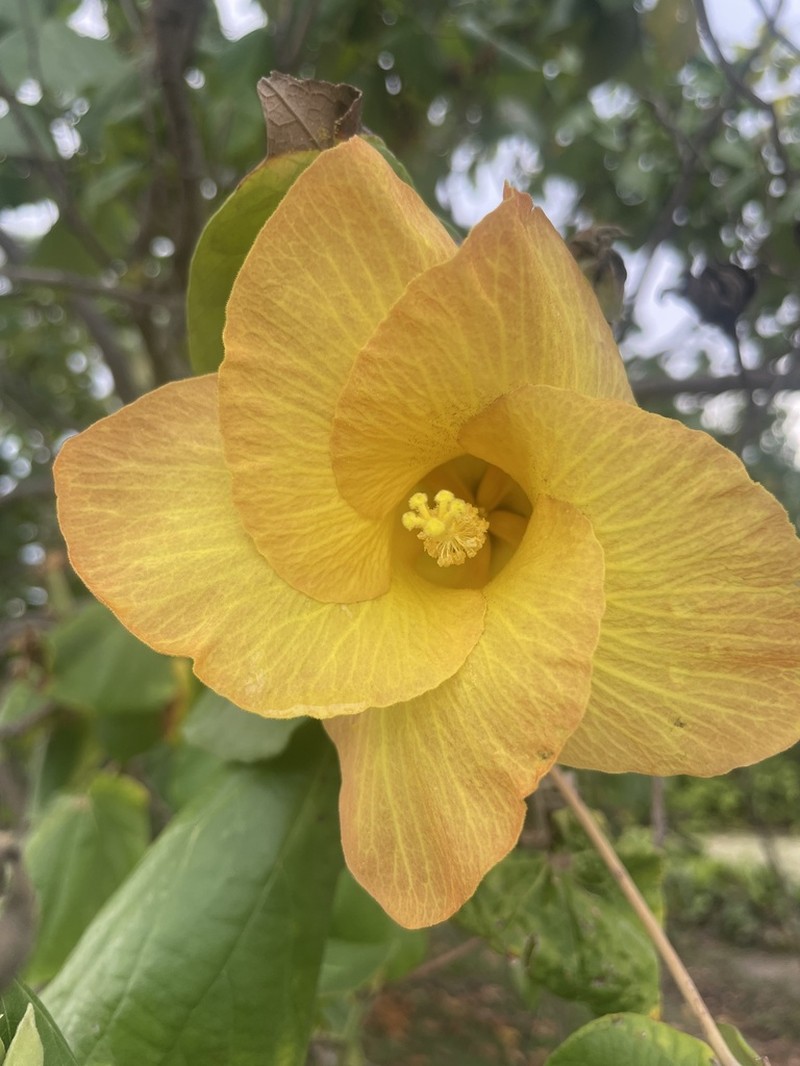
- yellow, red
- Landscaping Shrub:
- Yes
Wildlife Benefits
- Bees:
- ★★★☆☆ Documented bee visitation (GBIF)
- Butterflies & Moths:
- ★★★★★ Documented Lepidoptera association (GBIF)
- Caterpillars:
- ★☆☆☆☆ Recorded caterpillar host plant (HOSTS Database)
- Hummingbirds:
- ★☆☆☆☆ Documented hummingbird visits (GBIF)
Keystone Species Ranking
- Caterpillar Keystone:
- ★★★☆☆ Butterfly & moth species supported by this genus (NWF)
Host Plant for Caterpillars
Io moth (Automeris io)
Garden & Ecology Notes
- Wildlife Value:
- birds, butterflies
- Salt Tolerant:
- Yes
Soil Requirements
- Soil Type:
- rich, well-drained loamy soil
- pH:
- 5.5 - 7.5 (slightly acidic to neutral)
- Drainage:
- tolerates poor drainage
- Moisture:
- consistently moist
- Notes:
- Commonly found in coastal areas and riverbanks.
Propagation & Germination
Pre-treatment: Seeds can be scarified by lightly nicking the seed coat with a knife or nail clippers, or by rubbing them on 400 grit sandpaper. Cuttings should have several shoot buds and all mature leaves removed except the terminal leaves. Rooting hormones are optional.
Establishment: The plant is pantropical and native to Pacific Islands including Hawaii. It can be propagated both from seeds and cuttings. There are variations in pre-treatment methods across different protocols.
Source: npn.rngr.net