
Cuban Jute
Sida rhombifolia
- Native to:
- Angola, Bangladesh, Benin, Botswana, Burkina, Burundi, Cambodia, Cameroon, Cape Verde, Central African Republic, Chad, China, Christmas I., Congo, DR Congo, Eritrea, Eswatini, Ethiopia, Gabon, Gambia, Ghana, Guam, Guinea, Guinea-Bissau, Gulf of Guinea Is., Hainan, India, Ivory Coast, Japan, Jawa, Kazan-retto, Kenya, Laos, Lesotho, Lesser Sunda Is., Liberia, Malawi, Malaya, Mali, Marianas, Mauritania, Mauritius, Mozambique, Myanmar, Nansei-shoto, Navassa Island, Nepal, Niger, Nigeria, Northern Mariana Islands, Ogasawara-shoto, Pakistan, Palau, Philippines, Puerto Rico, Rwanda, Senegal, Seychelles, Sierra Leone, South Africa, South China Sea, Sri Lanka, Sudan-South Sudan, Sumatera, Taiwan, Tanzania, Thailand, Togo, U.S. Minor Outlying Islands, Uganda, United States, Vanuatu, Vietnam, Yemen, Zambia, Zimbabwe
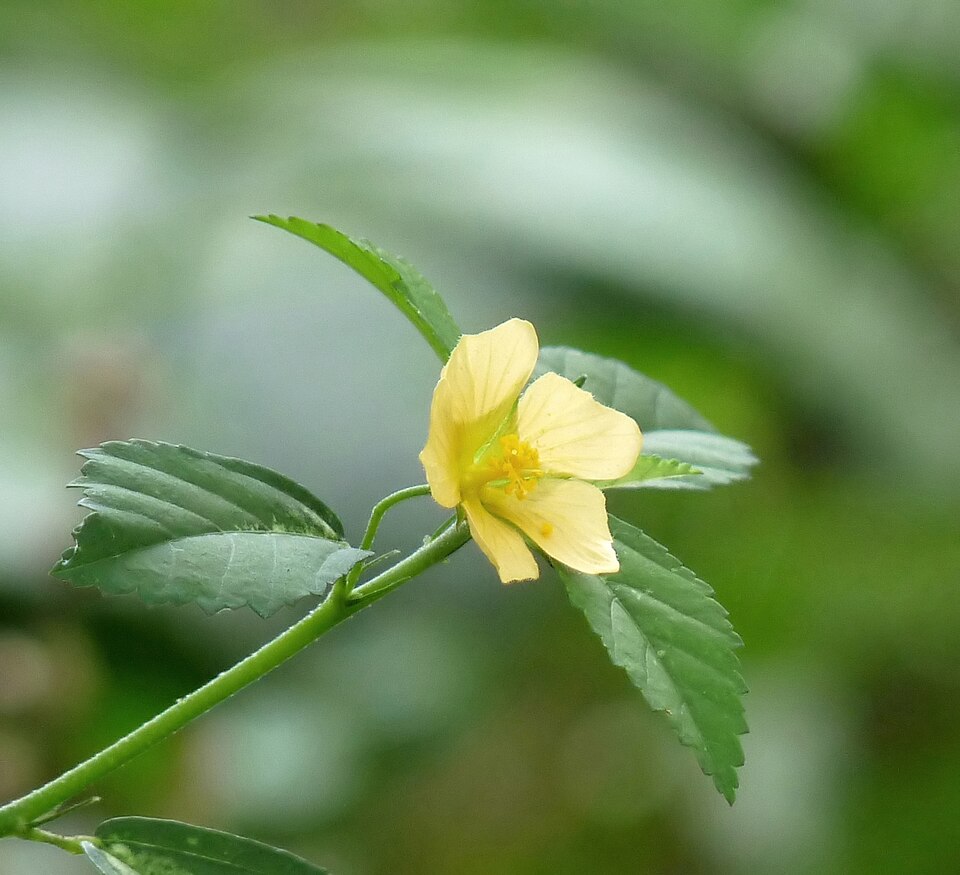
Jeevan Jose, Kerala, India
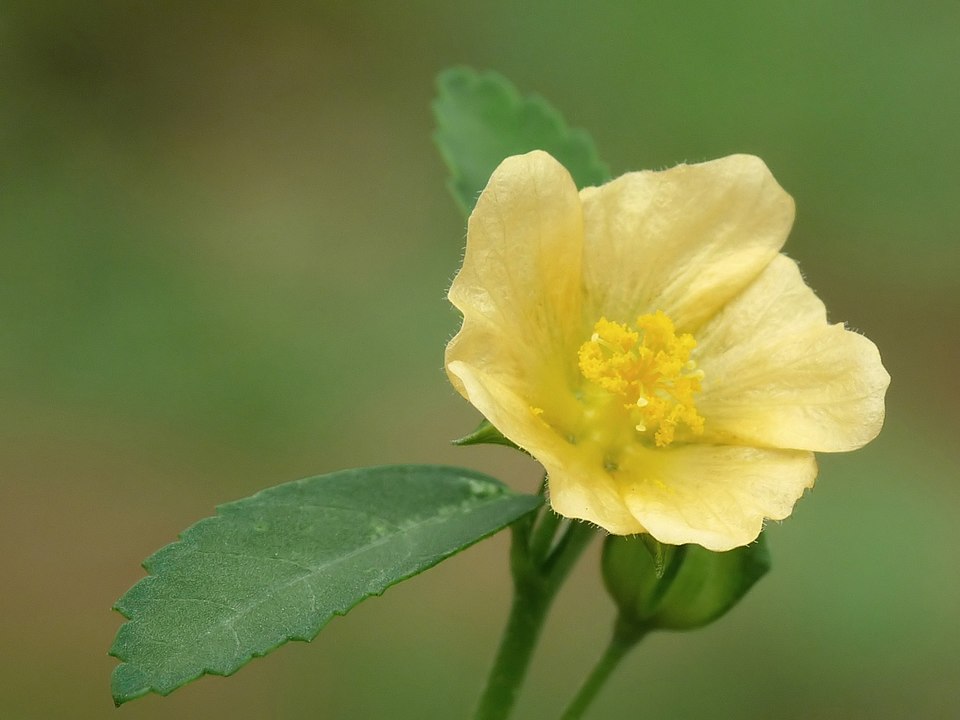
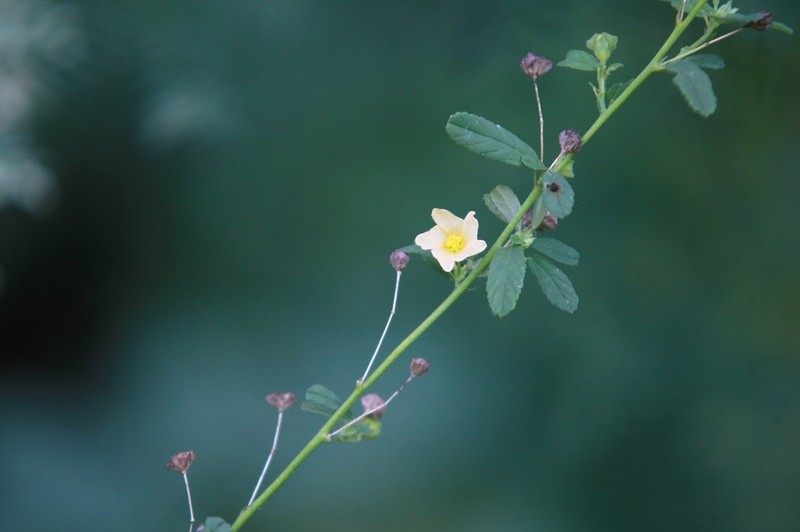
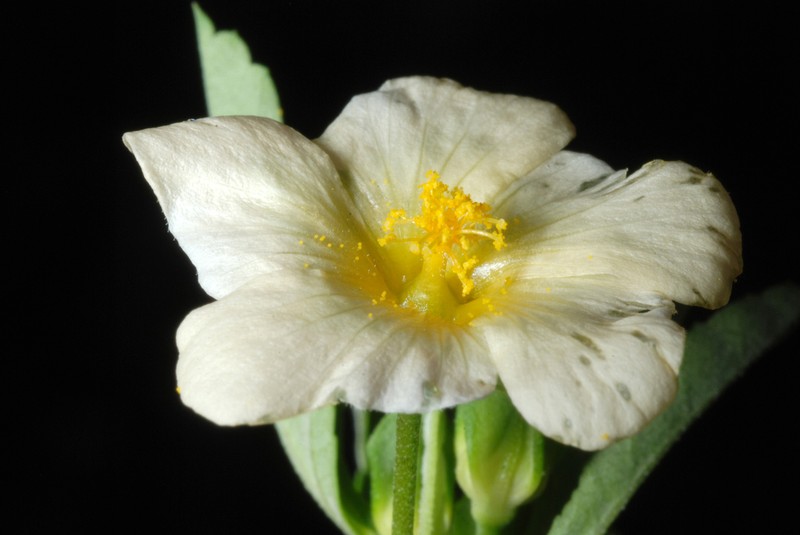
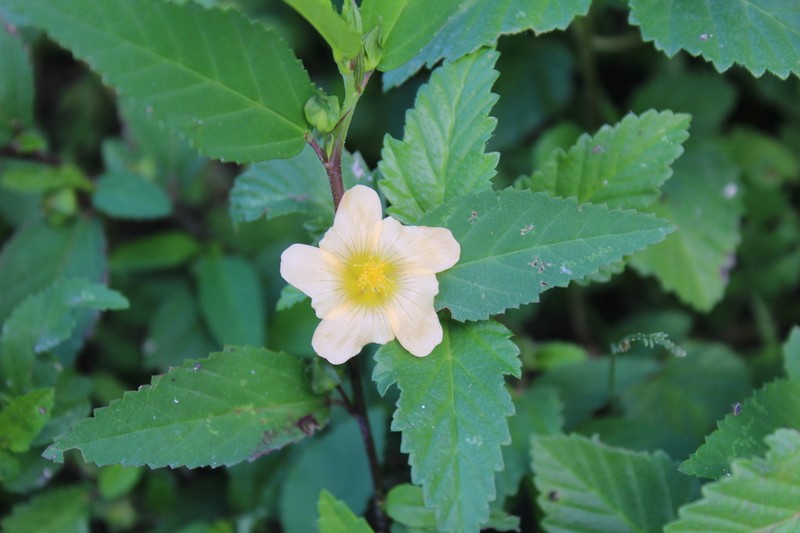
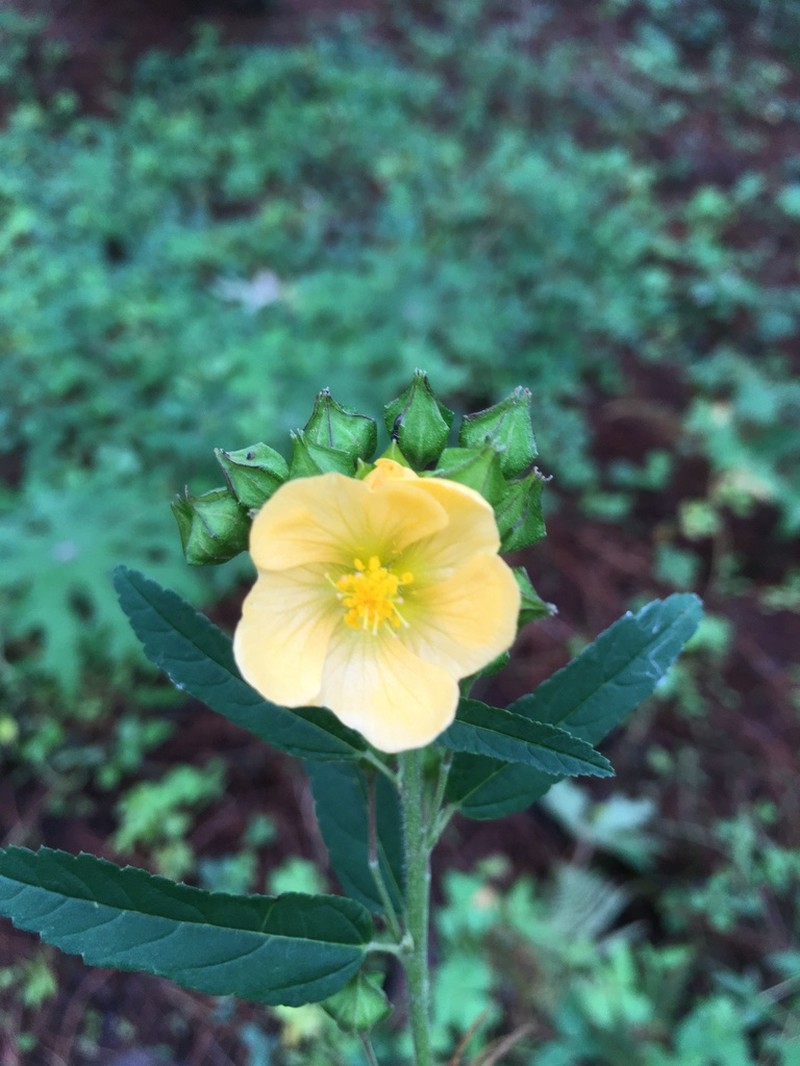
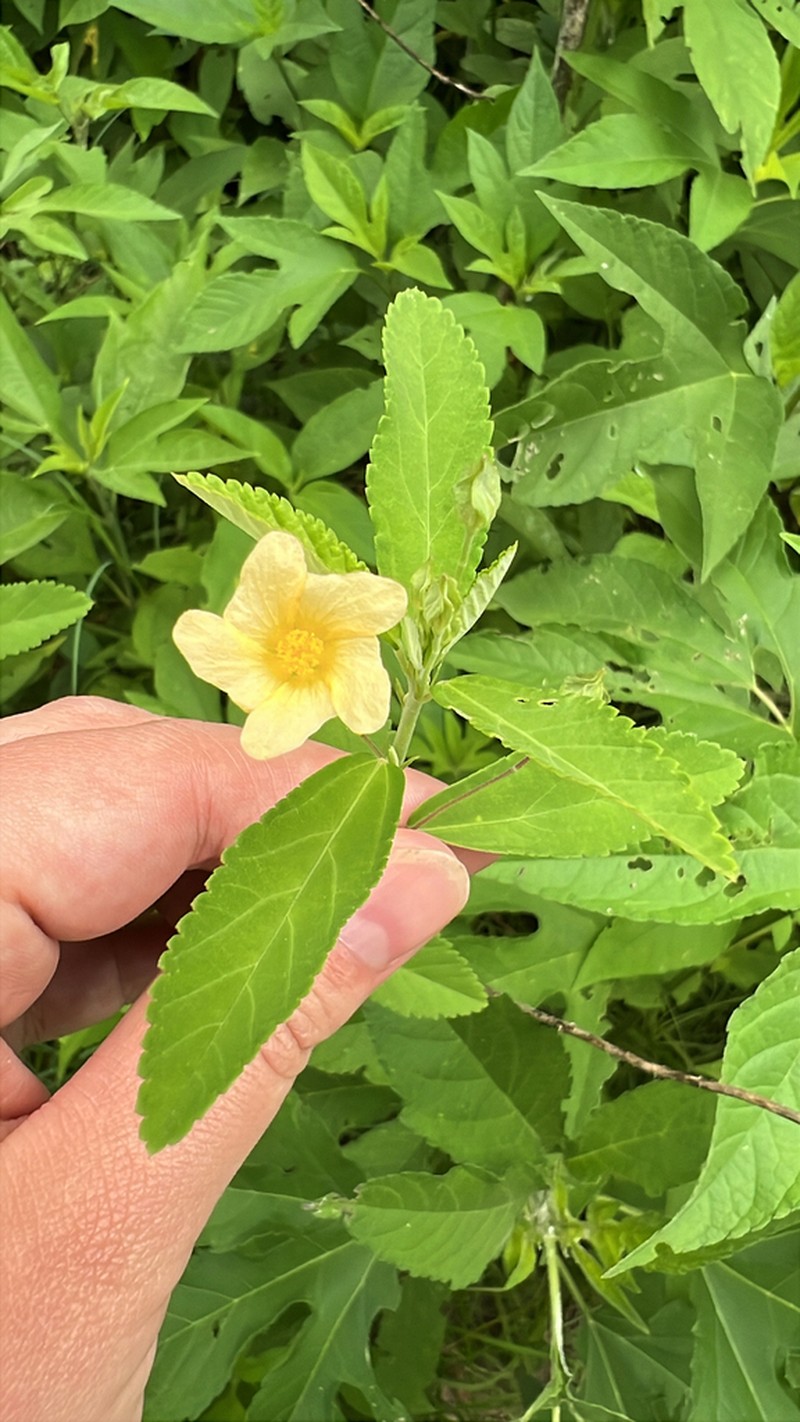
Taxonomy
- Division:
- Magnoliophyta | - Flowering plants
- Family:
- Malvaceae
- Genus:
- Sida
- Species:
- Sida rhombifolia
- USDA Symbol:
- SIRH
Growth Characteristics
- Life Cycle:
- Annual | Perennial
- Growth Habit:
- Forb/herb , Subshrub
- Height:
- 100 cm
- Light Requirements:
- Full Sun
- Drought Tolerance:
- Medium
- Bloom Months:
- jun,jul,aug,sep,oct
- Bloom Colors:
- yellow
Wildlife Benefits
- Bees:
- ★★☆☆☆ Documented bee visitation (GBIF)
- Butterflies & Moths:
- ★★★★★ Documented Lepidoptera association (GBIF)
- Caterpillars:
- ★★☆☆☆ Recorded caterpillar host plant (HOSTS Database)
Host Plant for Caterpillars
Acrocercops quinquistrigella, corn earworm (Helicoverpa zea), cotton tipworm (Crocidosema plebejana), Hypena minualis, wavy lined mallow moth (Bagisara repanda), Oileus Skipper (Pyrgus oileus)
Reported Fauna Sightings
Butterflies:Little Yellow (Eurema lisa)
Garden & Ecology Notes
- Wildlife Value:
- butterflies, bees
Soil Requirements
- Soil Type:
- sandy, well-drained, nutrient-poor soil
- pH:
- 5.5 - 7.5 (slightly acidic to neutral)
- Drainage:
- excellent drainage required
- Moisture:
- dry to moderate
- Notes:
- commonly found in disturbed areas and grasslands