
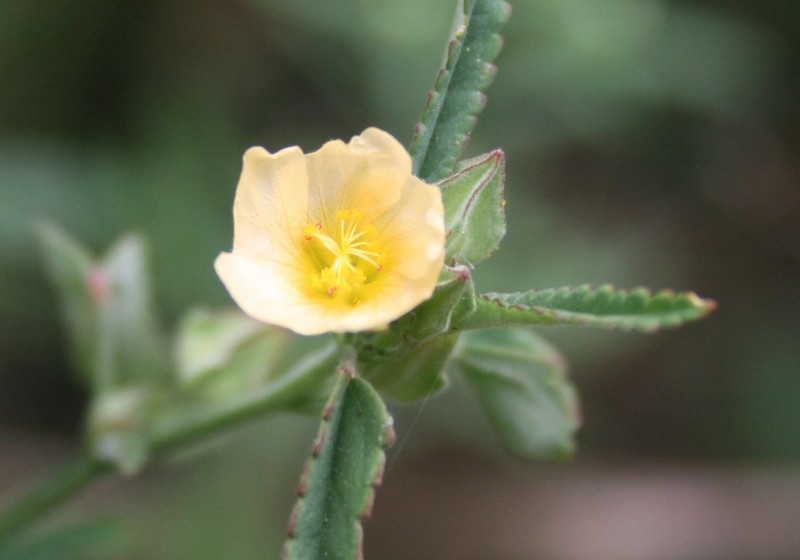
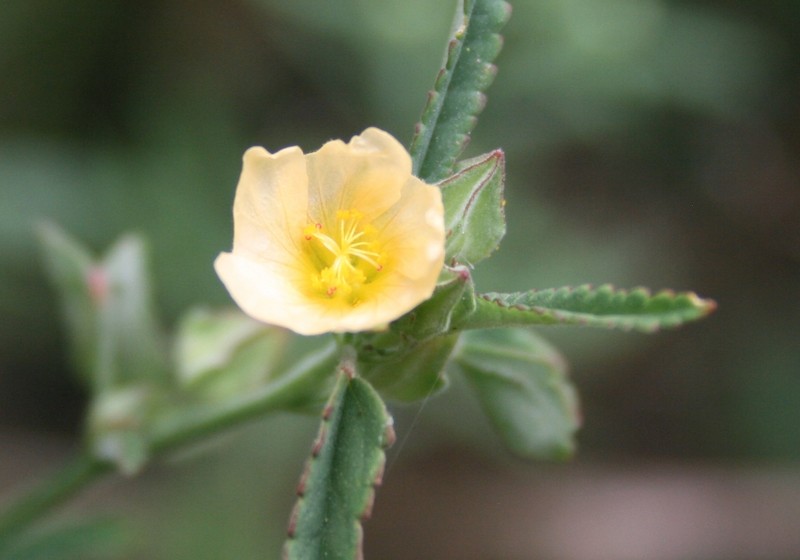
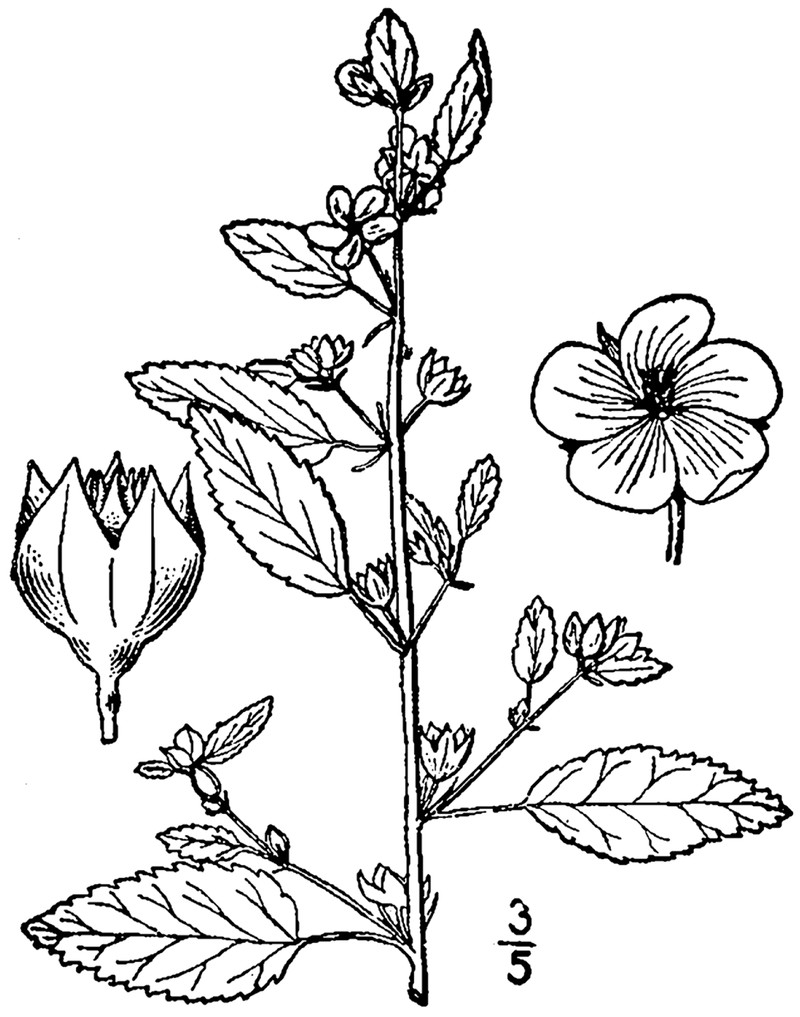
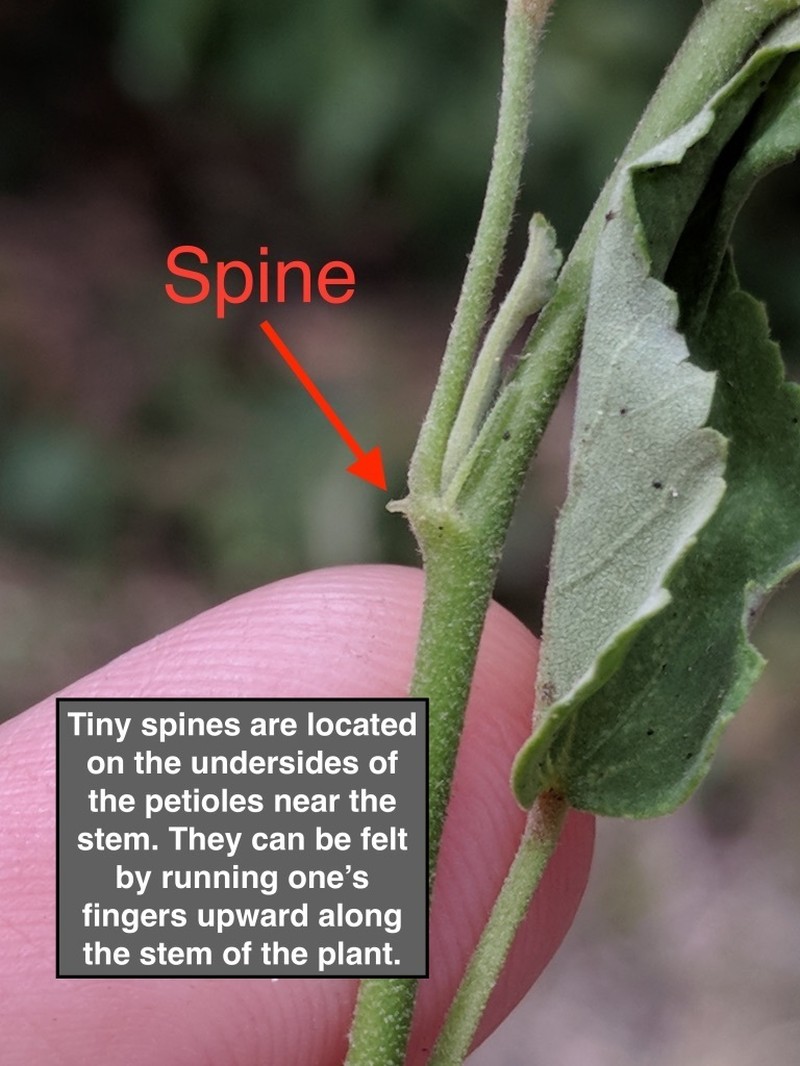
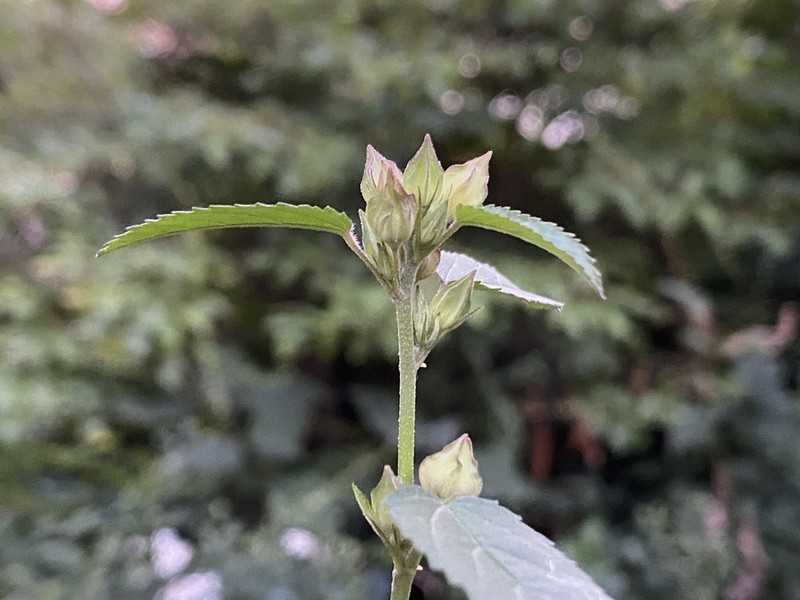
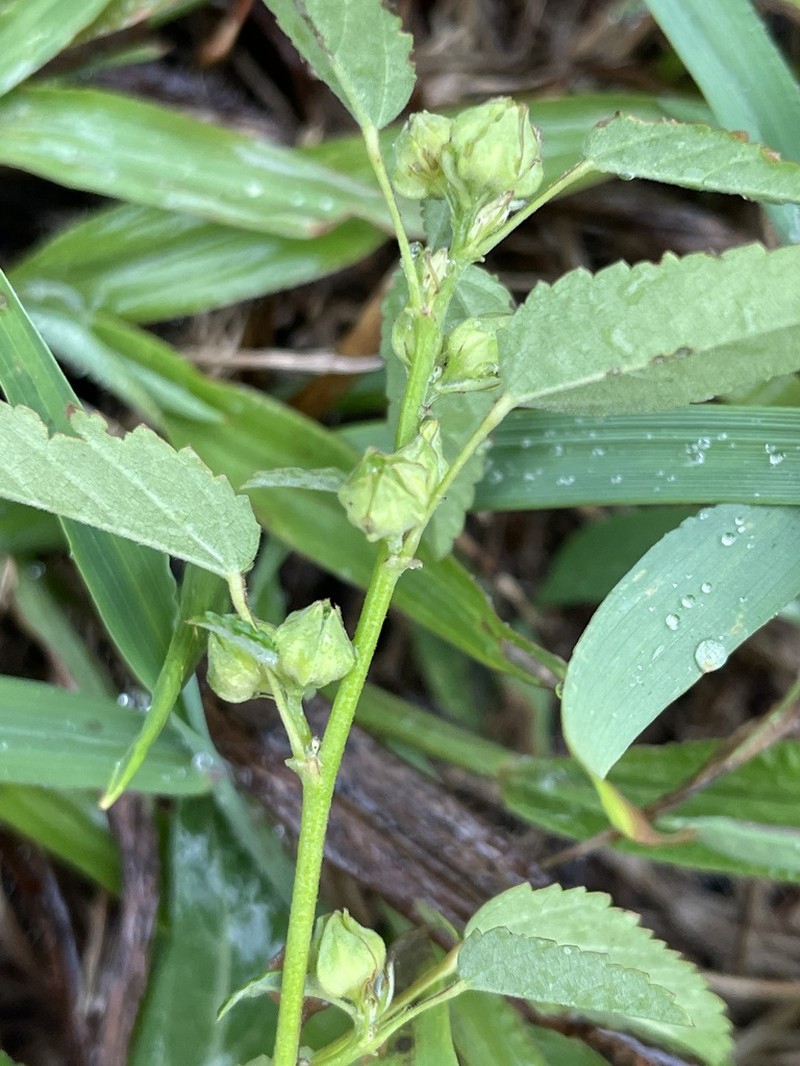
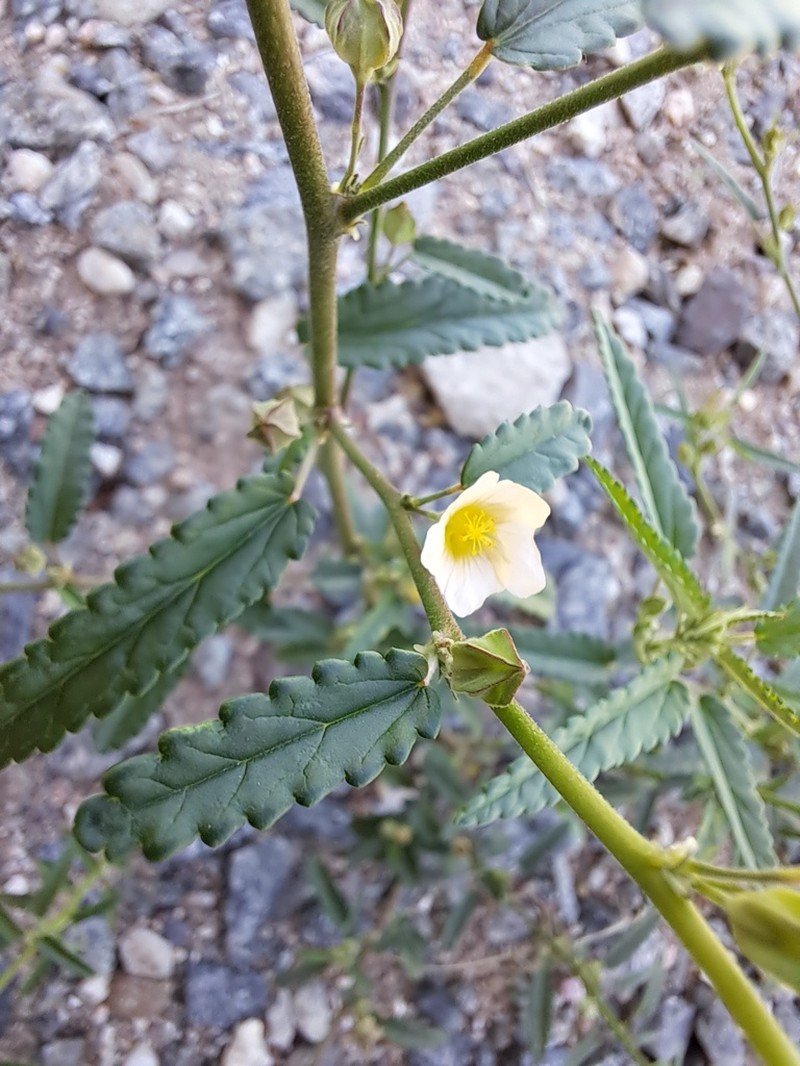
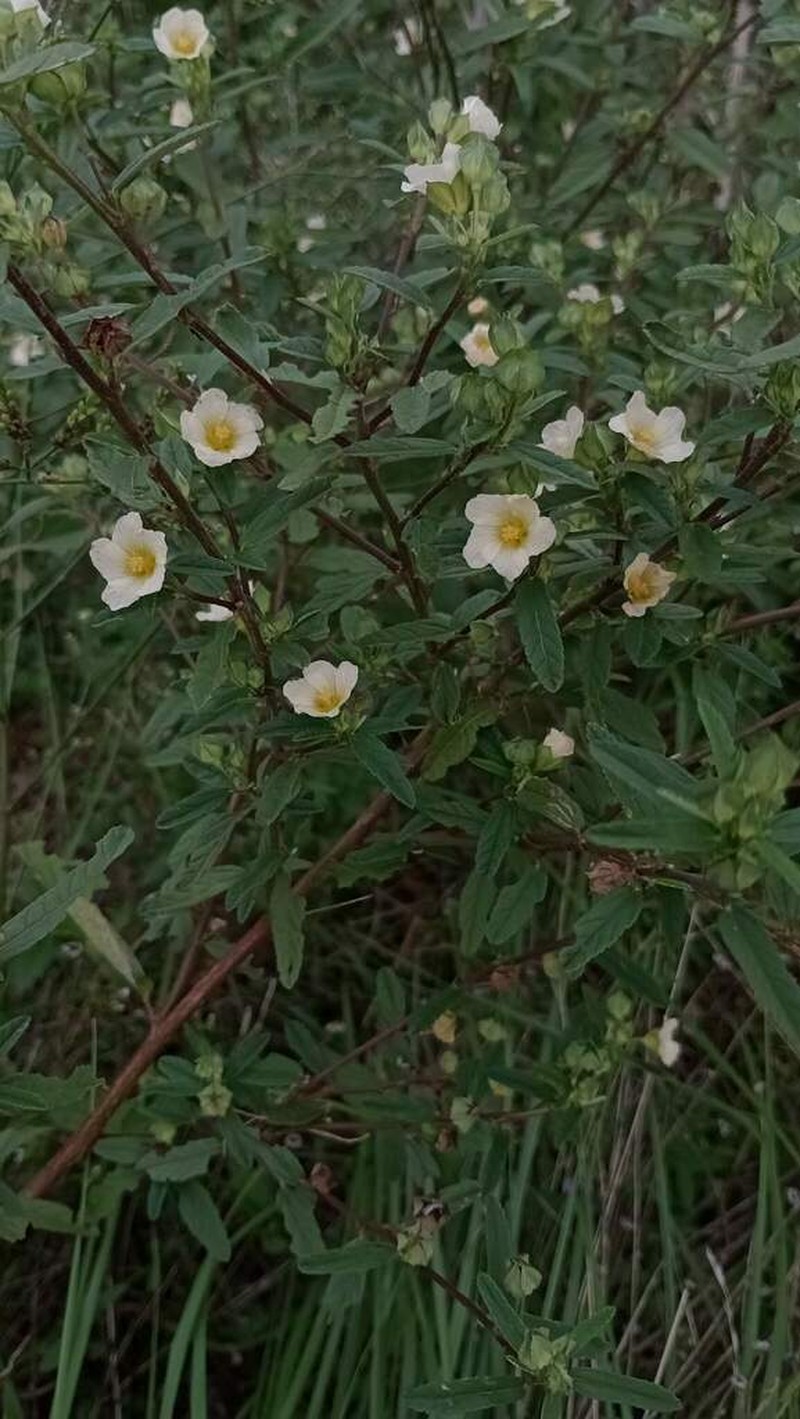
Prickly Fanpetals
Sida spinosa
- Native to:
- Angola, Argentina, Aruba, Bahamas, Bangladesh, Belize, Benin, Bolivia, Brazil, Burkina, Burundi, Cape Verde, Caprivi Strip, Cayman Is., Chad, Chile, Colombia, Costa Rica, Cuba, Djibouti, Dominican Republic, DR Congo, El Salvador, Eritrea, Ethiopia, French Guiana, Galápagos, Gambia, Ghana, Guam, Guatemala, Guinea, Gulf of Guinea Is., Guyana, Haiti, Honduras, India, Iran, Ivory Coast, Jamaica, Kenya, Leeward Is., Madagascar, Malawi, Mali, Mauritania, Mauritius, Mexico, Mozambique, Myanmar, Namibia, Netherlands Antilles, Nicaragua, Niger, Nigeria, Oman, Pakistan, Palau, Palestine, Panamá, Paraguay, Peru, Puerto Rico, Réunion, Rodrigues, Rwanda, Senegal, Sierra Leone, Somalia, South Africa, Sudan-South Sudan, Tanzania, Togo, Transcaucasus, Trinidad-Tobago, Turks-Caicos Is., United States, Uruguay, Venezuela, Venezuelan Antilles, Windward Is., Zambia, Zimbabwe
JMK
Taxonomy
- Division:
- Magnoliophyta | - Flowering plants
- Family:
- Malvaceae
- Genus:
- Sida
- Species:
- Sida spinosa
- USDA Symbol:
- SISP
Growth Characteristics
- Life Cycle:
- Annual | Perennial
- Growth Habit:
- Forb/herb , Subshrub
- Height:
- 100 cm
- Light Requirements:
- Full Sun
- Drought Tolerance:
- Medium
- Bloom Months:
- jul,aug,sep,oct
- Bloom Colors:
- white, yellow
Wildlife Benefits
- Bees:
- ★☆☆☆☆ Documented bee visitation (GBIF)
- Butterflies & Moths:
- ★★☆☆☆ Documented Lepidoptera association (GBIF)
- Caterpillars:
- ★☆☆☆☆ Recorded caterpillar host plant (HOSTS Database)
Host Plant for Caterpillars
corn earworm (Helicoverpa zea), Yellow-striped armyworm (Spodoptera ornithogalli)
Garden & Ecology Notes
- Wildlife Value:
- bees, butterflies
Soil Requirements
- Soil Type:
- sandy, well-drained, nutrient-poor soil
- pH:
- 5.5 - 7.5 (slightly acidic to neutral)
- Drainage:
- excellent drainage required
- Moisture:
- dry to moderate
- Notes:
- commonly found in disturbed areas and roadsides